Esports Event Transportation & VIP Logistics Budapest
Esports logistics isn’t “just transportation”
In late November 2025, VanBudapest became the official transportation and logistics partner for the StarLadder Budapest Counter-Strike 2 Major—the first Counter-Strike Major ever hosted in Hungary, staged across MTK Sportpark and the MVM Dome.
From November 22 through December 14, we handled tournament mobility end-to-end: airport arrivals, city transfers, daily venue runs, and schedule changes that can happen at any hour in esports. Not loudly, not dramatically—simply the way a professional chauffeur operation is supposed to deliver: calm, punctual, discreet, and fully coordinated.

StarLadder Budapest CS2 Major 2025 — The first Counter-Strike Major in Hungary
That experience matters because esports events don’t behave like traditional sports. There’s no “90 minutes plus stoppage time.” Match length depends on formats, rounds, technical pauses, overtime, and broadcast timing. The transportation partner who succeeds is the one built for flexibility, real-time coordination, and reliable execution—without making the event feel “managed.”
If you’re producing a tournament, hosting teams, or planning VIP movements, this page is designed to help you understand what esports transportation actually requires—and why VanBudapest is structured to deliver it in Budapest, Vienna, Bratislava, and across Central Europe.
Start with a tournament quote (teams, talent, VIPs, crew)
Request an Esports Event Transportation Quote — include dates, venues, hotels, airports, team count
We Were There —
The Official VIP Transfer Partner of
StarLadder CS2 Major Budapest 2025
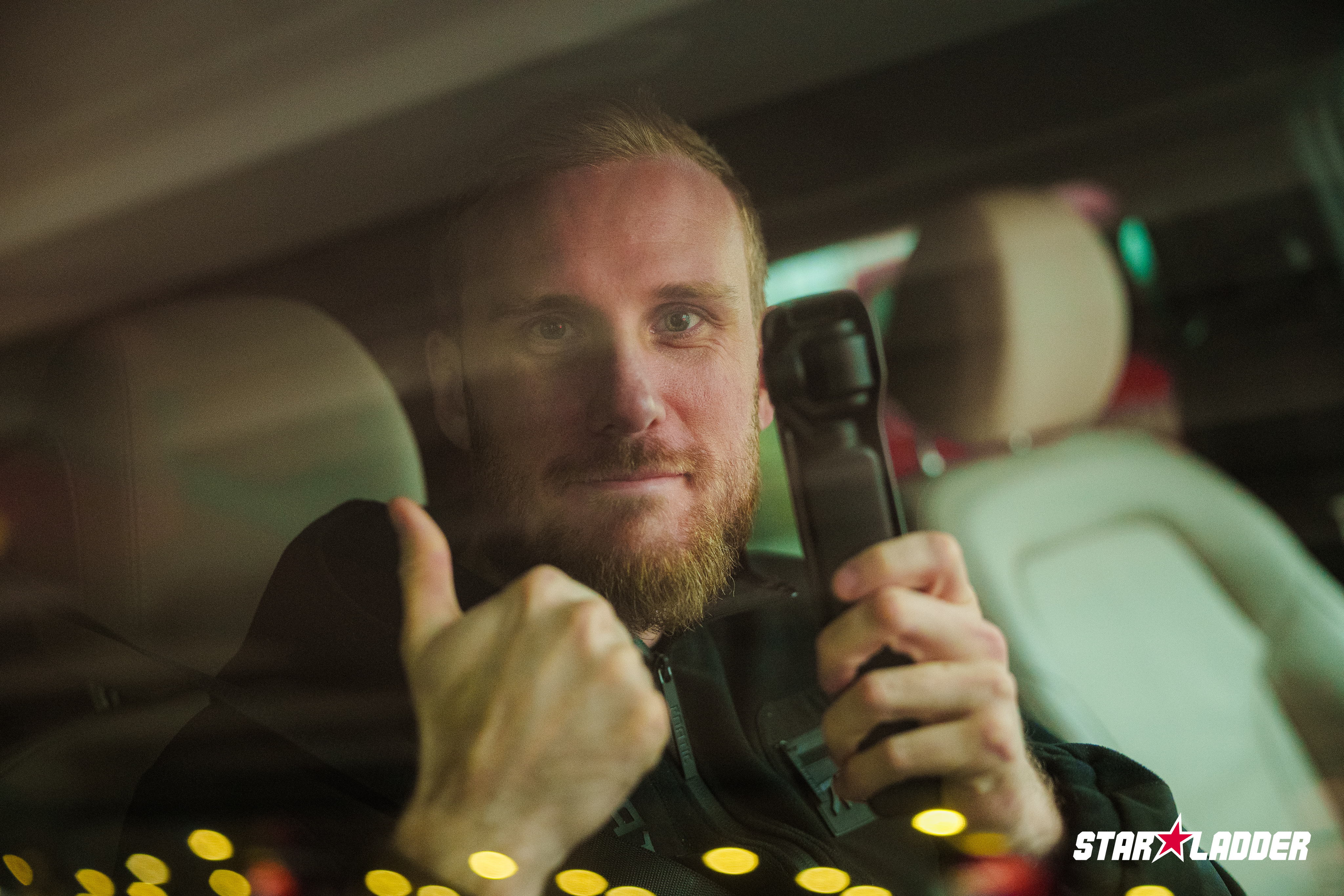
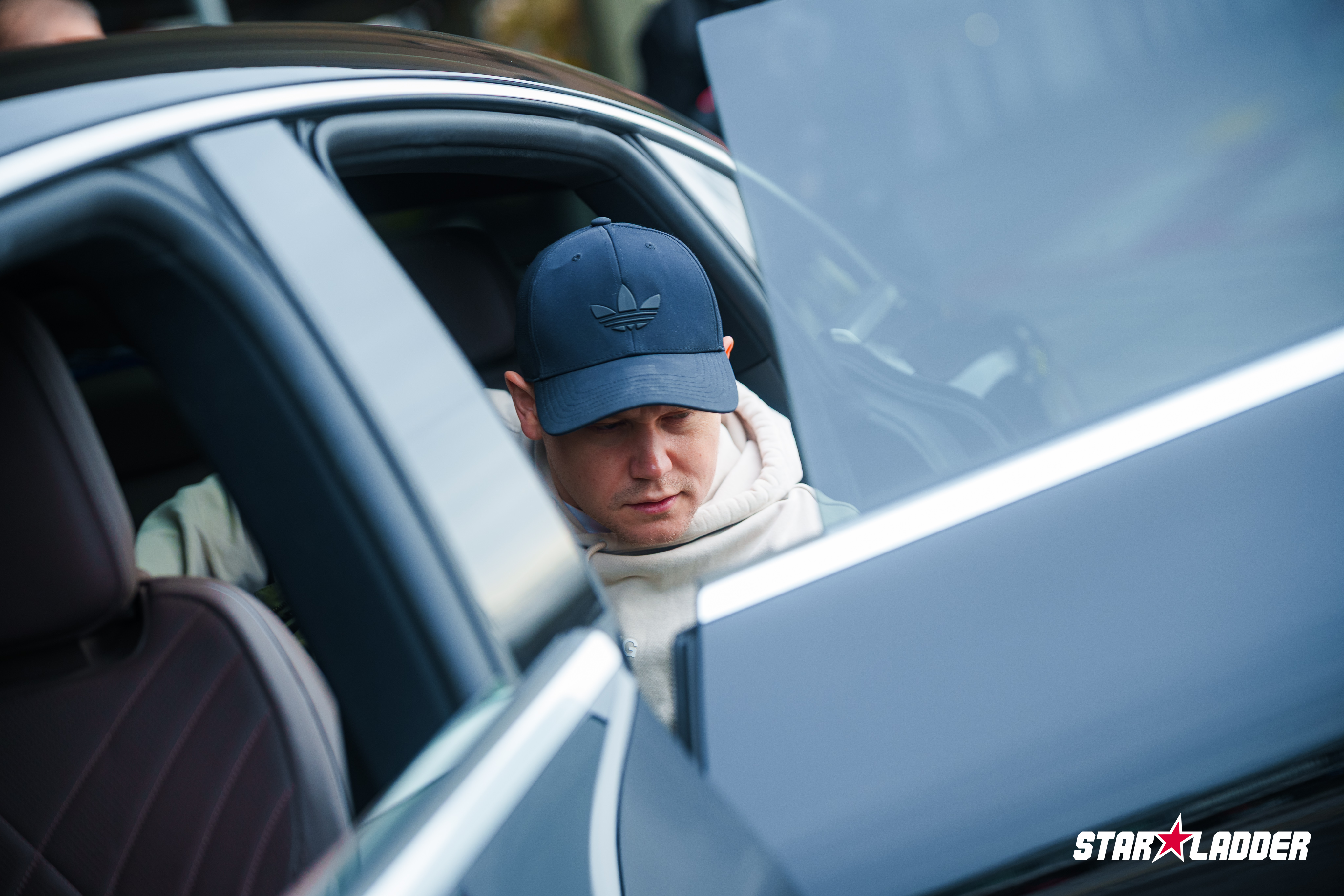
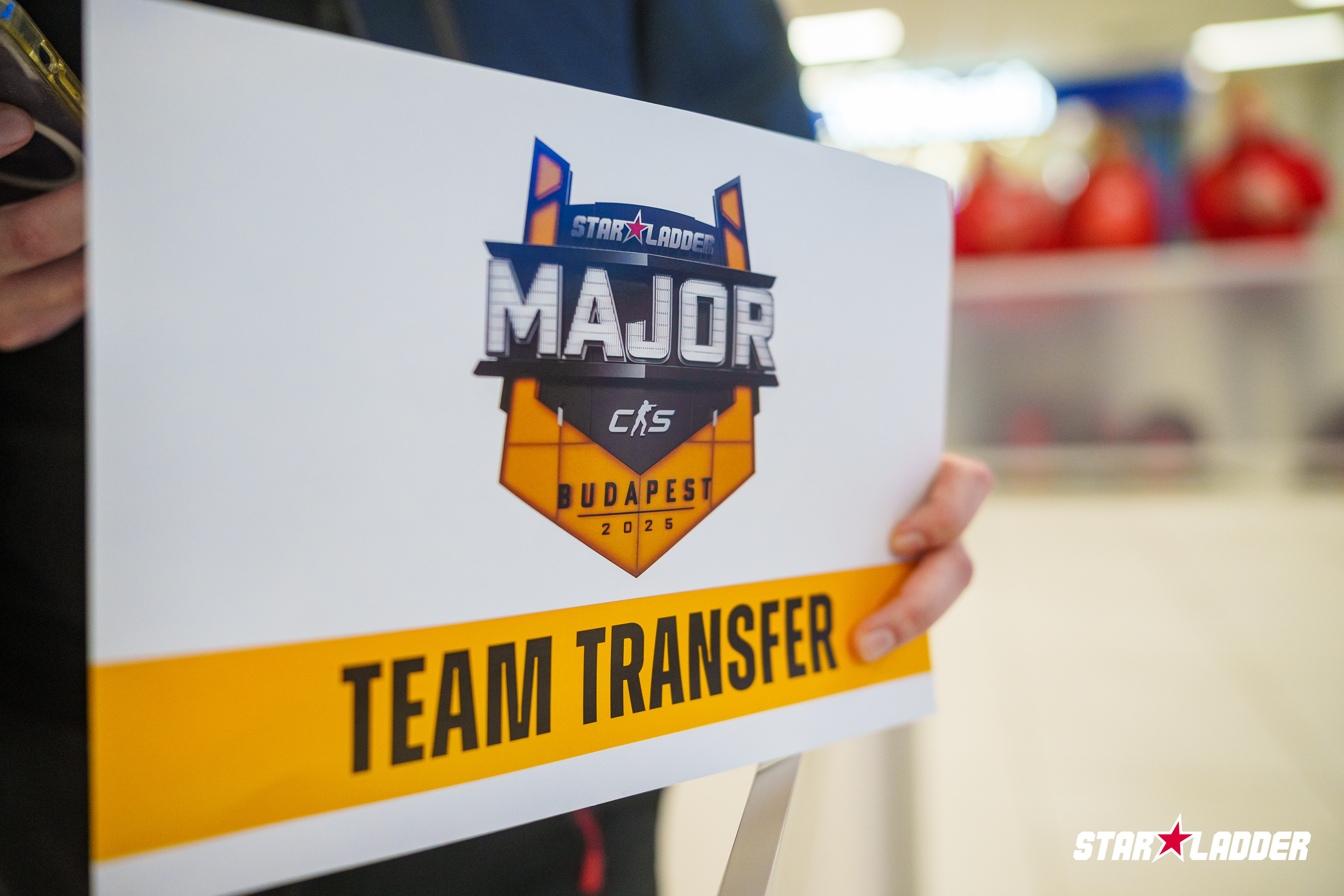
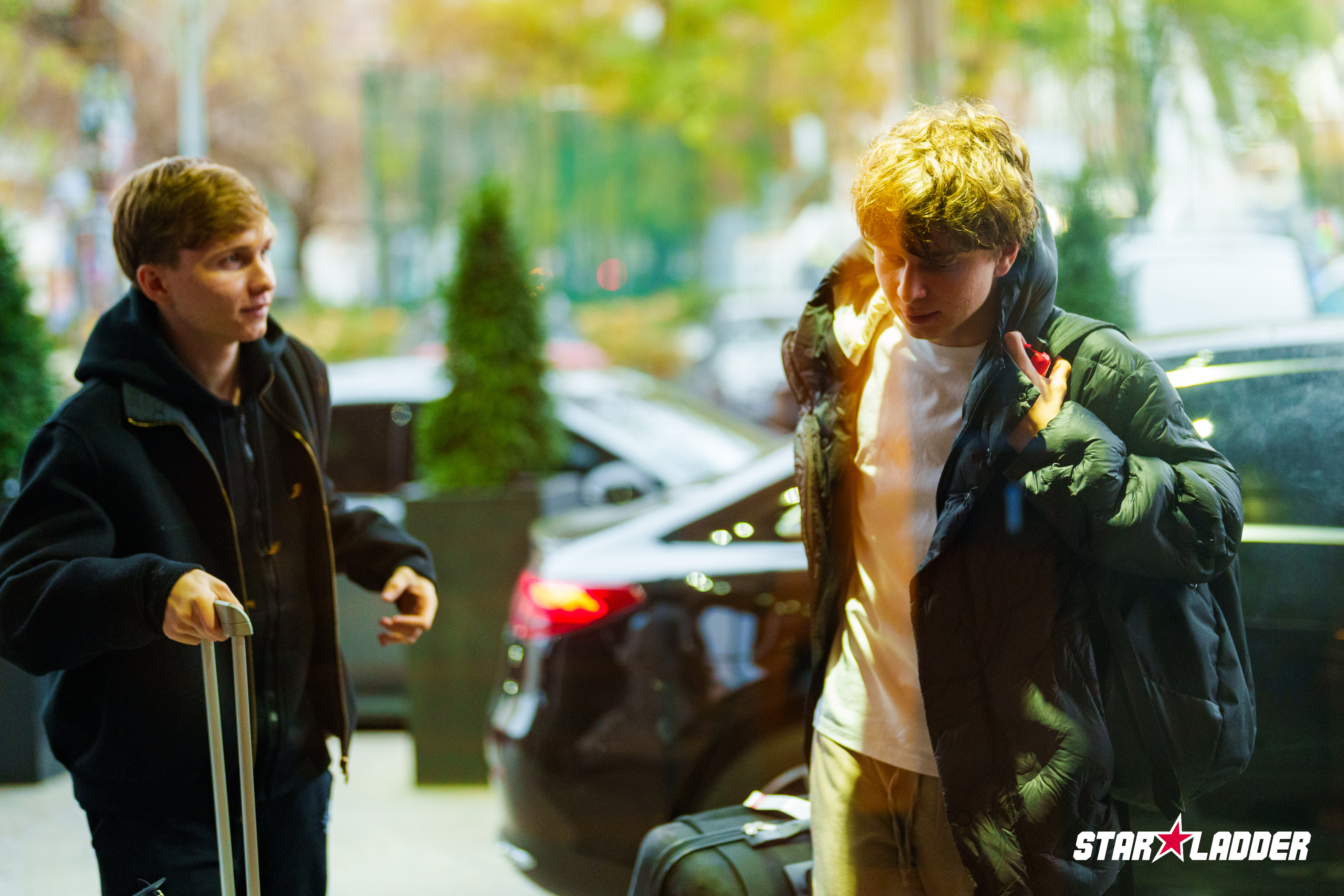
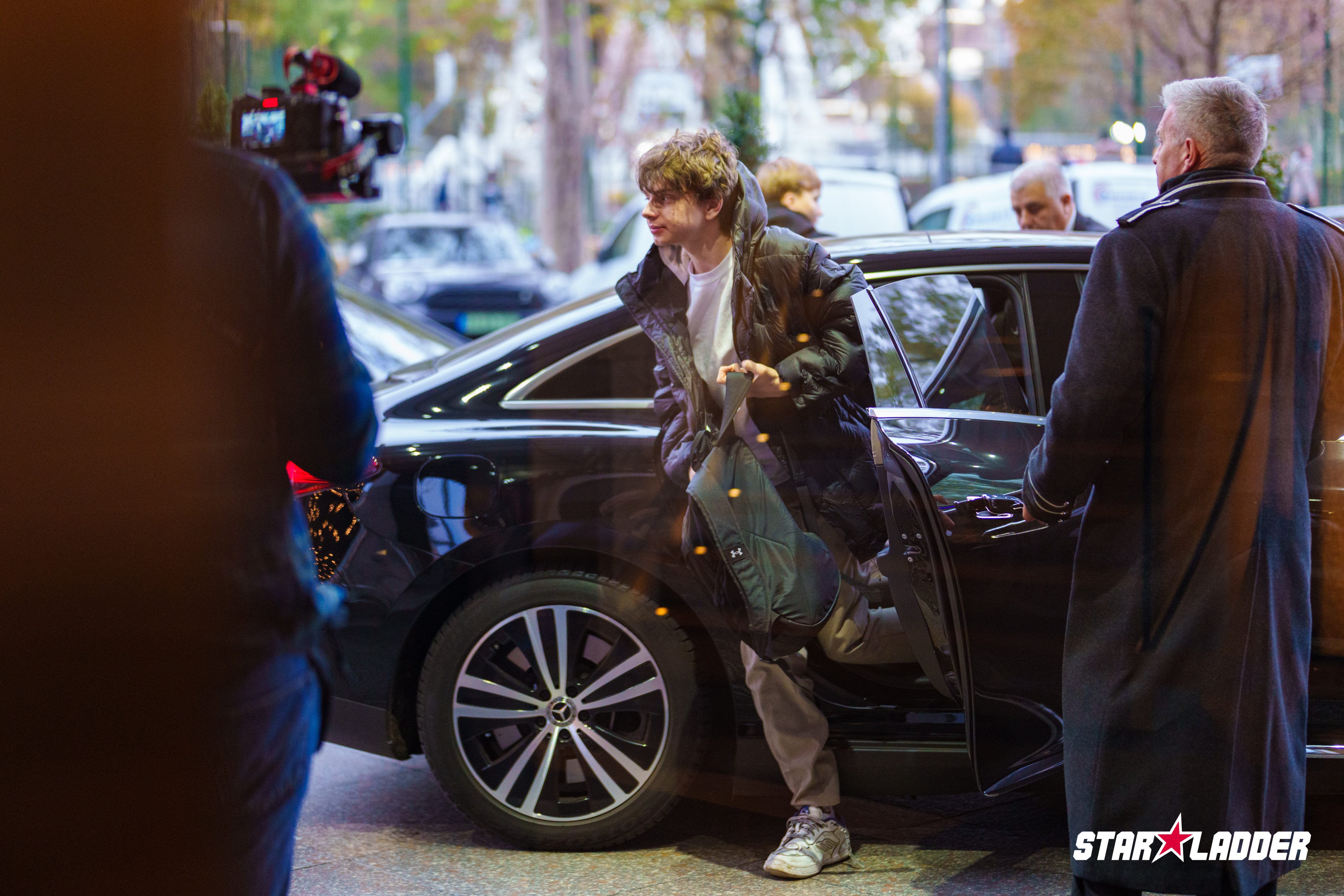
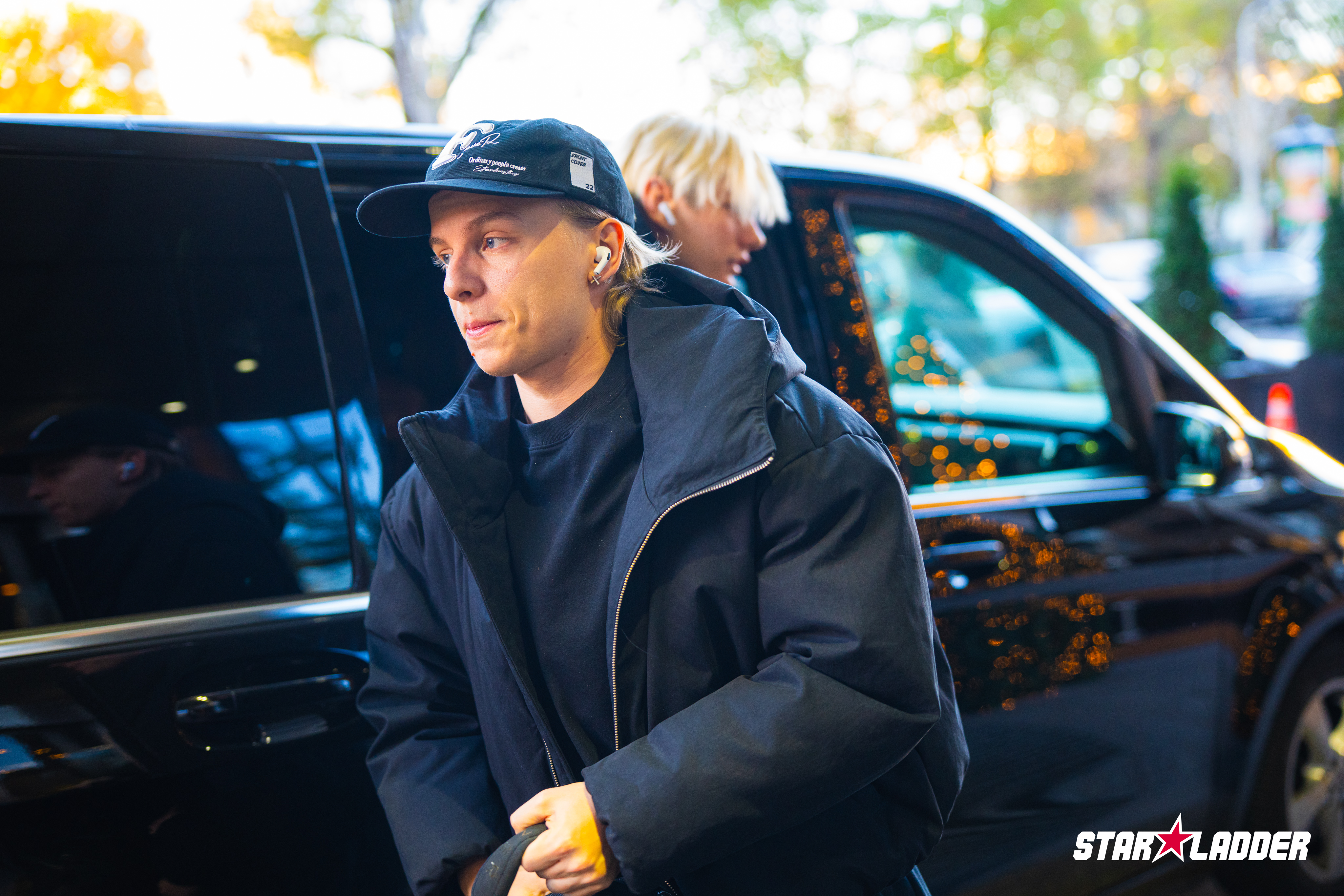
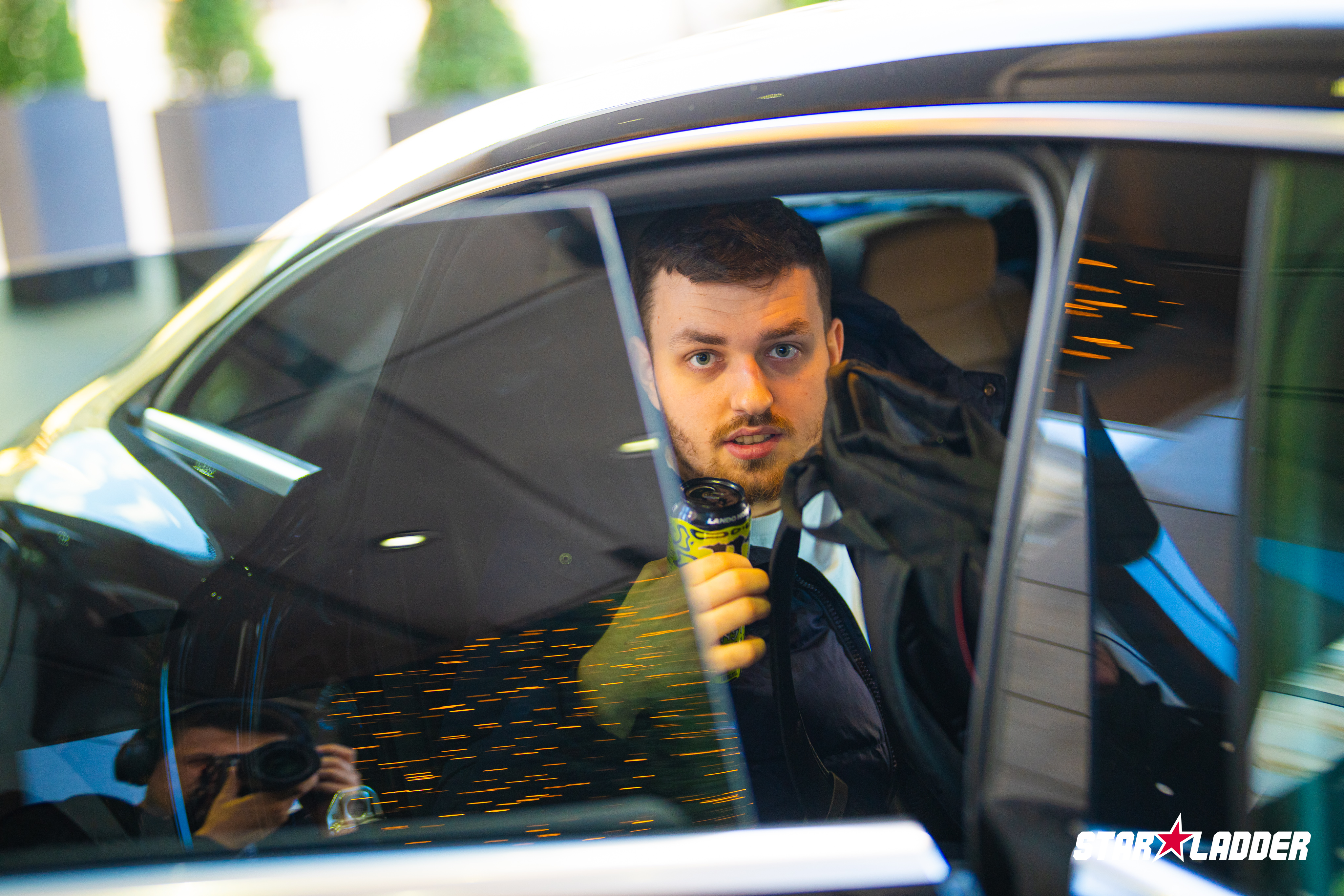
VanBudapest.com served as the official VIP transportation partner of the StarLadder CS2 Major Budapest 2025 — one of the largest esports events ever held in Central Europe. From team arrivals and player transfers to media shuttles and VIP escort services, we made sure every movement was seamless, discreet, and perfectly on time. Browse our official event photo gallery — captured live at MVM Dome and MOM Sport Park.

What we mean by “esports event transportation”
Esports transportation is the movement layer beneath the production: teams, talent, VIP guests, staff, and time-sensitive equipment runs—executed in sync with competitive schedules that change in real time.
A complete esports mobility plan typically includes:
- Multi-airport arrivals (often staggered across many teams and time zones)
- Hotel ⇄ practice facility ⇄ venue loops (sometimes multiple times per day)
- Match-day timing with warm-up buffers, security windows, and broadcast locks
- Flexible late-night operations (scrims, media, sponsor obligations, after-hours schedules)
- Separate routing for players, coaches, talent, organizers, sponsors, and production teams
- Backup planning (vehicles, drivers, routing) for match delays and sudden changes
This is why esports organizers don’t want “a bunch of cars.” They want a partner who thinks in runs, windows, contingencies, and communication—and can do it quietly.

MVM Dome — The 20,000-seat arena hosting the CS2 Major playoffs in Budapest
Official event credibility: the Budapest CS2 Major (what it required)
The Budapest Major brought a tournament scale that only a few cities host each year:
- A multi-venue structure: group stages in a smaller arena environment, playoffs in a 20,000-seat dome
- High global visibility—where small operational failures become public instantly

CS2 Major Grand Finals — Where champions are crowned under global spotlight
A notable esports difference: the schedule must survive reality. Matches run long. Broadcast pacing changes. Technical pauses happen. Player routines shift. A good plan is not “perfect on paper”—it’s resilient in motion.
That’s where VanBudapest fits: we’re a professional chauffeur service built around punctuality, discretion, and coordination—not a taxi, not rideshare, and not a mass transport shortcut.
Not a taxi. Not rideshare. A professional chauffeur service.
Esports clients—teams, tournament staff, sponsors, VIP guests—tend to value the same things corporate travelers do:
- punctuality you don’t need to babysit
- predictable service standards
- privacy and discretion
- comfortable vehicles that support recovery between high-pressure days
- a single point of contact who can adjust plans fast
Taxi and rideshare can work for casual city movement. Esports event operations require something else: professional, scheduled chauffeur logistics with accountability, redundancy, and coordination.

Passionate esports fans filling the arena
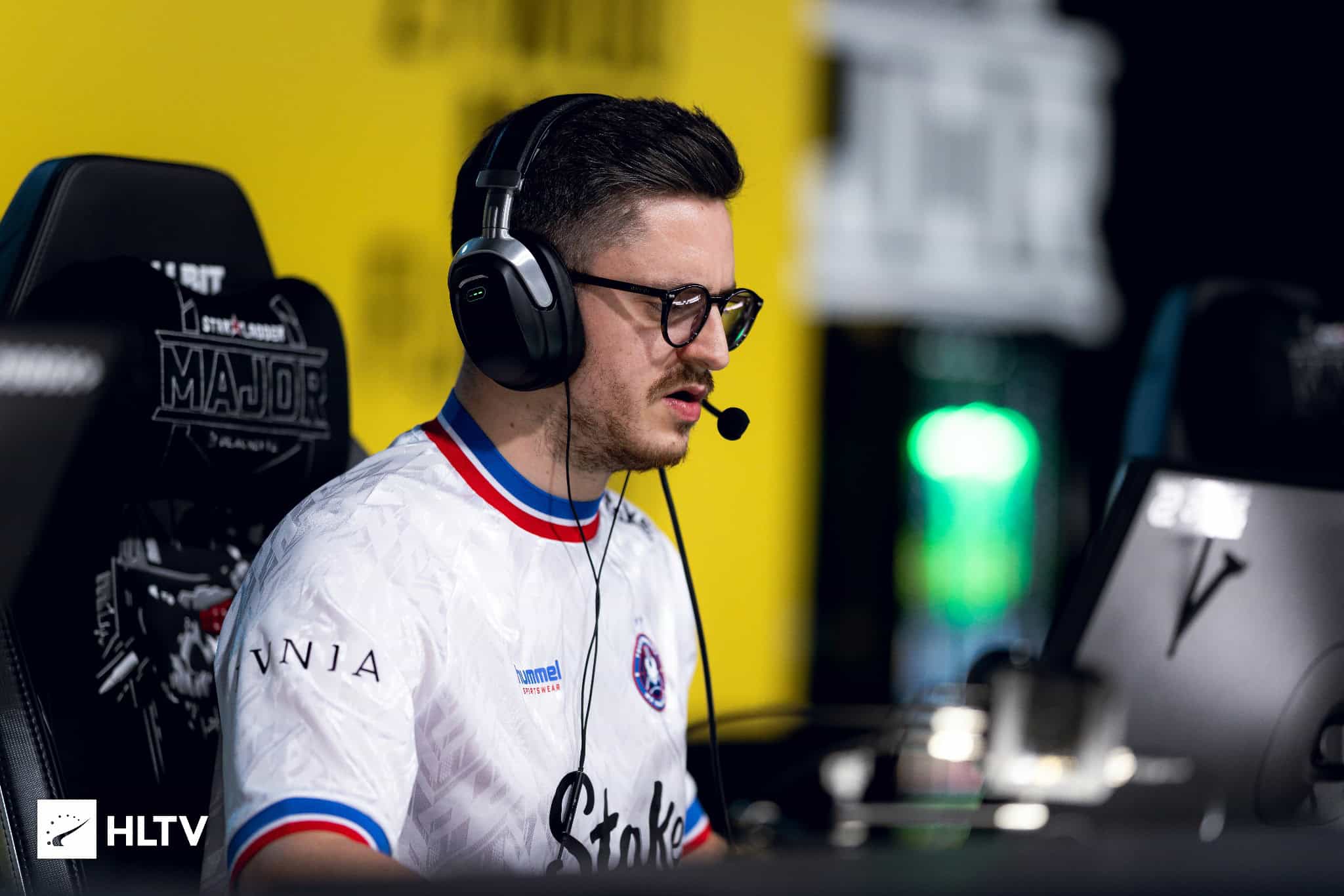
Pro player preparing for competition
Why Budapest and Central Europe are rising in esports
Budapest has moved from “interesting option” to “proven host city.” Hungary is also one of Europe’s strongest esports markets by engagement, which helps live events succeed with local energy and attendance.
Budapest’s esports readiness is strengthened by:
- modern large-scale venue capability (including VIP boxes and premium hospitality areas)
- growing local esports infrastructure (events, training facilities, community venues)
- strong regional connectivity across Central Europe (Budapest–Vienna–Bratislava–Prague corridors)
- cost-to-quality advantages versus some Western European capitals for multi-week productions
If you’re an organizer, the region offers an increasingly rare combination: venue scale + crowd energy + operational value.

World-class stage production at MTK SPORTPARK
The esports ecosystem organizers actually work with
Esports isn’t one league. It’s a network of publishers, tournament organizers, global circuits, and venue partners—often running year-round.
The “Big Five” titles that dominate viewership and Tier 1 operations
These titles consistently anchor the largest live events, highest production standards, and the most complex travel demands:
- Counter-Strike 2: Major system (two per year) plus global circuits; frequent travel for 16–32-team events
- League of Legends: international tentpoles (MSI/Worlds) and a roadshow-style calendar
- Dota 2: prestige events including The International and large third-party tournaments
- Valorant: structured international circuit with high production expectations
- Mobile Legends: Bang Bang: massive mobile-scale audiences, particularly in Southeast Asia
Secondary titles that still create serious live-event logistics
Depending on the season, location, and organizer, you’ll also see major event demand from:
- Rocket League
- Rainbow Six Siege
- Overwatch, Fortnite, Apex Legends, Call of Duty, PUBG (and regional favorites)
Operational takeaway: If your event draws international teams, broadcast talent, sponsors, and fans—transportation becomes a production dependency, not a convenience.
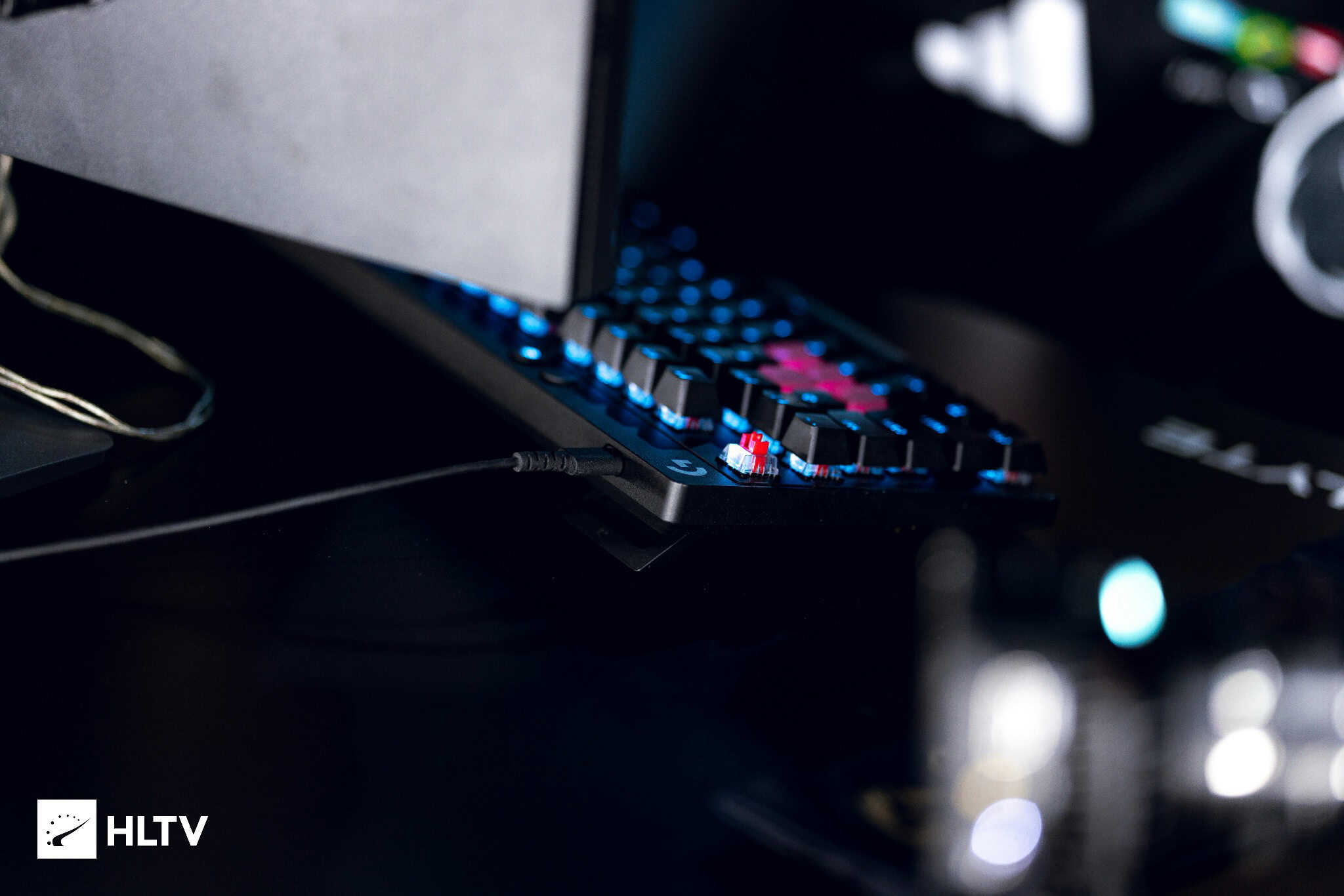
Professional-grade gaming equipment — precision matters at every level
What tournament travel looks like in real life
Team size isn’t five people
In Tier 1 esports, a “team” often travels as:
- 5 starting players + substitute
- coach(es), analyst(s), manager
- sometimes performance staff (sports psychology, physio, nutrition)
- sometimes content staff (photo/video, social)
That often means 8–15 people per organization, multiplied across 16–32 teams in a Major-scale event.

Team coordination — more than just five players on stage
The pattern is consistent—even when games are different
- Arrival: teams typically land several days before the main stage
- Daily routine: hotel ⇄ practice ⇄ venue, with media blocks and sponsor obligations
- Match days: earlier call times, buffer windows, late finishes
- Departure: staggered exits based on elimination timing
This is why esports transportation must be built around:
- fleet variety (sedans, VIP vans, minibuses, coaches)
- reliable dispatch + real-time comms
- a plan for “what if the schedule shifts”

Intense match play — split-second decisions

Player focus — concentration under pressure
Plan the movement map
Send us your schedule — We’ll build the transport plan (hotels, venues, airports, run windows)
Esports venue logistics: why timing becomes the product
Esports venues are technology-heavy environments with intense load-in windows, strict credentialing, and time locks tied to broadcast.
Key operational realities:
- stage calls and rehearsals can shift late
- match duration is performance-based, not clock-based
- security windows and credential checkpoints add variability
- player routines are highly protected (warm-up, nutrition, mental prep)
A mobility plan has to respect:
- quiet, low-friction arrivals
- predictable vehicle standards
- contingency routing
- the ability to scale up quickly

Official tournament presentation — every detail matters
What VanBudapest delivers for esports events
VanBudapest is a premium chauffeur operator—built for corporate and high-profile event work—now applied to esports with proven Major-level experience.
1) Team transportation packages
- Airport pickups with meet & greet and flight monitoring
- Hotel ⇄ venue shuttles with buffer windows and dispatch control
- Practice facility runs (including late-night flexibility)
- Multi-vehicle coordination for multiple teams arriving in parallel
- Discreet movement planning for high-profile teams or players

Team Vitality — World-class organizations require world-class logistics
2) VIP and executive movement
Perfect for:
- tournament executives and publisher representatives
- sponsors and partner leadership
- VIP guests and hospitality clients
- embassy-level or corporate stakeholders attending the event
3) Broadcast and production crew transport
- crew shuttles (stable routes + timing discipline)
- talent runs (casters/hosts with tight call times)
- flexible scheduling for media days, interviews, off-site shoots

Media obligations — coordinated transport for interviews and content
4) Group transport for events inside and outside the arena
- staff movements
- fan experience shuttles (when required by the organizer)
- coordinated group movements for conferences, partner dinners, after-events
5) A service structure that matches esports reality
Esports rewards the transport partner who can deliver:
- a calm single point of contact
- flexible rerouting without drama
- consistent chauffeur standards (discretion, professionalism, timing)
- fleet readiness (including backup options)

Professional gamer — focused and ready
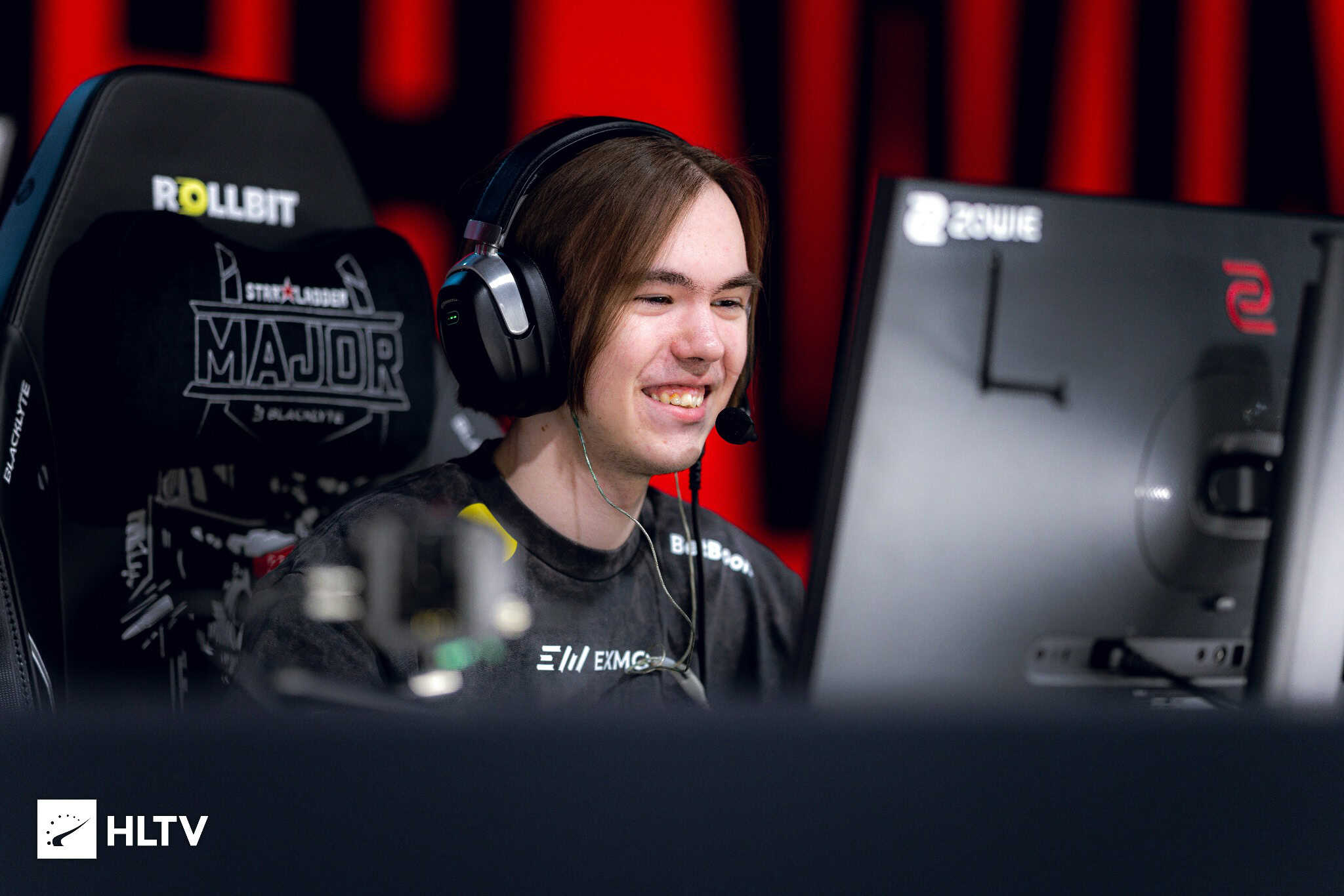
The human side of esports competition
Fleet options that map to esports use cases
VanBudapest operates a premium Mercedes-focused fleet designed for VIP and event work—useful because esports groups are rarely “one size.”
Typical use-case mapping:
- Executive + talent: Mercedes sedans (quiet, discreet, comfortable)
- Small groups: premium vans (ideal for staff, talent, small team units)
- Full teams: minibuses (players + staff + gear)
- Larger groups: coach buses (crew, staff, partner groups)
Operational advantage: You can keep the fleet consistent across stakeholders—teams, talent, sponsors—without mixing service levels.

Team leadership — coordinating victory on the world stage
What makes esports transportation hard (and how to build around it)
1) Unpredictable match timing
Unlike traditional sports, esports match length varies widely. Overtime, technical pauses, map selection, and broadcast pacing can shift the clock. The fix isn’t “guessing better”—it’s:
- flexible dispatch
- buffer strategy
- standby capacity where needed
- communication discipline (so nobody panics when the schedule moves)
2) Multi-stakeholder movement (with different standards)
Players and coaches need calm and routine. Sponsors want premium and punctual. Broadcast talent needs exact timing. Production crews need efficiency. Treating everyone the same causes friction. A good plan separates:
- team routes
- talent routes
- VIP routes
- crew routes

Victory celebration — the emotional heart of competitive gaming
3) The “invisible” requirement: discretion
High-profile esports organizations operate like elite sports teams. Quiet arrivals, minimal attention, and smooth transitions matter—especially when performance and pressure are high.
4) Travel fatigue and performance protection
International teams cross time zones. Comfort isn’t a luxury detail; it supports recovery. Reliable pickups, comfortable vehicles, and predictable scheduling help teams arrive ready—not depleted.

The next generation of esports talent
Key ecosystem elements include:
- Hungarian Esports Federation (HUNESZ)
- esports-oriented education initiatives (including university-level programs such as Óbuda University)
- domestic competition brands and championships
- a growing network of venues and gaming community spaces
Events and platforms that shaped the runway
- V4 Future Sports Festival (a major regional milestone event)
- PlayIT Show (local gaming convention scale and audience building)
- Venue ecosystem including Hungexpo and BOK Hall
Hungarian esports names people search for
If you’re building content, partnerships, or local storytelling, notable Hungarian esports figures often referenced include:
- Tamás “Vizicsacsi” Kiss (LoL)
- Ádám “torzsi” Torzsás (CS)
- Balázs “KODIAK” Török (legacy CS figure)
- Dani Bereznay (Formula 1 Esports)
For event organizers, these names matter less as “celebrity”—and more as evidence that the market has identity, talent, and continuity.

Championship celebration — the pinnacle of competitive excellence
Typical esports transportation workflows we support
Airport arrival workflow (teams + talent)
- flight tracking + adjusted pickup windows
- meet & greet signage and coordinated exits
- parallel arrivals (multiple vehicles timed in sequence)
- direct hotel transfers or routed stops for credentials, rehearsals, media
Daily movement workflow (multi-venue or multi-site)
- hotel ⇄ practice ⇄ venue loop planning
- fixed windows + flexible adjustments
- quiet arrival protocols for teams
- separation of routes (teams vs. talent vs. VIP)
Match day workflow (high variability)
- pre-call buffer strategy
- standby vehicle planning for delays
- post-match routing (media obligations, sponsor blocks, back to hotel)
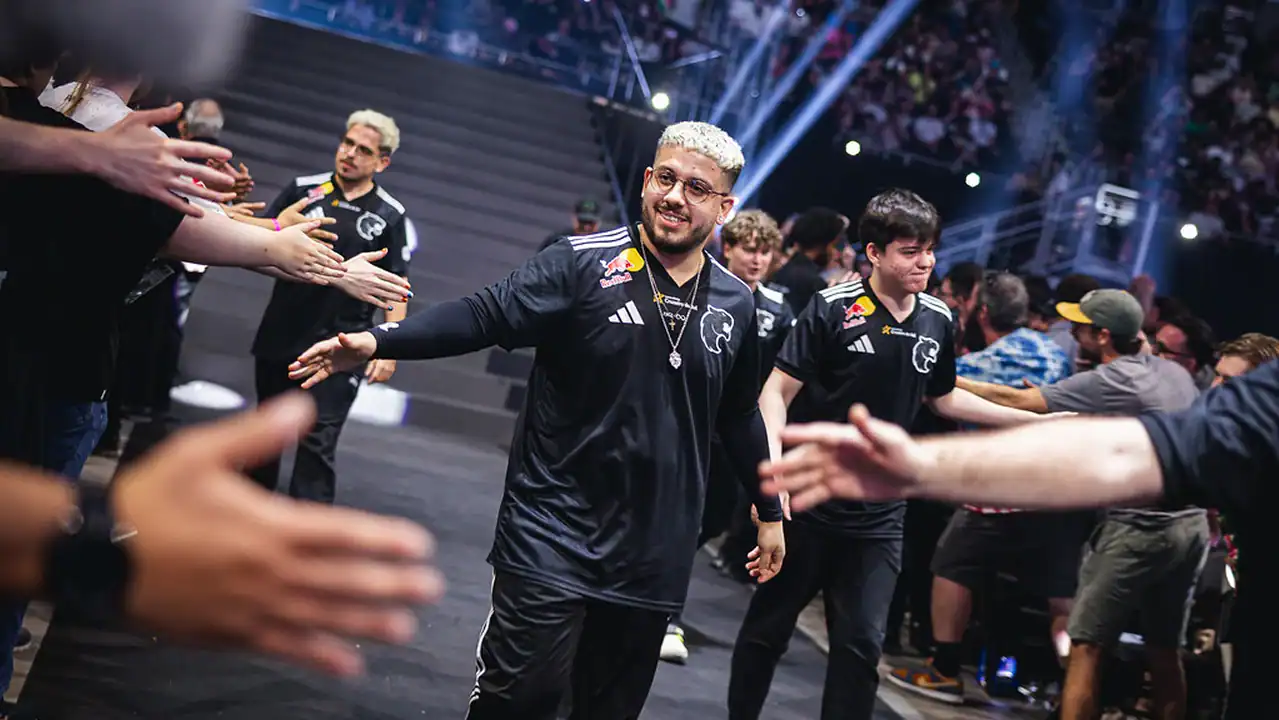
Behind the scenes — event logistics in action

Tournament atmosphere — where champions compete
Service area: Budapest, Vienna, Bratislava, and the region
VanBudapest is positioned for:
- Vienna event movement and airport connections
- Bratislava transfers and regional circuits
- Central European multi-city flows (Budapest–Vienna–Bratislava–Prague patterns)
- cross-border planning where tournament travel isn’t confined to one city
This matters because teams often:
- bootcamp in one city
- compete in another
- fly out from a different airport based on schedule and routing
How organizers use this page (search intent—handled properly)
This page is built to serve real searches from:
- tournament organizers looking for local ground partners
- team managers needing reliable daily transport
- broadcast/production leads coordinating talent and crew
- sponsors and VIP hospitality planners
- international teams preparing for Budapest and Central Europe
So you’ll find:
- direct, answer-ready definitions
- operational checklists in plain language
- venue and event context (Budapest Major credibility)
- service packages that map to actual esports needs
- FAQs that match how organizers and teams ask questions
Ready to lock in transport before the schedule fills up?
Share your event dates and venue list — get a clear plan and quote
FAQ: Esports Event Transportation in Budapest
1) What makes esports transportation different from traditional sports?
Esports match timing is performance-based and variable. Overtime, technical pauses, and broadcast pacing can shift schedules by minutes or hours—so transportation must be flexible, coordinated, and ready for real-time change.
2) Can you handle multi-venue tournaments in Budapest?
Yes. Multi-venue progression is common (group stages in smaller venues, playoffs in major arenas). We structure routes, buffers, and dispatch to keep teams and staff moving smoothly across sites.
3) Do you provide airport transfers for multiple teams arriving at once?
Yes. We coordinate staggered arrivals, parallel pickups, and multi-vehicle sequencing—supported by flight monitoring and meet & greet protocols.
4) Can you separate transportation for teams, talent, VIPs, and production crew?
Yes—and that separation is often essential. Different stakeholders need different timing, discretion levels, and routing. We plan dedicated flows so one group doesn’t disrupt another.
5) What vehicles are best for esports teams?
It depends on roster + staff size and gear. For many teams, premium vans and minibuses are ideal. For executives and talent, sedans and VIP vans provide privacy and comfort.
6) Do you operate late at night or on irregular schedules?
Yes. Esports schedules can run late, especially with scrims, media obligations, and match delays. We plan availability around the tournament reality, not a standard event timetable.
7) Can you support bootcamps and practice facility transfers?
Yes. Bootcamps often require daily transfers and flexibility. We can structure dedicated vehicles, time windows, and repeat routes for multi-week stays.
8) Do you offer fixed pricing or packages for events?
Yes. Many organizers prefer clarity: airport packages, daily shuttle packages, and multi-day event coverage can be quoted based on scope, teams, venues, and timing requirements.
9) What if match timing changes at the last minute?
That’s normal in esports. We plan with buffers, clear comms, and (when needed) standby capacity—so your transport doesn’t collapse when the schedule moves.
10) Are you a taxi or rideshare service?
No. VanBudapest is a professional chauffeur and event transportation provider—licensed, insured, scheduled, and coordinated for premium travel and event logistics.
11) Can you cover Vienna and Bratislava as well?
Yes. We operate across key Central European corridors, including city-to-city transfers and airport routing that supports multi-city tournament planning.
12) What information do you need to quote an esports event?
At minimum: dates, venues, hotels, airports, number of teams/stakeholders, approximate daily run windows, and whether you need VIP/talent separation or crew logistics.
Closing note for organizers and partners
If you’re planning an esports tournament in Budapest or across Central Europe, transportation should feel invisible when it’s done right: teams arrive calm, talent hits call times, VIP guests move smoothly, and the schedule can flex without breaking the day.
That’s what we built for—and what we proved at Major scale in Budapest.
Let’s Build Your Event Transport Plan
Professional esports logistics — proven at Major scale