Debrecen & Hortobágy Chauffeur Tours in Hungary
Debrecen & Hortobágy in One Journey —
The Calvinist Rome Meets the UNESCO Puszta
Debrecen and Hortobágy belong together. One is a confident, cultured city with deep Protestant heritage, contemporary art, and a surprising spa-and-park lifestyle. The other is the open horizon of the Hungarian Puszta — an iconic UNESCO World Heritage cultural landscape where shepherd traditions, native breeds, and birdlife still define the rhythm of the land. Together, they deliver a “beyond Budapest” experience that feels complete: architecture and history, nature and silence, gastronomy and festivals — at a pace you can actually enjoy.
VanBudapest curates this destination as a premium, private experience with a professional chauffeur — designed for travelers who want reliability, discretion, and seamless logistics. This is not a taxi or a rideshare. It’s a quiet, well-timed service that makes a full-day escape (or a multi-day itinerary) feel effortless, even when you’re covering city sights, museum schedules, national park programs, and countryside roads.
Why Travelers Choose Debrecen & Hortobágy
A rare mix: intellectual city + legendary countryside
Debrecen is often called the “Calvinist Rome” of Hungary — an identity rooted in the Great Reformed Church and the Reformed College (founded in 1538). It’s also a modern regional hub with a major university, contemporary culture, and a strong family-friendly side: parks, a zoo, and one of Hungary’s most enjoyable thermal-and-water complexes.
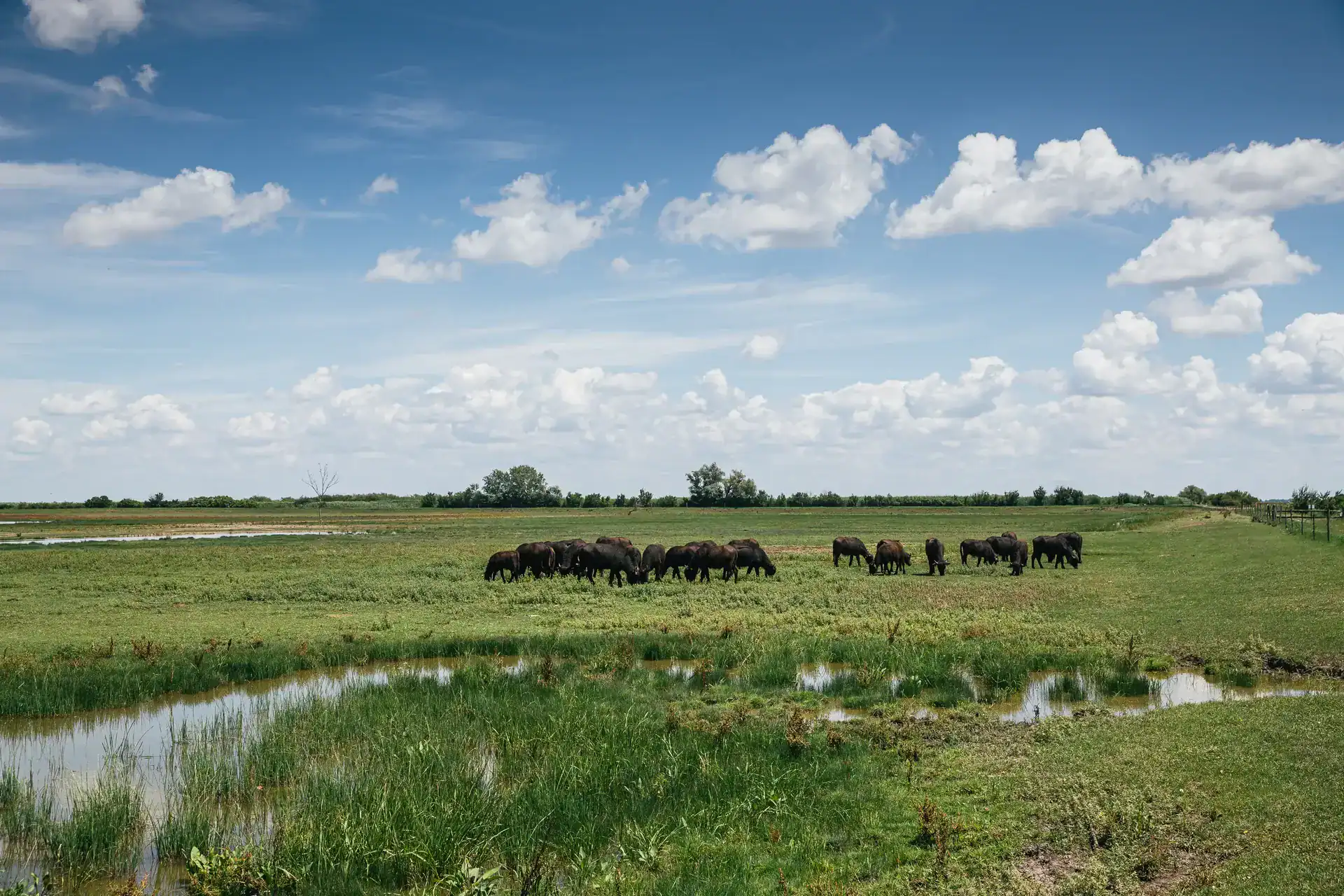
Hortobágy, less than an hour from the city, changes the atmosphere completely. The Puszta is not a theme. It’s an authentic landscape shaped by traditional grazing and gentle land use. The Nine-Arch Bridge, historic inns, herder heritage, native animals, and seasonal wildlife phenomena (especially crane migration) are part of what makes this region one of Hungary’s most distinctive travel rewards.
BOOK NOW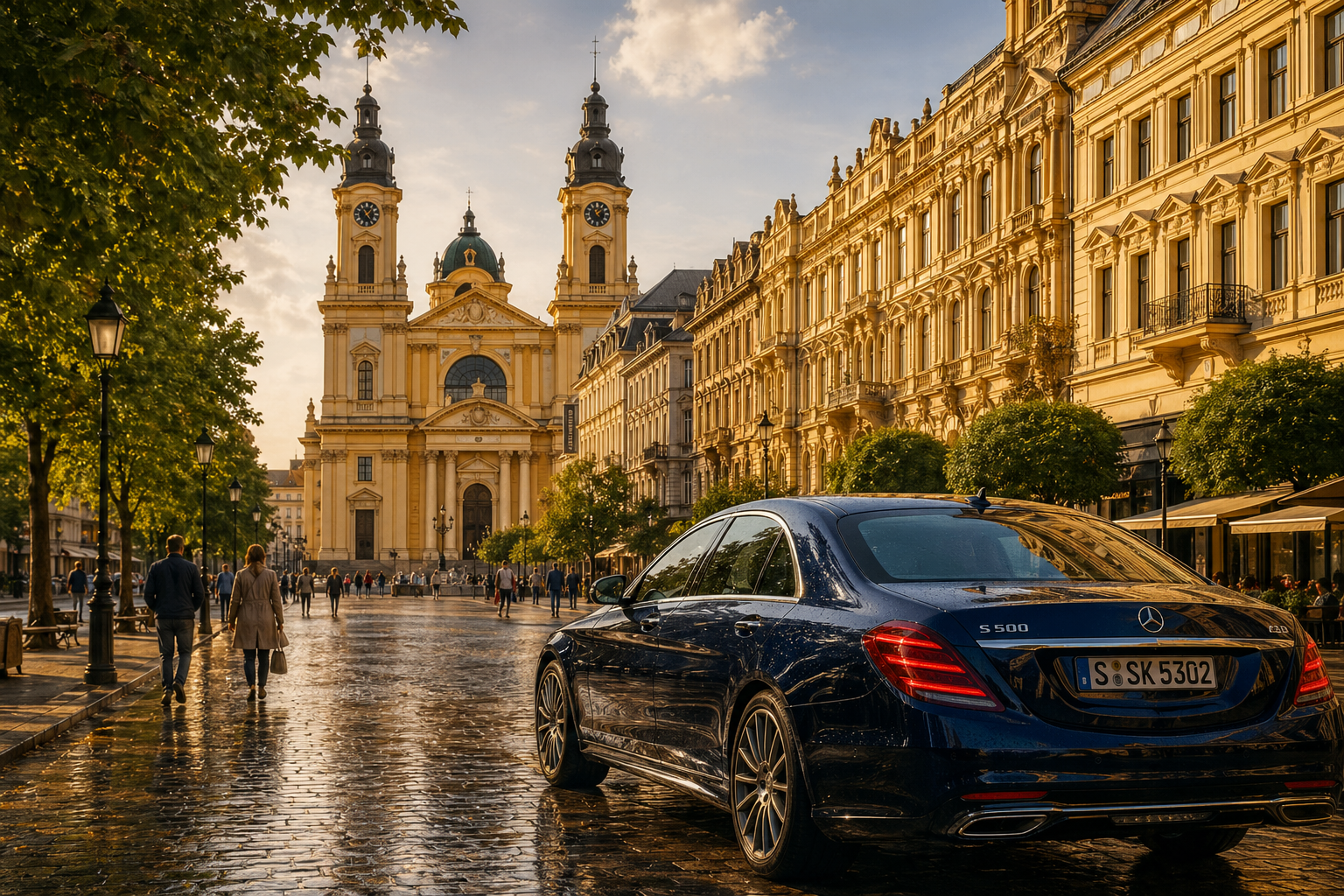
It’s close — yet it feels far away
Debrecen is roughly 220 km from Budapest; Hortobágy is about 36 km from Debrecen via Route 33. That proximity creates a perfect pairing: you can stay in Debrecen and do Hortobágy as a day trip, or you can combine both in a longer, slower itinerary where the city evenings and the Puszta mornings balance each other.
It’s flexible: family-friendly, culture-first, or nature-forward
Culture and history travelers come for the Great Reformed Church, the Reformed College Library and museum spaces, the Déri Museum (with the famous Munkácsy Christ Trilogy), and Debrecen’s walkable center. Wellness and comfort travelers come for the Great Forest (Nagyerdő) and Aquaticum’s thermal and leisure facilities. Nature, photography, and eco-travelers come for the UNESCO-listed landscape, wildlife parks, fishpond areas, birdwatching, the dark sky experience, and seasonal guided programs.
HOURLY RATESThe VanBudapest Approach: Private Chauffeur Service (Not a Taxi)
A destination like Debrecen + Hortobágy can be simple — or it can become a chain of small friction points: parking, timing museum slots, coordinating lunch, reaching rural programs on time, and returning comfortably after a long day. VanBudapest exists for travelers who don’t want those distractions.
What “chauffeur service” means here
A professional driver who plans the day with you, arrives early, and keeps the itinerary calm and on schedule. A premium vehicle suited to business travel, families, or small groups (sedans, luxury vans, and larger options as needed). Discretion and consistency for international guests, executives, and private travelers. Flexible structure: point-to-point transfer, airport pickup, or hourly service for multi-stop days.
If you’re deciding between “getting there” and actually enjoying the region, this is the difference. A taxi or rideshare solves a single ride. A chauffeur service protects the entire day.
Debrecen: The “Calvinist Rome” with a Modern Pulse
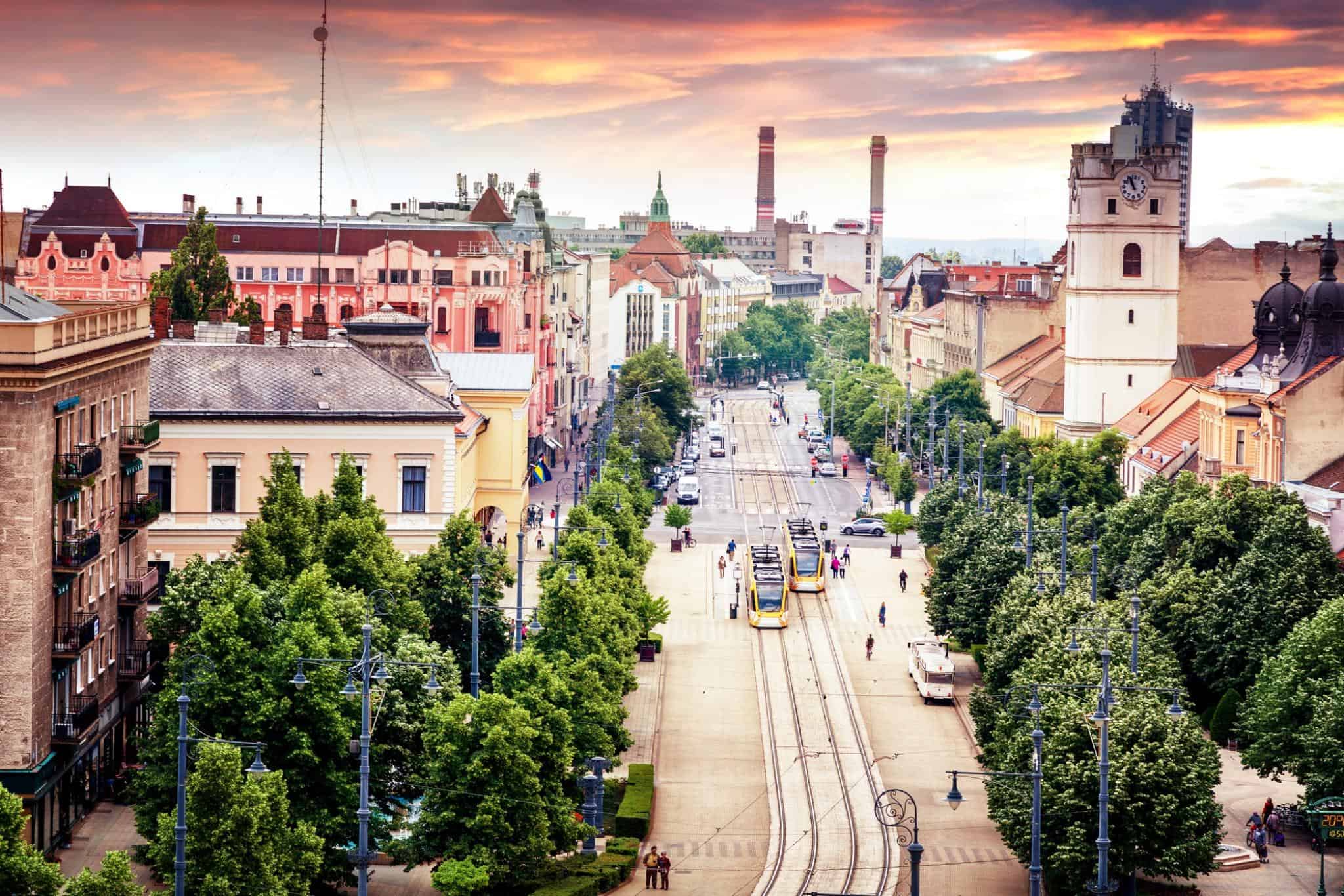
Debrecen is Hungary’s second-largest city and the cultural center of Eastern Hungary. Its identity blends civic pride, education, and faith — yet it’s also an easy city for visitors: a walkable core, a strong café-and-restaurant scene, and a park district that feels like a resort neighborhood.
Great Reformed Church (Nagytemplom) — the city’s symbol
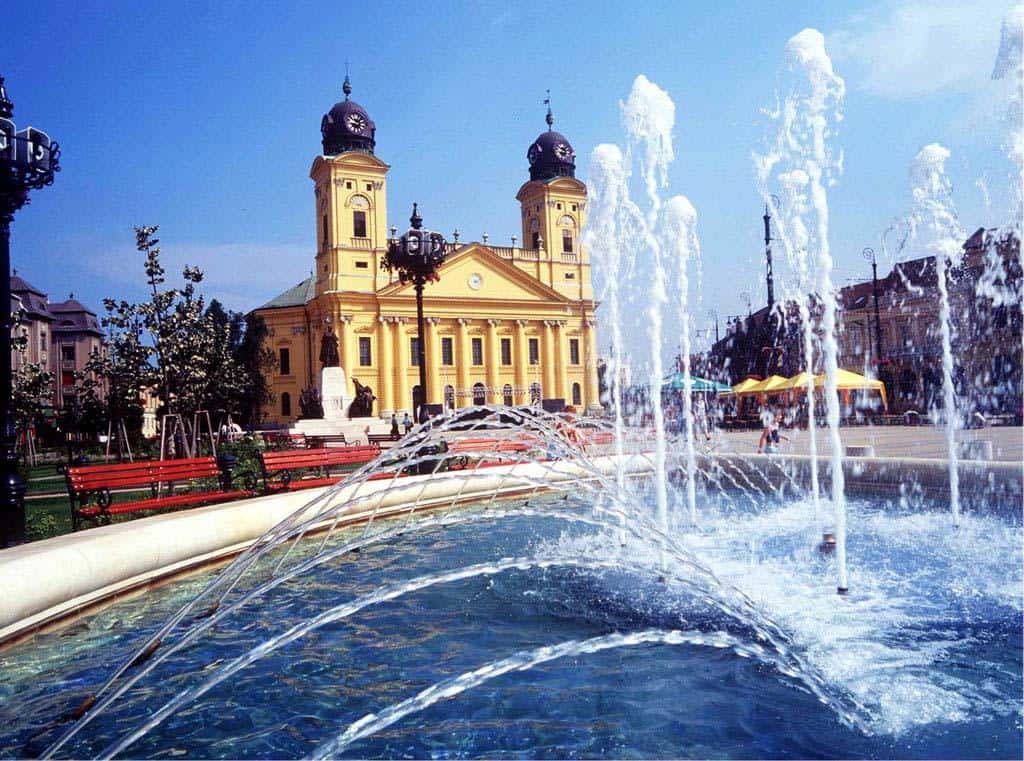
Debrecen’s Great Reformed Church is an essential first stop. It’s the most recognized landmark in the city and one of Hungary’s most important Protestant sites. The church is closely tied to national history — Debrecen briefly served as the political center during the 1848–49 revolution period, and the church remains a powerful symbol of civic identity.
Monumental presence on Kossuth Square. A clear sense of Debrecen’s Protestant heritage. A strong “anchor” stop before you explore the city’s museums and downtown streets.
Reformed College of Debrecen — founded in 1538
The Reformed College is one of Hungary’s most historic educational institutions. The library and museum spaces (including the Oratory linked to 1849 parliamentary history) turn it into a cultural destination, not only a school building. The atmosphere is academic, calm, and distinctly Debrecen.
BOOK NOWDéri Museum — home of the Munkácsy Christ Trilogy
The Déri Museum is among Hungary’s most significant regional museums, widely known for the Munkácsy Trilogy — three monumental paintings that are a highlight even for visitors who don’t normally plan museum-heavy days. This is Debrecen’s “deep culture” stop: art, history, and a sense of the region’s identity under one roof.
MODEM — Center for Modern and Contemporary Art
MODEM balances Debrecen’s historical weight with contemporary energy. It’s a major modern art exhibition space and has earned national recognition, including being named Museum of the Year (2025) in its category. For travelers who like cities with both heritage and present-day creativity, MODEM is the proof.
GET QUOTE IN 12H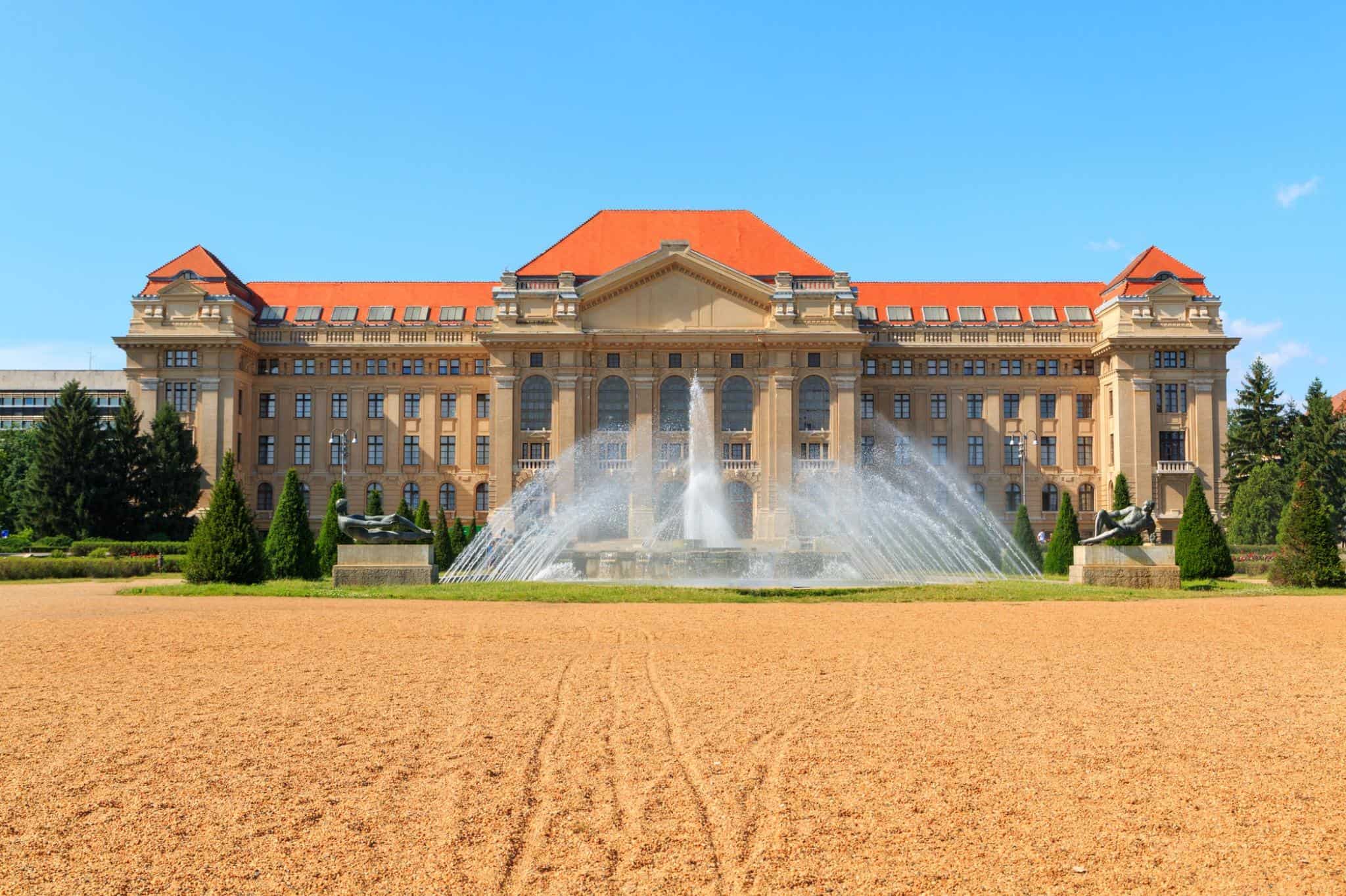
The Great Forest (Nagyerdő): Debrecen’s Best Lifestyle District
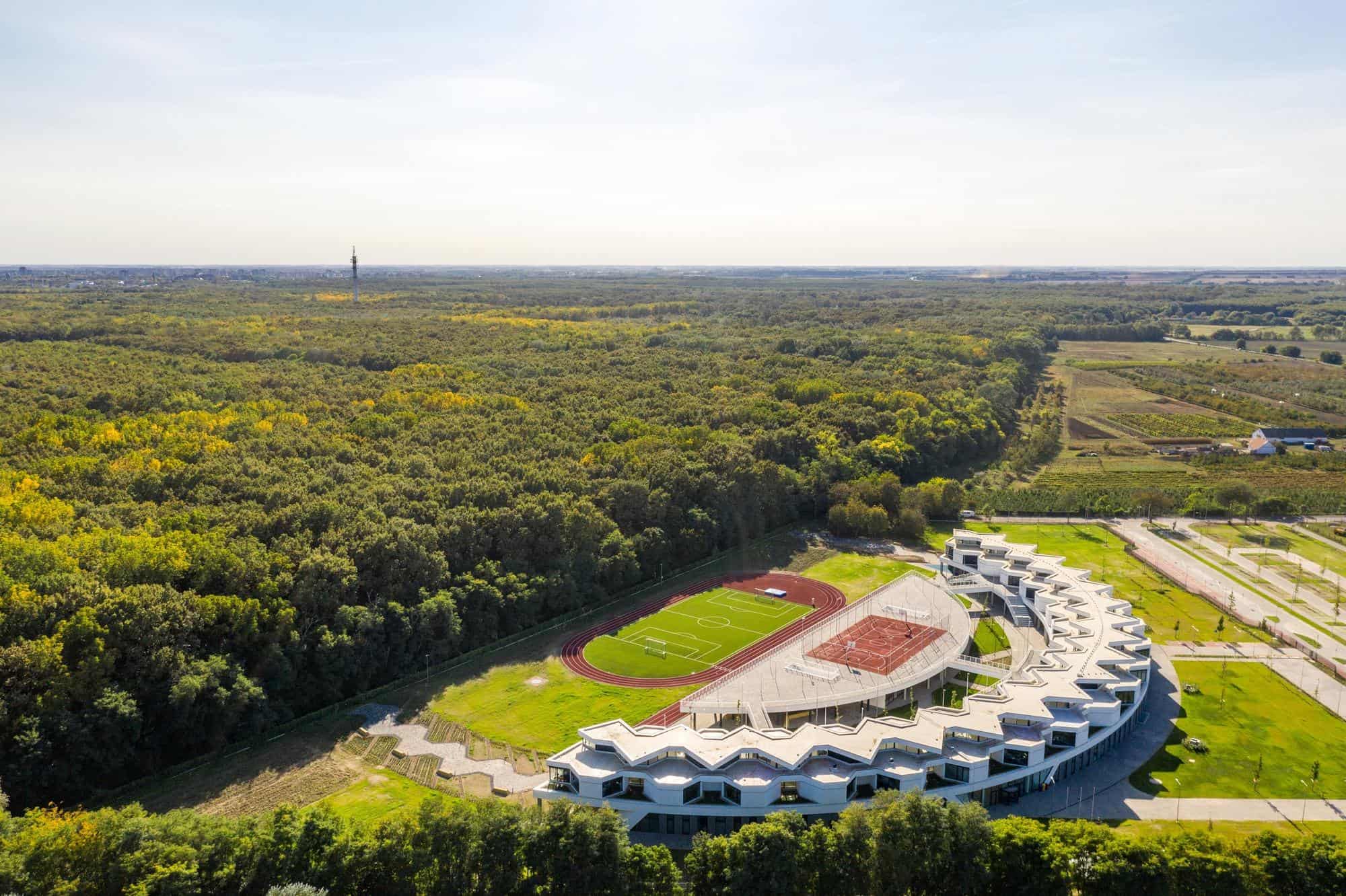
If downtown Debrecen is your cultural map, the Great Forest is your “breathing room.” It’s where families go to spend the day, where runners and cyclists move through long green corridors, and where travelers shift into a slower rhythm.
Great Forest Park + Békás Lake
Expect walking paths, relaxed scenery, and local life. The Békás-tó area is a natural pause between city attractions — ideal before lunch, after a museum, or in the evening when you want a softer moment.
Aquaticum: Debrecen’s spa-and-water experience
Aquaticum is one of the most popular “comfort attractions” in Debrecen: thermal bathing culture plus modern leisure features. If your itinerary includes a longer stay (or you want a true reset after travel), this is the place Debrecen quietly competes with many well-known spa towns.
Zoo Debrecen and family-friendly stops
The Debrecen Zoo (and its nostalgic small-train element within the zoo environment) makes the city especially appealing for family travelers. Combined with the Great Forest parks, it’s an easy “full day with kids” plan that still feels authentic — no forced entertainment, just good city infrastructure and local tradition.
FAST BOOKING FORMDebrecen Food Culture: From “Debrecen Sausage” to Modern Dining
Debrecen’s culinary identity starts with Debrecen sausage (often called the “Debreceni páros” because it’s traditionally sold in pairs). From there, the city expands into modern Hungarian kitchens, international restaurants, and relaxed street-food options.
Signature flavors to try
Debrecen sausage (spiced, smoky, traditionally served simply). Traditional Hungarian comfort dishes in generous portions. Desserts with local identity — you’ll see “Debrecen-style” cakes and pastry traditions in multiple places.
Restaurant mood guide
Classic Hungarian, downtown energy: Csokonai Söröző & Étterem. Modern, refined, locally rooted: IKON Restaurant & Lounge. Warm, cellar-style atmosphere: Flaska Vendéglő. Quick, casual street-food feel: Beer & Wurst (Brunch 69). International options: Govinda (Indian vegan), plus other European kitchens in the city.
A chauffeur day makes food choices easier: you can pick the place that fits your mood rather than the place that’s easiest to reach.
BOOK NOW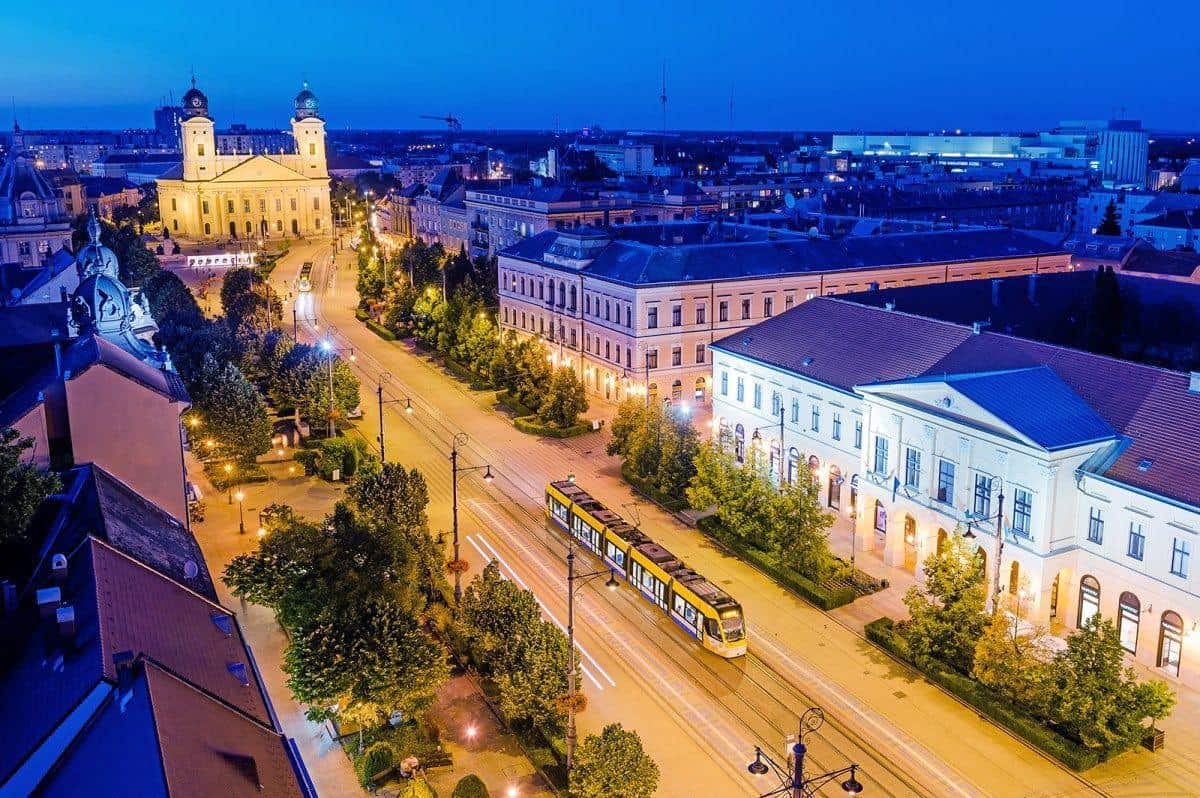
Hortobágy: The UNESCO-Listed Puszta, Alive with Tradition
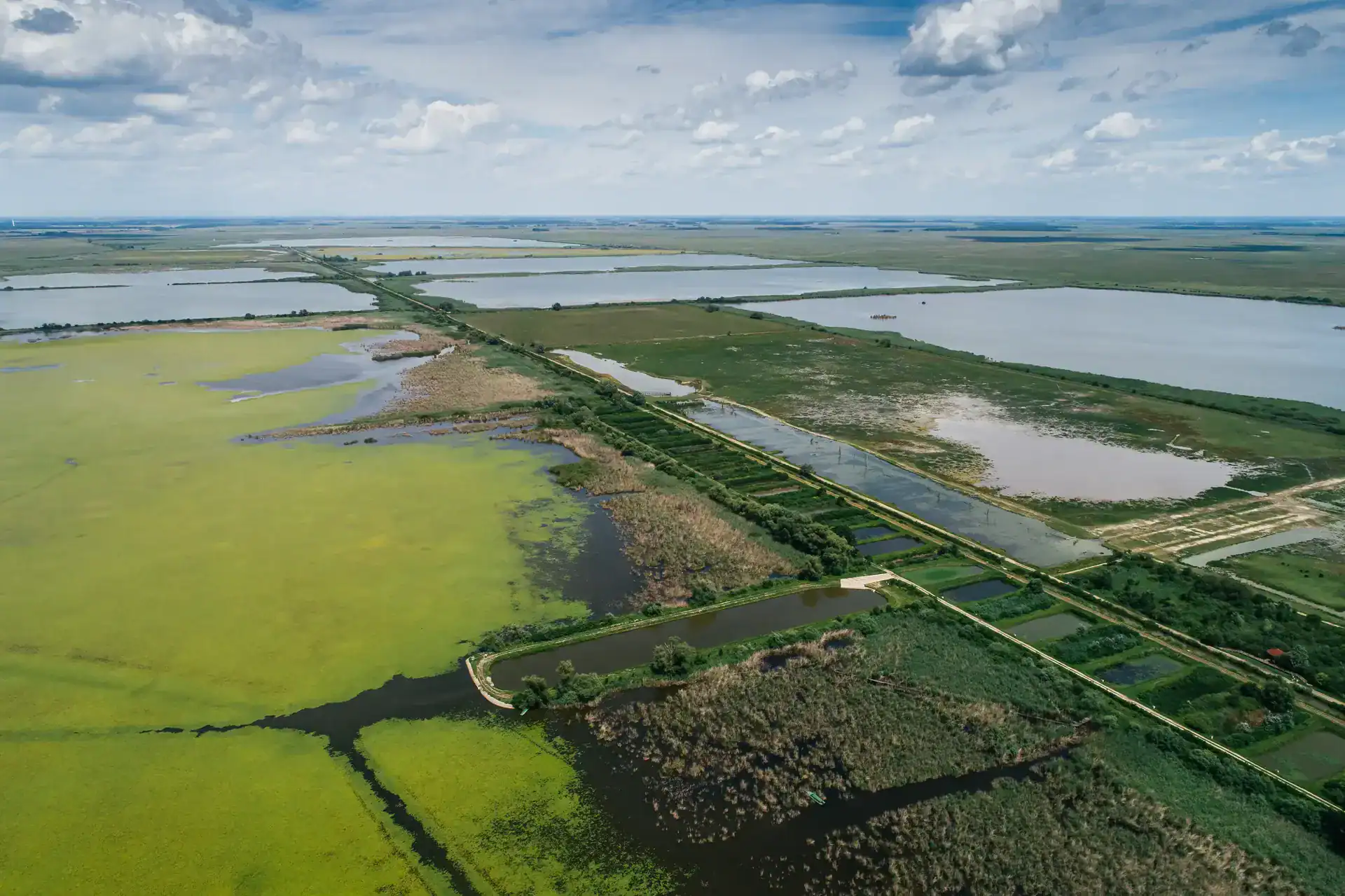
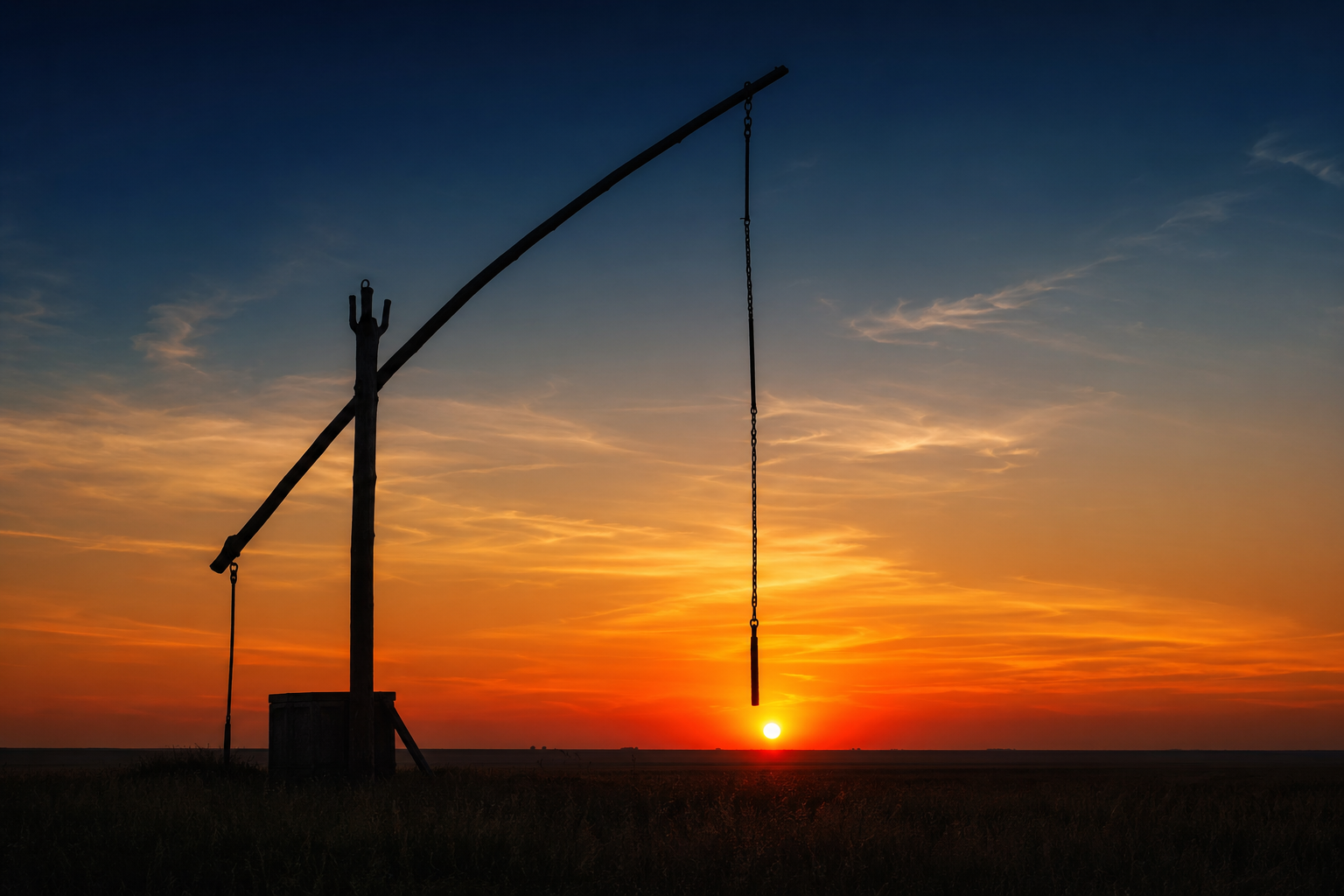
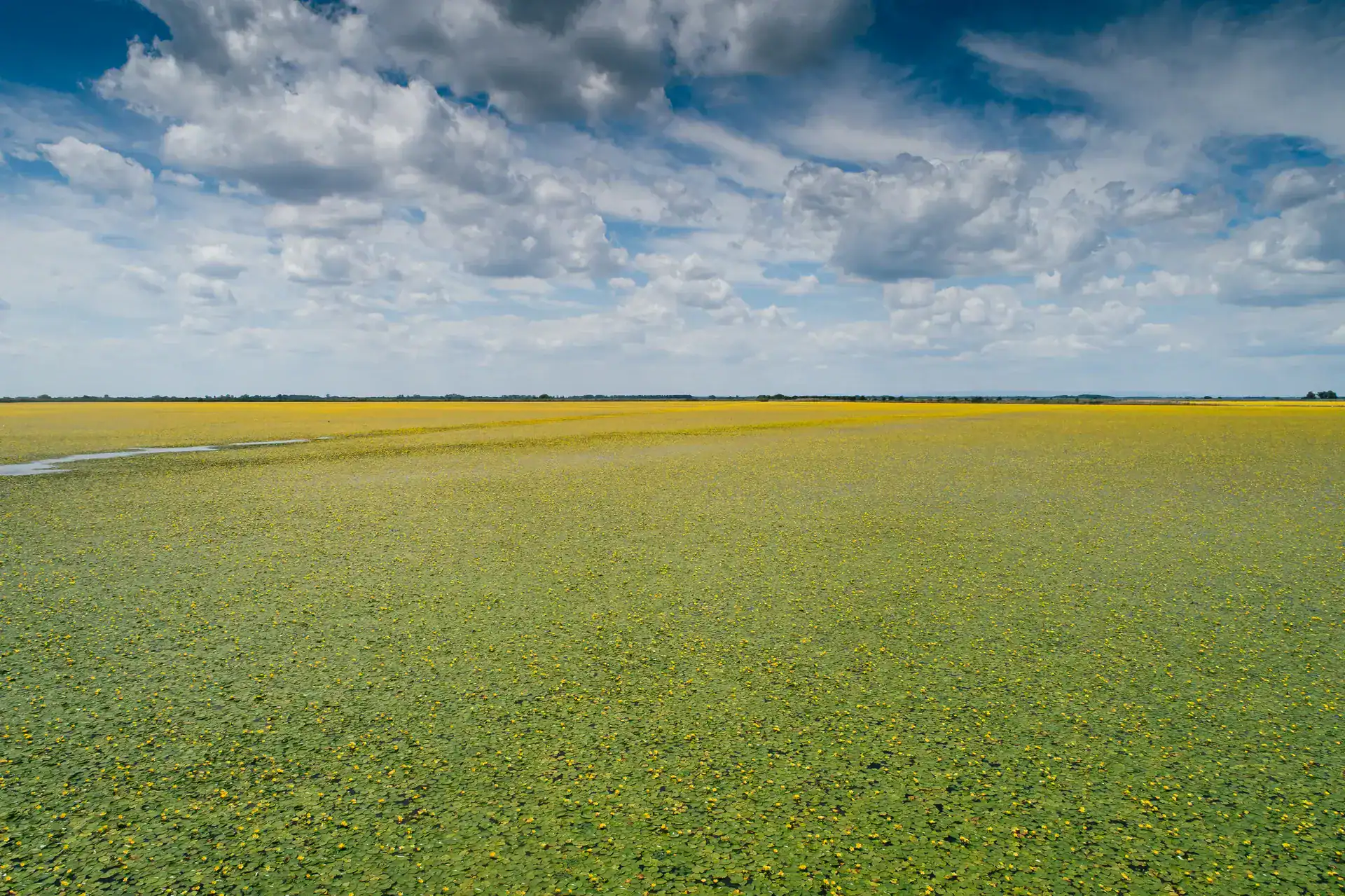
Hortobágy is not “just nature.” It is a cultural landscape: an environment shaped by pastoral life, traditional grazing, and a human relationship with the land that UNESCO recognizes as world heritage. For first-time visitors, the emotional impact is real: the horizon feels endless, the sky feels larger, and the silence is part of the attraction.
The Nine-Arch Bridge (Kilenclyukú híd)
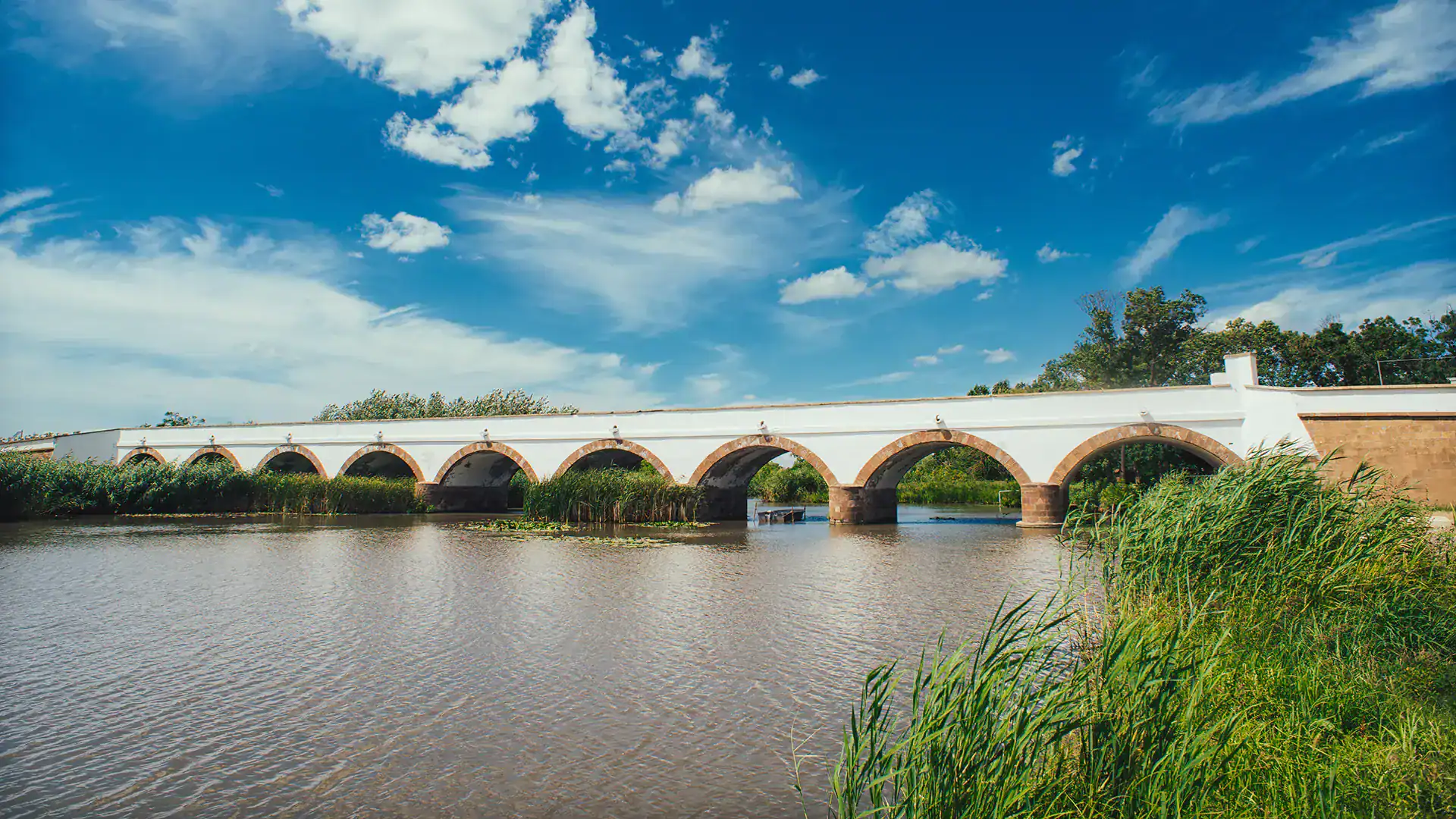
The Nine-Arch Bridge is the visual symbol of Hortobágy. It was completed in 1833, and at 167.3 meters it is widely cited as Hungary’s longest road stone bridge. What visitors often love is not only the bridge itself — but how it sits inside the flat landscape, turning a simple crossing into an iconic scene.
Hortobágy National Park experiences
Hortobágy National Park is known for its protected landscapes, visitor programs, and nature-based interpretation. A well-planned visit can include a visitor-center style introduction to the Puszta, wildlife-focused stops (including managed areas and parks), and seasonal birdwatching programs — especially during migration.
BOOK NOWWildlife: the Wild Animal Park and protected species stories
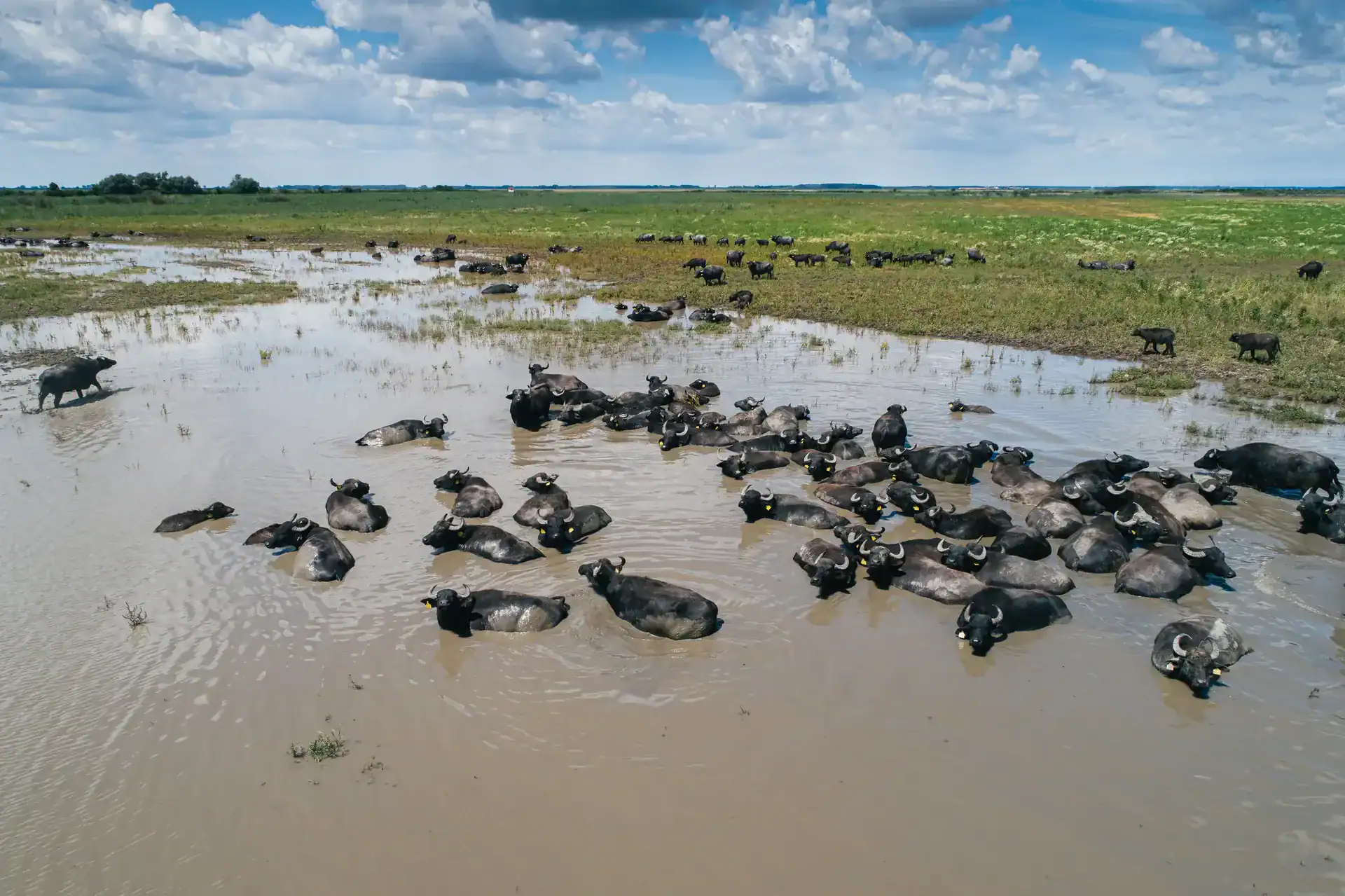
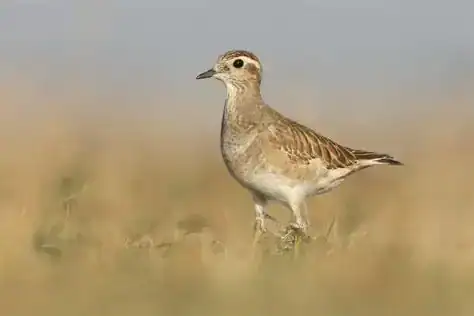
Hortobágy’s wildlife experience is more than “seeing animals.” It’s about understanding the region’s ecological value — wetlands, steppe habitats, and protected species. For travelers who want a structured, interpretive stop, the Wild Animal Park concept adds clarity: you see the landscape, and then you meet the animals and the conservation narrative behind them.
Horse culture and herder tradition: the living legend
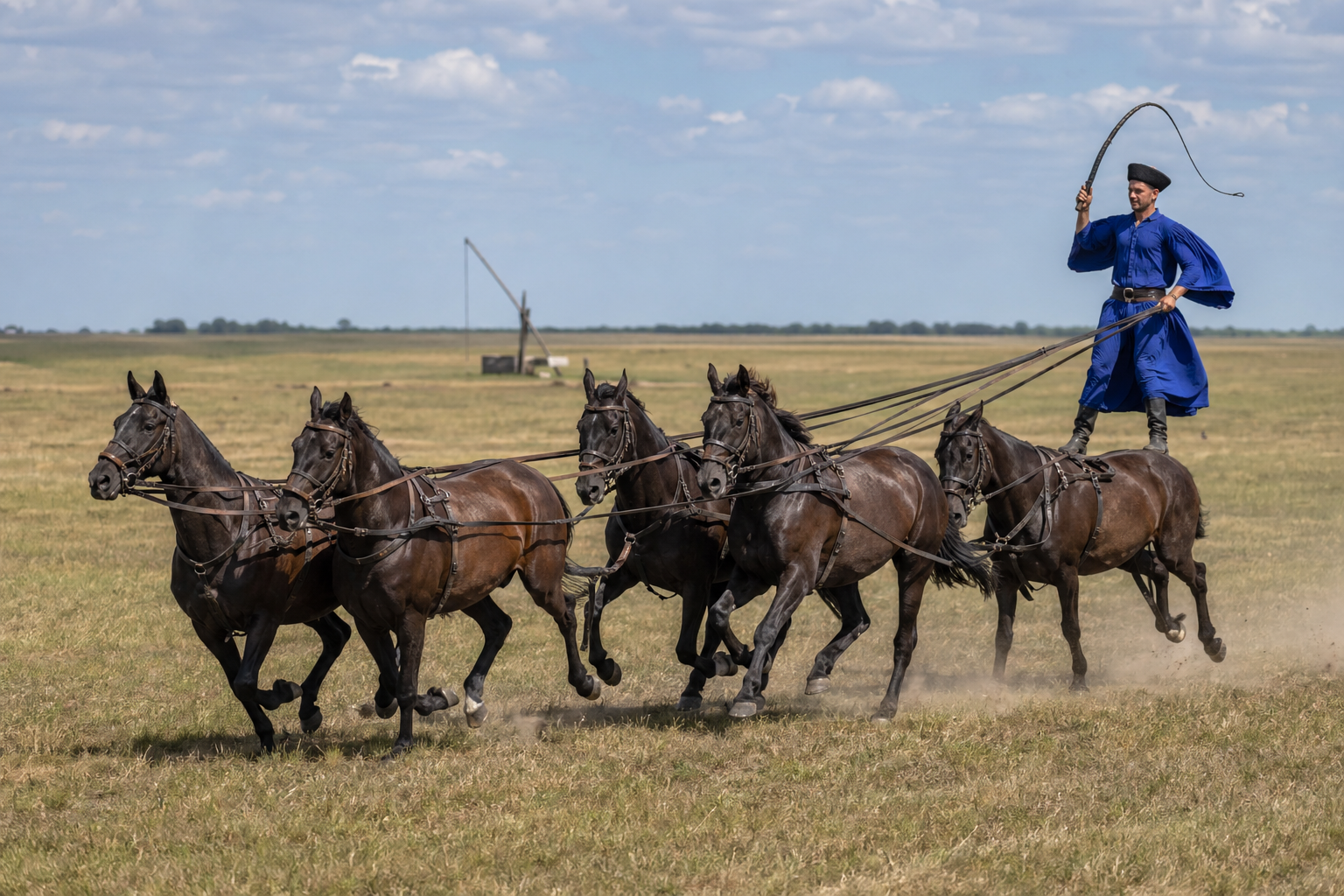
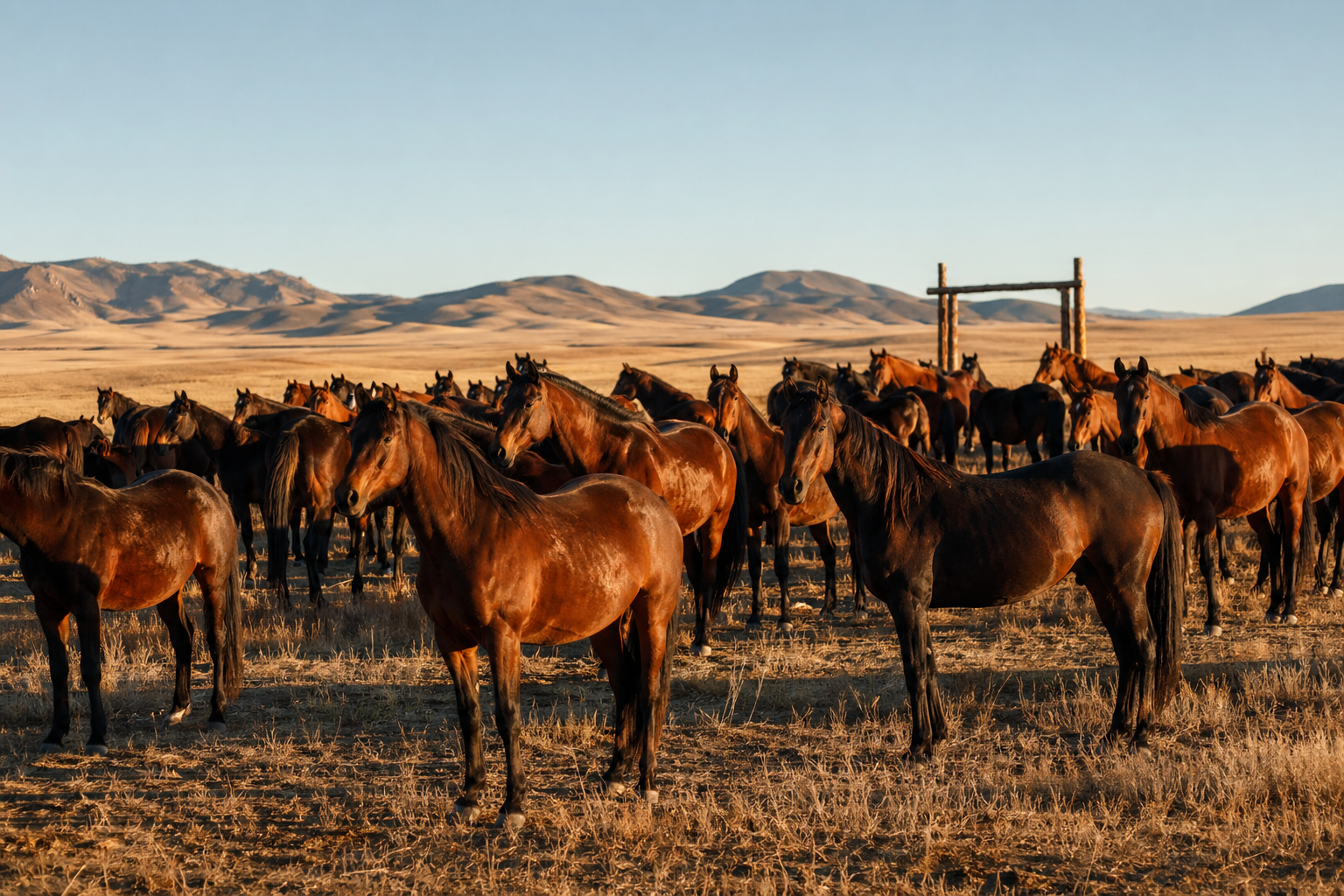
Hortobágy’s identity is inseparable from horse and herding tradition. The csikós horsemen, the stud farm culture, carriage rides, and demonstrations are not staged “folklore” in the shallow sense — they are rooted in a working heritage that shaped the region.
Seasonal Magic: Nature Phenomena and the “Big Sky” Feeling
Crane migration (Daruvonulás)
Hortobágy sits on major migration routes, and crane migration season can become one of the most powerful nature experiences in Hungary. When the timing aligns, guided observation turns into a true once-in-a-lifetime moment — large flocks, sunset movement, and a landscape that feels designed for photography.
Dark-sky atmosphere and stargazing potential
Because Hortobágy is so open and lightly built up, the night sky becomes part of the destination. On clear evenings, the “big sky” experience is not marketing language — it’s simply what happens when you’re away from dense city light.
BOOK NOWTaste of the Puszta: Hortobágy Gastronomy
Hortobágy’s cuisine is tied to the logic of the plains: food that could be made outdoors, over a fire, using accessible ingredients — then refined over time into regional icons.
What to try in the Hortobágy region
Hortobágy-style fish soup (halászlé). Hortobágyi meat pancakes (Hortobágyi palacsinta) — a nationally known dish associated with the Hortobágy name and served widely. Slambuc (öhön) — a classic pastoral dish made with potatoes and pasta, traditionally prepared in a pot outdoors. Dishes using Hungarian Grey Cattle, mangalica, and other heritage ingredients when available.
The “csárda” experience
A traditional inn (csárda) meal near the bridge has a specific atmosphere: whitewashed walls, rustic warmth, and a sense that this is how travelers have paused in Hortobágy for generations. The food is part of the landscape story.
GET QUOTE IN 12H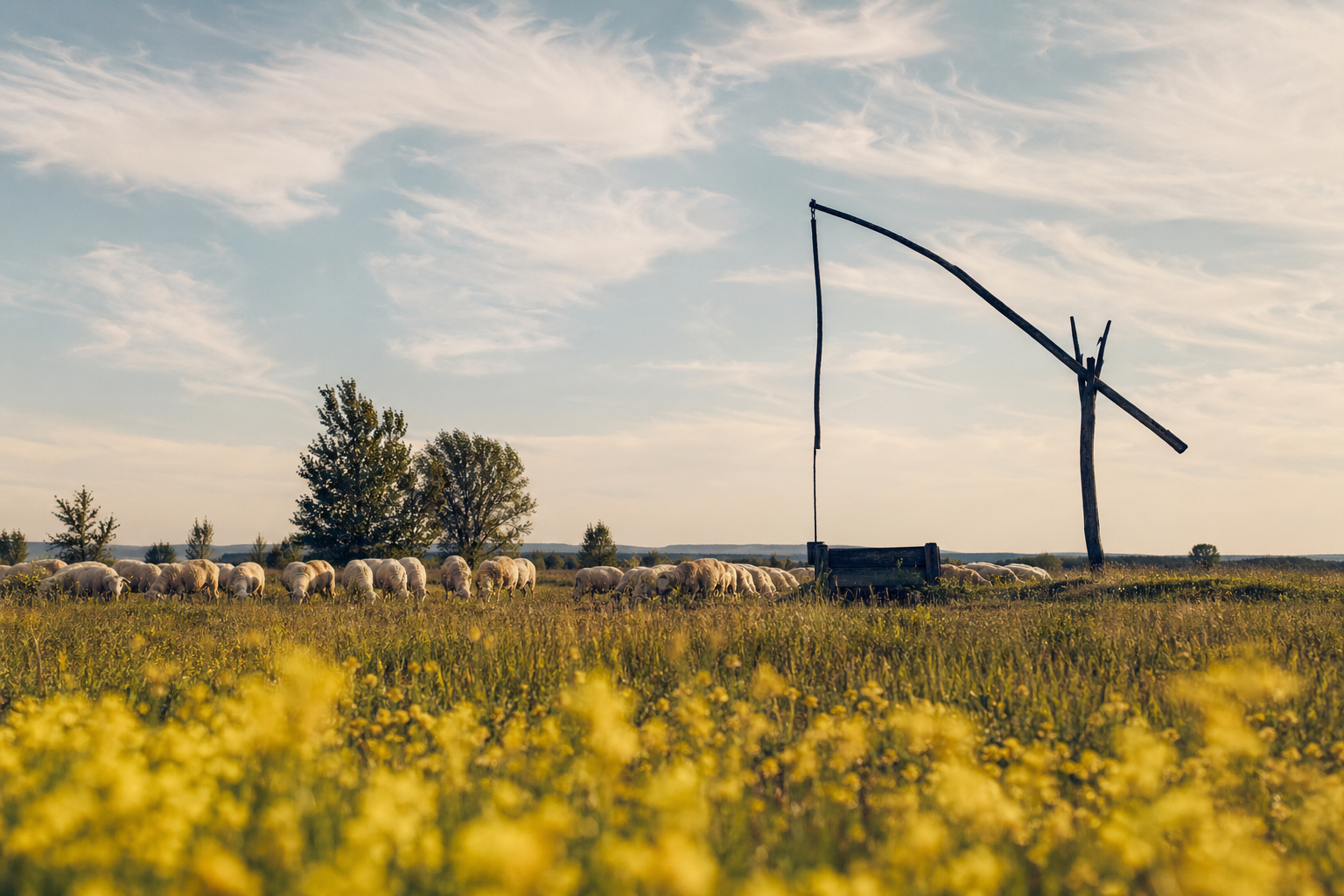

Events Calendar: When to Plan Your Trip
Debrecen and Hortobágy shine on regular weekends — but the festival calendar adds a second layer of travel value. If you can time your visit, you can experience the region when it feels most alive.
Debrecen Flower Carnival (Virágkarnevál)
This is one of Hungary’s best-known annual events. For 2026, multiple sources list the carnival week around August 18–23, 2026, with the national holiday focus traditionally aligned with August 20.
Campus Festival (Debrecen, Great Forest)
A major summer music and cultural festival set in the Great Forest area. Official festival channels list July 22–26, 2026.
Debrecen Advent / Christmas Market season
Late November through December brings a slower, atmospheric version of the city: seasonal food, crafts, and winter light in the downtown core.
Hortobágy’s signature seasonal culture
Hortobágy’s calendar is built on tradition: spring turnout celebrations, summer horse days, autumn fairs, and the crane-focused nature season. If you want the “living heritage” feel, these dates matter.
BOOK NOWPractical Travel: Getting There and Getting Around
From Budapest to Debrecen
By road: approximately a little over 2 hours depending on traffic and routing. By train: frequent intercity connections to Debrecen. Debrecen Airport also supports the city’s international character and can make this region more accessible for travelers who want alternatives to Budapest arrivals.
From Debrecen to Hortobágy
Hortobágy is about 36 km from Debrecen via Route 33, often around 30–40 minutes by car depending on conditions.
Why a private driver changes the experience here
Public transport can be workable, but it doesn’t always match the rhythm of museums, lunch reservations, national park programs, and “stay for the sunset” moments. With a chauffeur, you can start earlier for quieter sightseeing, adjust timing based on weather and crowds, add stops (a lake walk, a viewpoint pause, a local market) without logistical stress, and return comfortably after a full day — especially valuable for families and executive travelers.

Suggested Itineraries — Designed for Real-Life Travel
OPTION 01
Full-Day Private Tour from Budapest
Best overallMorning: Depart Budapest early with a calm, direct drive. Arrive Debrecen for Great Reformed Church + Kossuth Square walk. Continue to the Reformed College and/or a museum stop.
Midday: Lunch downtown (classic Hungarian or modern dining). Short walk on Piac Street for the city’s everyday atmosphere.
Afternoon: Transition to the Great Forest: a gentle park break, zoo with children, or Aquaticum (time allowing).
Late afternoon / early evening: Drive to Hortobágy for the Nine-Arch Bridge and the Puszta horizon. Seasonal add-on: birdwatching window near sunset when nature is most dramatic.
Return: Private return drive to Budapest — quiet, comfortable, no late-night logistics.
BOOK NOWOPTION 02
Two Days: Debrecen First, Hortobágy Second
Ideal for immersive travelDay 1 — Debrecen: Great Reformed Church + Reformed College. Déri Museum and/or MODEM. Downtown dinner + relaxed evening walk.
Day 2 — Hortobágy: Nine-Arch Bridge and heritage area. Wildlife-focused program (parks / visitor experiences). Horse culture and local gastronomy. Sunset and return.
BOOK NOWOPTION 03
Three Days: The “Complete” Experience
For travelers who want depthDay 1: Debrecen history + downtown exploration.
Day 2: Great Forest + Aquaticum wellness day.
Day 3: Hortobágy UNESCO landscape + cultural tradition + nature.
This longer format is ideal if you want to feel the place — not just check the sights.
BOOK NOWFrequently Asked Questions
Is Debrecen worth visiting if I’ve already seen Budapest?
How much time do I need for Hortobágy?
What is the Nine-Arch Bridge and why is it famous?
When is the best season to go?
Is this a good destination for families?
Can VanBudapest handle multi-stop days and custom timing?
Can I combine airport pickup with a day tour?
How far is the drive from Budapest?
Gallery: Debrecen & Hortobágy Through Our Lens