
Independent conference guide · December 2–4, 2026
Geo-Engineering in Budapest: From Measurements to Decisions
A geo-engineering conference in Budapest will examine the route from collecting measurements to using them in engineering decisions. The 6th International Conference on Information Technology in Geo-engineering, or 6th ICITG, is scheduled for December 2–4, 2026, at the Budapest University of Technology and Economics, known as BME.
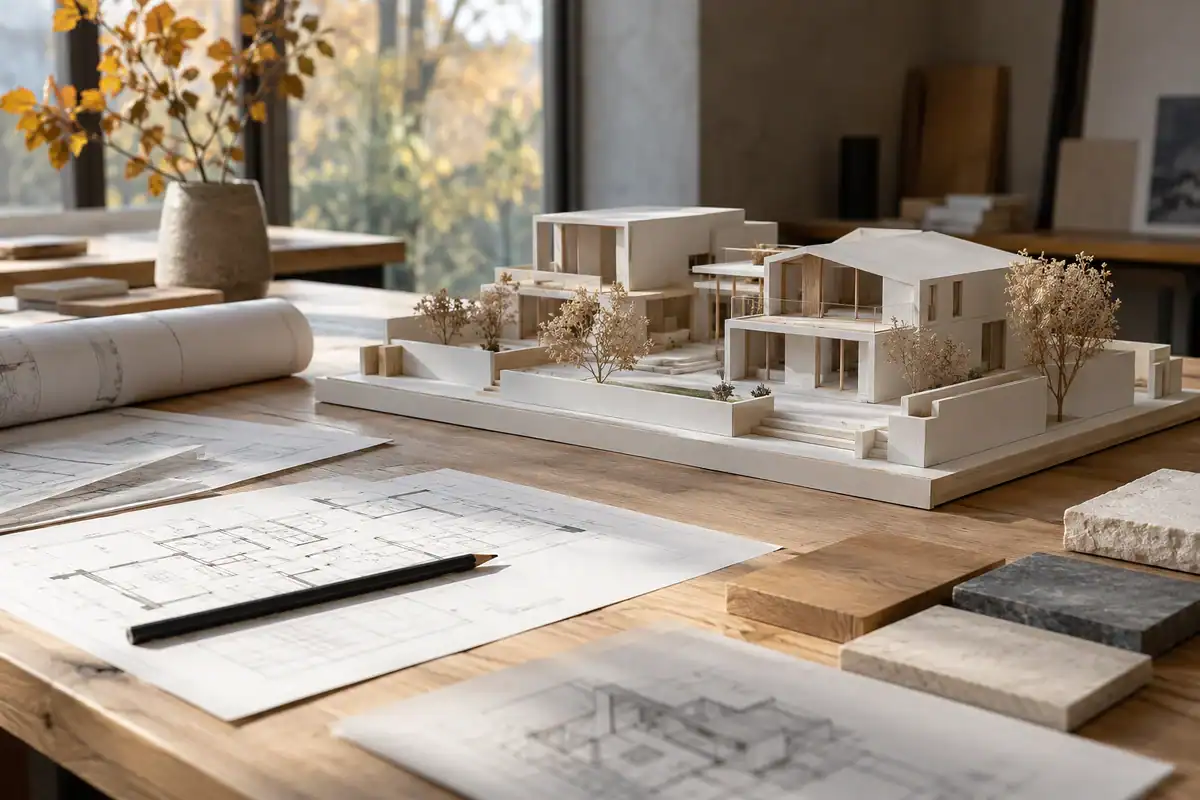
Cover image: AI-generated illustration of an imagined design studio. It does not depict a BME laboratory, a conference exhibit or a validated engineering model.
- Dates
- December 2–4, 2026
- Venue
- BME central K building
- Address
- Műegyetem rakpart 3., 1111 Budapest
What connects the conference themes
The official scope brings together sensing, geotechnical instrumentation, data collection, 3D geological modeling, building information modeling, artificial intelligence and machine learning. Engineers, scientists, researchers and educators are among the intended participants.
Think of the subjects as a sequence of questions. What was measured? How was it represented? What assumptions entered the model? And what decision does the resulting information support? That sequence offers a way into the conference even when individual methods sit outside your own specialty.
Look beyond the technology’s name
The published special-session themes include human factors in underground spaces, sensing and data integration for tunnels, distributed sensing, and the use of data in tunnel boring. Further themes cover geo-energy infrastructure and AI in geo-engineering.
Education and sustainability also appear in the program. Those sessions widen the discussion to professional judgment, environmental and social impacts, and how future engineers learn to work with complex information. They are useful reminders to ask what a technical result means for the people making or experiencing a decision.
At the research check for this guide, the program page listed confirmed special-session themes rather than a timed daily agenda. Treat these as areas of discussion. Check the organizer’s later updates for the order, room assignments and times of the presentations you want to attend.

A useful question about three-dimensional data
A 2024 research review indexed by the U.S. Geological Survey examines 3D remote-sensing data for landslide assessment. It discusses data sources, benefits and limitations, processing methods and applications. This provides background for one of the broader questions behind digital geo-engineering: what additional information does a representation reveal, and where are its limits?
For a conference discussion, consider asking how a method was checked, what observations were available and which conditions it has been tested under. A clear explanation of a limitation can be as useful as an impressive visualization.
Keep these questions at the level of professional exchange. A conference presentation is a starting point for examining evidence; choosing a method for an actual project requires its own appropriate technical review.
Prepare one case and a short set of questions
Choose a nonconfidential example from your own work or study before traveling. It might concern a gap between measurements and a model, difficulty explaining a result, or a decision that several disciplines interpret differently. You do not need a polished success story to frame a useful conversation.
Write down what you know, what remains uncertain and what you hope to compare. If you attend with colleagues, divide the themes according to those questions and arrange a time to exchange notes. Keep permission to share project material separate from the convenience of having it on a laptop.
After each discussion, record the next step you can actually take: read a paper, compare a definition, ask about a dataset or contact a researcher through the appropriate professional channel. That makes the visit easier to carry back into everyday work.
Registration and the BME destination
The venue is the university’s central K building at Műegyetem rakpart 3., 1111 Budapest. Use that building identification when planning the final part of the journey to the Danube-side campus, and check the conference’s entry instructions when they are issued.
The conference homepage currently lists November 15 as the registration closing date. Its registration page also makes an important distinction: submitting a paper, or having one accepted, does not automatically register the participant. Each attendee must complete registration.
Check the organizer’s current attendance terms and payment instructions directly. Confirm any language, access or assistance arrangements you need, as well as the final program, before fixing appointments around the conference. This guide does not promise remaining places, a fee or a particular presentation time.
VanBudapest.com is not affiliated with the organisers; this article is for information only.
Sources
Dates, venue, program themes and registration information checked October 25, 2026. Use the conference’s own pages for the latest attendance details and timetable.
- 6th ICITG — official conference scope and key dates
- 6th ICITG — confirmed special-session themes
- 6th ICITG — central K building venue
- 6th ICITG — participant registration information
- BME — conference submission portal
- IAEG — Budapest conference listing
- U.S. Geological Survey — review of 3D remote sensing for landslide assessment
Independent service notice
VanBudapest.com is an independent chauffeur and passenger transport provider. References to hotels, venues, events, organisers and third-party brands are for identification and travel information only and do not indicate any affiliation, sponsorship, endorsement or official partnership. Bookings through VanBudapest.com are made directly with us. Third-party names and trademarks belong to their respective owners.