
Zsámbék Missile Base: The Cold War Bunker Day Trip You’ll Talk About for Weeks
A hilltop of pads, berms and corridors that once protected Budapest’s skies — now a protected monument you can actually walk into. Part learning, part goosebumps, all perspective.
The first time you crest the road toward the Zsámbék Missile Base, the landscape does something sly: it looks pastoral, almost gentle, then suddenly turns geometric. Pines give way to slabs of concrete. A hilltop opens into a disciplined pattern of pads, berms, and corridors that once belonged to a single job—protecting Budapest’s skies.
We came for a military-history day out with the girls, the kind we’ve learned to love: part learning, part goosebumps, part laughter when someone discovers yet another passageway disappearing underground. We left with dusty shoes, a head full of Cold War vocabulary, and the strange calm that only wide horizons and heavy history can deliver.
We also left with a small frustration familiar to anyone who attends serious reenactment events. Some of our best photos can’t be shared online because period-accurate kits can include banned symbols that are legal to display only within strict historical contexts and still inappropriate to publish. It’s a shame, because the atmosphere was extraordinary. But it also underlines what makes this place different from a tidy museum: Zsámbék doesn’t flatten history into a display case. It lets it breathe—carefully, imperfectly, and often powerfully.
A Cold War ring around Budapest, written into the hillside
Zsámbék’s missile base is not a medieval ruin or a romantic fort. It’s a late-20th-century instrument, built for speed, procedure, and deterrence. The site was part of Hungary’s Cold War domestic air-defense network—one of the facilities intended to help protect the capital region. The core layout is unmistakably military: a central radar position with launcher areas arranged in a clear, planned geometry, supported by service structures, shelters, and protected spaces designed to keep people and equipment functioning under pressure.
Even if you’ve toured bunkers in Budapest or walked the cavernous systems under Castle Hill, this feels different. Those spaces often tell stories of survival. Zsámbék tells stories of readiness.

Site Dossier — Field Intelligence
Its afterlife is part of the appeal: cultural programs, exhibitions, and scheduled open days have turned a once-closed military footprint into an interpretive space people can actually enter and experience. One season you’ll catch a retro-themed open day; another, a military-cultural festival with international participants; on some dates the focus leans educational, with youth-oriented programs that make history tangible rather than theoretical.
What you actually see on site: concrete choreography and an underground heartbeat
A lot of former military sites rely on imagination. Zsámbék rewards your eyes. The terrain still reads clearly: the launcher positions, the protective structures, the central operational heart. There is a thrill in that clarity—like reading a diagram drawn at full scale across a hillside.
The most memorable element for many visitors is the underground component: an exhibit space located in the former command/bunker environment, deep below ground. You feel the temperature shift as you descend. Sounds change. The outside world thins out. Then you’re confronted with the practical reality of how a base like this worked: communications, procedures, the logic of layered defense.
Above ground, the site opens wide again. It’s easy to underestimate how large the area is until you’re walking it—an expansive terrain where the distance between structures creates a sense of scale and purpose. Public descriptions put the accessible area at around 15 hectares, which helps explain why the visit never feels cramped, even on popular program days.
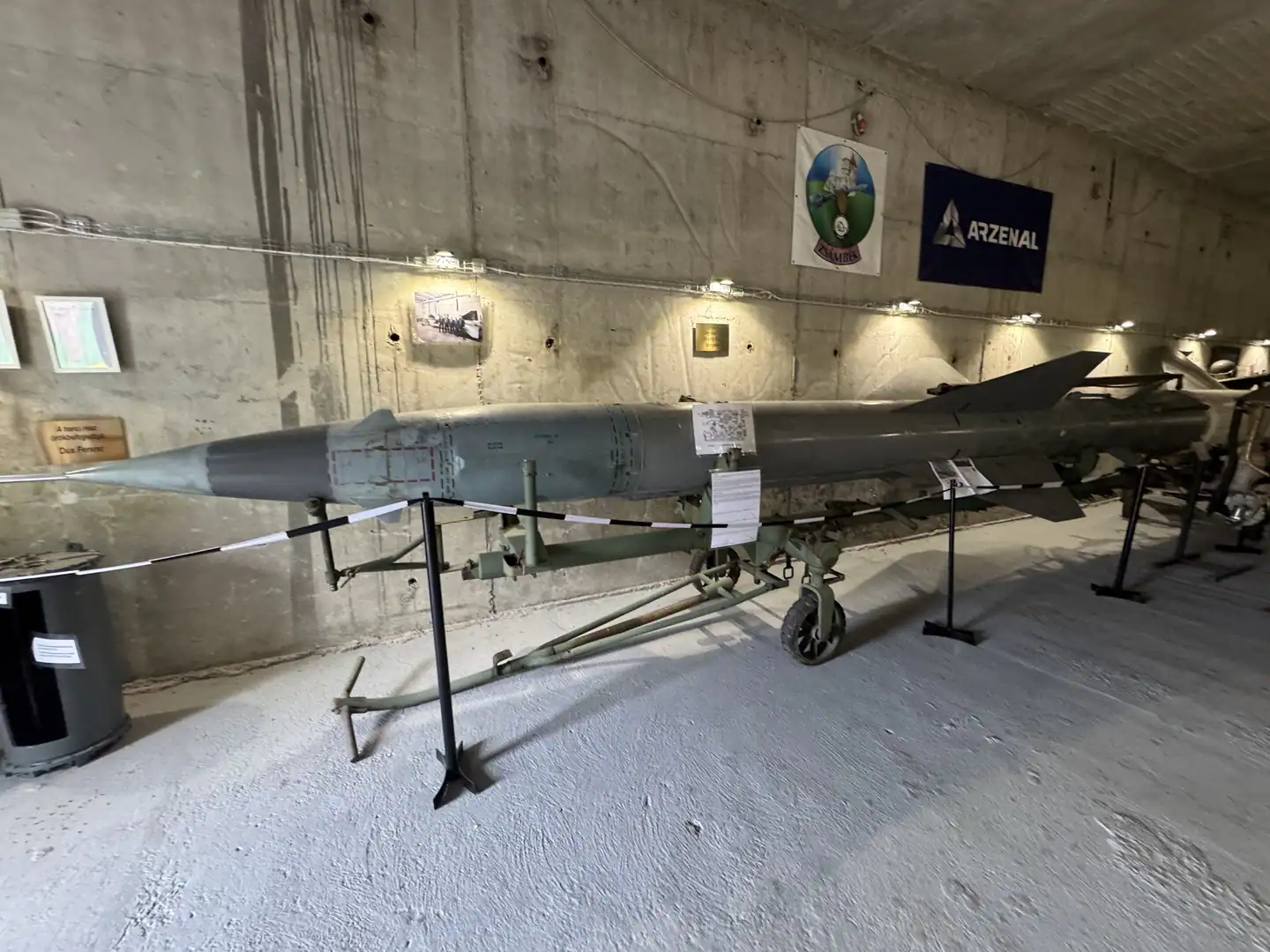 48 · Bunker Hall
 49 · Exhibit Row
 02 · Command Room
 50 · Wall Mount
 54 · Hardware
 51 · Field Crates
 52 · Display Wall
 53 · Ordnance Rack
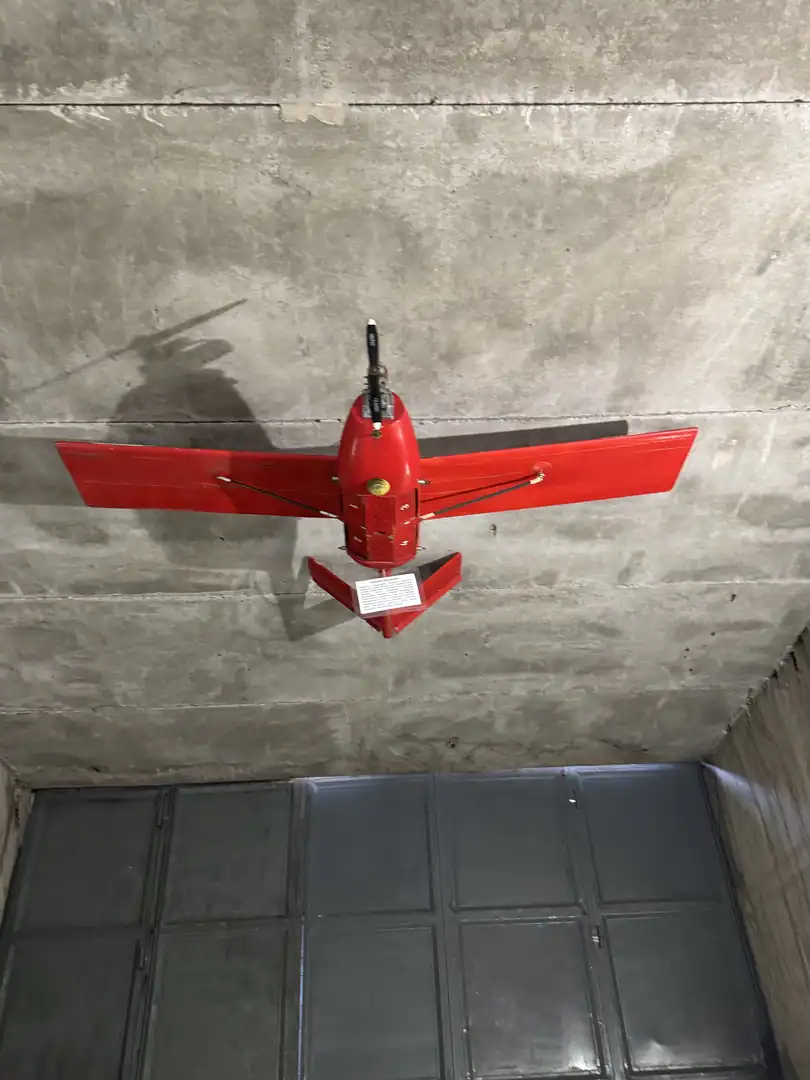 55 · Model
 56 · Exhibit Card
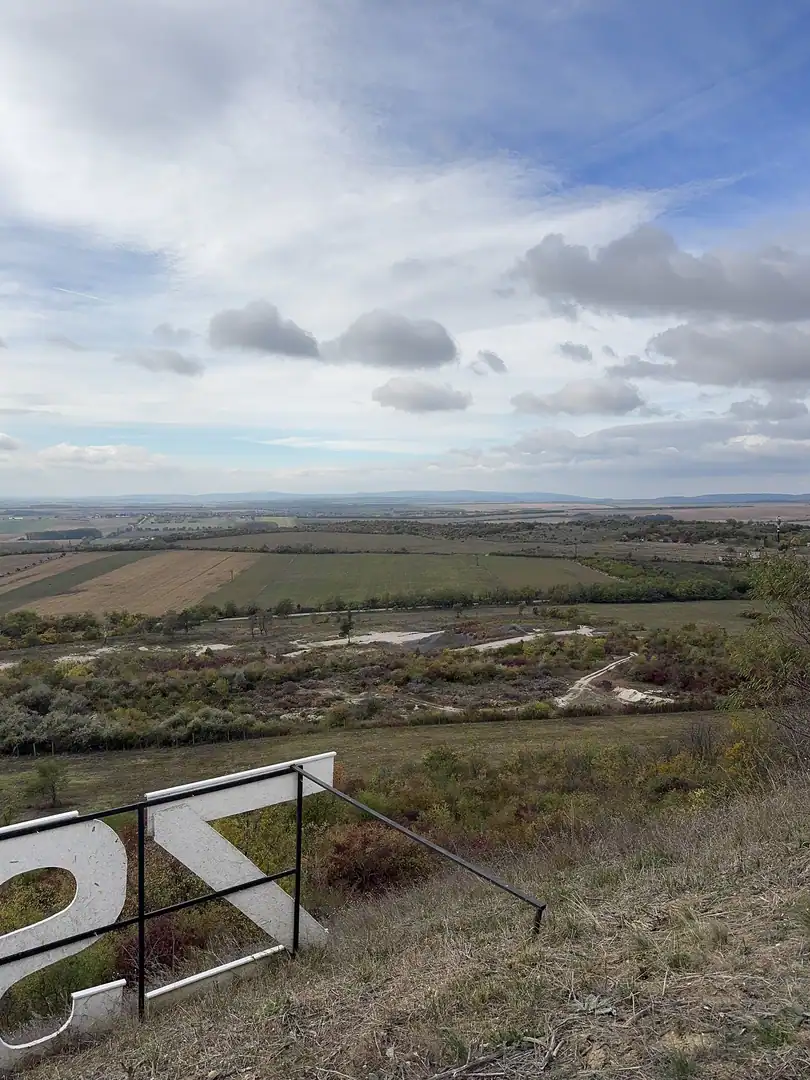
“A big sky that makes the concrete look even more severe, the basin spreading out in quiet contrast to the site’s original mission.”
And then there’s the view. Zsámbék sits in a landscape that always seems to be doing something: shifting light over fields, a big sky that makes the concrete look even more severe, the Zsámbék Basin spreading out in quiet contrast to the site’s original mission. It’s one of those places where you catch yourself switching between two emotional gears—admiration for engineering and logistics, then a sober awareness of why such places existed at all.
The best times to go: open Saturdays in season, plus event days
Here’s the practical truth: Zsámbék is visitable, but it isn’t a walk-in museum with predictable daily hours year-round. The clearest, simplest guideline comes from local tourist information: from April to October, it’s open on Saturdays from 10 a.m. to 6 p.m., with additional dates communicated separately. Groups can be received outside standard hours by prior arrangement, and guiding is typically organized with advance coordination.
On top of that seasonal rhythm, the base runs “highlight” program days that draw broader audiences. Listings for 2026, for example, indicate multiple “Base Day” dates and a larger military-cultural festival day, with language emphasizing that visits may be possible by appointment throughout the year and without appointment on special event dates.
If you’re aiming for maximum atmosphere, those bigger program days can be unforgettable. One public post promoting a military-cultural festival date spells out a full-day window and notes free entry, which naturally changes the crowd dynamic. Just remember that high-attendance days can come with logistical quirks. Parking rules, in particular, may change per event—one event notice specifically warns that cars could be redirected to a nearby field rather than driving up into the base itself.
Our own preference is to balance it: do one visit on a themed event day for the energy, then come back on a calmer Saturday for the architecture, the photography, and the quiet moments when you can hear the wind working through the pines.


“Close enough to feel spontaneous, far enough for that satisfying ‘we left the city behind’ sensation.”
Getting there from Budapest: quick distance, easier with a plan
Zsámbék is close enough to Budapest to feel like a spontaneous escape, yet far enough to give you that satisfying “we left the city behind” sensation. The base is in Zsámbék’s outer area on Őrsi-hegy, and tourist information provides GPS coordinates that make navigation straightforward: 47.557101, 18.700470.
If you’re driving, the main advice is simple: follow the coordinates, assume rural road conditions near the end, and on event days, expect staff directions for parking. If you’re not driving, you’ll want to think in layers: public transport to Zsámbék, then a practical solution for the last stretch, especially if you’re traveling with kids, camera gear, or anyone who’d rather not gamble on timing.
This is exactly the sort of half-day itinerary where a private transfer feels less like luxury and more like good sense: you arrive on time, you don’t waste mental energy on connections, and you can actually enjoy the day you planned. For visitors who want to fold Zsámbék into a wider “military heritage” weekend—pairing it with Budapest bunker tours, the Castle Hill cave system, or other history-forward stops—VanBudapest.com can stitch the logistics together cleanly, with a driver who understands that timing matters on program days and that muddy shoes are sometimes part of the deal. VanBudapest.com — Since 1988.
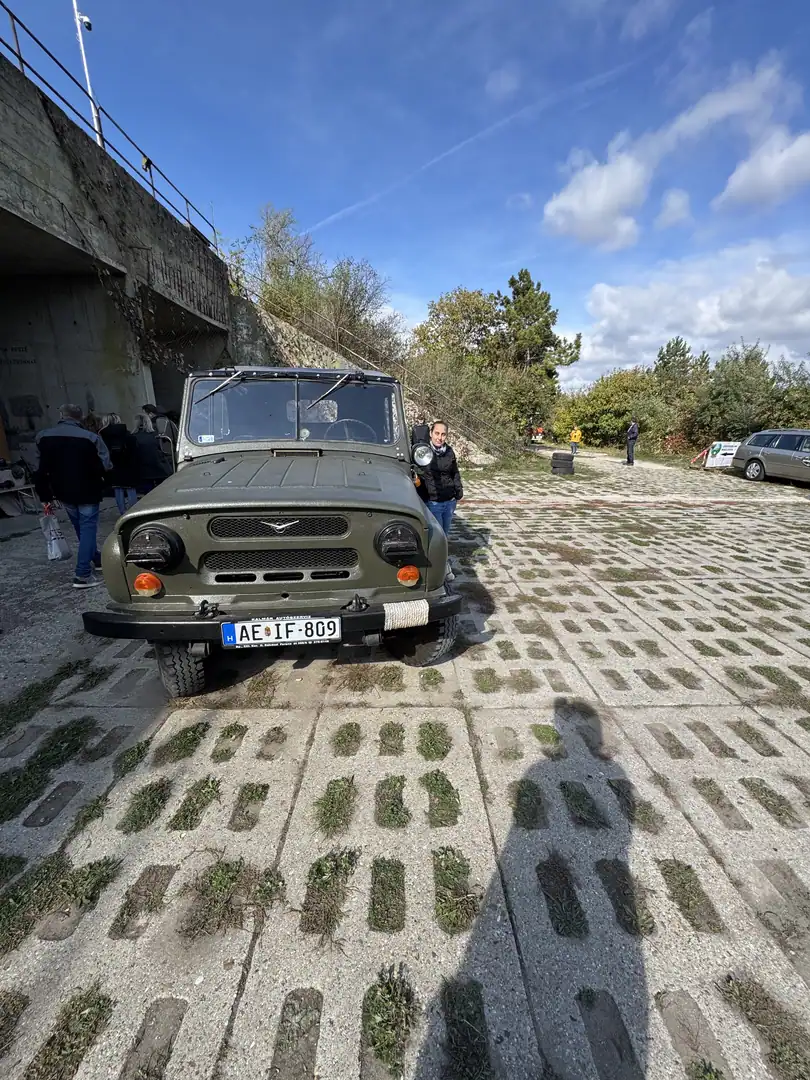
Plan the day, not the logistics
Let us handle the timing, the rural last mile, and the multi-stop heritage route — you keep the day you planned. A discreet, all-Mercedes fleet and a driver who knows that program days run on the clock.
Why this site stays with you: it’s not nostalgia, it’s perspective
There’s a specific feeling you get at Zsámbék that you don’t get from a textbook: the physical proximity of systems. You see how radar, launch positions, shelters, and routines were arranged not for drama, but for efficiency. You realize how much human life was organized around readiness—shifts, rules, repetition, maintenance, waiting.
And then you watch today’s visitors: families, students, history obsessives, reenactors, photographers. You notice how the site has become an interpretive stage for multiple kinds of memory—technical history, local heritage, education, and community programming. Researchers and observers have described this kind of layered heritage value explicitly: a rare, readable military geometry on the landscape, combined with the site’s natural setting and an active program identity that keeps the place from becoming a forgotten ruin.
That might be the most persuasive reason to go. Not because it’s “cool,” though it is. Not because it’s sensational, though it can be. Go because it offers perspective in concrete form: a reminder that the recent past still shapes the hills outside the city, and that understanding it is part of traveling well.
From the day: terrain, exhibits and living history
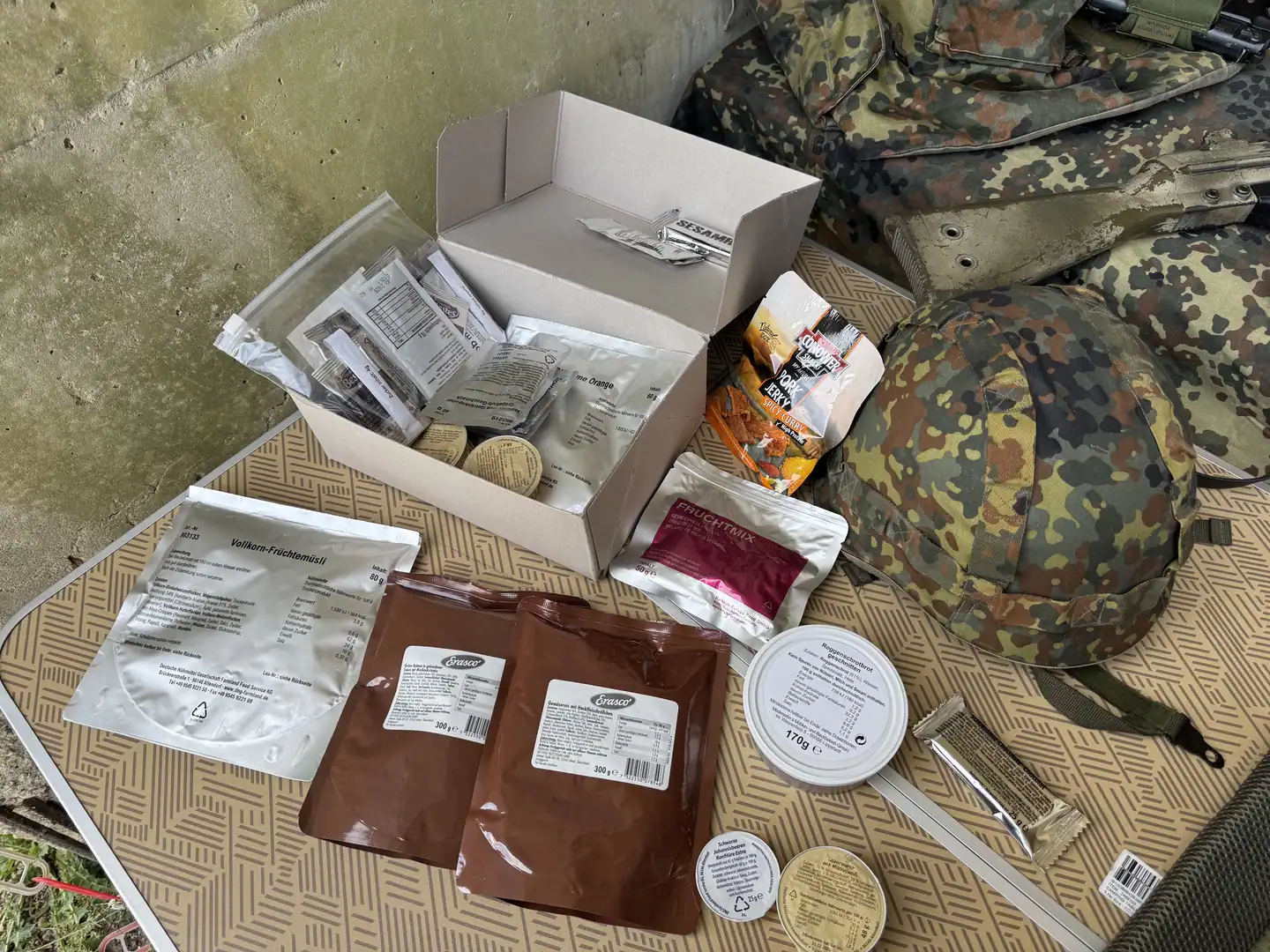
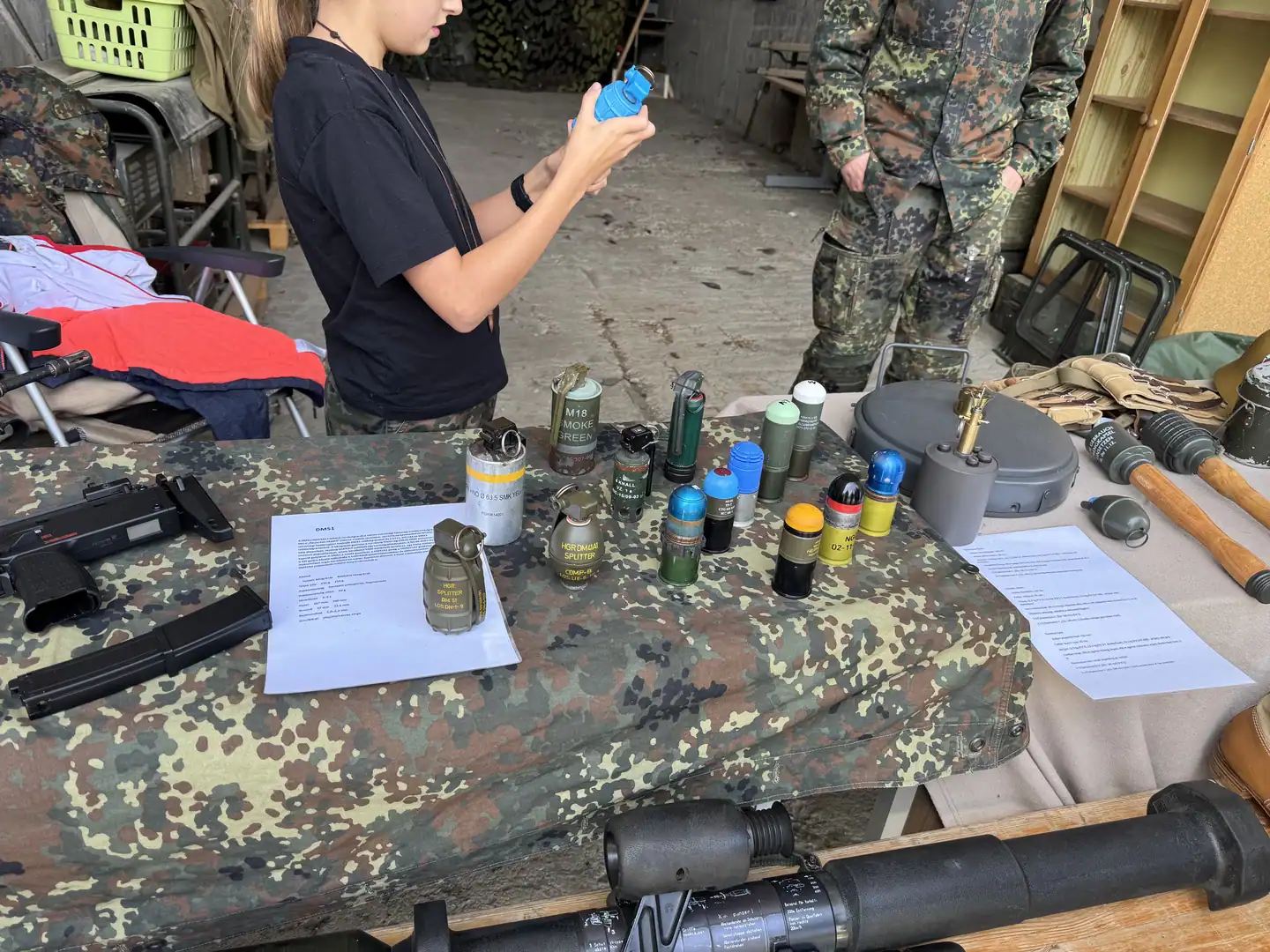
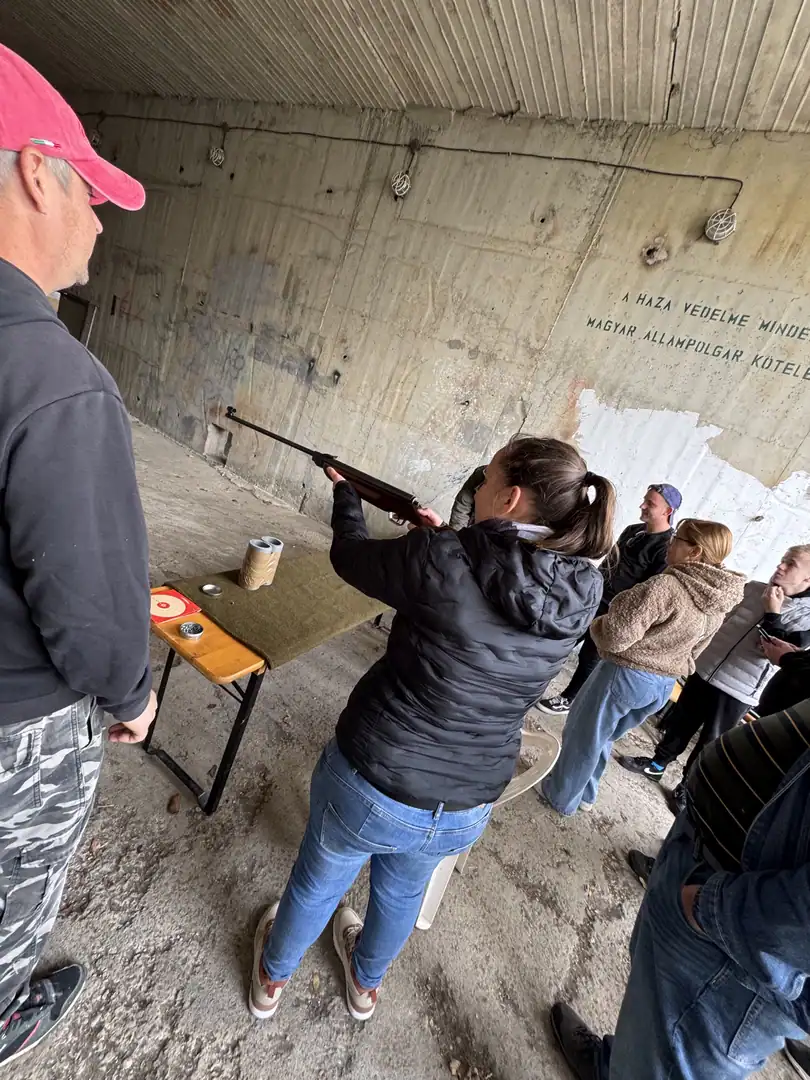
The full visual record — the approach, the defensive positions, the militaria tables that bring a closed base back to life, and the basin views that put it all in scale.









Frequently asked questions
QWhat is the Zsámbék Missile Base, and why was it built?
QWhen can you visit the Zsámbék Missile Base?
QHow do you get to the Zsámbék Missile Base from Budapest?
zsambekinfo.hu/services/sight/10013-zsambeki-raketabazis-hadi-kulturalis-kozpont
programturizmus.hu/ajanlat-zsambeki-raketabazis.html
facebook.com/raketabazis — military-cultural festival announcement (free entry)
facebook.com/raketabazis — festival reminder post
adjukossze.hu/szervezet/zsambeki-medence-idegenforgalmi-egyesulet-5601
vanbudapest.com/contact-customer-reviews
vanbudapest.com/our-fleet-vip-limousines-coaches-sedans-luxury-vans
vanbudapest.com/experience-packages
vanbudapest.com/contact-customer-reviews