
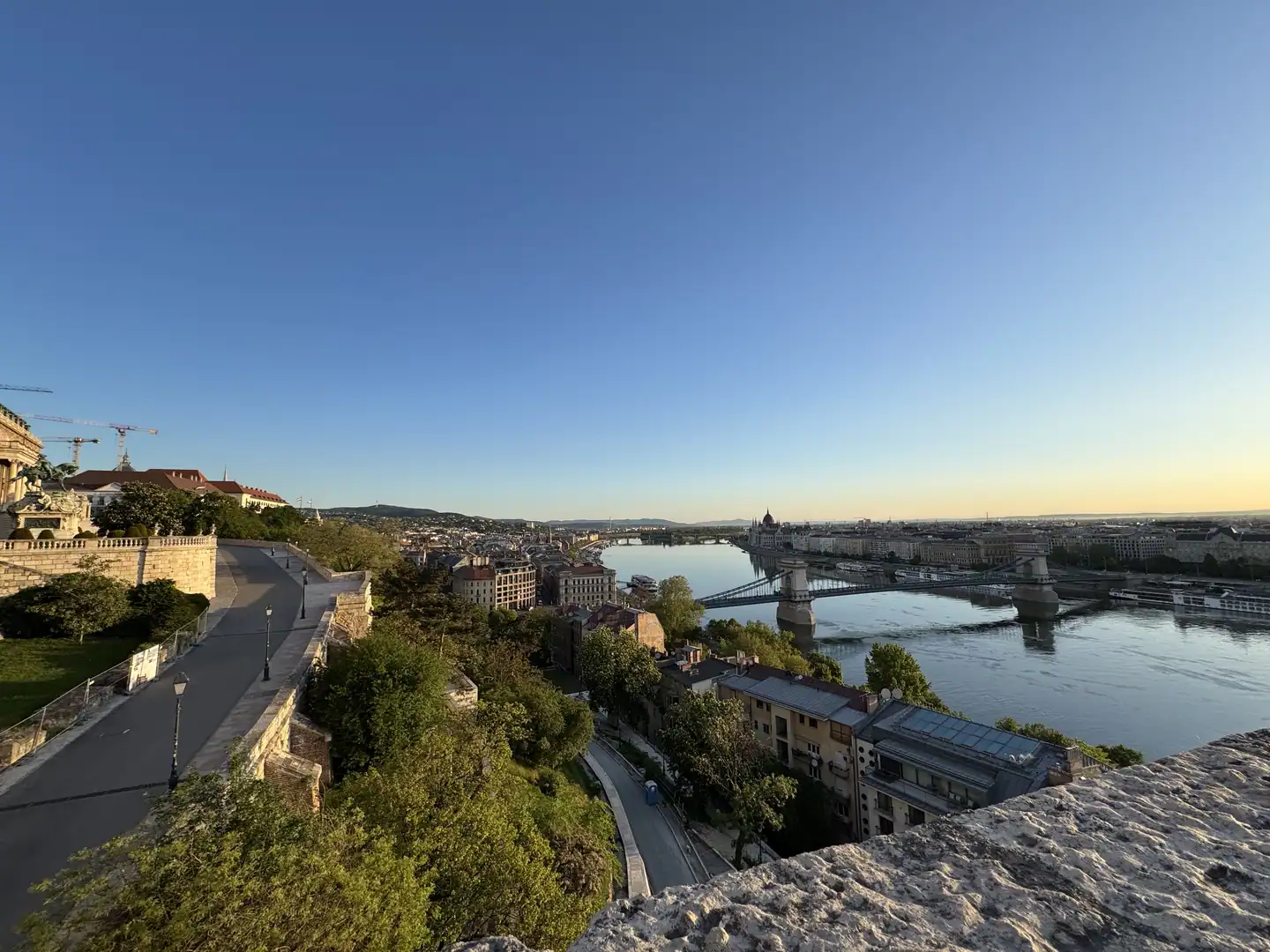
Buda Castle District Sunrise: A Fisherman’s Bastion Photo Mission That Still Feels Unreal
Climbing Castle Hill before dawn to photograph the moment Budapest wakes up — and discovering that the view we live with every day still has the power to silence a room.
The city was still yawning when we arrived.
We went up for a Buda Castle District sunrise the way you go up for something you don’t want to miss in your lifetime: quietly, a little underdressed, and fully convinced the cold will be worth it. It was mid-April 2026, right around April 20 — one of those Budapest weeks that behaves like two seasons at once. Daytime had been generous, the kind of 20–25°C warmth that makes you believe summer is already negotiating its early arrival. But before dawn the temperature slipped into the 10–15°C range, and the wind up on the terraces felt personal.
We weren’t brave. We were just stubborn. We had cameras, a clear plan, and that familiar photographer’s optimism that says: the light will do the talking.
The first surprise was how many people had the same idea. In the darkness — before the skyline becomes a postcard — you could already see silhouettes moving with purpose. Tourists, mostly. A few couples. A few solo travelers carrying tripods like sacred objects. They had come for the same reason people travel across oceans: the promise of a view that rearranges your sense of scale.
From Fisherman’s Bastion, Budapest doesn’t look like a city trying to impress you. It looks like a city that already knows what it is.

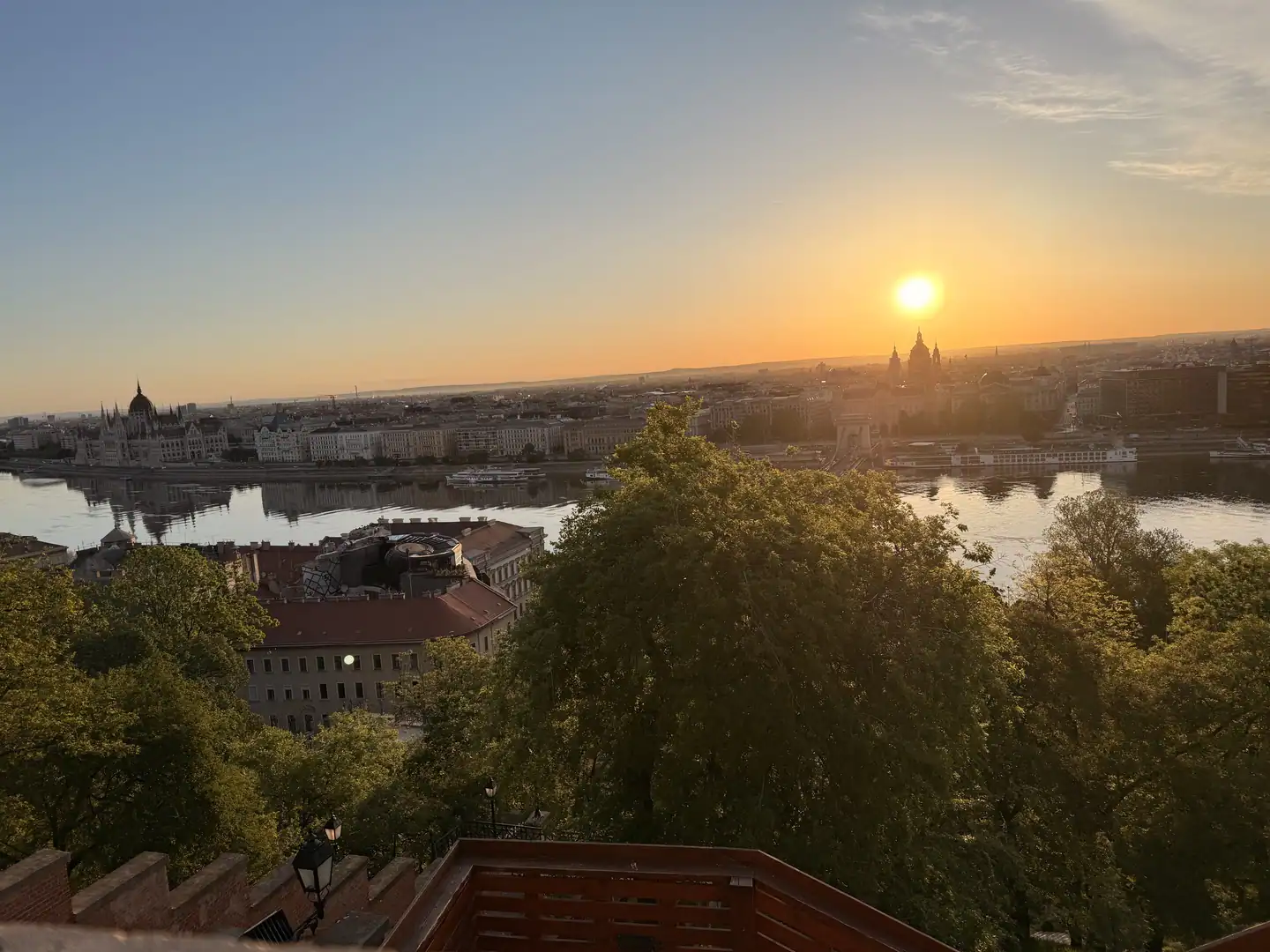
First light over the city
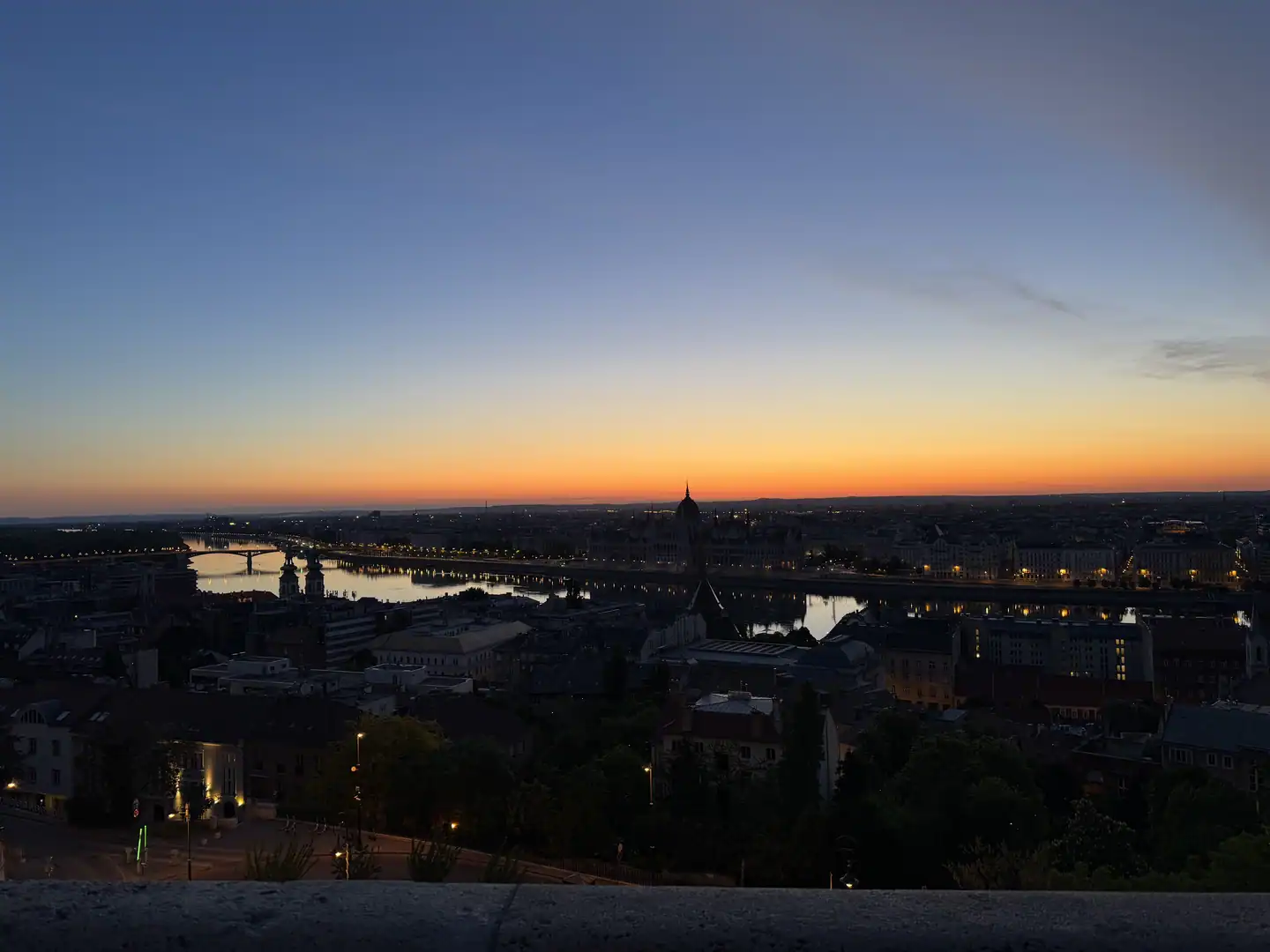
A second-by-second progression of the sunrise — the kind of sequence you only get if you commit to standing still while the world turns.


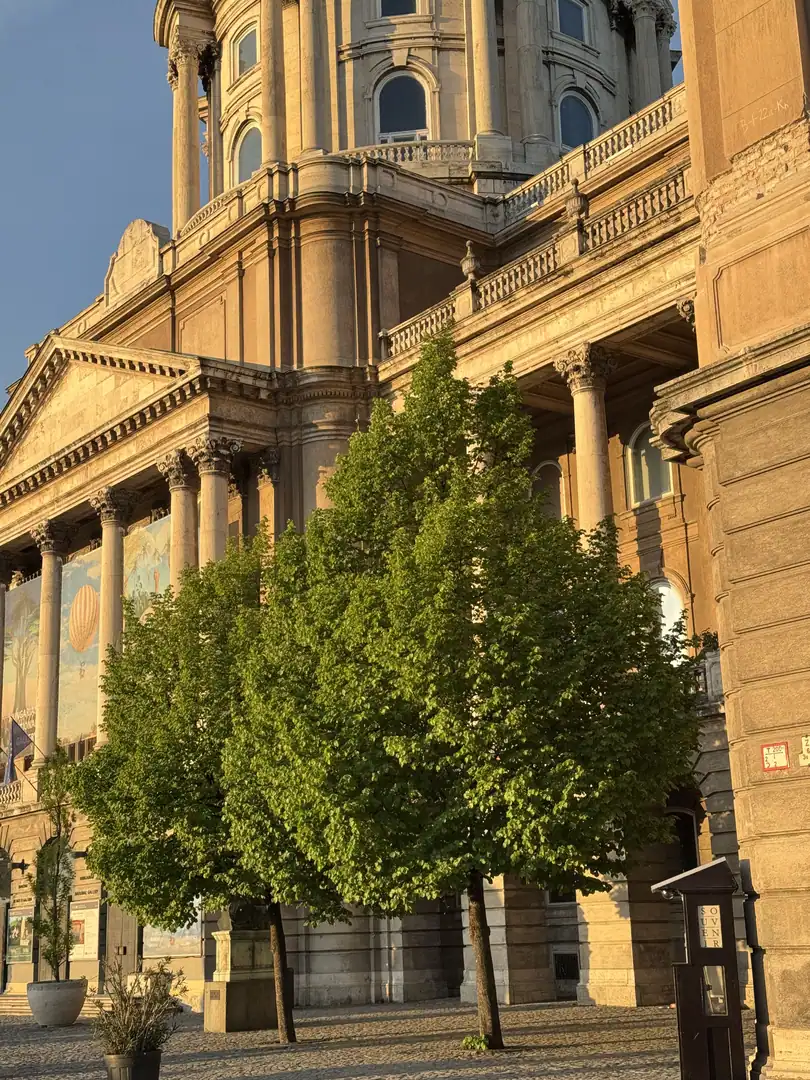




Why travelers love Fisherman’s Bastion, Trinity Square, and Matthias Church
Ask a visitor what they remember most vividly from Budapest and you’ll hear the same shortlist again and again: the Danube’s curve, the Parliament’s profile, the bridges stitched into the river like jewelry, and the feeling that the city is both theatrical and real. The Buda Castle District gives them all of that in one sweeping glance, and it does it with almost unfair efficiency.
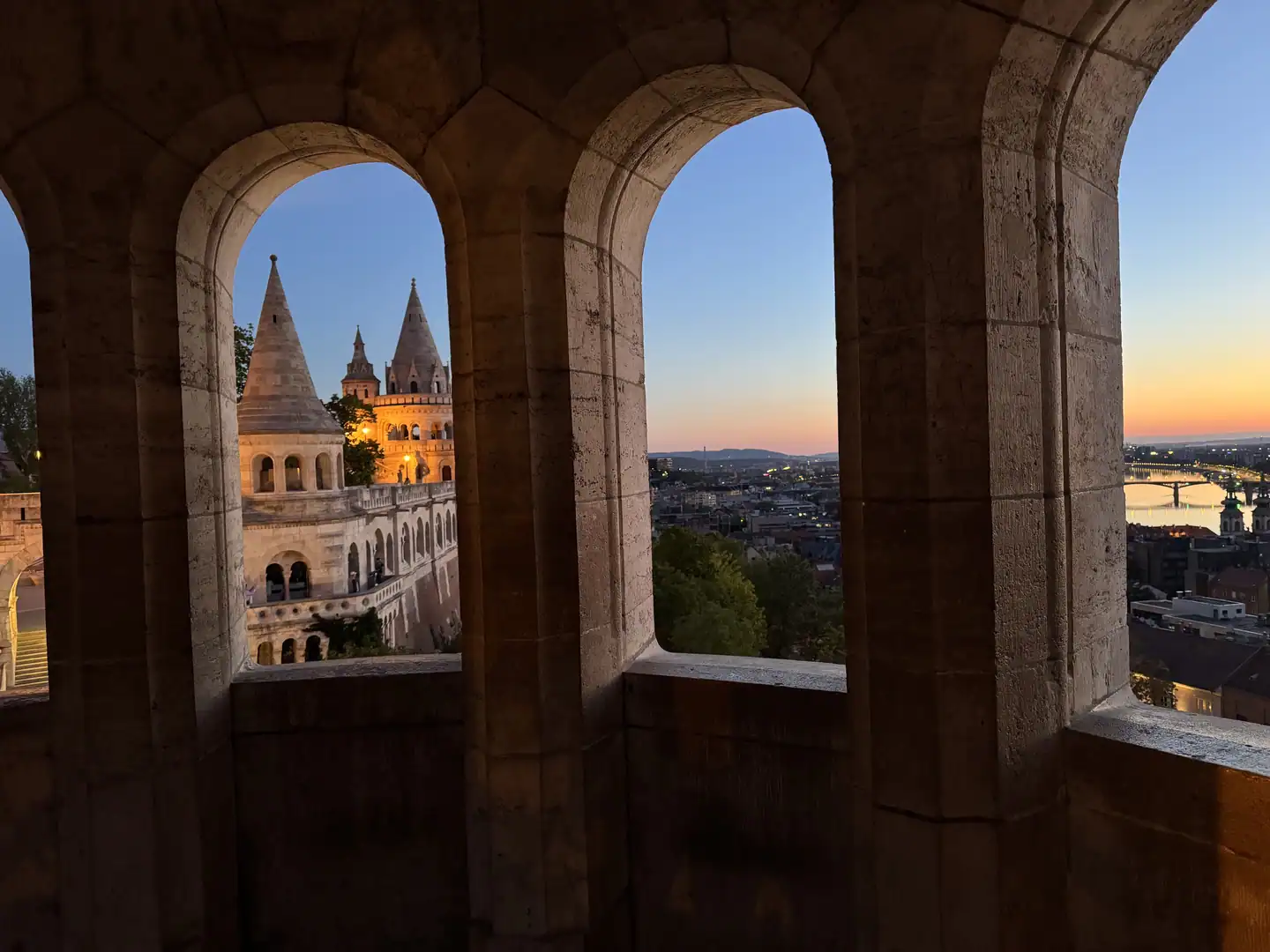
Fisherman’s Bastion is the obvious first stop because it performs. Its terraces frame the skyline with the confidence of a film set, and the white stone catches light in a way that makes every phone camera look talented. Yet the seduction is deeper than the panorama. It’s the choreography of the place: you’re standing on a hill that has witnessed centuries of power, siege, rebuilding, and reinvention, and the modern city spreads out beneath you like a living exhibit.

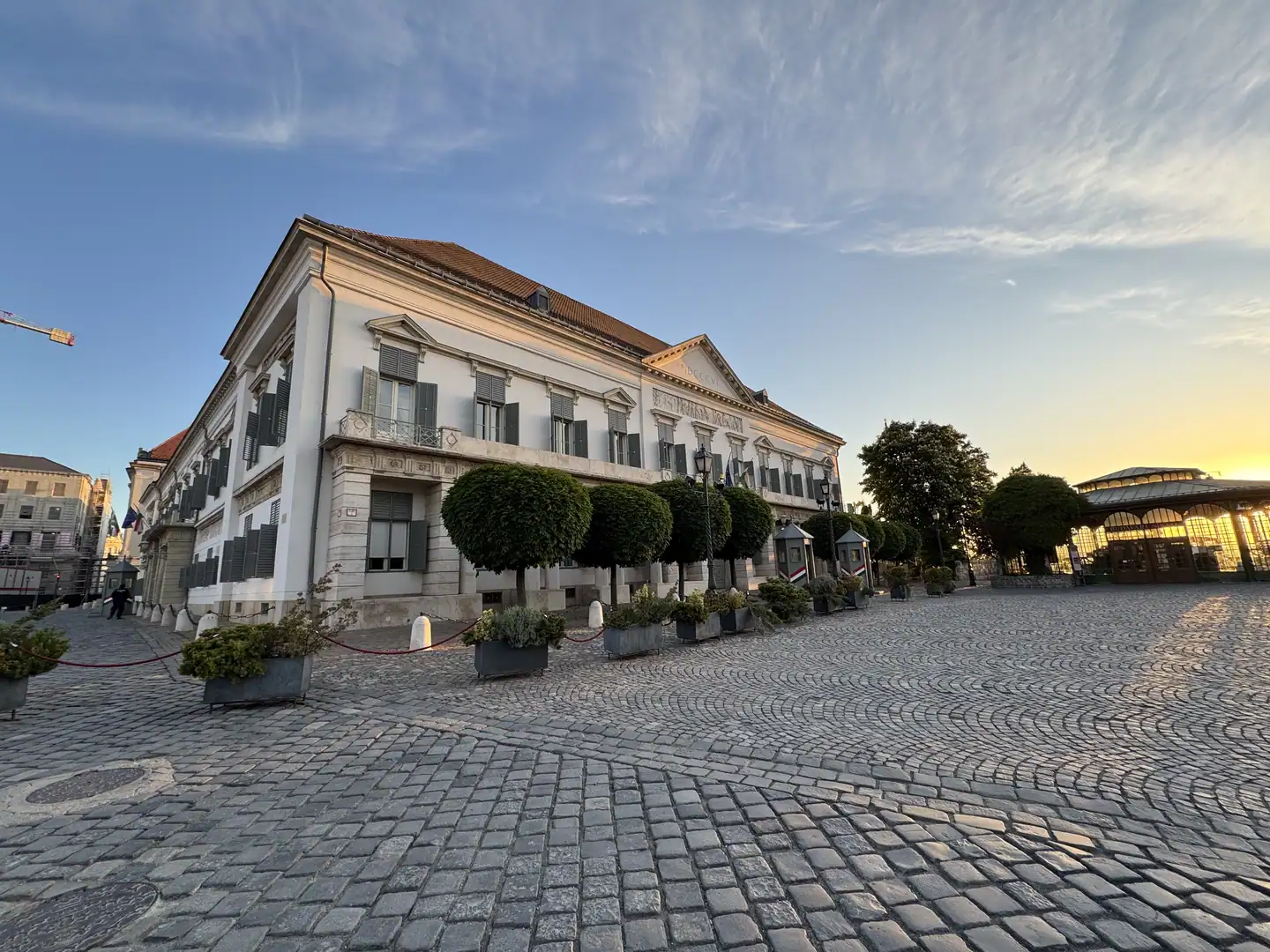
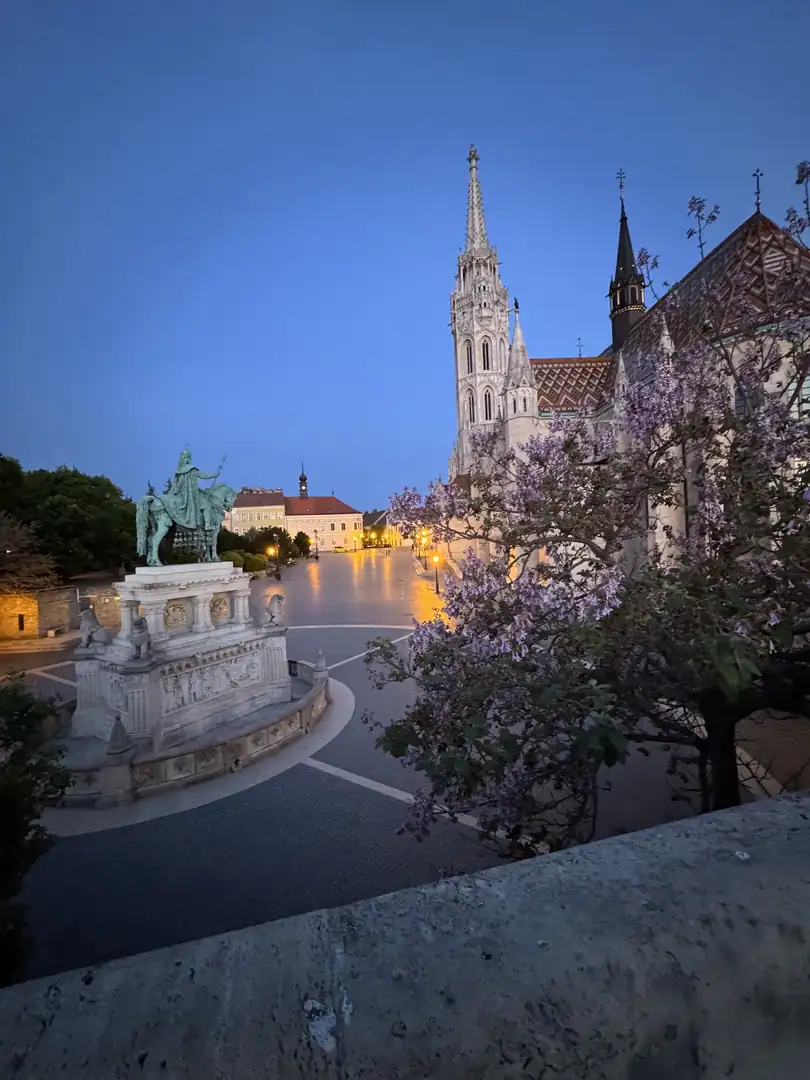
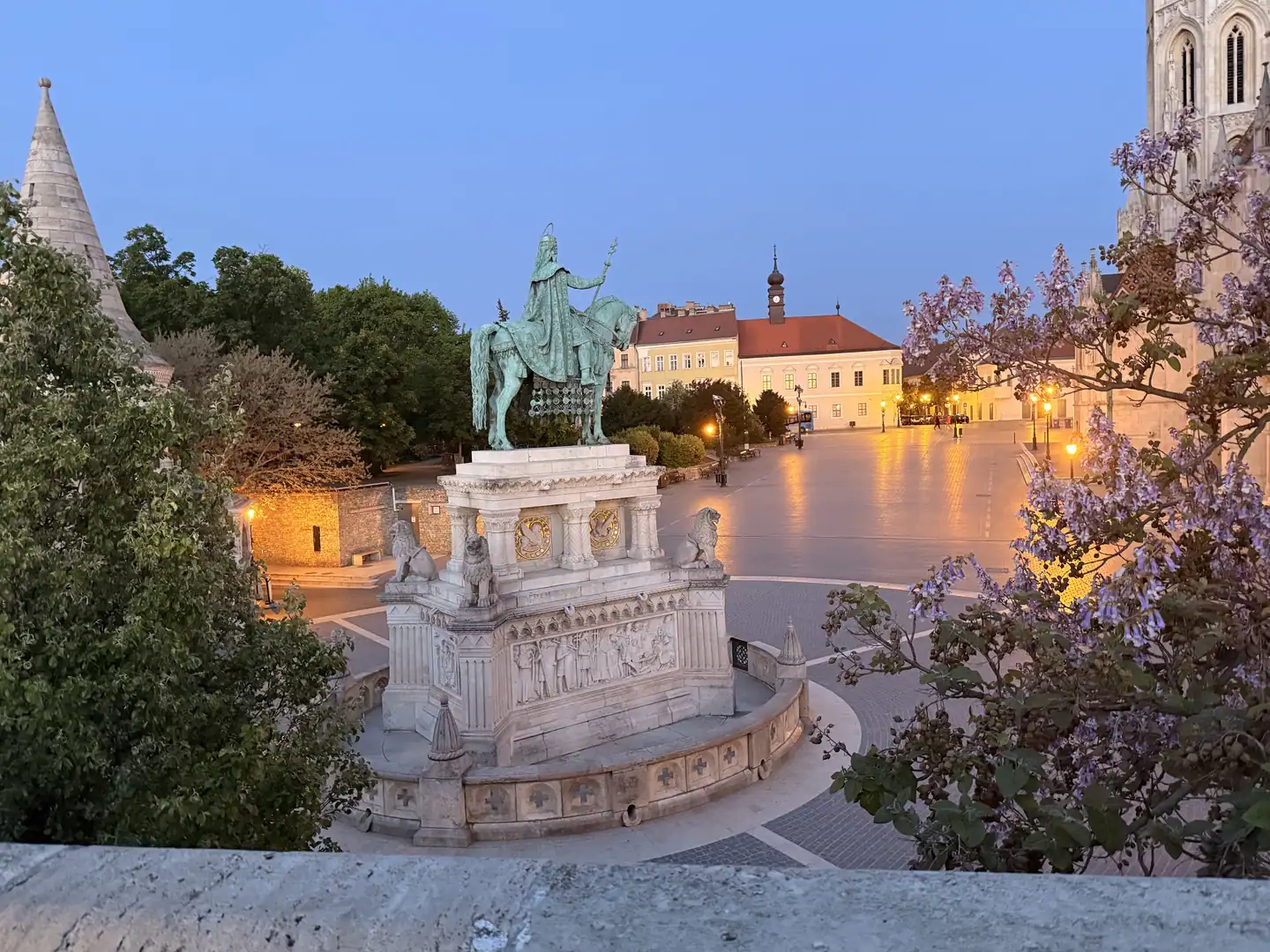
Then there’s Trinity Square, the Szentháromság tér — an open stage where the neighborhood’s identity becomes visible. It’s not just a pretty square; it’s a civic heartbeat, ringed by architectural statements and the steady flow of visitors who arrive with curiosity and leave with a sudden respect for how history lingers in urban space.
And Matthias Church is the anchor, both visually and emotionally. Even if you don’t know its story yet, you feel its gravity. The roof’s patterning, the vertical insistence of the structure, the way it holds the square — it’s a landmark that doesn’t simply decorate the district. It defines it.
Tourists love these sites because they deliver an instant, high-impact Budapest. Locals love them because they remind us — sometimes inconveniently — that we’re living inside a place the rest of the world considers extraordinary.
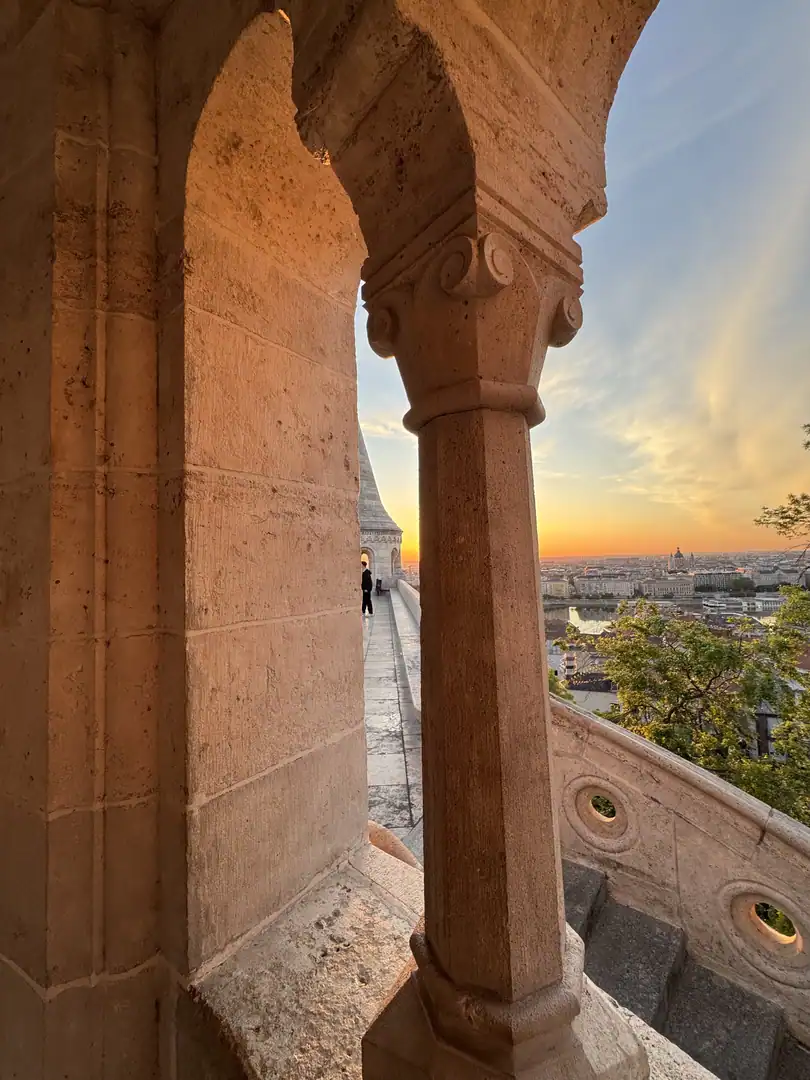
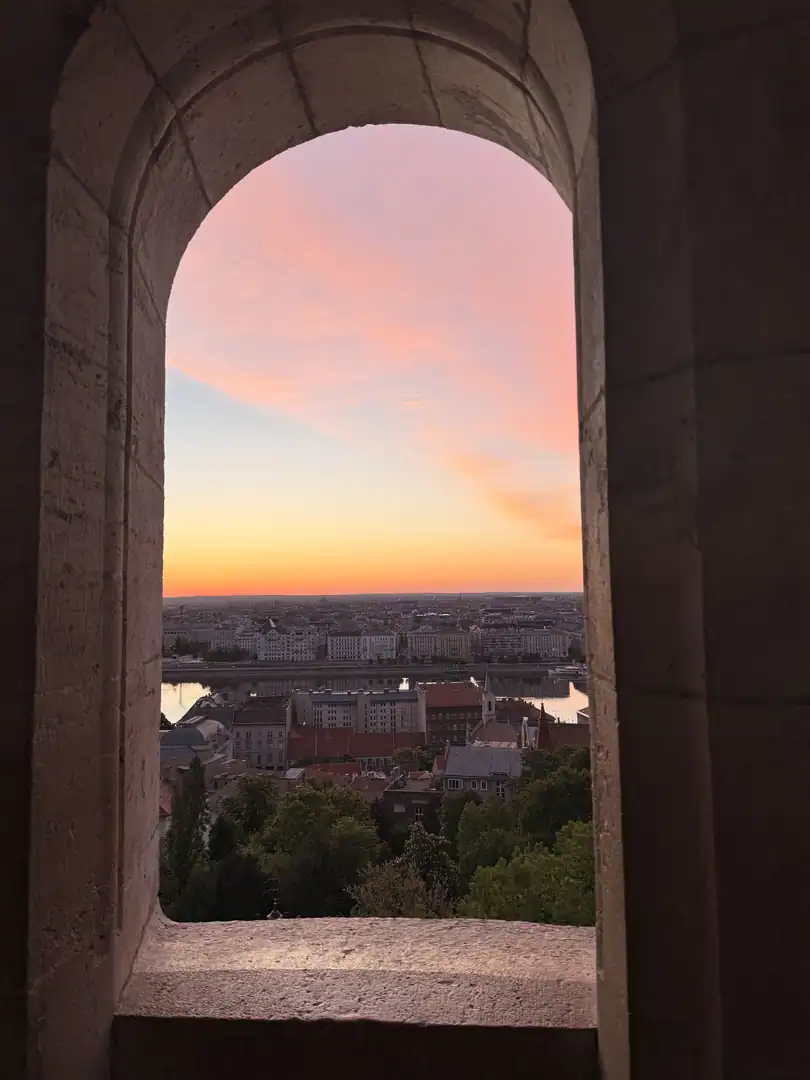
The stonework that earns its photographs
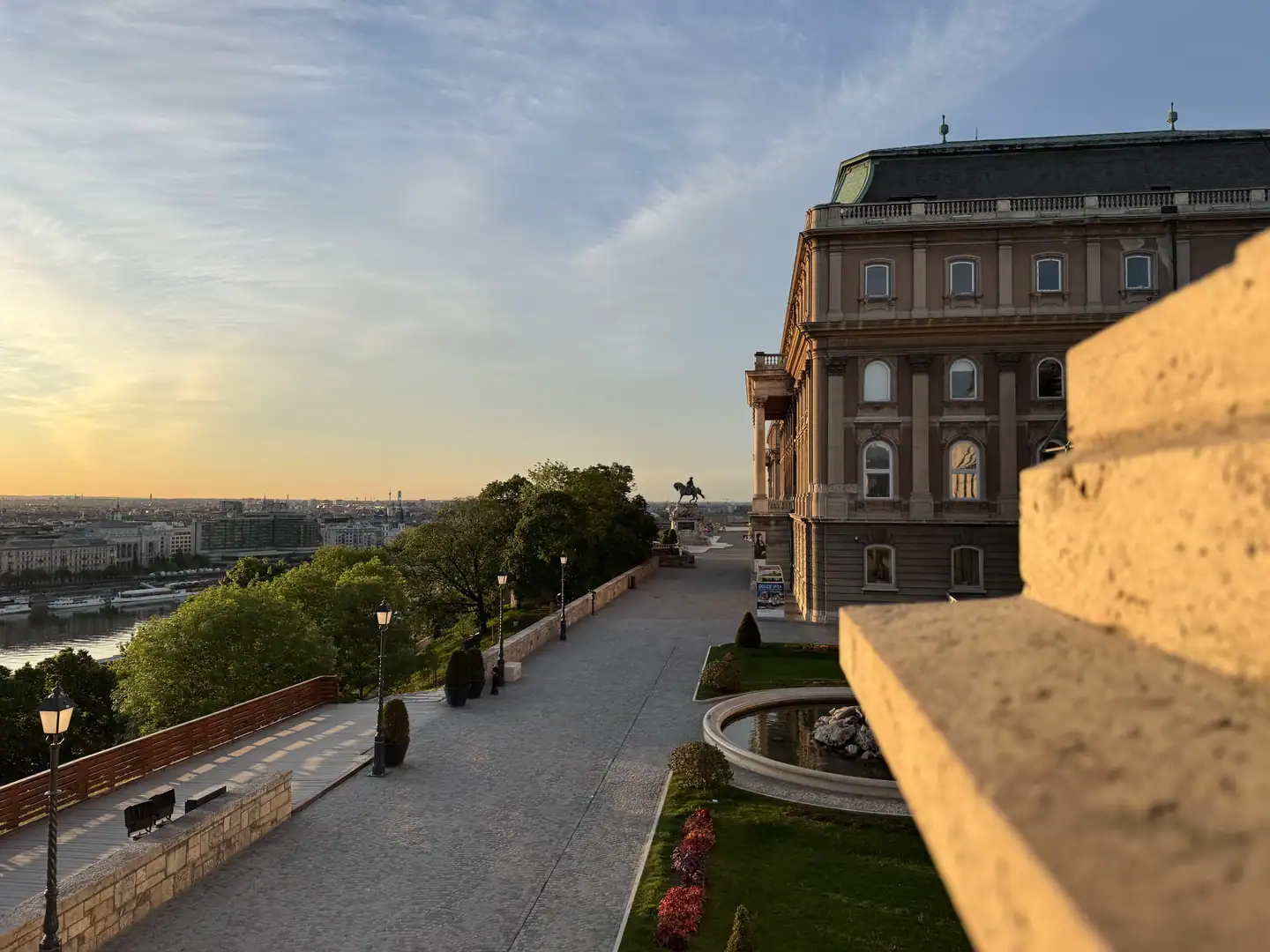
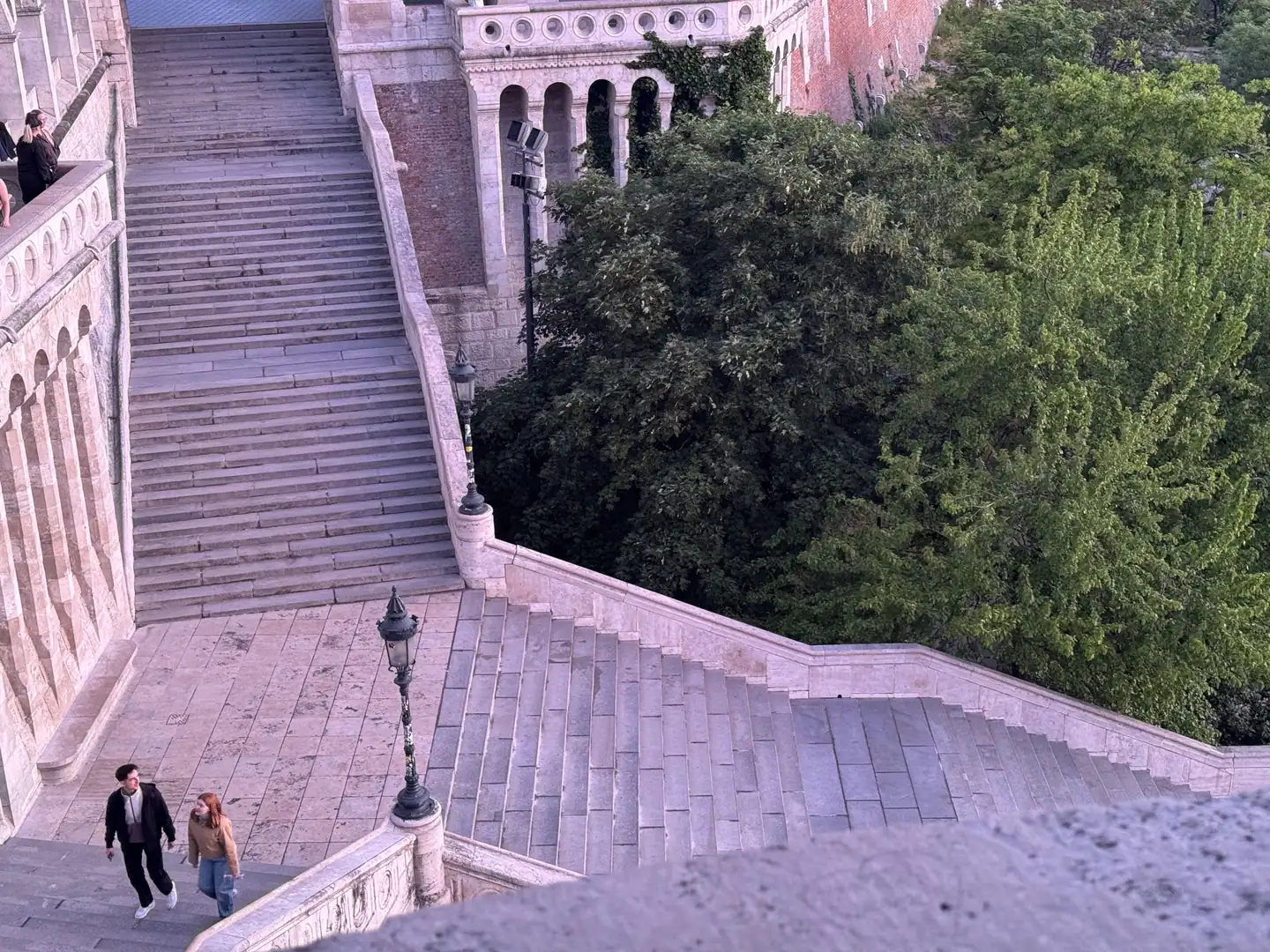
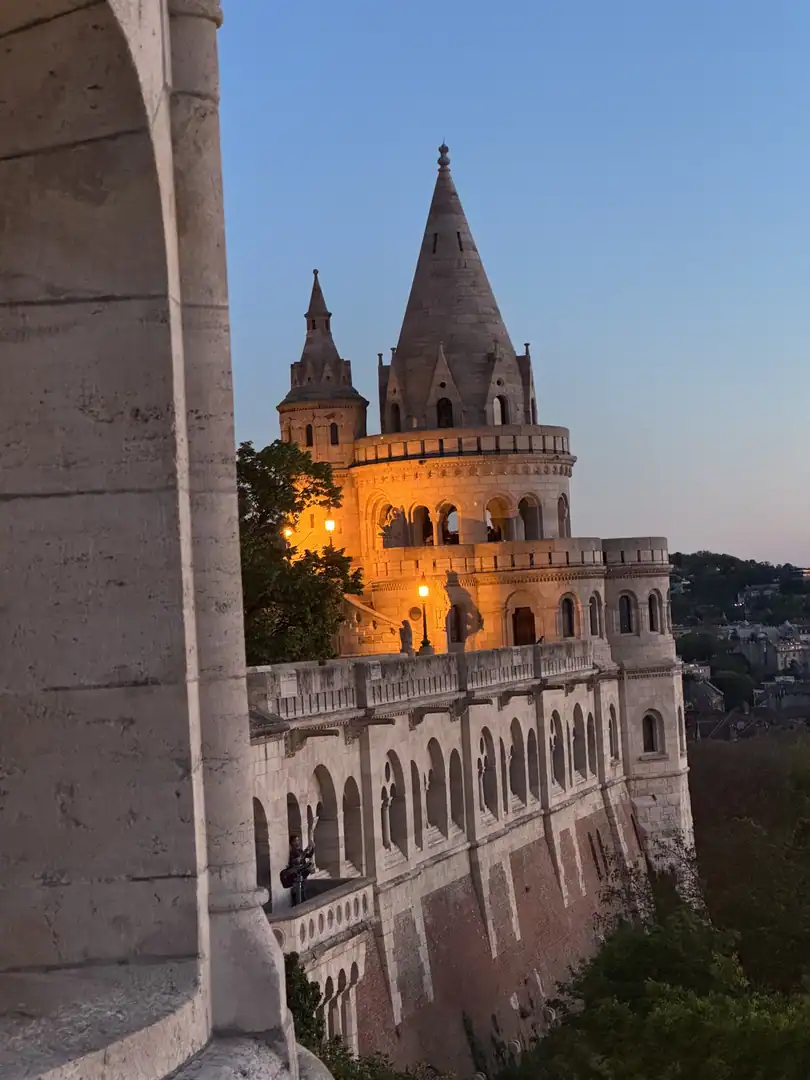
Working the Bastion from every angle — the arches, the stairways, the curves that make ordinary cameras look talented.



The moment the first light hits Pest
Our mission had a simple spine: photograph the sunrise from Fisherman’s Bastion, then walk the district while the city was still quiet enough to hear itself.
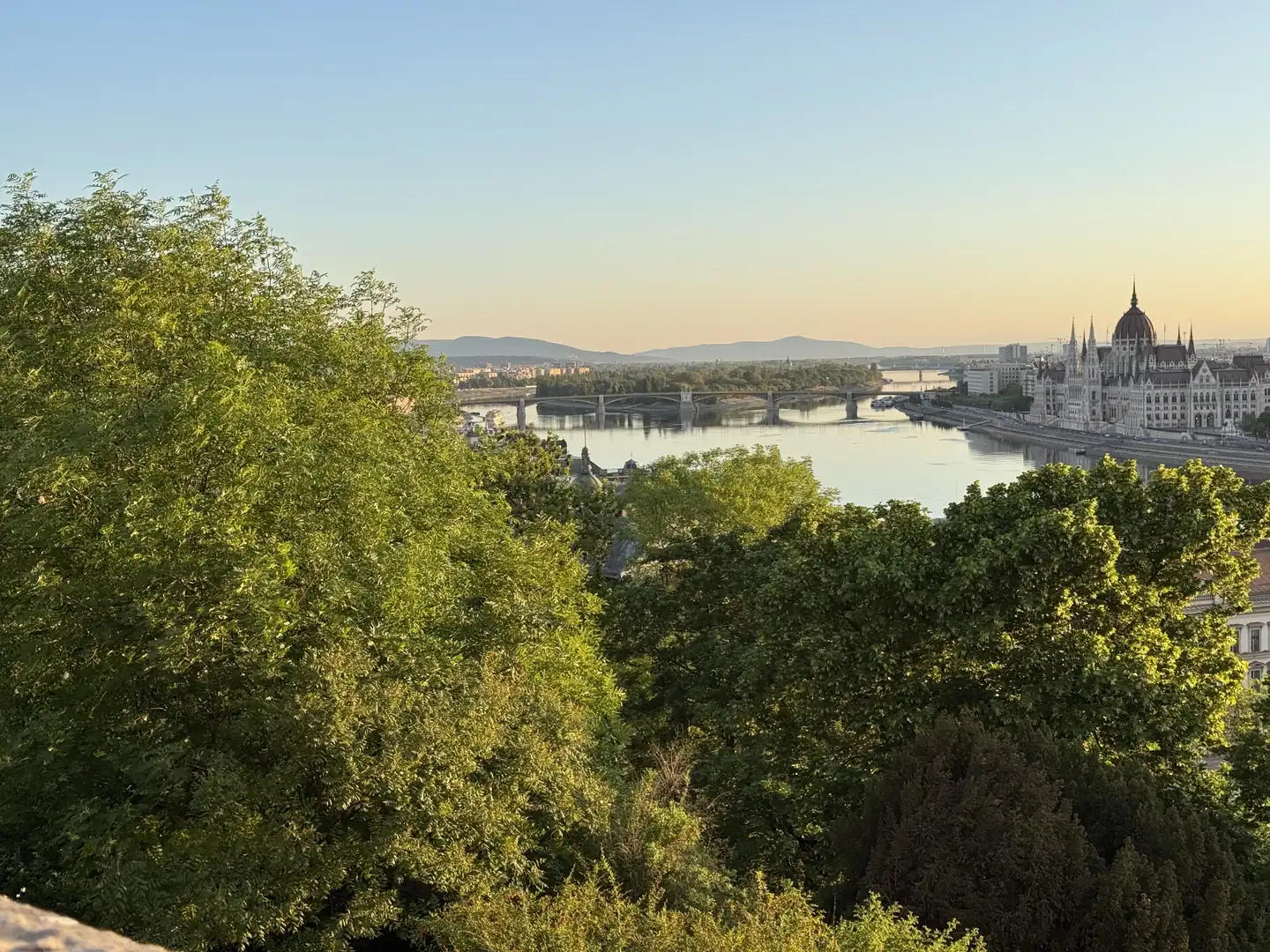
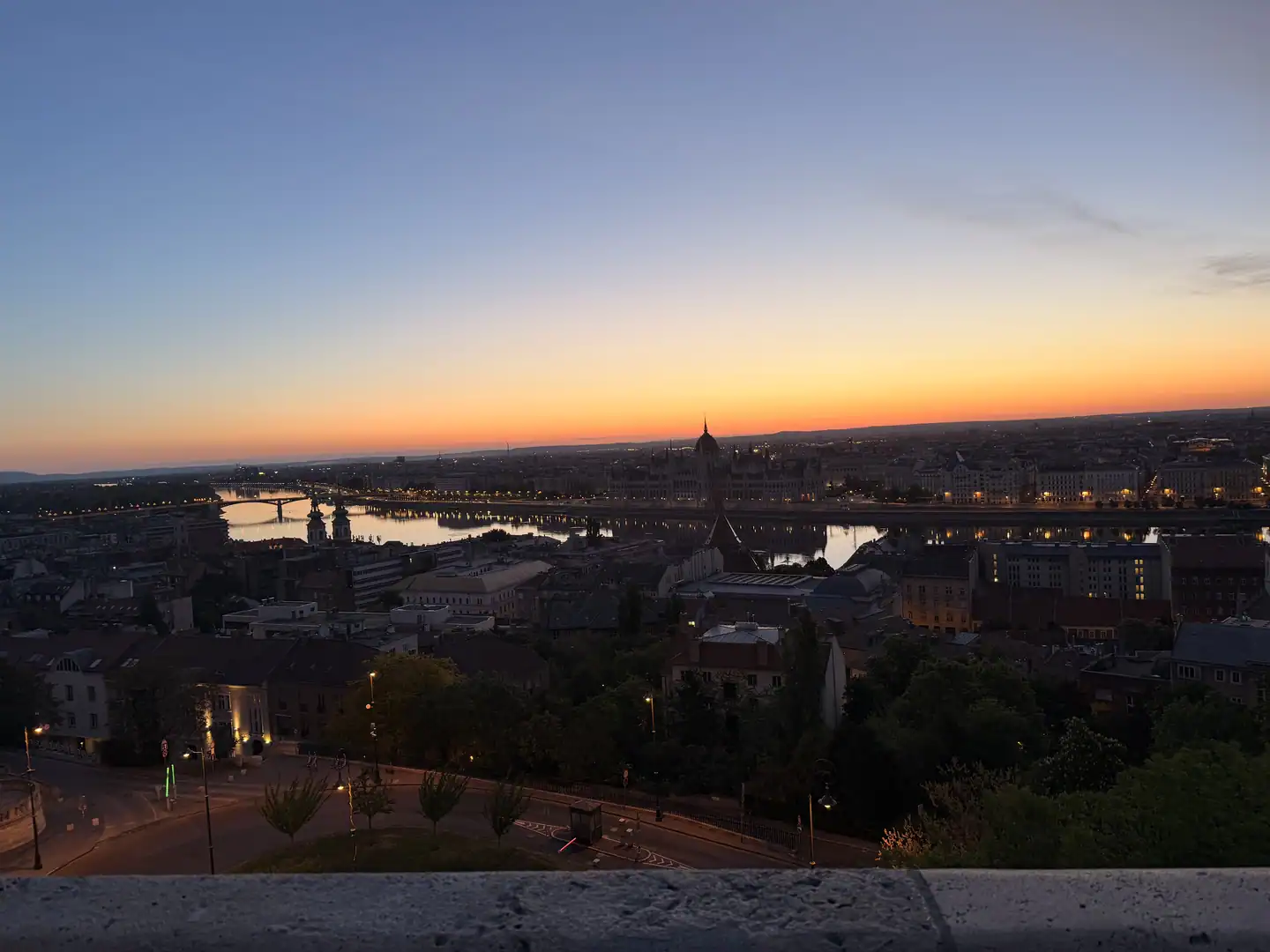
We started at the terraces and moved deliberately, chasing angles the way you chase seconds. Parliament came into view like a promise, the Danube below it still dark, still holding the night’s last color. The outline of Margaret Island sat in the distance, calm and self-contained, like the city’s pause button.


The wind made us honest. Up there, with nothing to block it, it found every gap in our jackets and made sure we regretted our confidence. We had dressed like it was April at noon, not April before dawn. That was our mistake, and it’s a mistake travelers make too — Budapest can feel mild during the day, then remind you, before sunrise, that spring is still a negotiation.
Still, it was perfect in a way that doesn’t happen on command. Half of Pest held on to a soft blanket of cloud, not enough to ruin the view, just enough to add drama. And on the Buda side, we caught the last breath of the spring bloom along the promenades. The trees had mostly finished their show, but the ground still wore the evidence — petals scattered like confetti after a celebration you missed by minutes.
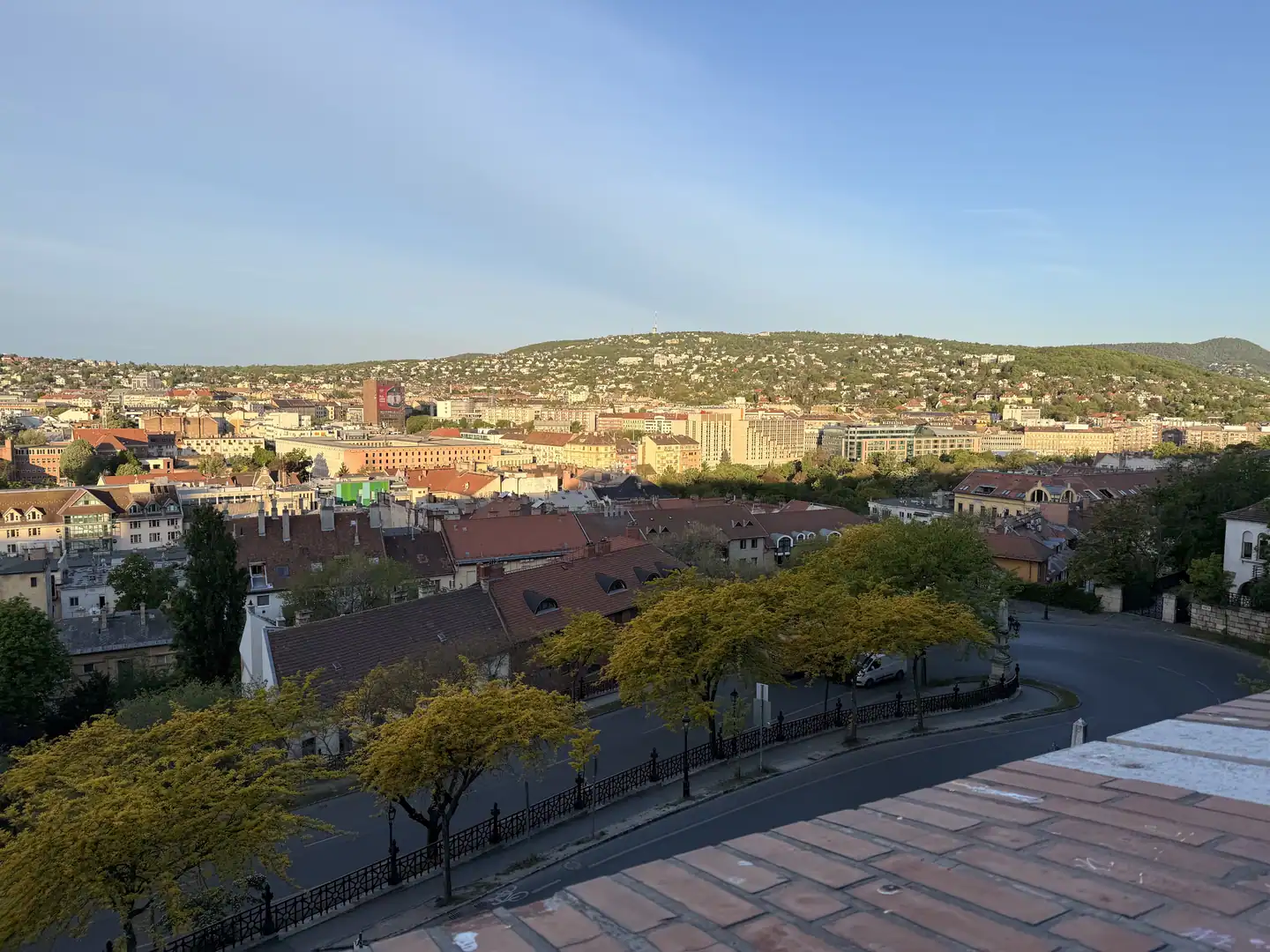
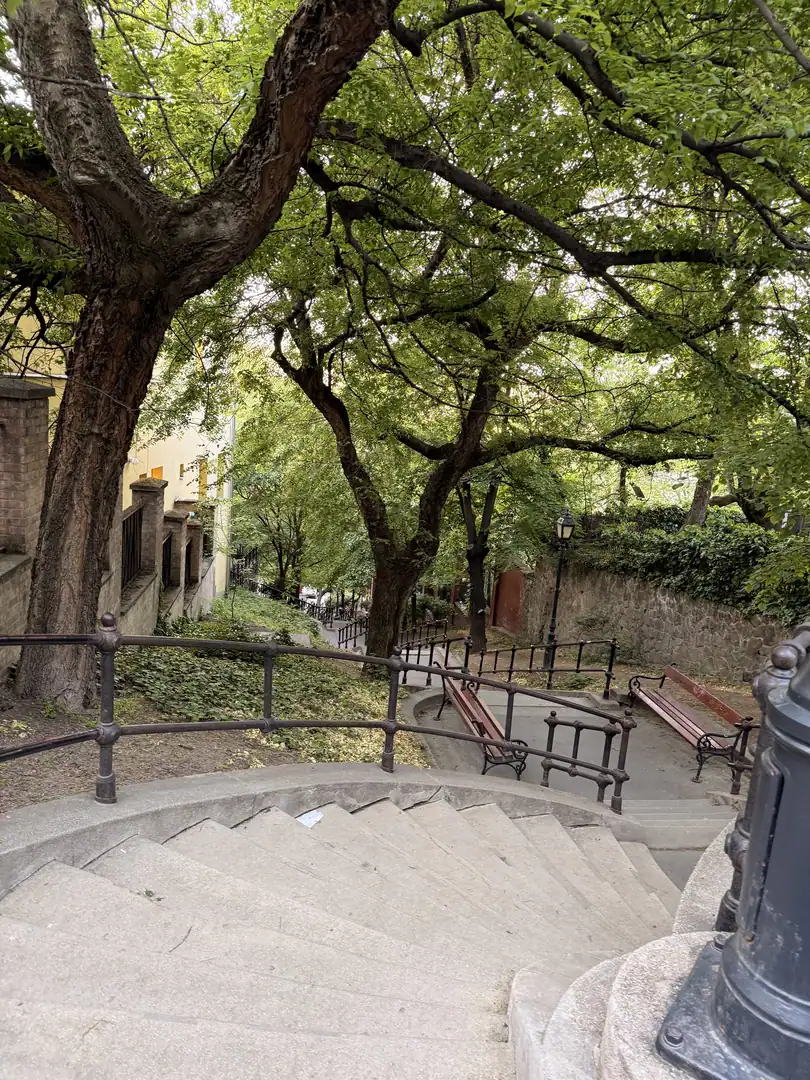
Petals on the pavement
The Castle Hill promenades at the tail end of the spring bloom — quiet streets, soft colors, and the kind of detail you only notice on foot.
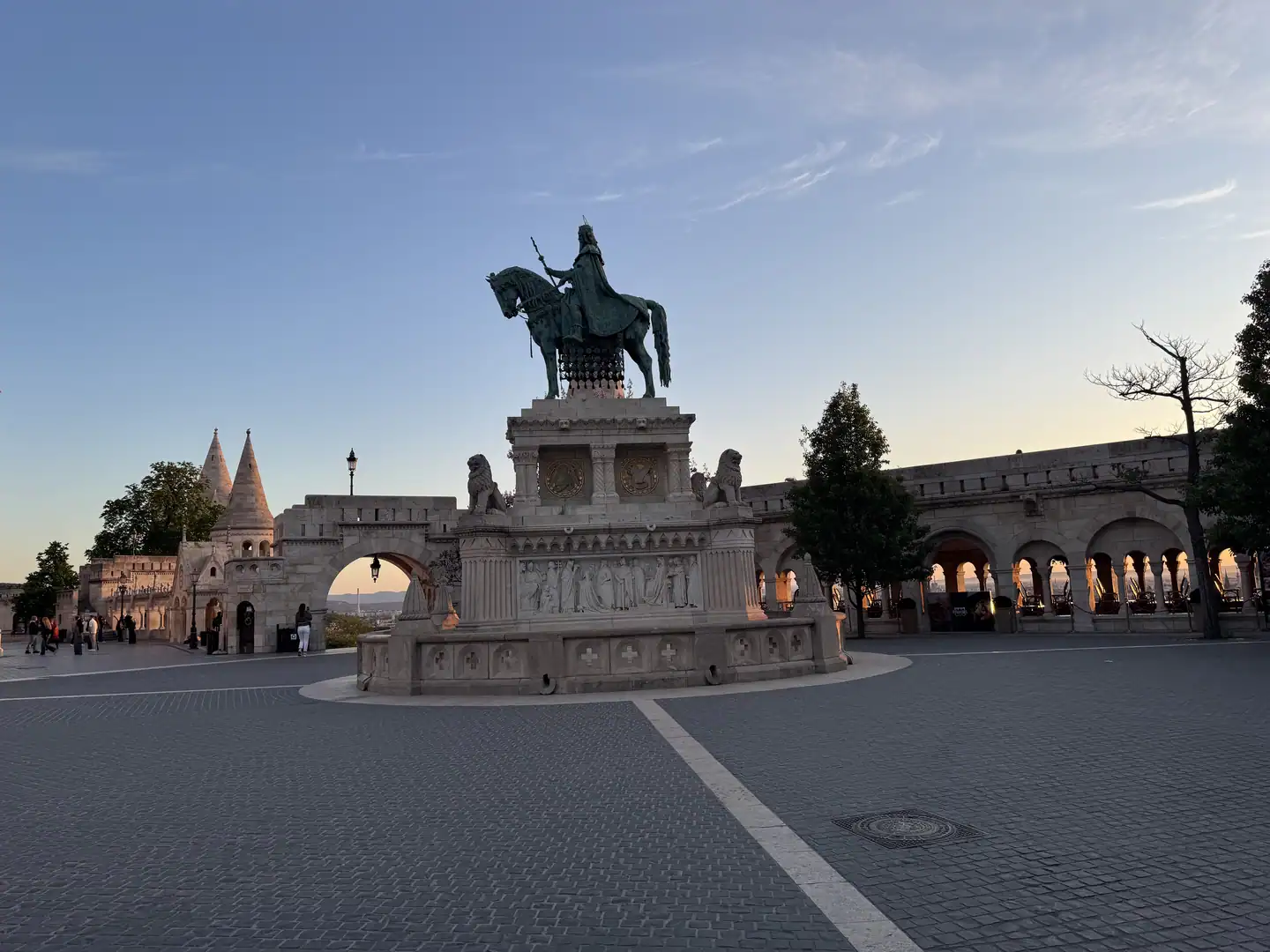


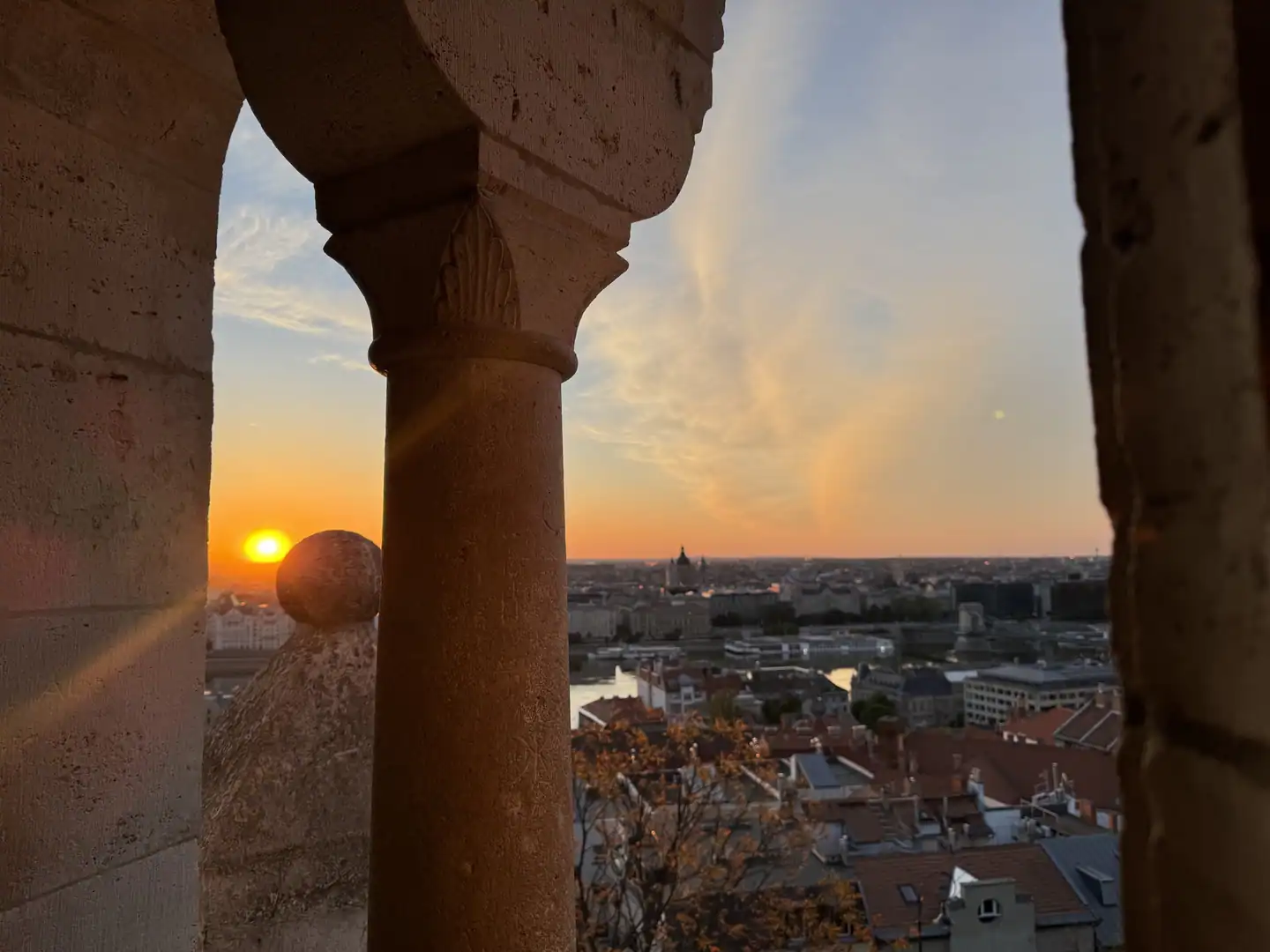
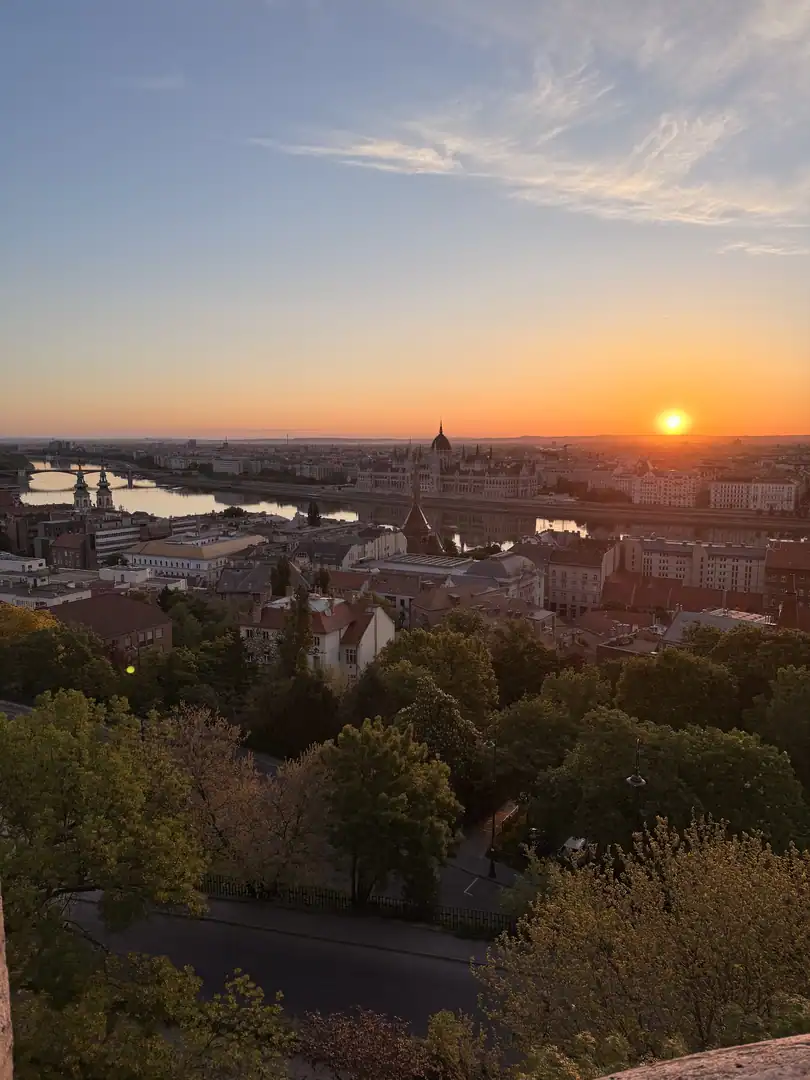


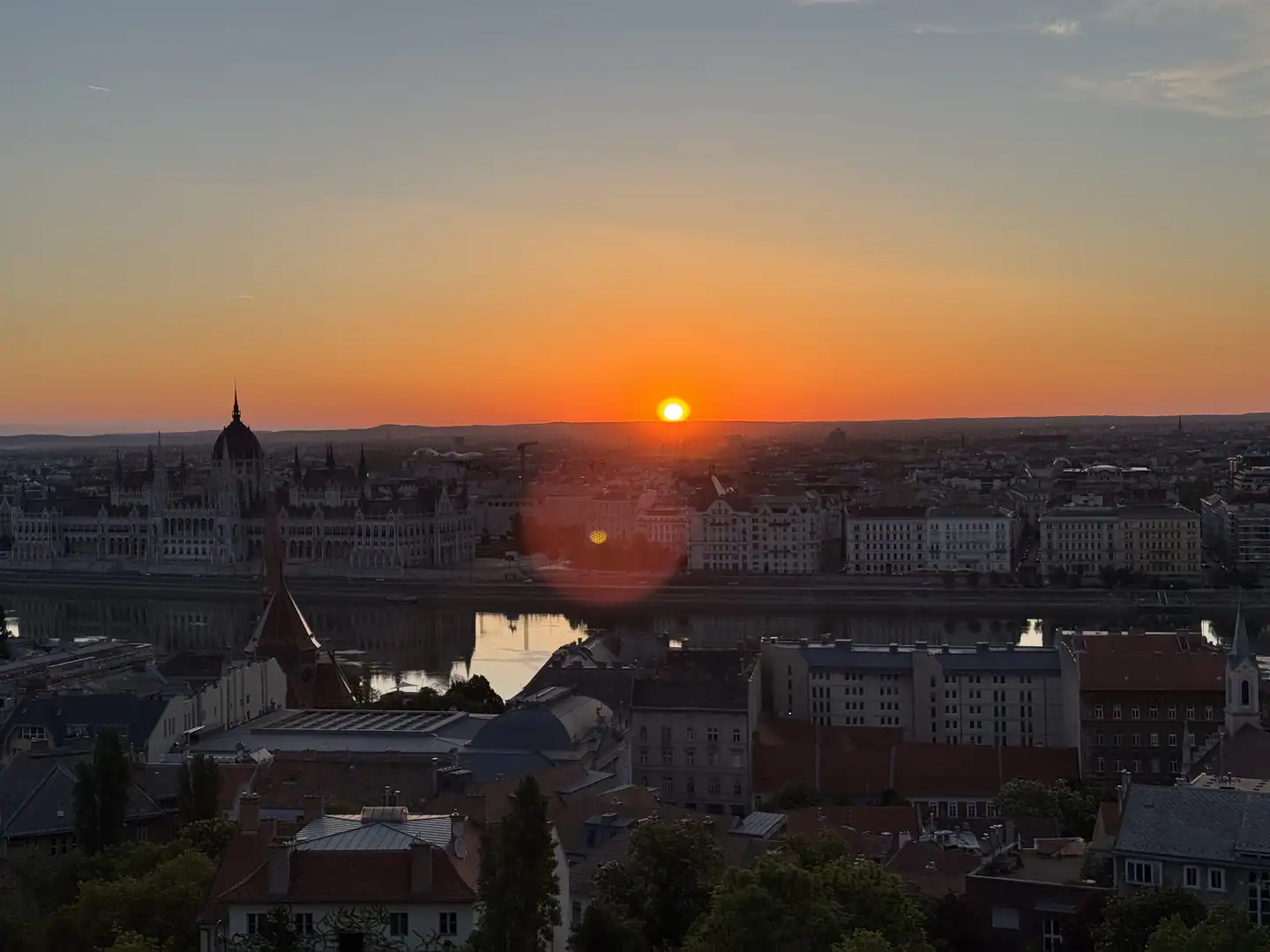
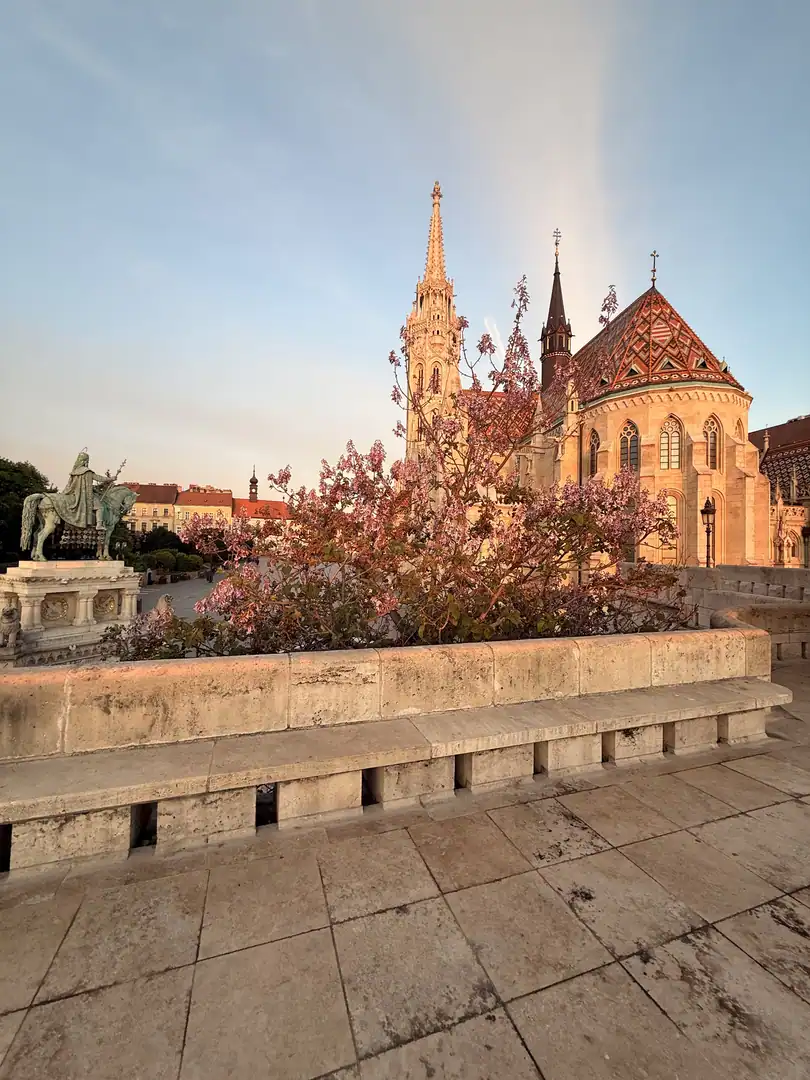


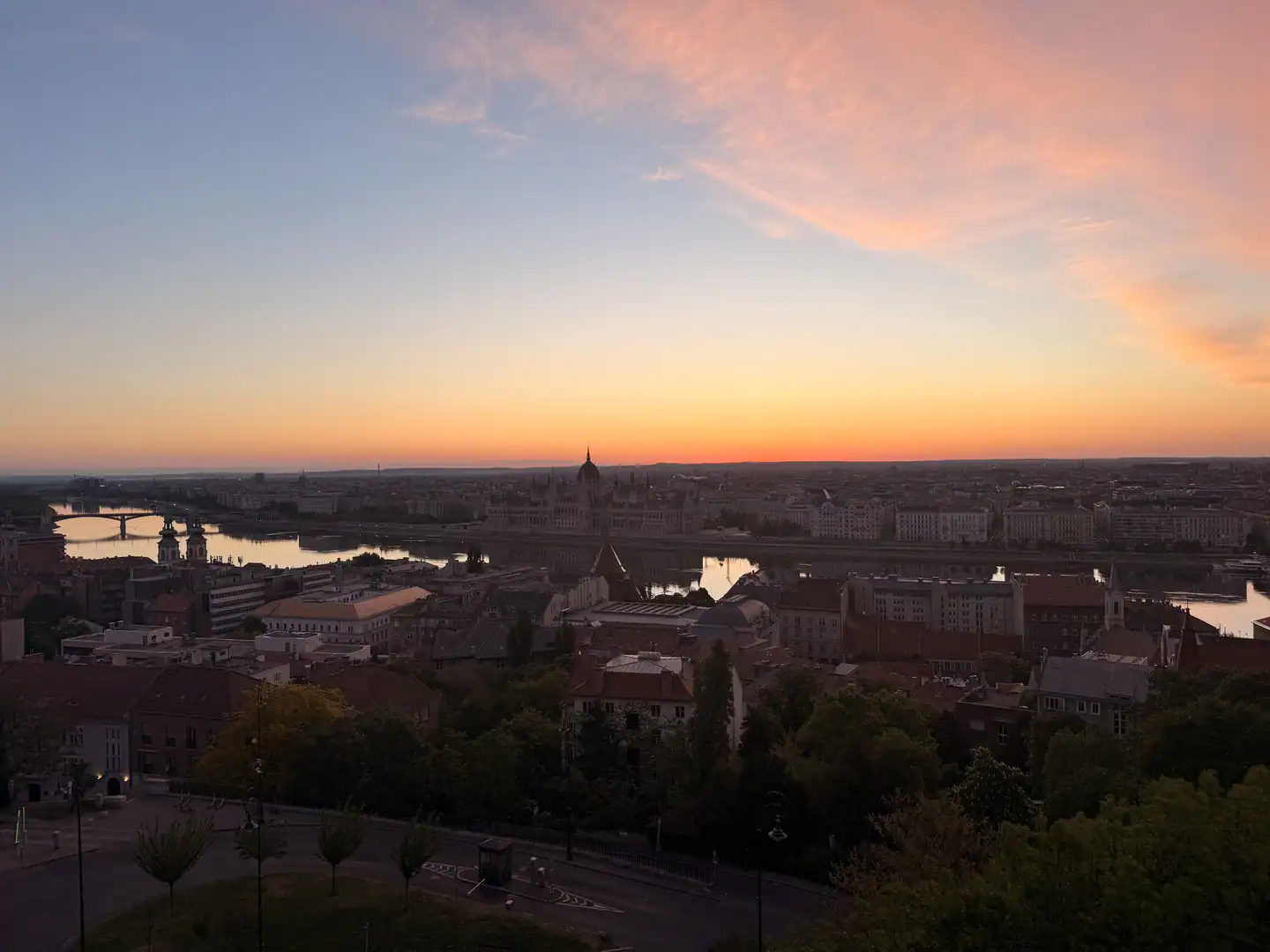

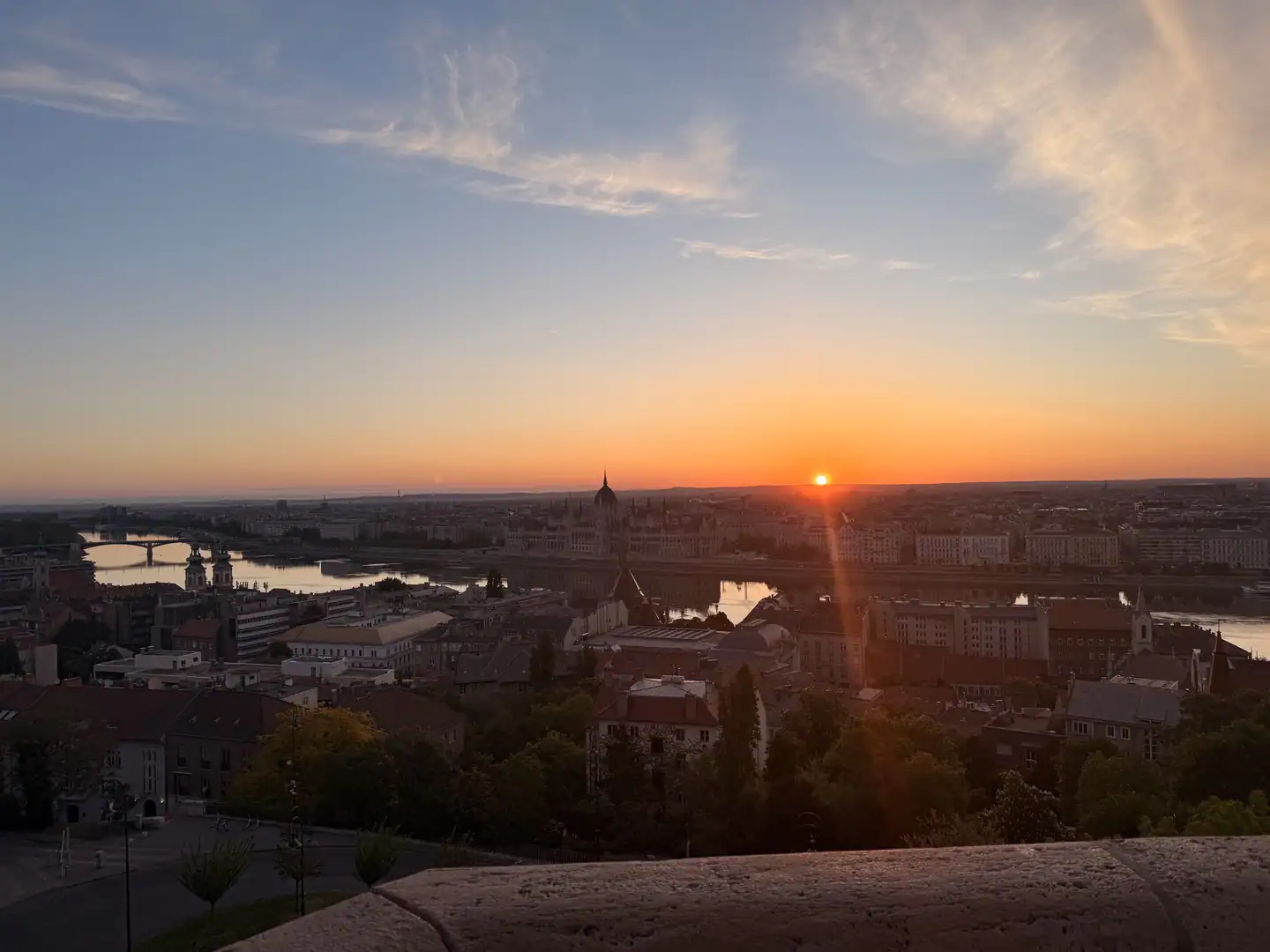
It was one of those scenes that makes you stop talking. Even professionals, even locals who know the skyline by heart, run out of words when light behaves like that.
A local’s pride hits differently than a tourist’s awe
I’ve traveled enough to recognize tourist awe when I see it. Two weeks earlier I’d been in Rome, doing what everyone does: Trevi Fountain, Pantheon, Colosseum. I took the photos. I admired the weight of history. I moved on. It was beautiful, yes — but it wasn’t mine.
Two weeks earlier, in Rome
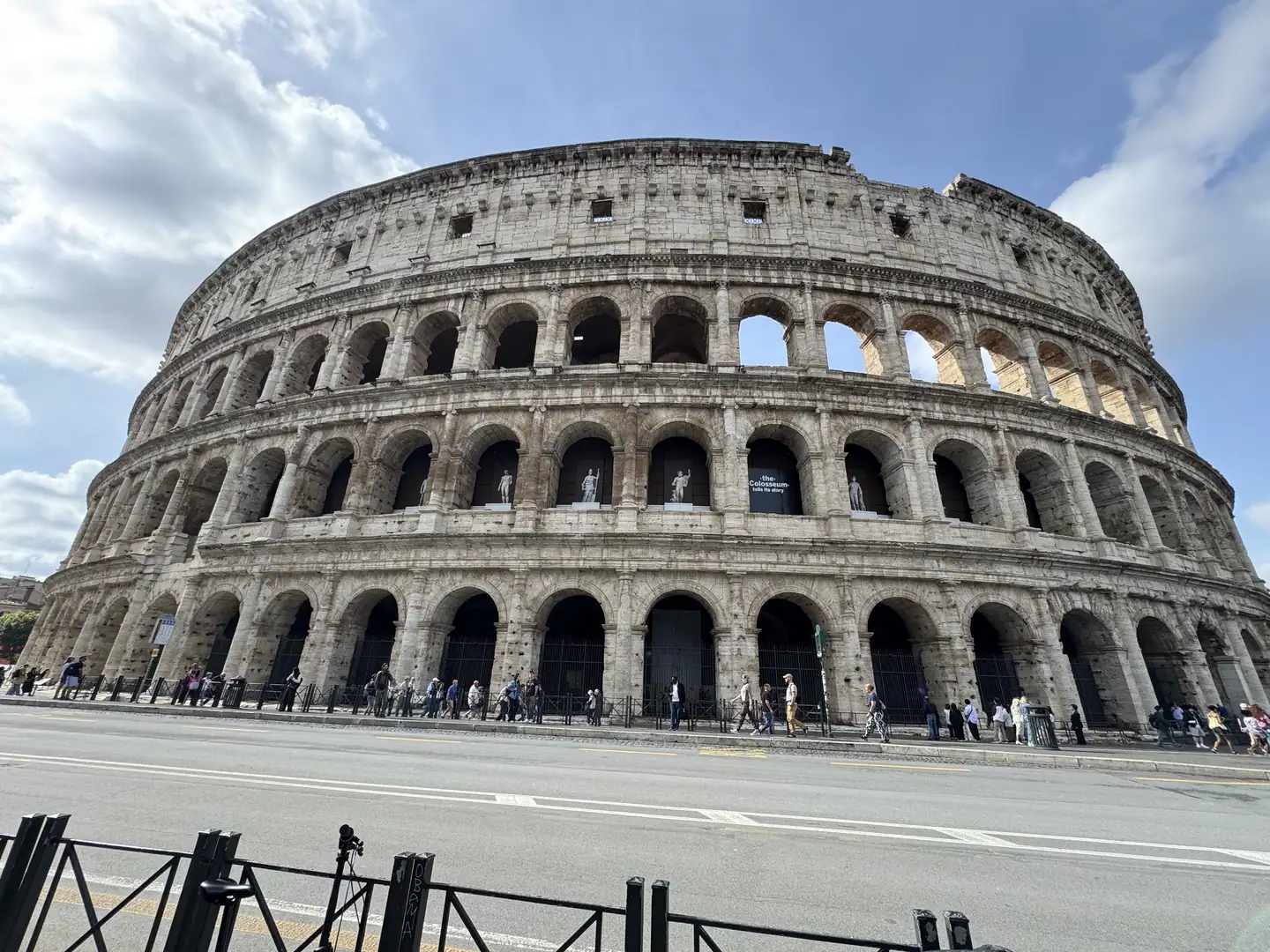


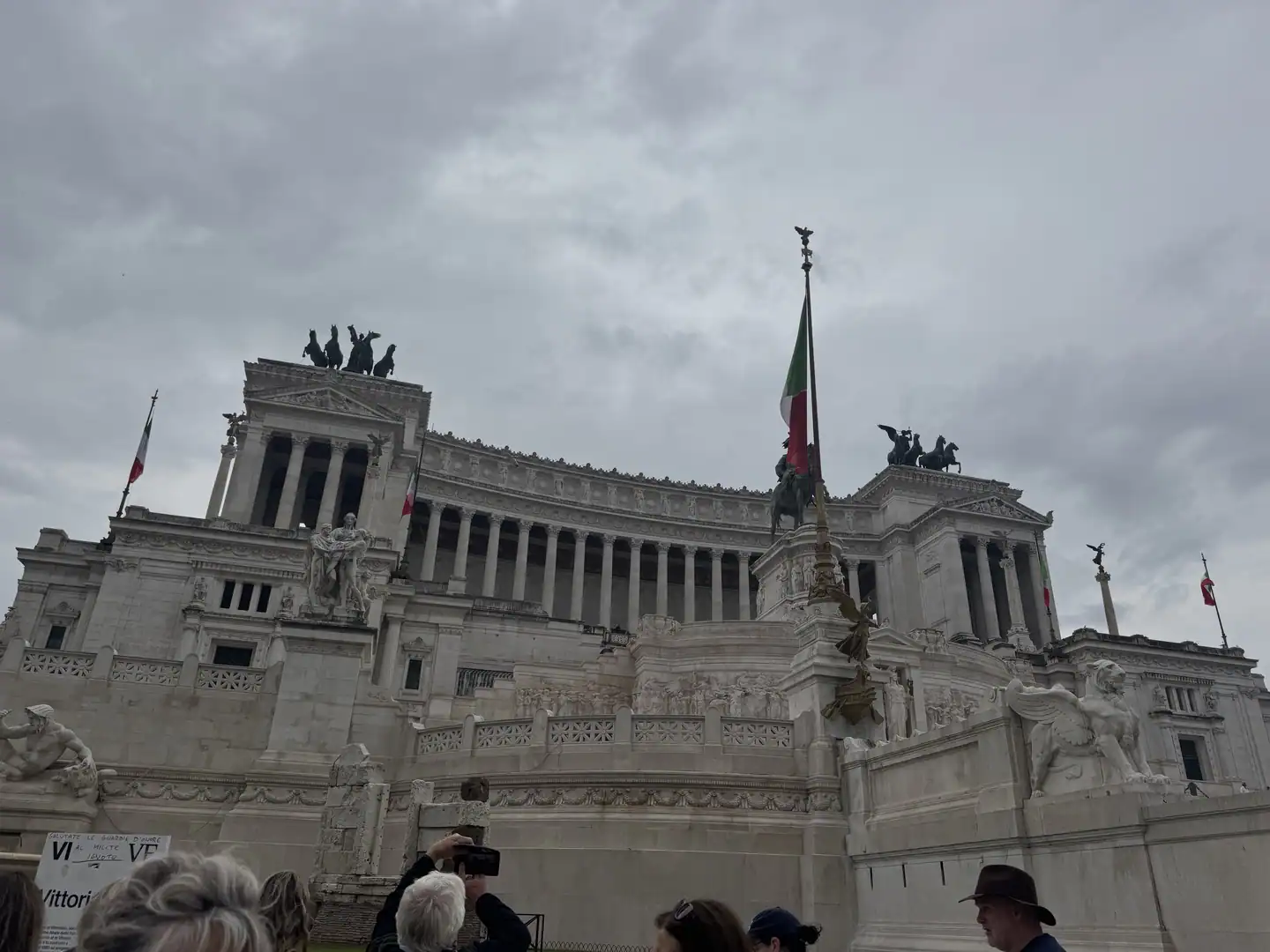

Standing on Castle Hill at dawn, surrounded by travelers whose faces were lit by screens and astonishment, I felt something I didn’t feel in Rome: a deep, almost quiet pride. Not the loud kind. Not the waving-flag kind. The kind that settles in your chest when you realize you belong to a place people dream about.
It’s a strange reversal, watching tourists discover your home with the intensity you sometimes forget to bring to your own mornings. Many of us in Budapest pass these icons every day in traffic. We glance at Heroes’ Square from a car window. We cross the Danube like it’s just another commute. The city becomes background noise — beautiful background noise, but background noise all the same.
Then you climb the hill for a Buda Castle District sunrise, and suddenly the city is not background. It’s the main event.
You stop. You breathe. You hear birds before you hear engines. You feel the cool wind on your face and remember that you live somewhere that can still make you catch your breath.

That morning, my colleague and I exchanged looks that didn’t need translation. The view had done something to us. It reminded us why we do what we do — why we keep testing experiences ourselves, why we keep returning to places we “already know.” Some locations don’t reveal their best self when you rush past them. They require a deliberate pause.
The history, without the lecture
The Buda Castle District isn’t beautiful by accident. It’s a layered landscape shaped by power, faith, defense, and reinvention. Buda’s medieval development, the rise of the royal seat, the long centuries of conflict and rebuilding, and the district’s ongoing restoration have all left marks that you can still read in its streets and silhouettes.
Even if you come only for the view, you’re standing inside a UNESCO World Heritage site, and you feel it — sometimes without realizing why. There is a sense of continuity here, a feeling that the city’s story is visible rather than hidden. The Castle Quarter isn’t a museum behind glass; it’s a functioning neighborhood that happens to carry national memory on its shoulders.

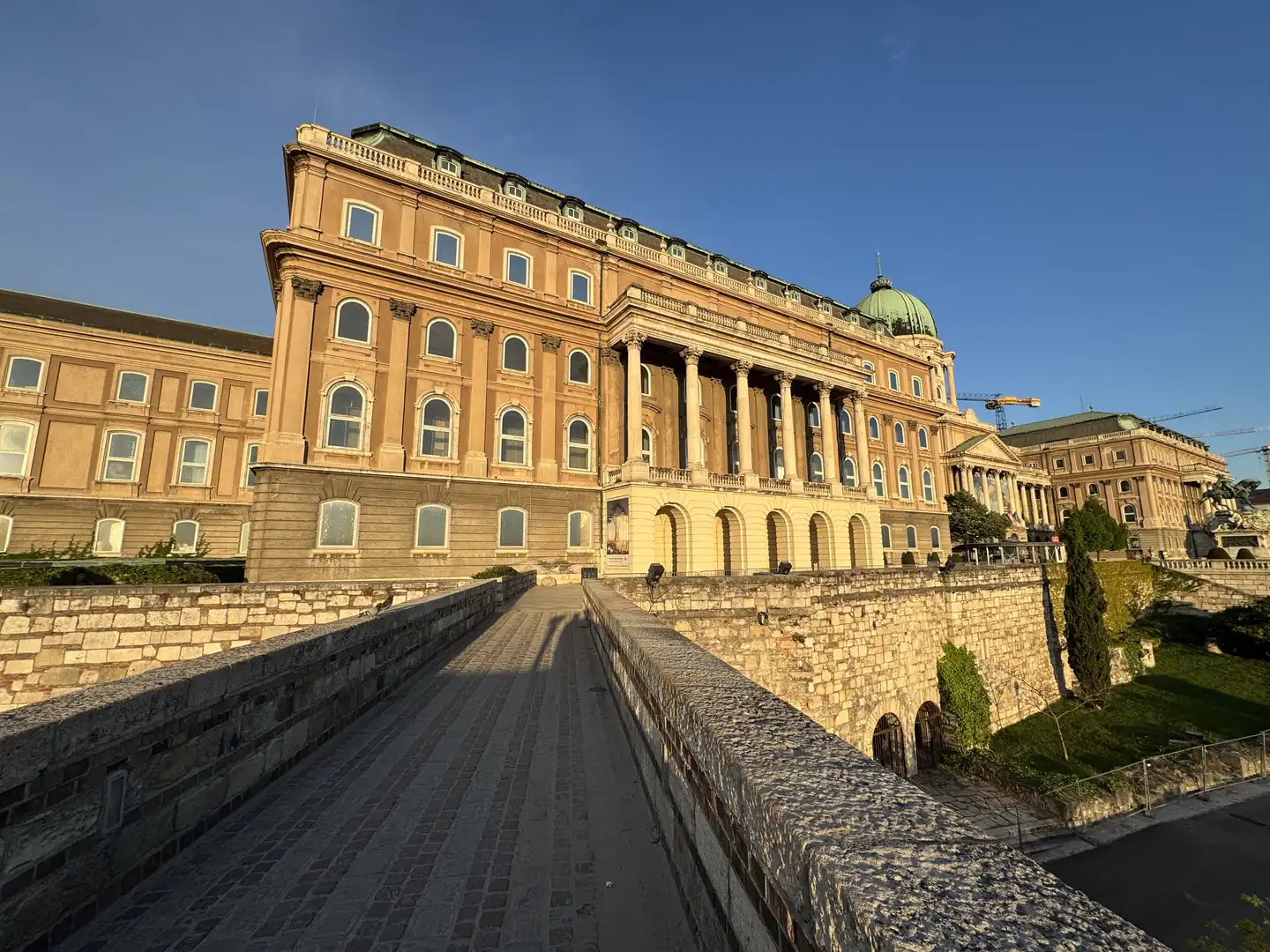
The view from the throne
Every angle, every elevation — what Castle Hill shows you when you take the time to look from more than one spot.




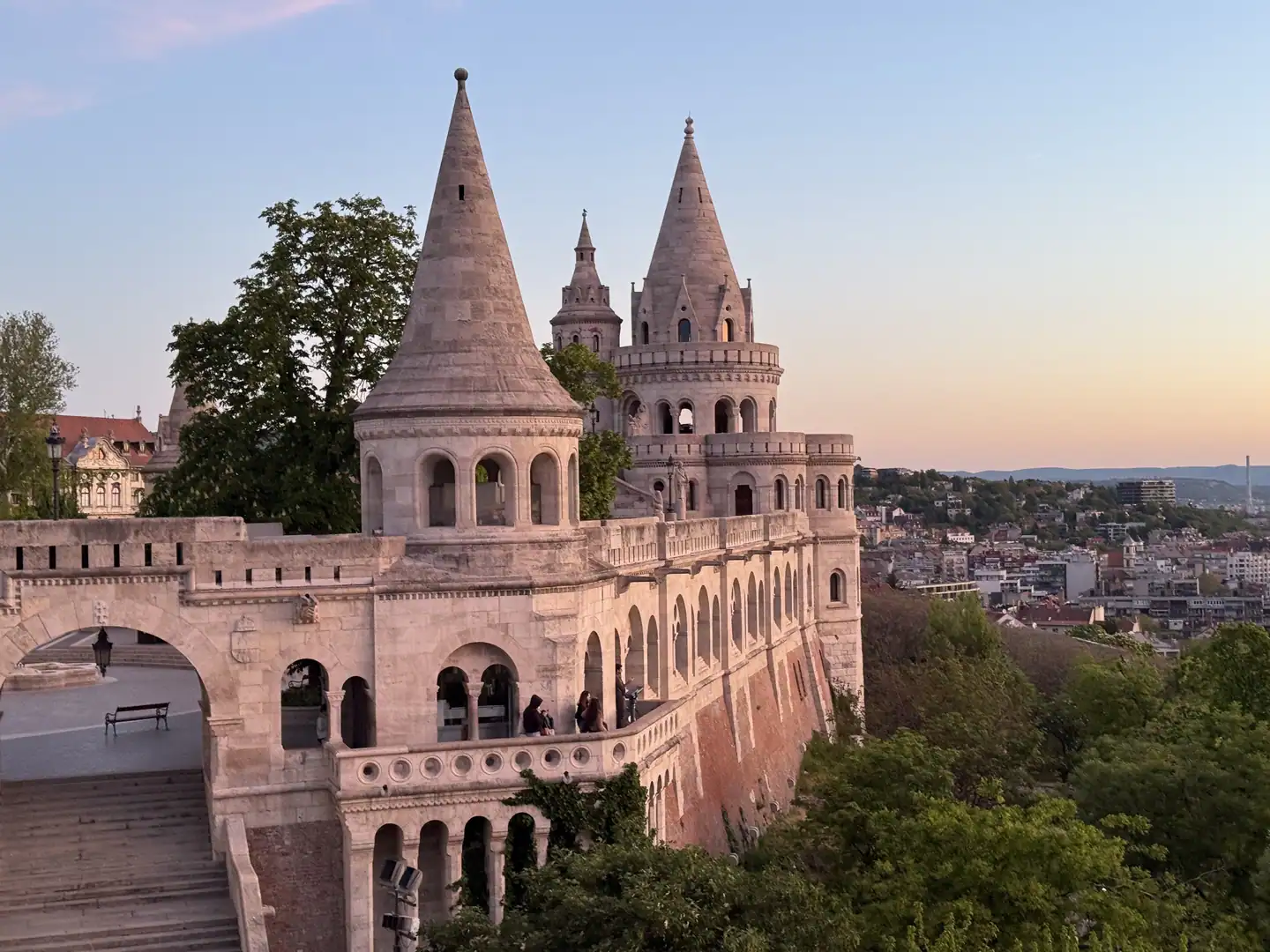

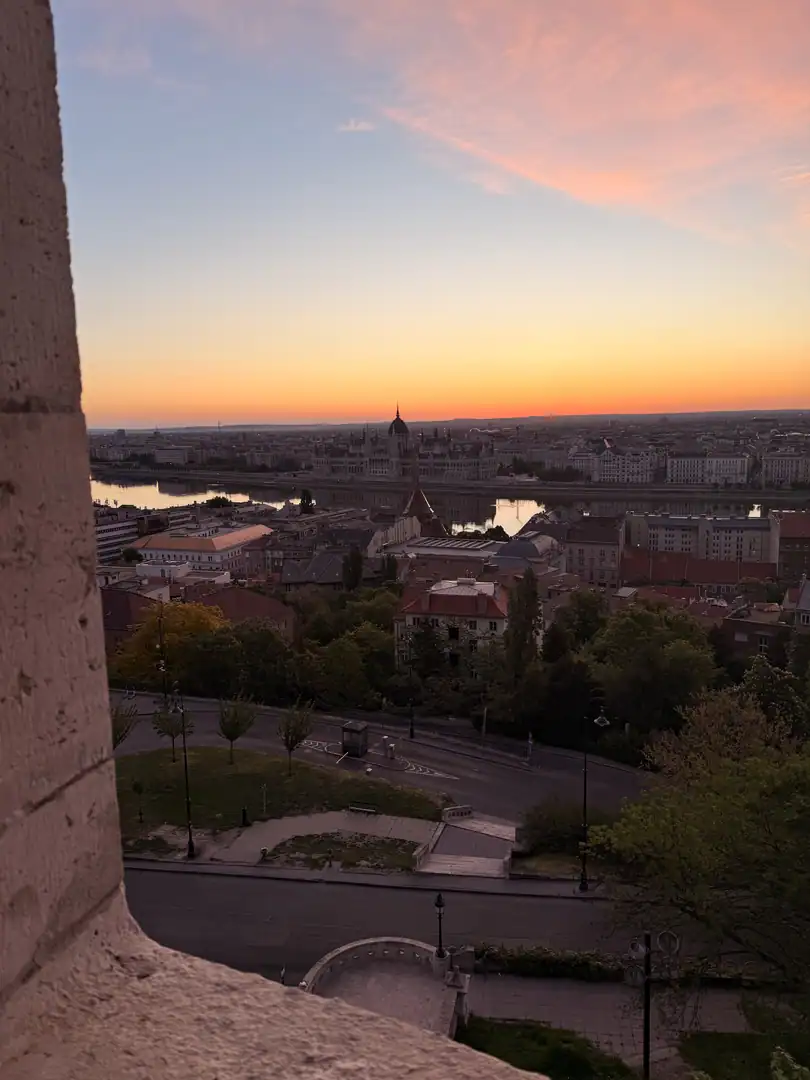
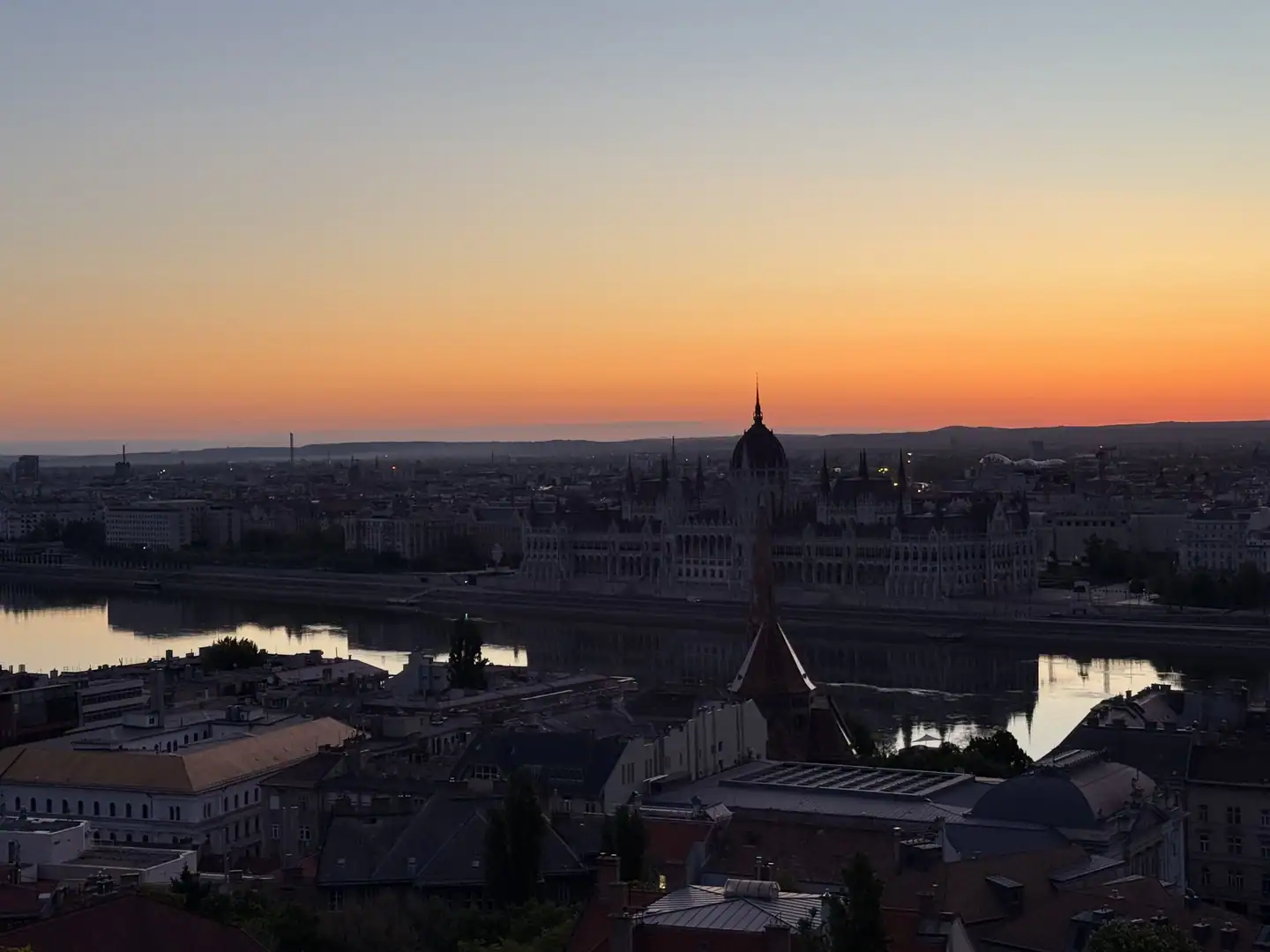

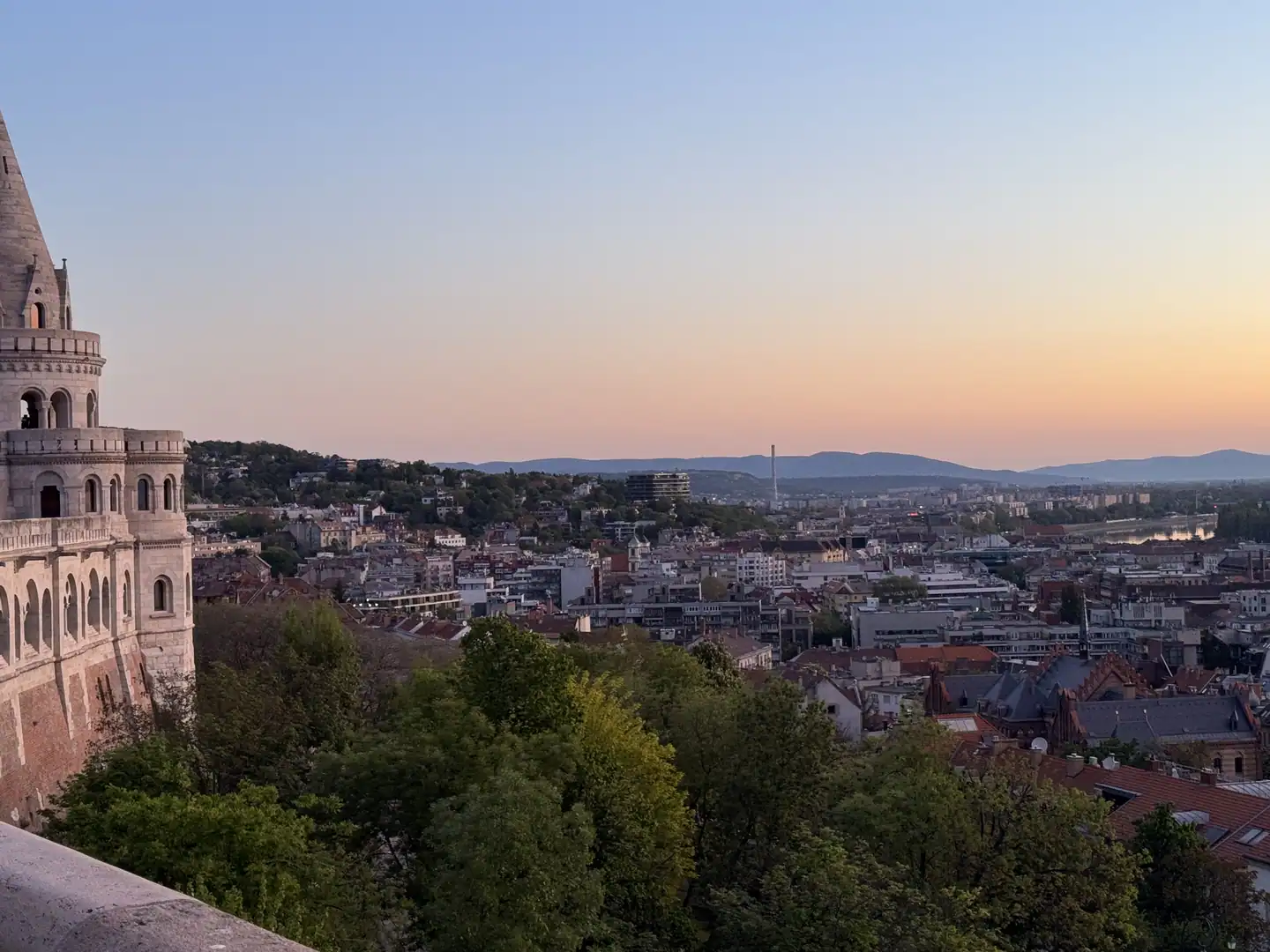


Fisherman’s Bastion itself is part of that story: a romantic vision built to frame a place that mattered, designed to look timeless even though it’s a relatively modern expression compared to the medieval foundations it celebrates. Matthias Church carries deeper chronology, and its identity is inseparable from Hungary’s ceremonies and turning points. Trinity Square, meanwhile, works like a living crossroads where visitors, locals, and history keep bumping into one another.
If you want the full timeline, the institutions and archives have done the heavy lifting beautifully. For the traveler, the important part is simpler: these aren’t random photo backdrops. They are symbols built on top of real events, real eras, and real national chapters — and that’s why they hit so hard when the morning light turns them into something almost unreal.
The quiet hours: when the Castle Quarter feels like it’s yours alone
If you’ve only seen the district in peak daytime flow, you might assume it’s always loud, always crowded, always full of tour groups. It isn’t. The Buda Castle District has moods.

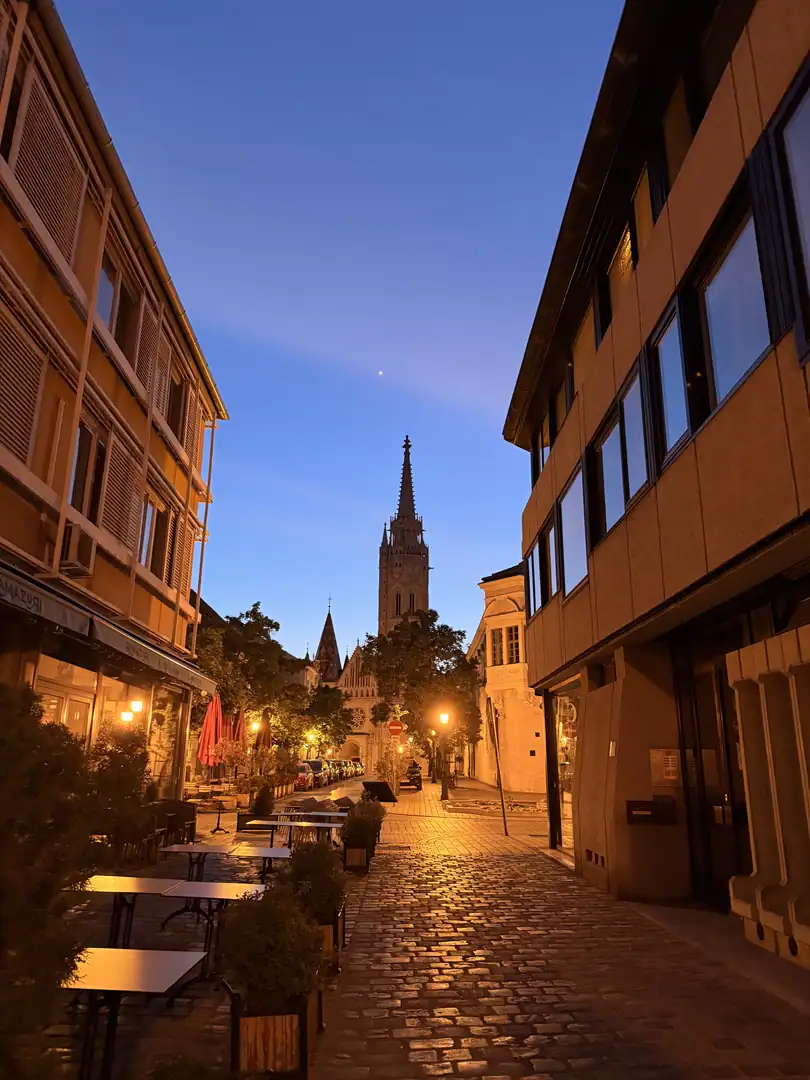
The most intimate version is early morning, especially at sunrise. The crowds haven’t fully arrived, the streets are calmer, and the district feels less like an attraction and more like a neighborhood perched above the city. You notice details you miss later: the sound your steps make on cobblestones, the scent of cool air carrying traces of spring, the way the façades shift color as the sun climbs.
Spring, especially mid-April, is a sweet spot for this kind of walk. It’s warm enough during the day to enjoy long hours outside, but mild enough that you’re not fighting heat. And if you want to warm up afterward, Budapest’s thermal baths do what they’ve always done: they reset your body temperature and your mood.
Just dress smarter than we did. Before dawn, wind on Castle Hill doesn’t care that it’s “spring.” Bring a layer you can peel off later. You’ll thank yourself when you’re standing exposed on the terraces, waiting for the city to ignite.
The district’s quietest hour
Before the crowds arrive — when the Castle Quarter feels less like an attraction and more like a neighborhood perched above a sleeping city.







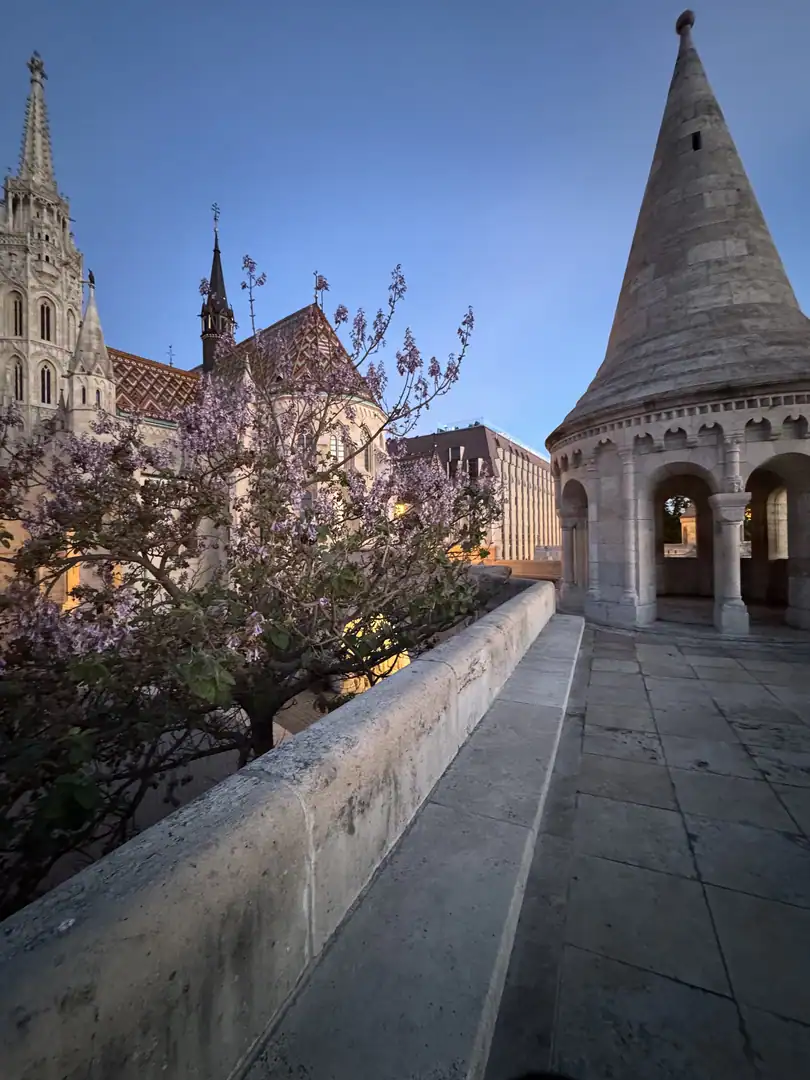
Our dawn route: how we walked it, and how you can, too
We stayed faithful to the mission. Fisherman’s Bastion first, because the skyline is the headline. We photographed and filmed the panorama — Parliament, the Danube, Margaret Island, the sweep of Pest — then worked the Bastion itself from multiple levels, catching its arches and stairways as they brightened.


From there we moved through Trinity Square, circling Matthias Church from different vantage points — both from the square and from nearby angles that let the roof and towers dominate the frame. Then we walked deeper into the Castle Hill atmosphere, toward the Royal Palace area and the cultural spine where the Hungarian National Gallery sits, and where the city’s political and ceremonial buildings also claim their space.
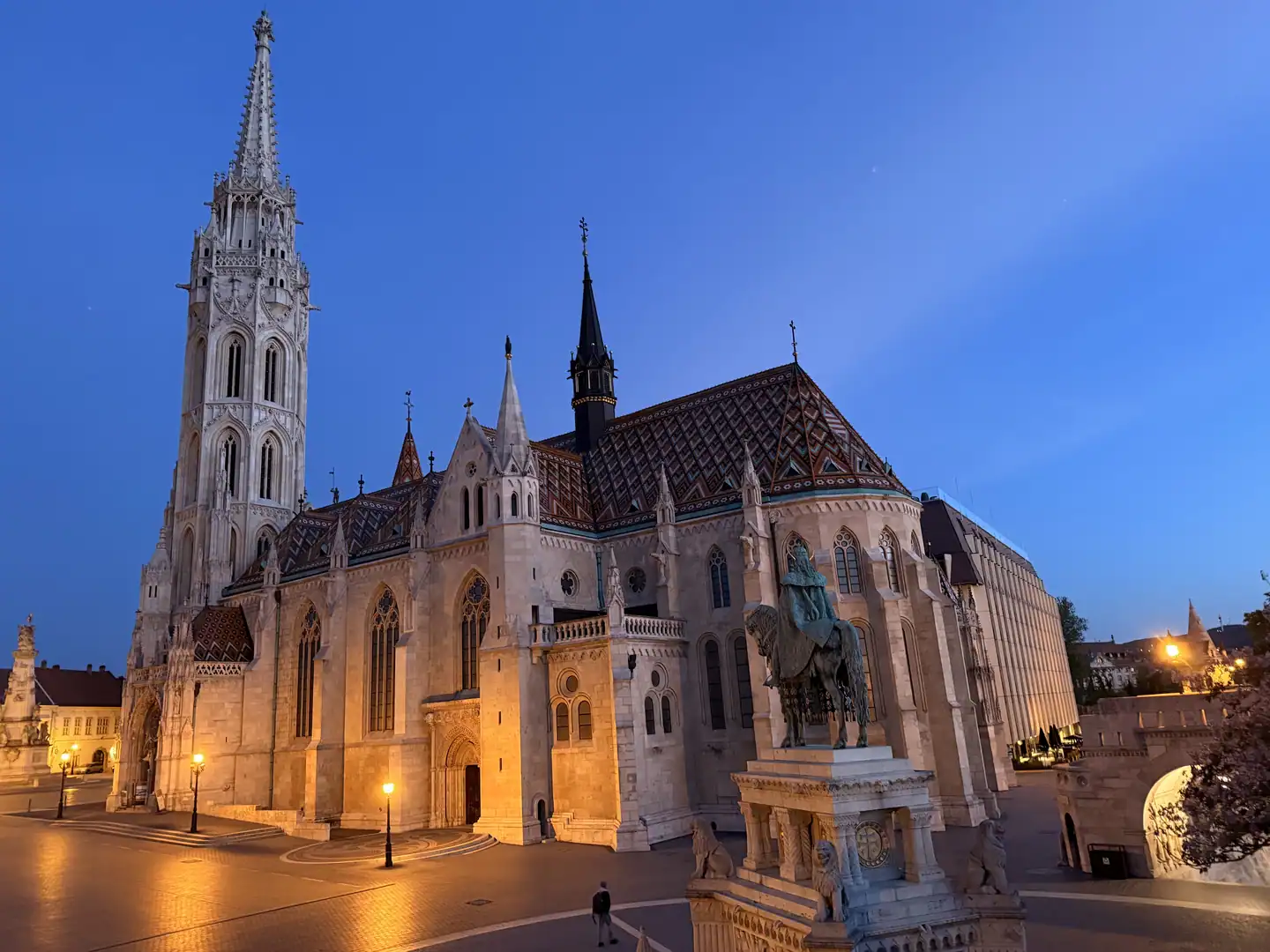
Every step gave us a different Budapest. From one corner you get storybook stonework and delicate curves. From another you get a wide, almost cinematic outlook toward Gellért Hill. The district rewards walking slowly. It rewards stopping.

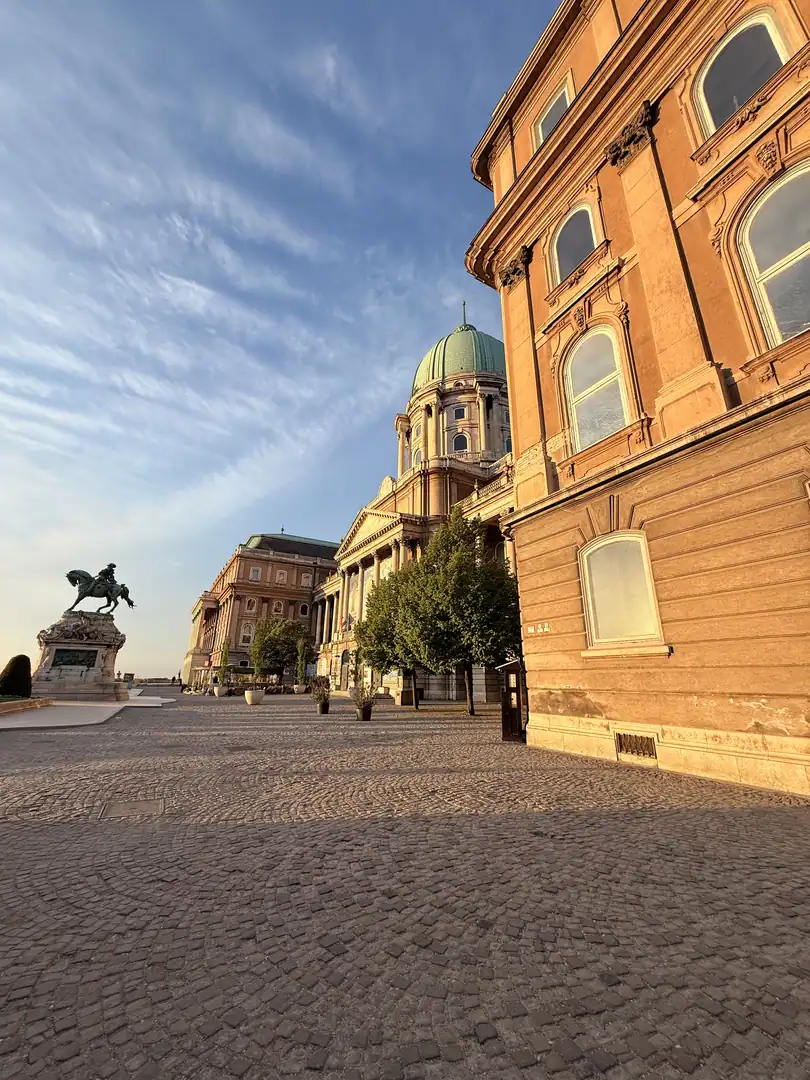

And that’s the point: this isn’t a checklist. It’s a place to linger.
How VanBudapest.com fits into this experience, naturally
We receive an enormous number of requests connected to the Buda Castle District — week after week, season after season. People want the classic highlights, yes, but they also want the timing that makes the experience feel personal: early-morning starts, photo-focused routes, private walking tours with the right pace, and smooth logistics that don’t waste precious hours.


The difference between a good Castle District visit and an unforgettable one is often simple: arriving at the right moment, with the right plan, without friction. That’s exactly where we come in. VanBudapest.com — Since 1988 has built its reputation on getting people to Budapest’s defining places comfortably, privately, and with the kind of calm professionalism that lets the destination be the drama.
If you’re planning a sunrise mission, a guided Castle Quarter walk, a museum-focused morning at the Hungarian National Gallery, or a private transfer up to the hill with a schedule that actually works, we’ll set it up the way locals do — clean, precise, and unhurried.
Let us handle the logistics. You handle the view.
Private transfers, tailored sunrise routes, guided Castle Quarter walks, and museum-focused mornings — arranged the way locals do it. Clean, precise, and unhurried.
Final thought: the view is famous, but the feeling is the souvenir
The Buda Castle District earns its reputation at any hour. At midday it’s bright and alive. At sunset it’s theatrical. But at sunrise — especially in spring, when the air is crisp and the city hasn’t fully shaken off sleep — it does something else. It makes you slow down. It makes you see the place, not just photograph it.
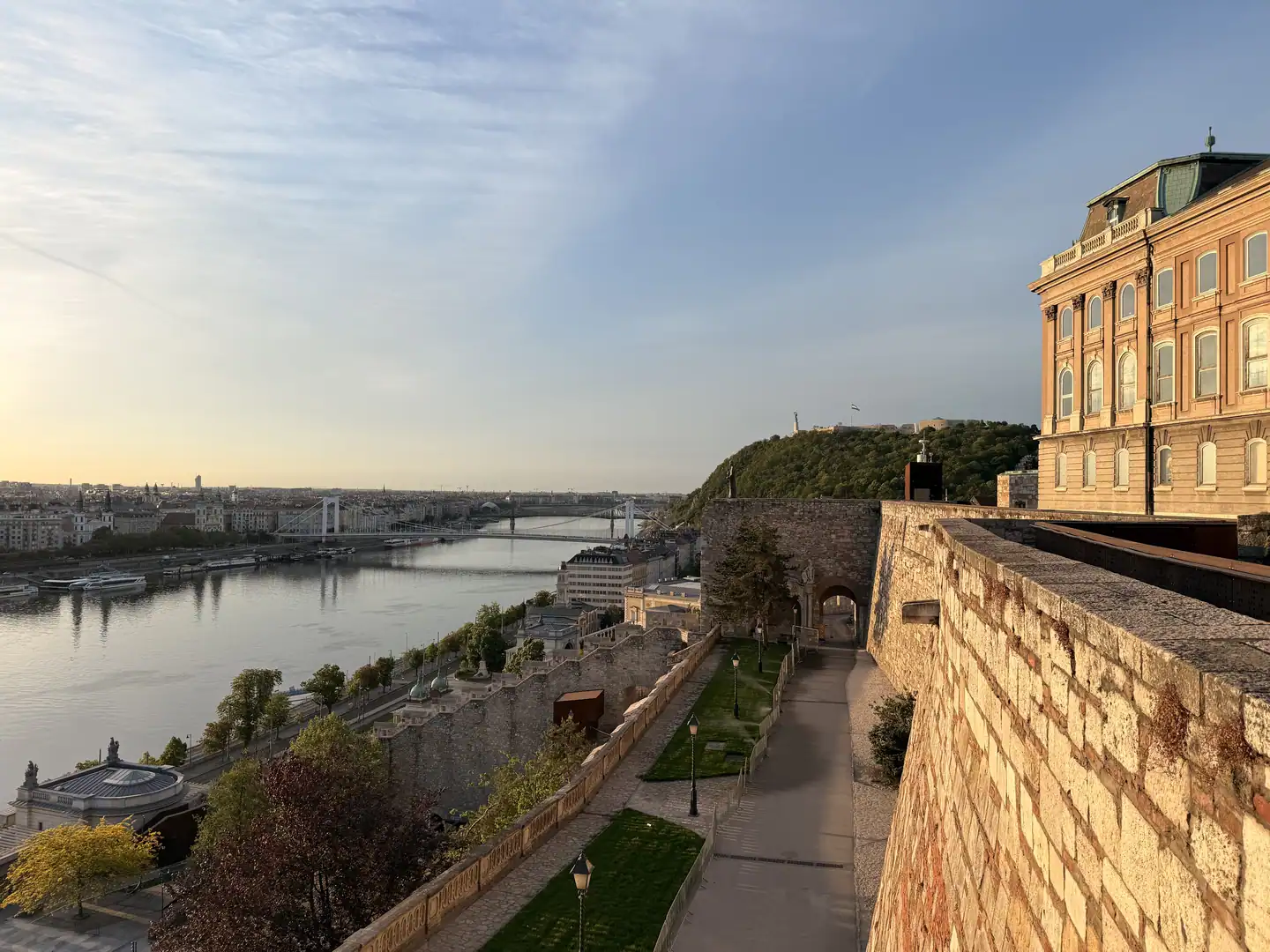
That morning, surrounded by visitors who had flown in to witness what we sometimes take for granted, I felt the rare gift of looking at Budapest with fresh eyes — then realizing those eyes were still mine, still local, still proud.
The photos will live on our site. The memory will live longer. And if you ever wonder whether it’s worth waking up before the sun for a view, Castle Hill answers without hesitation.


Frequently Asked Questions
Everything you need to plan your own Castle District sunrise visit — timing, weather, pacing, and what to wear.
What’s the best time to see a Buda Castle District sunrise?
Arrive before first light so you can settle in and watch the skyline change. Sunrise offers the calmest atmosphere and the most dramatic progression of light over the Danube and Parliament.
Is Fisherman’s Bastion worth visiting if I’m not into photography?
Yes. Even without a camera, the terraces deliver one of Europe’s most memorable urban panoramas, and the surrounding Castle Quarter is a rewarding walk of architecture, history, and atmosphere.
How long should I plan for Fisherman’s Bastion, Trinity Square, and Matthias Church?
For a relaxed visit, plan at least two to three hours, especially if you want time to walk slowly, explore viewpoints, and take in the district beyond the main terrace.
What should I wear for a sunrise visit in spring?
Dress in layers. Mid-April can feel warm during the day, but mornings on Castle Hill can be chilly and windy. A light jacket and an extra layer make the experience far more comfortable.