
Liverpool FC — The Complete Club Guide 1892–2026
History, trophies, icons, records, the Hungarian connection, and everything you need to know about the Reds ahead of the Puskás Aréna final
Let’s be honest: from a Hungarian perspective, Liverpool has become the Premier League club we follow most closely. The reason is simple and proudly specific: Liverpool now has three Hungarian players on the books — Ármin Pécsi as a developing goalkeeper, Milos Kerkez at left-back, and Dominik Szoboszlai, the globally recognised headline name. Szoboszlai is the one the world already knows; for us, he is also the reason weekend fixtures feel personal. So yes: we are watching, we are invested, and we are shouting it with our whole chest — come on Liverpool, come on Szoboszlai.
This article is built as a full, structured club encyclopedia: history, trophies, icons, records, managers, ownership, stadium, academy, transfers, the present-day squad, the Champions League story, and Liverpool’s unique connection to Budapest and the Puskás Aréna.
1. Club History
Foundation, Identity, and the Anfield Breakaway
Liverpool Football Club was formed in 1892 after a split with Everton over the use and terms of Anfield. John Houlding, left with an empty ground, created a new club — and Liverpool were born. The early identity was shaped quickly: the club climbed through the English league system and established itself among the country’s major sides in the first half of the 20th century.
The Shankly Revolution
If you want the single turning point that made Liverpool “Liverpool”, it is Bill Shankly. From 1959, Shankly modernised everything: recruitment discipline, training intensity, standards, and a fierce collective identity that felt bigger than any individual. The modern Liverpool culture begins here — not as nostalgia, but as operating principles.
The Boot Room Dynasty and European Dominance
Shankly’s legacy didn’t end with his departure. It became institutional through the Boot Room era: Bob Paisley and Joe Fagan turned continuity into a competitive weapon. Liverpool didn’t just win domestically; they became the defining English European power, lifting the European Cup multiple times and building the aura that still frames the club today.
Modern Peaks: Istanbul, Madrid, and the Next Chapter
Liverpool’s modern myth is anchored by the 2005 Champions League triumph in Istanbul and the 2019 Champions League win in Madrid — both part of the club’s ongoing habit of turning high-pressure nights into lasting stories. In the 2020s, the club moved into a new cycle: Arne Slot arrived after Jürgen Klopp, won the Premier League in his first season, and then faced the reality every Liverpool era eventually meets — sustaining excellence while the squad evolves.
2. Trophies and Honours
Liverpool’s honours list is not “big club marketing”. It is hard currency — league titles, European Cups, domestic cups, and international trophies.
Major Domestic Honours
English League titles: 20, including the Premier League title won under Arne Slot in 2024–25. FA Cup: 8. League Cup: 10. Community Shield: multiple wins across eras, reflecting sustained presence at the top of English football.
Major European and International Honours
European Cup and UEFA Champions League: 6 titles, the most by an English club. UEFA Cup and Europa League: 3 titles. UEFA Super Cup: 4 titles. FIFA Club World Cup: 1 title.
3. Legendary Players
Liverpool’s legends are not just the best footballers. They are identity-shapers — players whose style matched the club’s demands.
The Icons Who Defined Eras
Kenny Dalglish: the archetype of Liverpool greatness, as player and leader.
Ian Rush: the club’s all-time leading scorer, still the benchmark for pure finishing.
Steven Gerrard: the modern symbol of Liverpool responsibility, presence, and belief on big nights.
John Barnes: elegance and invention in an era that demanded both bravery and brilliance.
The Modern Global Faces
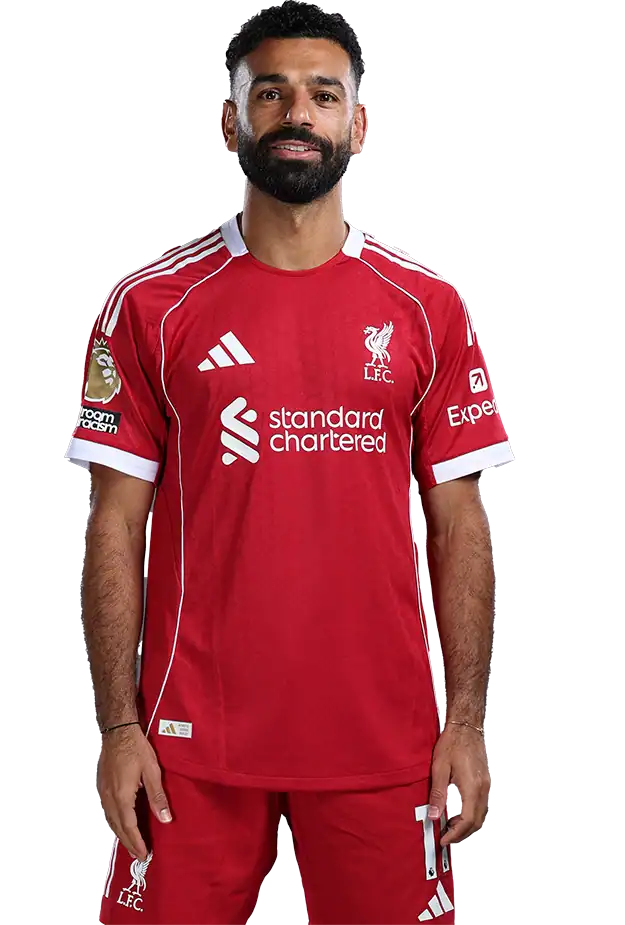
Mohamed Salah: a modern Liverpool icon whose output and influence defined the Klopp era’s peak years — and whose impending departure has become a major storyline of 2026.
Virgil van Dijk: captain, organiser, and the defensive pillar of Liverpool’s recent trophy cycle.
4. Most Prolific Players
All-Time Leading Scorers and Appearance Leaders
Ian Rush: 346 goals, Liverpool’s all-time top scorer.
Liverpool’s appearance record is held by Ian Callaghan, a symbol of longevity and consistency across eras.
The Modern Scoring Standard
Mohamed Salah’s Liverpool numbers place him among the club’s most productive attacking players of any era, and his 2026 situation matters because replacing that output is not about finding “another Salah”. It is about redesigning the attack so the goals come from multiple sources.
5. Managers in Chronological Order
Liverpool is a club where the manager’s identity becomes part of the club’s identity. The most important thread is continuity: Liverpool repeatedly turned internal knowledge and cultural clarity into competitive advantage.
All Liverpool Managers from 1892 to the Present
W. E. Barclay
John McKenna
Tom Watson
David Ashworth
Matt McQueen
George Patterson
George Kay
Don Welsh
Phil Taylor
Bill Shankly
Bob Paisley
Joe Fagan
Kenny Dalglish
Ronnie Moran
Graeme Souness
Roy Evans
Roy Evans and Gérard Houllier
Gérard Houllier
Rafael Benítez
Roy Hodgson
Kenny Dalglish
Brendan Rodgers
Jürgen Klopp
Arne Slot
The Three Eras That Explain Liverpool’s “How”
Shankly: modern foundations, standards, and belief.
Paisley and Fagan: conversion of culture into European dominance.
Klopp: elite modernisation, Champions League and Premier League titles, global resurgence.
Slot’s era is still being written. The story, as of early April 2026, is that he has already proven he can win the league — and is now being tested by performance volatility and squad transition.
6. Chairman and Ownership
Liverpool is owned by Fenway Sports Group, with Tom Werner as chairman. The modern era has been defined by measured infrastructure investment, data-informed recruitment, and an attempt to keep Liverpool competitive at the elite level without losing the club’s cultural core.
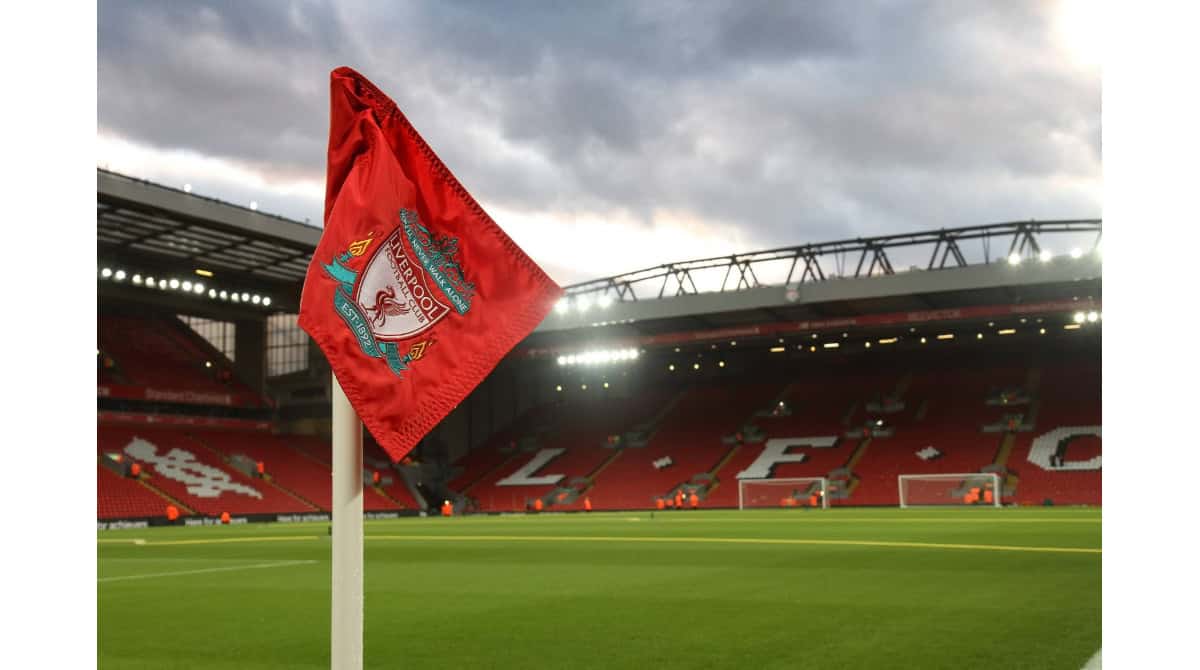
7. Stadium: Anfield
Anfield is more than a stadium — it is competitive context. It shapes how Liverpool play and how opponents experience Liverpool.
Origins and Evolution
Built in 1884 and used by Everton before Liverpool took over in 1892.
Modern Expansion and Capacity
Anfield has been expanded in phases, with the modern redevelopment era pushing capacity to roughly the low 60,000s. The ground’s modern shape is the result of deliberate rebuilding rather than relocation — Liverpool chose to deepen the Anfield experience instead of abandoning it.
8. Academy and Player Development
Liverpool’s academy pipeline matters because it provides three competitive advantages at once:
Talent production. Cost control and squad depth. Cultural continuity.
In the modern era, the club has consistently integrated academy graduates into first-team minutes — not just as token appearances, but as usable squad components across competitions.
9. Landmark Transfers
Liverpool’s greatest signings are not simply the most expensive. They are the ones that solved structural problems.
Historic, Era-Defining Deals
Kenny Dalglish: a foundational signing that helped turn Liverpool’s dominance into a sustained dynasty.
Mohamed Salah: a modern recruitment masterstroke, delivering elite output year after year.
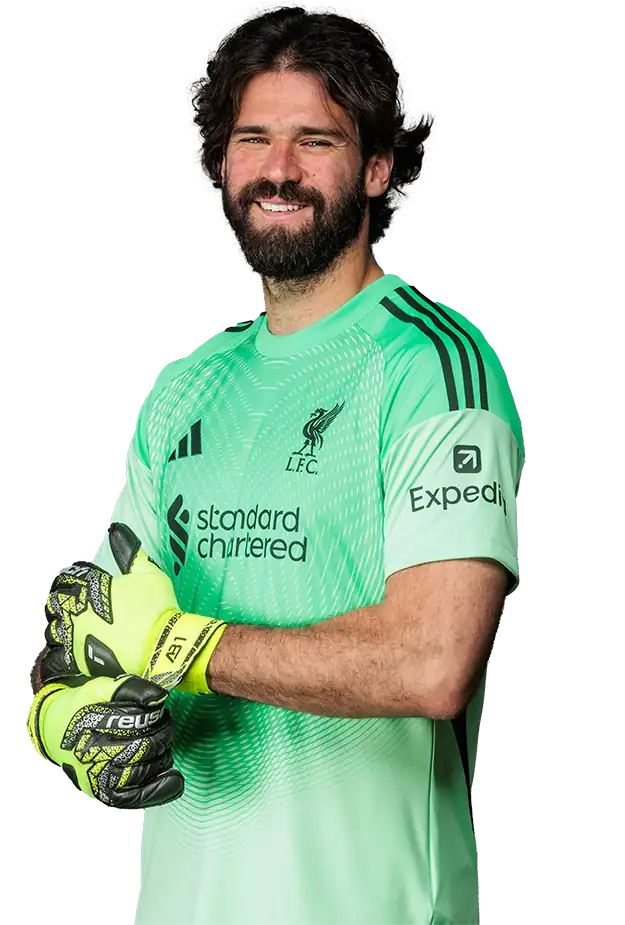
Virgil van Dijk and Alisson: the defensive and goalkeeping spine that made trophy seasons possible.
The 2025 Summer That Reshaped the Squad
The 2025–26 season is defined by major incomings that were intended to refresh the core:
Florian Wirtz · Milos Kerkez · Jeremie Frimpong · Giorgi Mamardashvili · Hugo Ekitiké · Alexander Isak
10. Records and Club Benchmarks
Liverpool’s records are a map of what “elite” looks like at Anfield.
The Defining Individual Records
All-time top scorer: Ian Rush with 346 goals.
One of the club’s most durable appearance benchmarks belongs to Ian Callaghan.
The Defining Modern Performance Marker
The Klopp-era Premier League peak remains a reference point for points pace, tactical intensity, and psychological edge — and it continues to be the internal standard against which later teams are judged.
11. Active Players and First-Team Squad
As of early April 2026, Liverpool’s first-team group reflects a club mid-transition: proven winners, prime-age starters, and high-upside recruits.
Goalkeepers
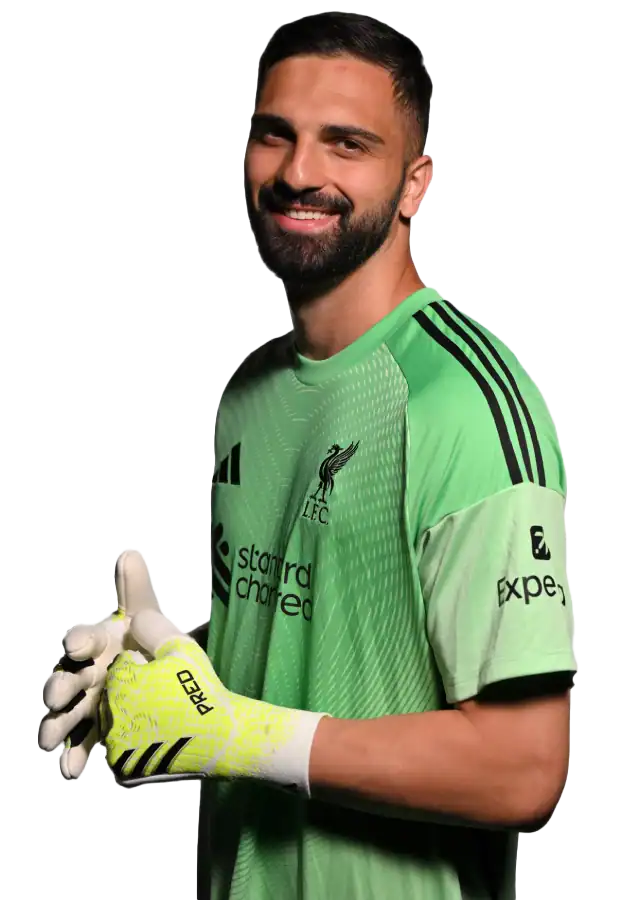
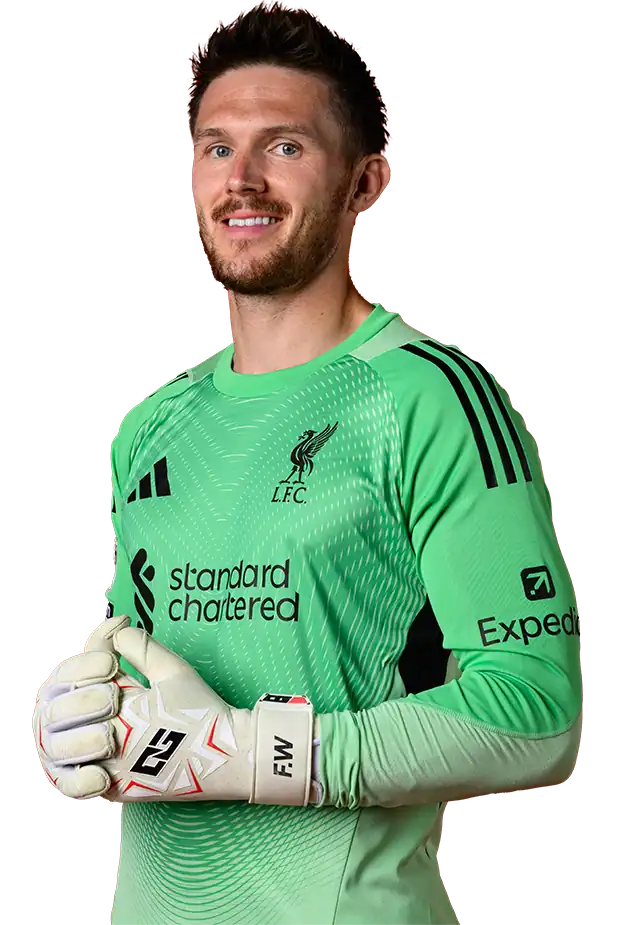
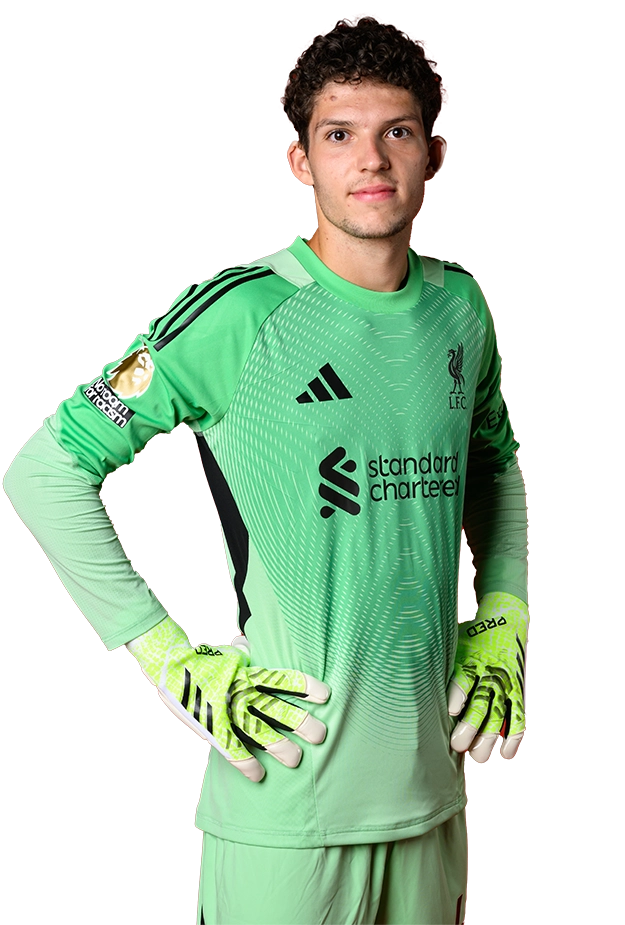
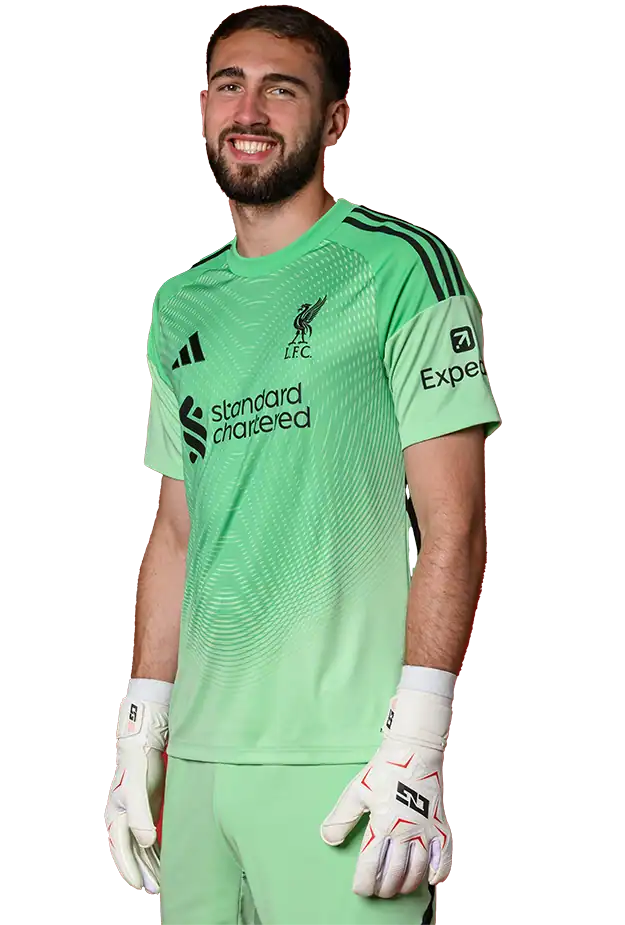

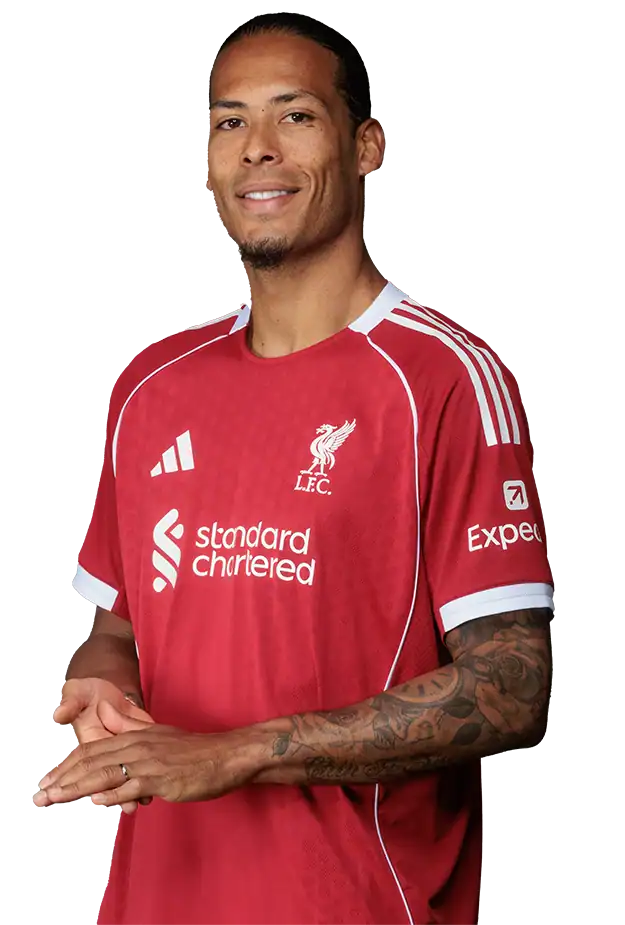
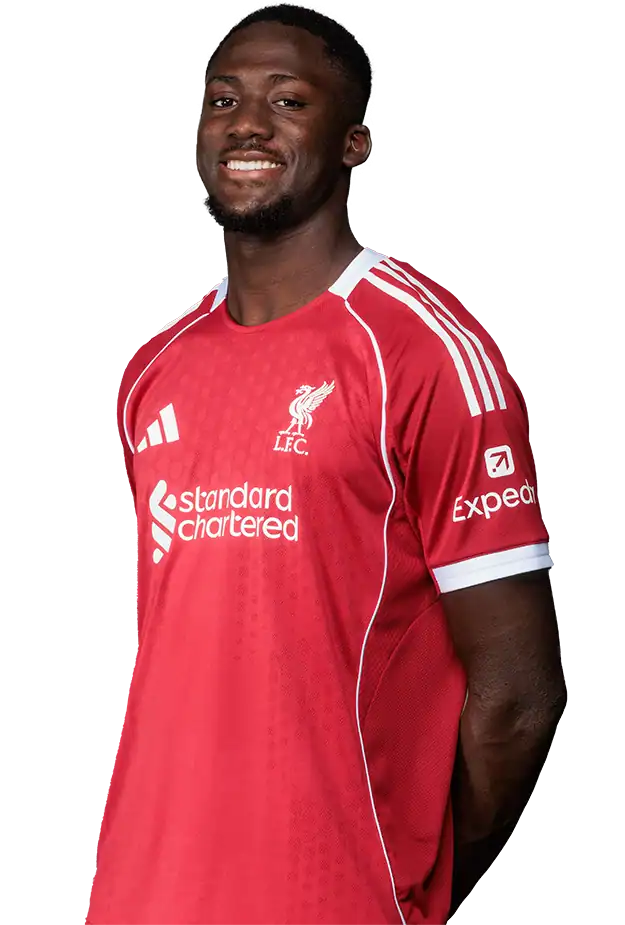
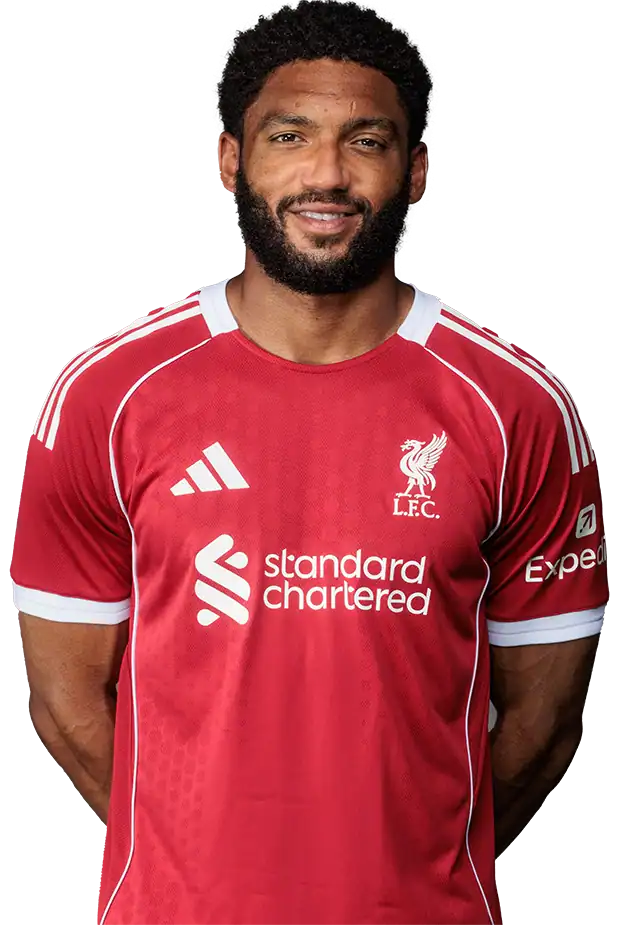
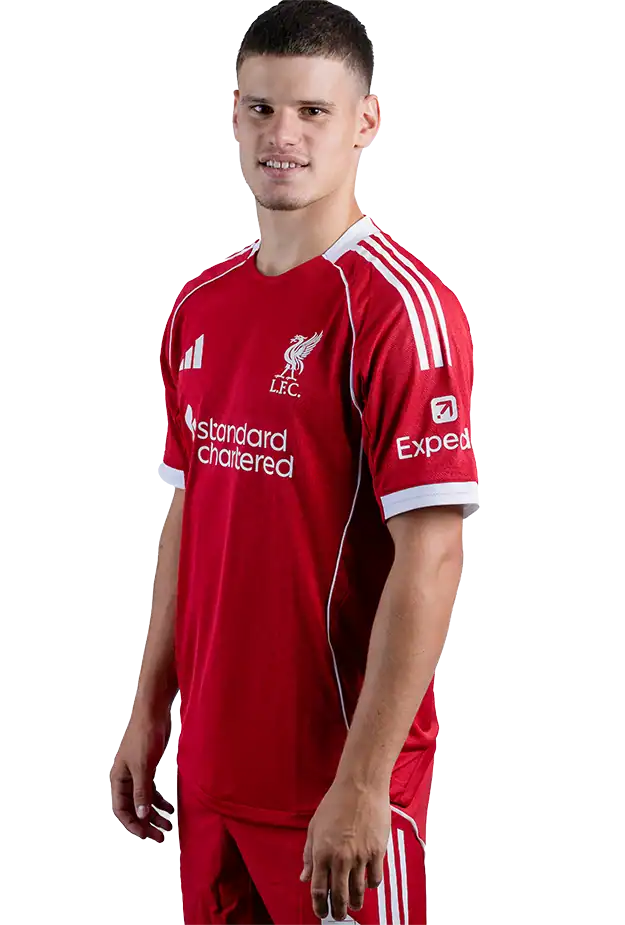
Defenders


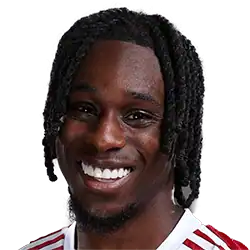


Midfielders
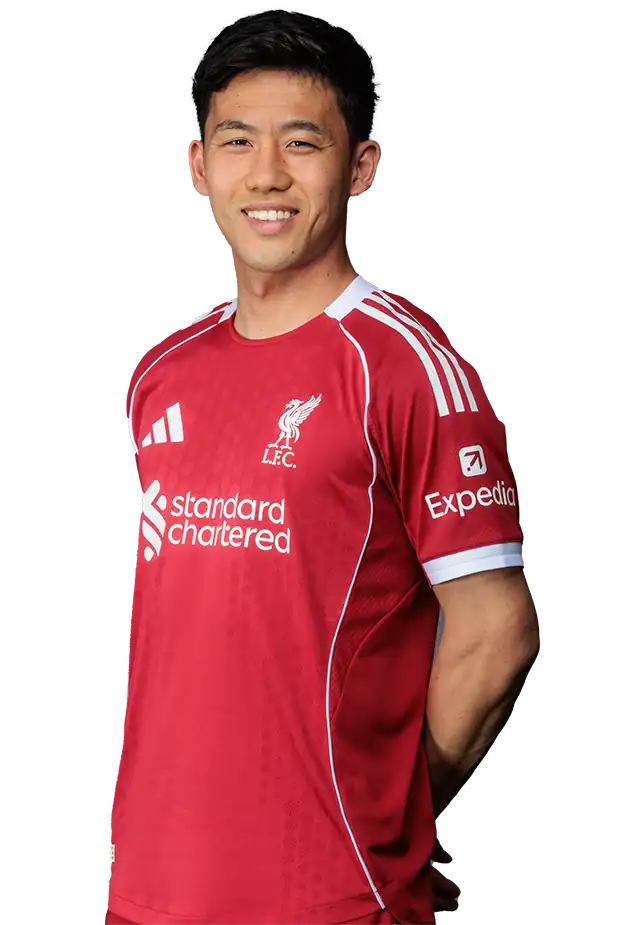
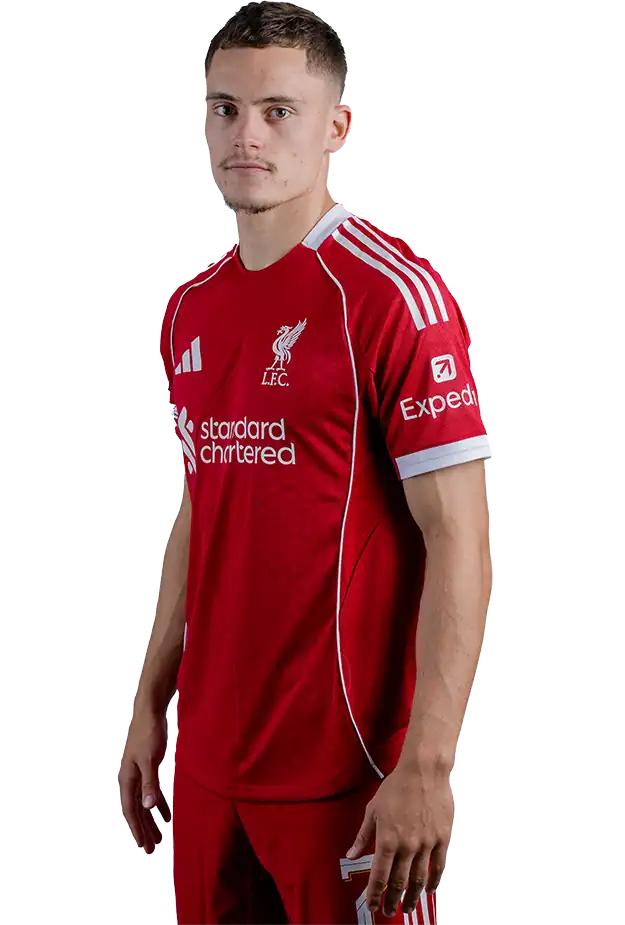
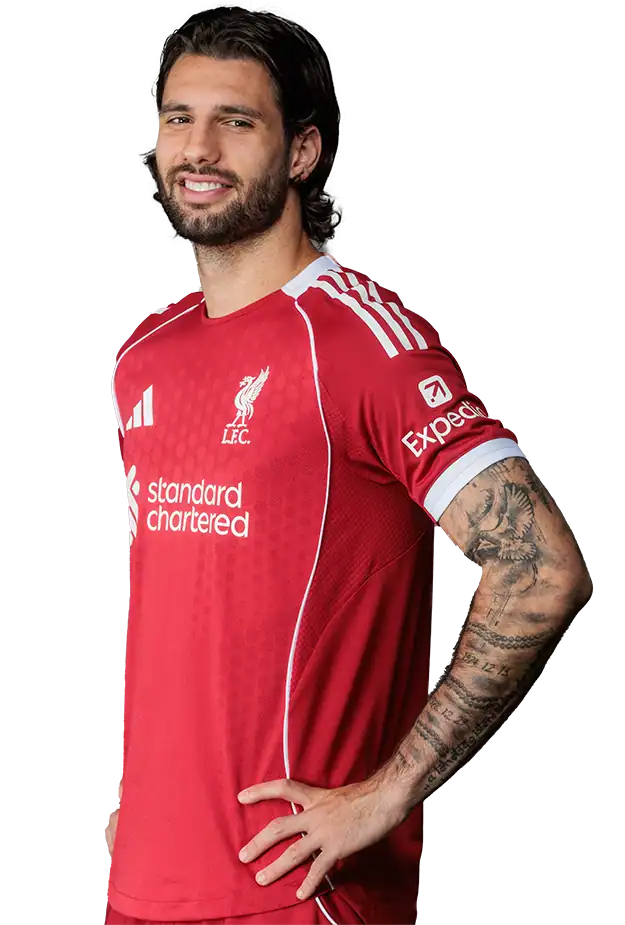



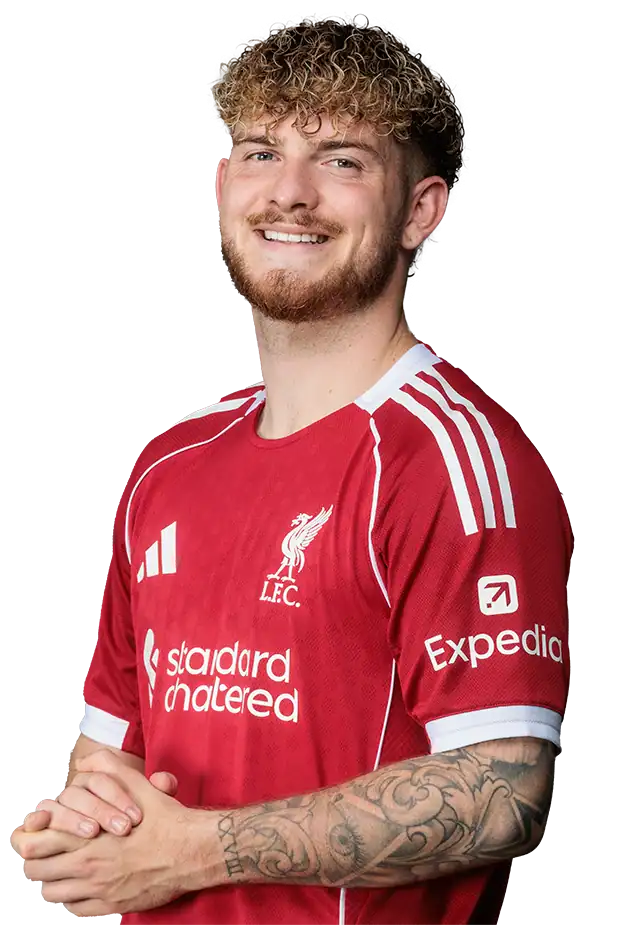



Forwards
Liverpool’s forward unit for 2025–26 is designed to spread responsibility across multiple profiles, especially with Salah’s departure looming:
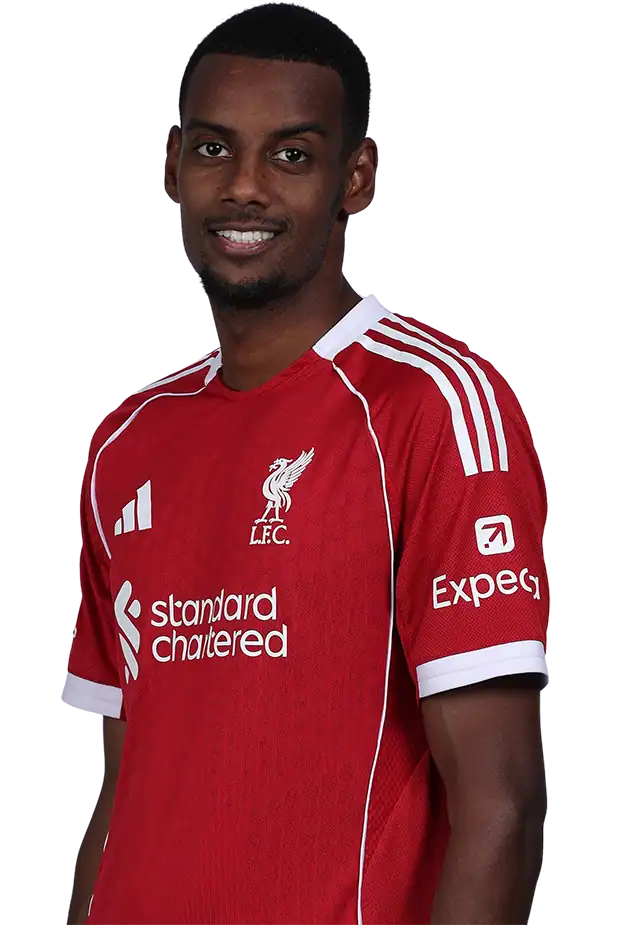


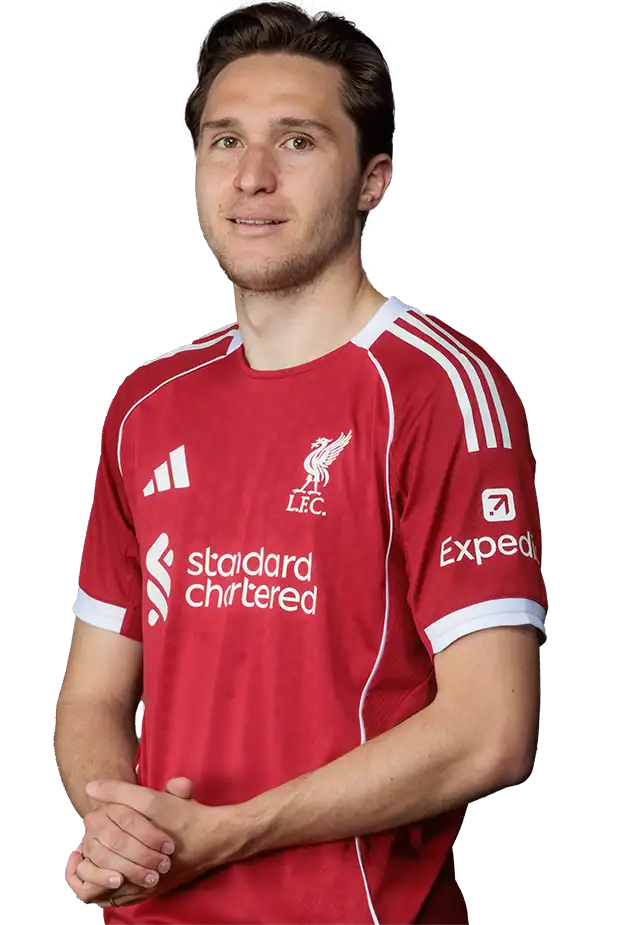
If you want the short, professional read on what this squad construction means: Liverpool are trying to evolve from a Salah-centric output model into a more distributed scoring and chance-creation ecosystem, with Wirtz positioned as a creative hub and Isak and Ekitiké offering different striker solutions.
12. Champions League: Appearances and Outcomes
Liverpool’s European Cup and Champions League record is not just strong — it is identity. Six wins is a defining English benchmark.
Why Liverpool’s European Story Still Matters Now
In April 2026, Liverpool’s Champions League run is part of the wider conversation around Slot’s season: European progression can change the emotional temperature of a campaign, even when domestic form is unstable.
13. Connection to Budapest and the Puskás Aréna
Budapest is not a random pin on Liverpool’s map — it is a meaningful modern chapter.
The Puskás Aréna as a Liverpool Stage
Budapest’s Puskás Aréna is scheduled to host the UEFA Champions League final on 30 May 2026, a historic first for the venue in this competition.
Why This Matters for Hungarians Following Liverpool
If Liverpool reach Budapest in May, the narrative writes itself: Hungary’s national stadium hosting the biggest club match in Europe, with Hungarian players on Liverpool’s books, and a fanbase here that is emotionally invested for reasons that go beyond general Premier League popularity.
14. Hungarian Players: Past and Present
Liverpool’s Hungarian link used to be a footnote. In 2026, it is a storyline.
Earlier Hungarian Links
István Kozma · Péter Gulácsi · Ádám Bogdán
The Current Hungarian Trio
Dominik Szoboszlai
The headline name, and one of Liverpool’s most consistent performers in a turbulent 2025–26 campaign.
Milos Kerkez
A modern full-back profile, signed to bring intensity and athletic width.
Ármin Pécsi
A development-path signing with long-term logic, and a rare direct bridge from a top Hungarian academy environment into a Liverpool squad structure.
Key Takeaways
- Liverpool’s modern identity is built on three linked engines: culture, continuity, and elite-level standards.
- Arne Slot already has a Premier League title on the ledger, but 2025–26 shows how quickly pressure returns when transition meets expectation.
- The Hungarian connection is no longer symbolic: Szoboszlai, Kerkez, and Pécsi make Liverpool uniquely relevant to Hungarian fans right now.
- Budapest is part of this season’s European landscape: the Champions League final is scheduled at the Puskás Aréna on 30 May 2026.
FAQ
Why is Liverpool so widely followed in Hungary right now?
Because Liverpool currently has three Hungarian players on the books — Dominik Szoboszlai, Milos Kerkez, and Ármin Pécsi — which makes the club feel directly connected to Hungarian football.
When and where is the 2026 Champions League final?
The 2025–26 UEFA Champions League final is scheduled for 30 May 2026 at the Puskás Aréna in Budapest.
Who is Liverpool’s head coach in 2026?
Liverpool’s head coach is Arne Slot, who took over after Jürgen Klopp and won the Premier League in his first season in charge.
Sources and Further Reading
Travelling to Budapest for the Champions League Final?
VanBudapest.com has been providing premium transportation in Hungary since 1988. From airport transfers to match-day VIP chauffeur service — arrive at the Puskás Aréna in style.
VanBudapest.com — Exclusive Travel Solutions Since 1988