FC Barcelona crest logo with blue and red stripes, yellow border, and football emblem

FC Barcelona: The Complete Club Dossier (1899–2026) — History, Identity, Squad, Camp Nou, and the Road to Budapest

FC Barcelona Club Dossier 2026 — VanBudapest
Est. 1899
UCL Club Dossier 2025/26

FC Barcelona
Més que un club

The complete club dossier: history, identity, squad, Camp Nou, and the road to Budapest. Everything you need to know about one of football’s most iconic institutions — from 1899 to the 2026 UCL Final at Puskás Aréna.

5× UCL Champions 32× Copa del Rey Budapest 2026

Key Takeaways

🏛️

Més que un clubFC Barcelona is a sporting institution and a cultural symbol built on identity, membership, and a recognizable football philosophy.

🏆

Elite trophy cabinet5 UCL titles, 28 La Liga crowns, and a record 32 Copa del Rey trophies define their domestic and European supremacy.

👔

Stable 2026 leadershipJoan Laporta re-elected President and Hansi Flick head coach — two key pillars of the rebuild era.

🏟️

Camp Nou evolvingSpotify Camp Nou now operating at 62,652 capacity, with the Espai Barça transformation ongoing in phases.

UCL quarter-finalsBarcelona vs Atlético Madrid: first leg April 8 at Spotify Camp Nou, second leg April 14 in Madrid.

🇭🇺

Budapest is the destinationThe 2026 UCL Final is set for May 30 at Puskás Aréna, 18:00 CEST — Barça’s Hungarian legacy comes full circle.

Club History

FC Barcelona was founded in 1899, driven by Joan (Hans) Gamper, who gathered players from different backgrounds to form a team in Barcelona. From the beginning, the club had an “intercultural” core — foreign and local influences mixing naturally — and that openness became part of its identity.

The motto “Més que un club” (“More than a club”) later became the world’s most famous shorthand for a club that represents more than football — especially as Catalan identity faced pressure through Spain’s political turns.

Barcelona’s early decades were about building legitimacy: local trophies, expanding membership, and establishing football as a mass culture in the city. The shift from a small sporting project to a social institution happened through organization, crowds, and continuity.

The Spanish Civil War hit Barcelona hard — politically and institutionally. The club became a target and a symbol. This is where Barcelona’s “identity club” narrative stops being marketing and becomes lived history: survival under pressure.

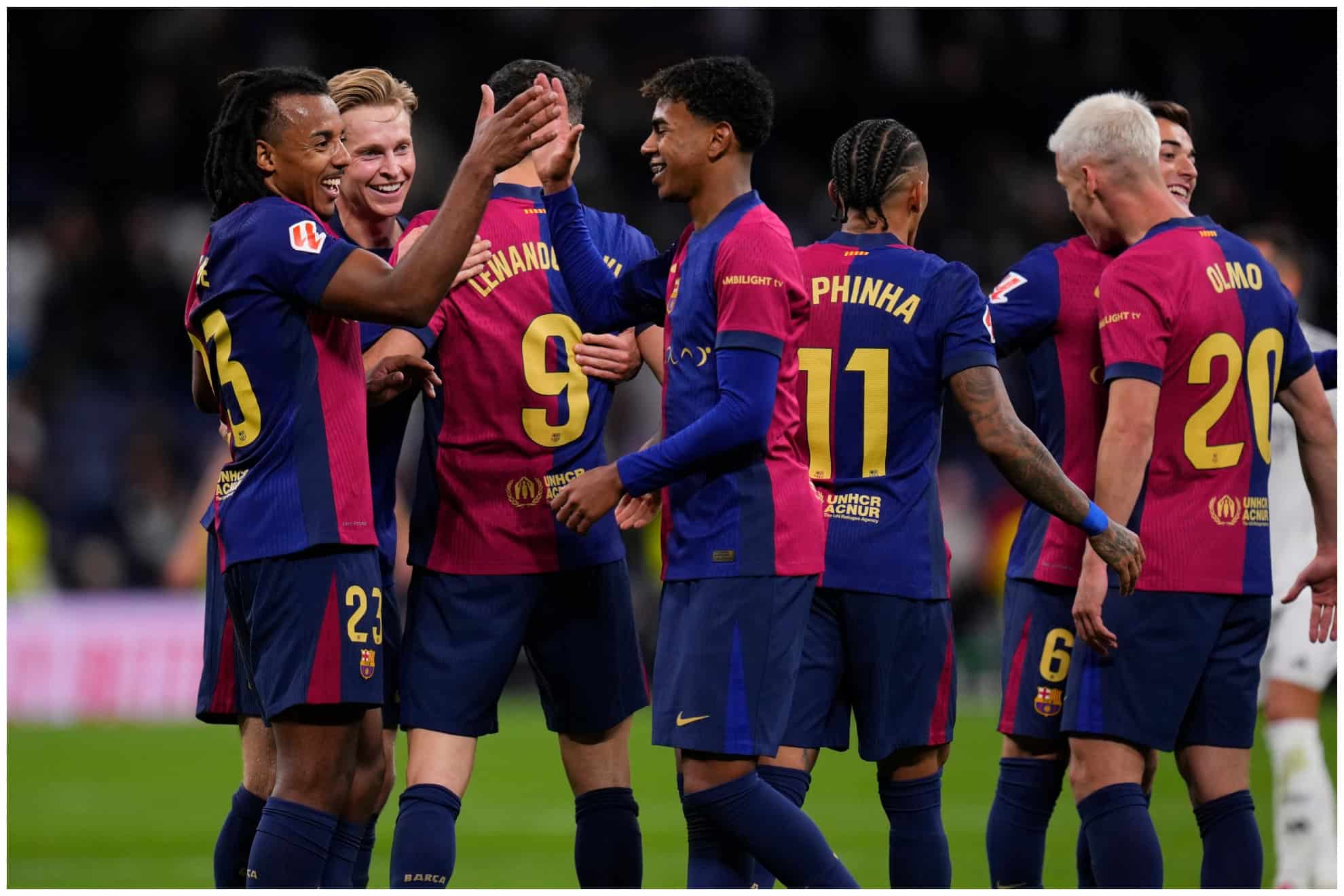
FC Barcelona UCL campaign — VanBudapest editorial image

FC Barcelona’s UCL campaign — a club defined by identity as much as silverware.

The post-war rebirth gains a face: László Kubala. His impact wasn’t just goals — it was gravity. Kubala-era popularity accelerated the need for a bigger home, leading to the opening of Camp Nou in 1957, the stadium that would become a modern football cathedral.

Johan Cruyff’s arrival as a player brought belief. His return as coach created doctrine. The Cruyff era didn’t just win — it established Barcelona’s modern football identity: positional intelligence, proactive football, and a club-wide logic that later made Guardiola possible.

The Dream Team (Cruyff as coach) delivered Barcelona’s first European Cup/Champions League title in 1992, cementing Barça’s place among Europe’s defining clubs. Rijkaard restored elite status and won the Champions League in 2006. Guardiola delivered one of football’s greatest dynasties, built on La Masia talent and a ruthless system. Messi became the statistical and symbolic apex of the club’s modern era.

The post-Neymar years exposed a harsh truth: even a superclub can’t outspend bad planning forever. Financial stress, roster imbalance, and ultimately Messi’s exit forced Barcelona into a new phase: reset, restructure, and re-emphasize development.

Barcelona appointed Hansi Flick in May 2024, contracted through June 30, 2026. The club’s official communications frame the period as a return to competitiveness, highlighted by domestic success in 2024/25.

Trophies & Honours

Barcelona’s official honours list places them among the most decorated clubs in world football. Elite in Europe and relentlessly consistent at home, across multiple eras — these numbers tell the story.

5

UEFA Champions League

1991–92 · 2005–06 · 2008–09 · 2010–11 · 2014–15

3

FIFA Club World Cup

2009 · 2011 · 2015

5

UEFA Super Cup

1992 · 1997 · 2009 · 2011 · 2015

4

UEFA Cup Winners’ Cup

Historic achievement across different eras

28

La Liga

Spain’s premier division — dominant across all modern eras

32

Copa del Rey

All-time record holder in Spain’s national cup

Legendary Players

Barcelona’s official “Legendary Players” canon spans every era and role, because Barça doesn’t just celebrate scorers — it celebrates the idea of a Barcelona footballer.

The Hungarian bridge into modern Barça: László Kubala was the turning-point star whose era helped justify Camp Nou’s scale. Sándor Kocsis and Zoltán Czibor brought elite Hungarian quality woven into the club’s European rise — Czibor’s Barcelona output is explicitly documented by the club (58 goals in 93 games).

The philosophical cornerstone: Johan Cruyff, as player and coach, changed not only Barcelona’s tactics but Barcelona’s self-image.

The global entertainment-to-dominance pipeline: Ronaldinho, the spark that made Barcelona joyful and feared again. Xavi and Iniesta, the midfield intelligence that turned style into control. Messi, the club’s all-time scoring icon and the face of an era.

Defining leaders: Carles Puyol, Sergio Busquets, Gerard Piqué — leadership profiles that defined the dressing room and the system’s stability.

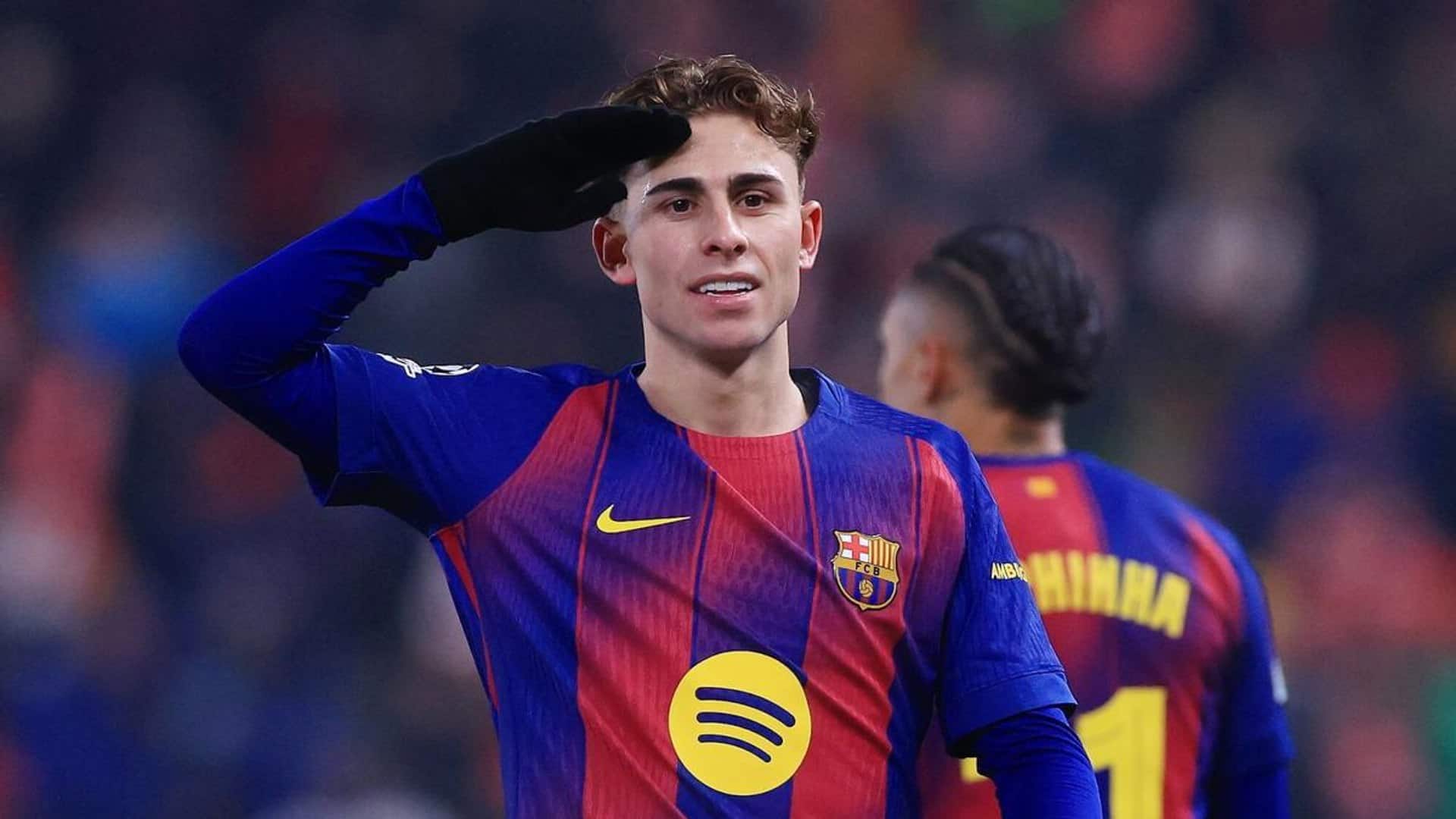
UCL 2025/26 player saluting supporters — Champions League atmosphere

The UCL stage, where legends are made and legacies are defined.

The finishing era of the 2010s

Luis Suárez and Neymar completed the modern treble-era front line alongside Messi — a trio that set new benchmarks for attacking football. This list is not just nostalgia. It’s how Barcelona explains itself: culture, philosophy, and performance fused into a club narrative that still sells out stadium phases mid-renovation.

Legendary Players Archive ↗

Most Prolific Players

Barcelona’s scoring history is dominated by one name — Lionel Messi — and that dominance sets the standard for how Barça measures greatness.

Messi scored 672 goals for Barcelona — the club-record scoring benchmark widely recognized across official and historical datasets.

For Champions League output specifically, official competition breakdowns consistently frame Messi as Barcelona’s top UCL scorer, while club and UEFA coverage emphasize the club’s elite production in the competition.

672

Messi’s Barcelona Goals

All competitions · Club-record benchmark

Coaches

Barcelona’s coaches matter because Barça’s identity is system-based. Even during transition years, the expectation is not only to win, but to win in a recognizable way.

Johan Cruyff

1988–1996 · Dream Team era · First European Cup

Frank Rijkaard

2003–2008 · UCL 2006 · European summit return

Pep Guardiola

2008–2012 · Most iconic modern dominance era

Luis Enrique

2014–2017 · UCL win · Front-three golden age

Hansi Flick ← Current

Appointed May 29, 2024 · Contract: June 30, 2026

Club Presidents

Barcelona is member-driven, and that makes the presidency unusually meaningful. The club’s official presidents history provides the institutional timeline.

In a club with this much political gravity, stability is a competitive advantage. Espai Barça, wage structure decisions, squad planning, and the club’s “strategic patience” all flow through leadership.

Current President — 2026

Joan Laporta

Re-elected as FC Barcelona President on March 15, 2026 with 68.18% of the vote, according to the club’s official statement.

Stadium — Spotify Camp Nou

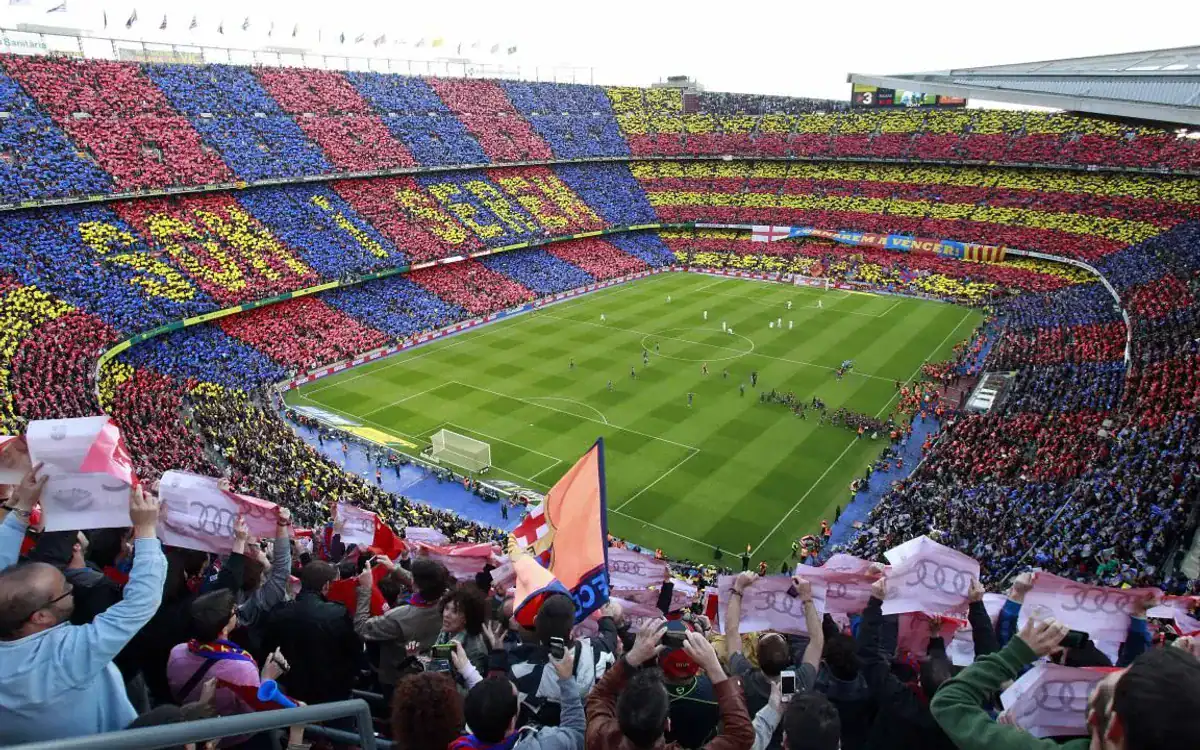
Camp Nou is not just a venue. It’s a statement: scale, identity, and global presence. It opened in 1957, created to answer demand that outgrew Les Corts — demand amplified by Kubala’s era and the club’s expanding membership.

The most important detail right now is simple: the stadium is operational while still under transformation. On March 10, 2026, FC Barcelona confirmed that the available capacity of Spotify Camp Nou increased to 62,652 spectators with the activation of additional areas including the North Goal.

This phased reopening has become a matchday product on its own: the stadium is simultaneously heritage, construction site, and premium hospitality platform.

62,652 Current Capacity · March 2026 Espai Barça phased reopening in progress

Youth Development — La Masia

Barcelona's La Masia academy — where future talents are developed

La Masia: where football philosophy becomes infrastructure, not just branding.

If you want one reason Barcelona survives cycles that sink other giants, it’s this: La Masia is not branding — it’s infrastructure.

Barcelona’s “new Masia” residential training center officially opened October 20, 2011, designed for holistic development — intellectual, personal, and social — alongside football.

The club emphasizes a holistic framework: education, emotional tools, and personal development alongside elite sport training. From a professional operations perspective, that’s the key — this isn’t “talent discovery,” it’s talent conversion. A pipeline that turns youth potential into first-team readiness without breaking identity.

🎓

Education-first model — Academic development runs alongside football training at every age group.

🧠

Emotional tools — Personal and psychological development is explicitly part of the La Masia curriculum.

🔗

First-team pathway — Gavi, Pedri, Cubarsí, Bernal, and others are the living proof of the pipeline in action.

Legendary Transfers

Barcelona is famous for homegrown cores, but their history is also full of transformative external signings — players who shifted ceilings.

🔵

Johan Cruyff

A signing that imported a philosophy. Changed not just the squad — changed the club’s self-image.

Ronaldinho

A signing that restored belief and global aura. The spark that made Barcelona joyful and feared again.

🔴

Samuel Eto’o

Part of the Rijkaard-era rebuild that brought Barcelona back to the UCL summit.

🏆

Dani Alves · Suárez · Neymar

Pieces that helped create peak-era squads — and delivered the treble-era golden age.

The lesson of the modern market

Barcelona’s recent history also shows the other side: big fees don’t guarantee fit. The modern Barça rebuild has leaned back toward balance — squad logic, wage logic, and the La Masia path as the primary competitive edge.

Records & Club Milestones

Barcelona’s records are both team-based and individual-based. Five European Cups / Champions League titles are the club’s crown jewels — a level only Real Madrid and Liverpool match at European football’s summit.

The club is the all-time record winner of Copa del Rey with 32 titles, reinforced by official club communications — a domestic consistency that spans every era of Spanish football.

Camp Nou’s historic identity is scale — crowds that turned matches into cultural events, not just sporting fixtures. The stadium itself is a milestone: when it opened in 1957, it was designed to house the scale of passion the club had already generated.

UCL / European Cup titles 5
Copa del Rey (all-time record) 32
La Liga titles 28
Messi’s club-record goals 672
Camp Nou opened 1957
Year founded 1899

2025/26 Squad

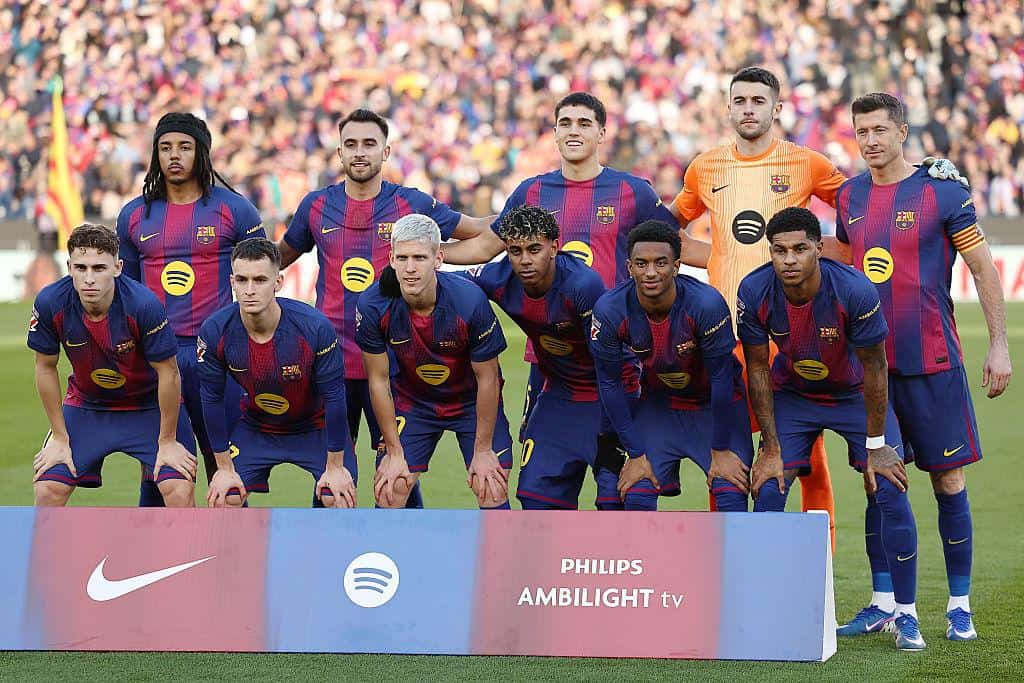
A hybrid of elite veterans, La Masia graduates, and strategically timed additions — built to compete while the stadium, finances, and squad evolve in parallel. Hansi Flick’s first-team picture for 2025/26.

⚙️ Coaching Staff
Hansi Flick — FC Barcelona Head Coach

HEAD COACH

Hansi Flick

Cancelo — FC Barcelona squad member

RIGHT BACK

João Cancelo

🧤 Goalkeepers
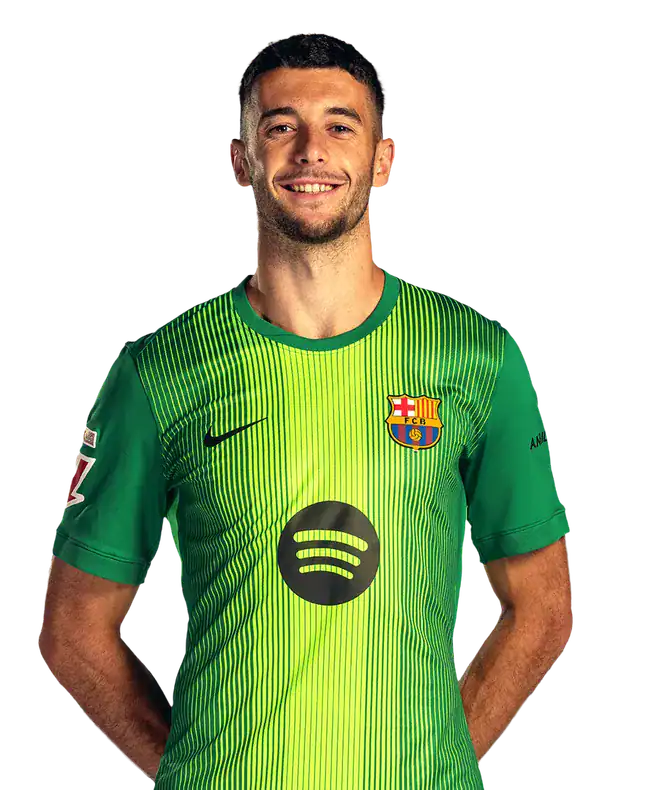
Joan García — Barcelona goalkeeper

#1

Joan García

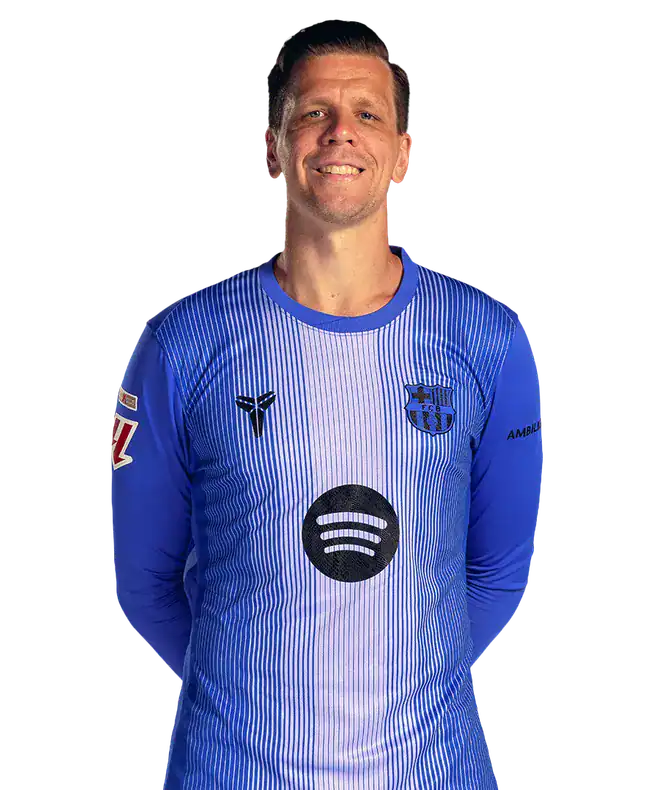
Wojciech Szczęsny — Barcelona goalkeeper

#25

Wojciech Szczęsny

🛡️ Defenders
Pau Cubarsí — Barcelona defender

#2

Pau Cubarsí

Alejandro Balde — Barcelona left back

#3

Alejandro Balde

Ronald Araújo — Barcelona centre-back

#4

Ronald Araújo

Andreas Christensen — Barcelona centre-back

#15

A. Christensen

Gerard Martín — Barcelona left back

#18

Gerard Martín

Jules Koundé — Barcelona right back

#23

Jules Koundé

Eric García — Barcelona defender

#24

Eric García

⚙️ Midfielders
Gavi — Barcelona midfielder

#6

Gavi

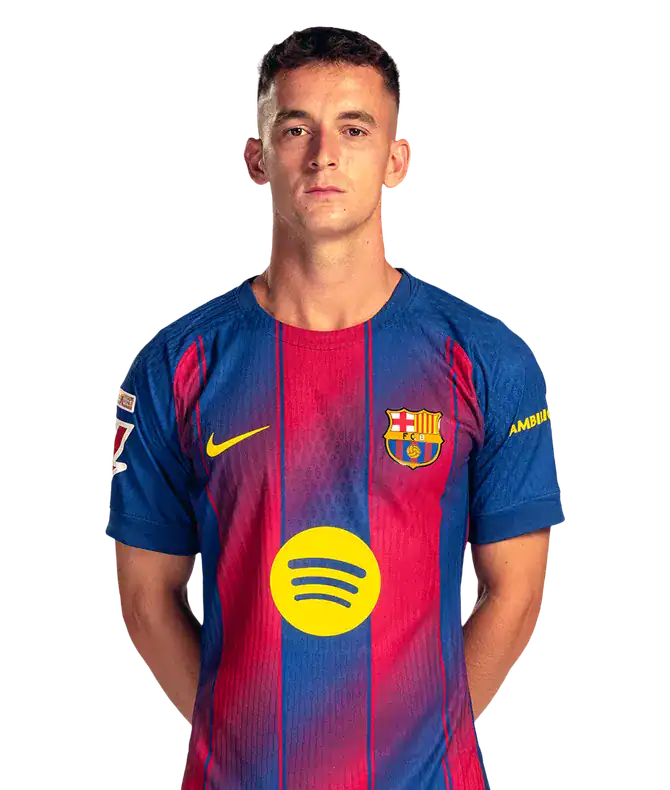
Pedri — Barcelona midfielder

#8

Pedri

Fermín López — Barcelona midfielder

#16

Fermín López

Marc Casadó — Barcelona midfielder

#17

Marc Casadó

Dani Olmo — Barcelona midfielder

#20

Dani Olmo

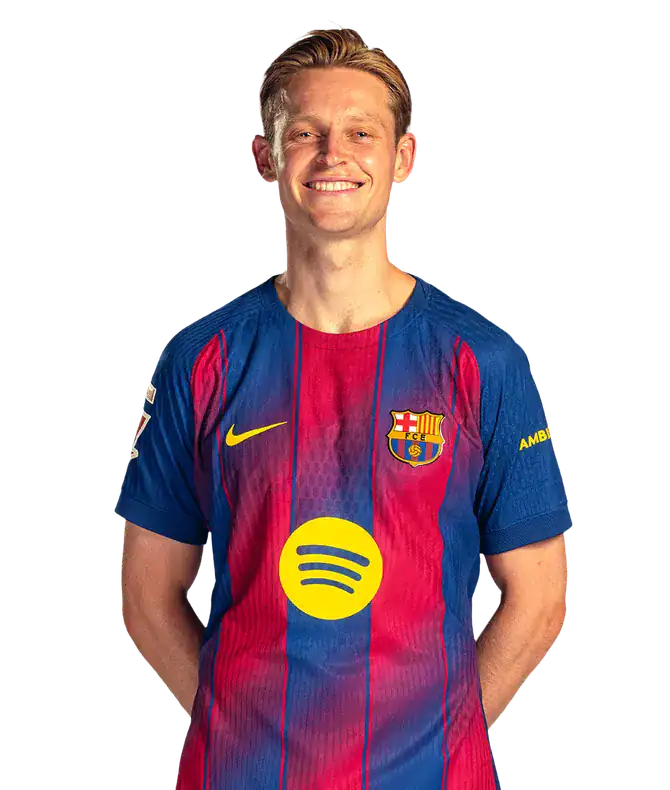
Frenkie de Jong — Barcelona midfielder

#21

Frenkie de Jong

Marc Bernal — Barcelona midfielder

#22

Marc Bernal

⚡ Forwards
Ferran Torres — Barcelona forward

#7

Ferran Torres

Robert Lewandowski — Barcelona striker

#9

R. Lewandowski

Lamine Yamal — Barcelona winger

#10

Lamine Yamal

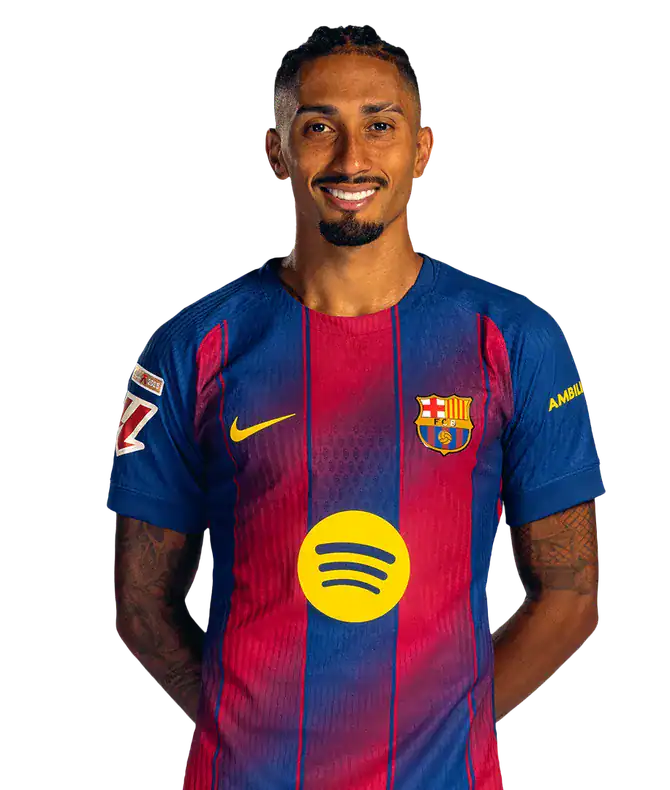
Raphinha — Barcelona winger (injury doubt)

#11 ⚠️

Raphinha

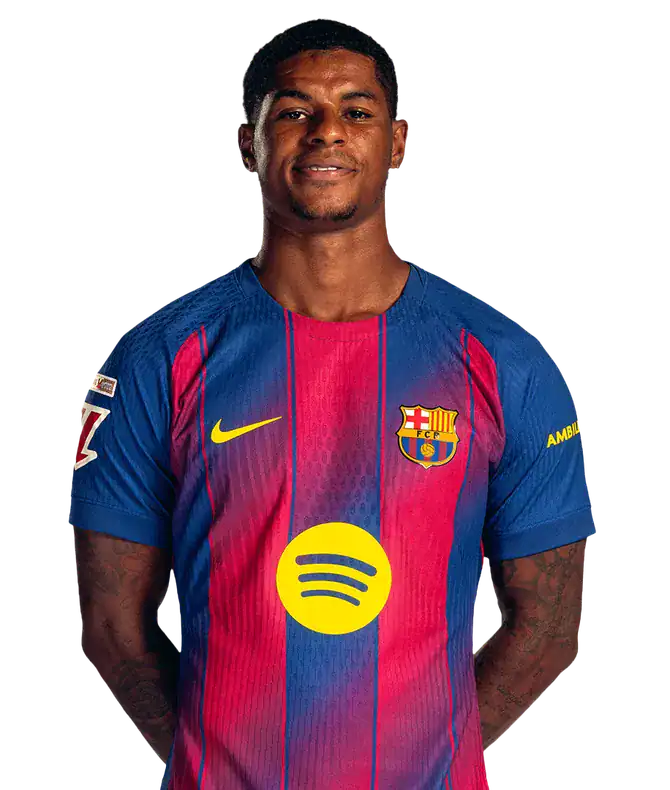
Marcus Rashford — Barcelona winger (loan)

#14 LOAN

M. Rashford

Roony Bardghji — Barcelona forward

#28

Roony Bardghji

⚠️

Raphinha is expected to miss the UCL quarter-final ties vs Atlético Madrid due to injury — a major swing variable for Barcelona’s attacking balance. Reuters, March 28, 2026 ↗

UEFA Champions League — 2025/26 Run

Barcelona has won the European Cup/Champions League five times, officially listed by the club. The legacy is elite — and this season, the quarter-final represents another chapter in that ongoing story.

Barcelona faces Atlético Madrid in the UCL quarter-finals. This tie is more than tactics. It’s cultural friction: Simeone’s intensity versus Barça’s structure. It’s also a scheduling pressure-cooker, with a league meeting between them in Madrid on April 4.

For Madridistas, it’s the ultimate chess problem: you’d like both knocked out… but one must reach the last four. Barcelona is polarizing because it’s powerful.

1st Leg · April 8

FC Barcelona vs Atlético Madrid

Spotify Camp Nou, Barcelona

Match Info ↗

2nd Leg · April 14

Atlético Madrid vs FC Barcelona

Metropolitano, Madrid
Match Info ↗
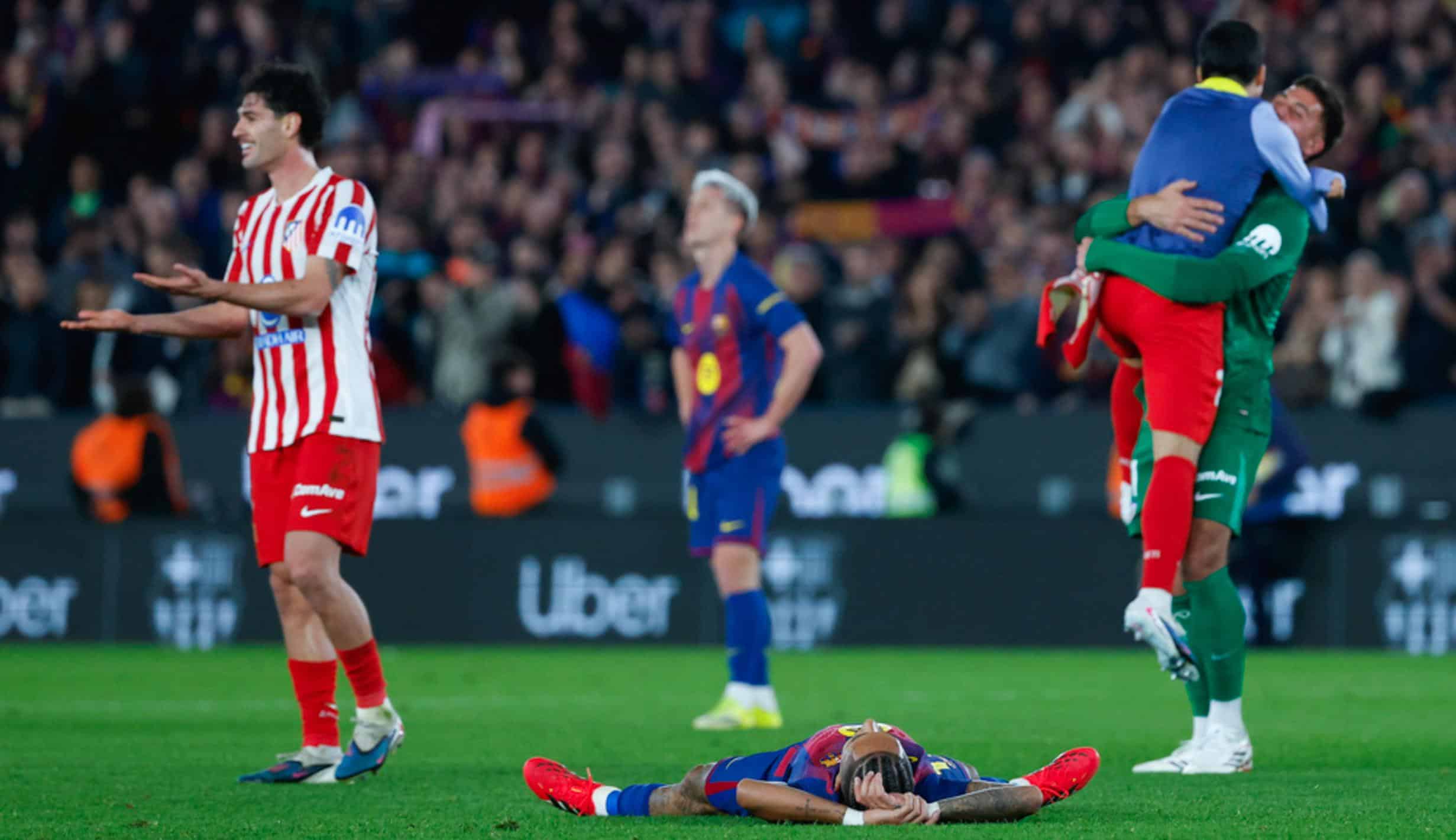
Barcelona vs Atlético Madrid — UCL quarter-final clash

Barcelona vs Atlético Madrid: cultural friction, tactical intensity, and everything at stake.

Barça vs Atlético — the rivalry that defines Spanish football beyond El Clásico

Simeone’s intensity vs Flick’s structure — two Spanish giants meet in Europe’s biggest stage.

Also in the fixture list

A scheduling pressure-cooker: before the UCL ties, Barcelona and Atlético meet in La Liga on April 4 in Madrid — making this a defining week for both clubs’ seasons. Barça’s La Liga title challenge continues in parallel with the European run.

La Liga Title Race ↗
The Budapest Connection

🏆 UEFA Champions League Final 2026

Puskás Aréna · Budapest, Hungary

The official, confirmed destination — where this season ends and history is written.

May 30 Match Date · 2026
18:00 Kick-off · CEST
Budapest Host City · Hungary
Puskás Aréna · Venue

For VanBudapest, that matters in a way a neutral stadium doesn’t. Budapest isn’t just hosting the biggest club match on earth — it’s hosting a stage where Barça’s story can collide with its own Central European links.

When a club like Barcelona potentially walks into Budapest with history on its back — Kubala, Hungarian football ties, and the modern identity engine of La Masia — you don’t just get a match. You get a narrative event.

At VanBudapest, football isn’t background noise — it’s a living room debate with real stakes. In our world, you’ve got drivers who bleed blaugrana sitting next to die-hard Madridistas, and somehow the conversation stays classy: loud, passionate, but professional.

That’s exactly the spirit of the 2026 UCL Final in Budapest. Our city. Our story. Our moment.

Hungarian Players — Past, Present & the Living Link

Barcelona themselves frame this as a long-standing relationship: “Hungary and Barça: A century old relationship.” The historical connection remains one of the most distinctive “national links” Barça openly celebrates.

🇭🇺

László Kubala

The Foundational Legend

The turning-point star whose era helped justify Camp Nou’s scale. His impact wasn’t just goals — it was gravity. Kubala-era popularity accelerated the need for the stadium that became a modern football cathedral.

🇭🇺

Sándor Kocsis

Elite Hungarian Quality

Elite Hungarian quality woven into the club’s European rise — one of the Golden Team generation whose brilliance elevated Barcelona during one of the most exciting periods in their history.

🇭🇺

Zoltán Czibor

A Fan Favourite Immortalised

Officially documented by the club: 58 goals in 93 games for Barça, remaining a fan favourite whose legacy is still celebrated in the club’s official history archives.

📜

A Century of Shared History

Barcelona documents competitive and friendly history against Hungarian opposition, noting a long record that begins in the early 1920s. Based on the club’s current first-team framing, there is no established Hungarian first-team starter at this moment — but the historical connection remains one of the most distinctive “national links” Barça openly celebrates.

Frequently Asked Questions

Is FC Barcelona really “more than a club”?

Yes — Barcelona is structured as a member-driven institution with a cultural identity that extends beyond sport. That identity is documented throughout the club’s official history and is embedded in how Barça communicates leadership, facilities, and development. The motto “Més que un club” reflects a club that survived political pressure as a Catalan cultural symbol — and continues to carry that weight today.

Who is FC Barcelona’s president in 2026?

Joan Laporta. He was officially re-elected on March 15, 2026 with 68.18% of the vote, according to the club’s official statement. His mandate covers the Espai Barça stadium transformation, squad restructuring under Hansi Flick, and the club’s broader financial recovery plan.

What is the current capacity of Spotify Camp Nou during renovation?

As of the March 2026 phase update, FC Barcelona confirmed that available capacity increased to 62,652 spectators with the activation of additional areas including the North Goal. The Espai Barça project is ongoing — the stadium is simultaneously heritage, active construction site, and premium hospitality platform.

When is the 2026 UEFA Champions League Final in Budapest?

May 30, 2026 at 18:00 CEST, hosted at Puskás Aréna in Budapest, Hungary. This is the confirmed, official date and venue per UEFA. For VanBudapest, this is a home game — the biggest club match on earth arrives in our city.

Who does Barcelona play in the 2025/26 Champions League quarter-finals?

Atlético Madrid. First leg: April 8 at Spotify Camp Nou. Second leg: April 14 at the Metropolitano in Madrid. The tie is further complicated by a La Liga meeting between the two clubs on April 4 in Madrid — a defining week for both clubs.

Note: Raphinha is expected to miss both UCL quarter-final ties due to injury — a major swing variable for Barcelona’s attacking balance. Reuters, March 28, 2026 ↗

What is La Masia and why does it matter?

La Masia is Barcelona’s youth development academy — and it’s one of the primary reasons the club remains competitive across eras. The “new Masia” residential training center opened in 2011, designed for holistic development: academic, personal, and emotional alongside football. Players like Gavi, Pedri, Cubarsí, and Marc Bernal are the living proof of a pipeline that turns youth potential into first-team readiness without breaking identity.

What is Barcelona’s connection to Hungarian football?

It runs deep and Barcelona itself frames it as “a century old relationship.” László Kubala is the defining figure — his era justified the scale of Camp Nou. Sándor Kocsis and Zoltán Czibor (58 goals in 93 games, officially documented by the club) were elite Hungarian quality woven into Barcelona’s European rise. With the 2026 UCL Final at Puskás Aréna in Budapest, this connection gains a new, very literal dimension.

What are FC Barcelona’s biggest transfer signings in history?

The “identity shifters” stand out most: Johan Cruyff — a signing that imported an entire philosophy. Ronaldinho — who restored belief and global aura. Samuel Eto’o, Dani Alves, Luis Suárez, Neymar — pieces that helped build peak-era squads. Barcelona’s modern history also shows the other side: big fees don’t guarantee fit. The current rebuild has leaned back toward balance — squad logic, wage logic, and La Masia as the primary competitive edge.

VanBudapest.com

Exclusive Travel Solutions Since 1988

Travelling to Budapest
for the UCL Final?

Whether you’re arriving at Puskás Aréna in a Mercedes S-Class or coordinating a group of 40 in a luxury Sprinter — VanBudapest has handled Budapest’s most demanding event transfers since 1988. Let us handle the logistics while you focus on the match.

🚗

VIP Airport Transfer

Mercedes S-Class or E-Class door-to-door from Budapest Airport to your hotel or the stadium — tracked, on time, always.

BOOK NOW
🚐

Group & Fleet Hire

From Mercedes V-Class to luxury Sprinter coaches — our fleet scales to your group. Corporate delegations, fan groups, premium packages.

VIEW FLEET
🏆

UCL Final Packages

Bespoke experience packages built around match day, May 30, 2026. Exclusive transfers, guided city experiences, and VIP coordination.

EXPLORE PACKAGES
Get in touch directly: ★ CALL US ★ WHATSAPP ★ EMAIL US