
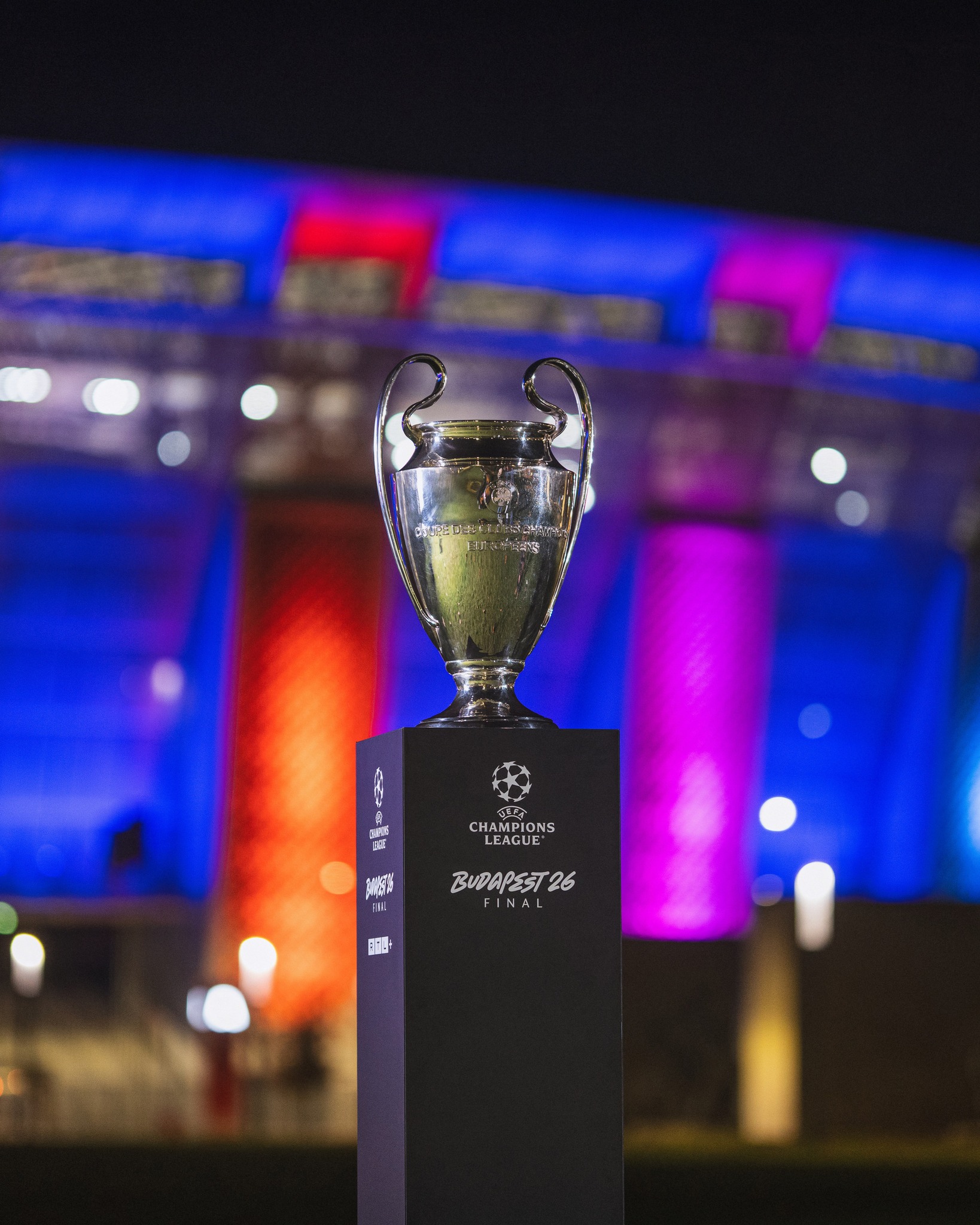
UEFA Champions League Round of 16 (Second Legs) — March 17, 2026: Sporting, Arsenal, PSG, and Real Madrid Secure Their Quarterfinal Spots
The Night We Picked Two Games… and Somehow Got Four Stories Anyway
We didn’t skip the office watch party this time either.
And, honestly, we followed our usual ritual: one early kickoff (because you can watch it properly when there’s no parallel match stealing your attention), then one choice from the three late games.
So yes—we started with Sporting vs. Bodø/Glimt. And no—we didn’t make it to the absolute end. We watched through the first half of extra time, then flipped over to Manchester City vs. Real Madrid, because once that second-screen itch hits, it’s over.
Both matches were electric in completely different ways.
In the early game, we were quietly, emotionally, irrationally cheering for Bodø/Glimt. Not because we’re anti-Sporting—far from it. We genuinely love Sporting. But Bodø’s run felt like one of those soccer fairy tales that doesn’t ask for permission: a “how are they even here?” club pushing its way into the Champions League Round of 16.
And when a team like that gets this far, you want the dream to last one more round. Even if you know—statistically, brutally—that the dream usually ends here or at the very next door.
That’s the thing with Sporting, though. They’re too strong to treat like a romantic side character. They can absolutely punch above the expected line. They can cause problems. They can shock someone. And yes—if you want to get poetic—they can even end up in Budapest. But if we’re being honest about where we’d place our “internal vote” in the office, we didn’t put it on Sporting lifting the trophy.
What made it bittersweet: in a different bracket configuration, you could imagine both Sporting and Bodø living another week. Both enjoying this era a little longer. But soccer doesn’t do “what if.” It just moves.
Then came the late match we chose: City vs. Madrid.
We’ve said this before, but its still true: our office leans heavily toward Real Madrid. Even the Barcelona fans tolerate it—because at the end of the day, everyone respects a great Real Madrid Champions League night.
And this one… was complicated.
It wasn’t like the first leg at the Bernabéu, where Madrid felt like a machine and Valverde basically plowed the field. With a three-goal advantage heading to the Etihad, Madrid had the luxury of control—yet the first 10 to 15 minutes didn’t look luxurious at all.
City came out like a wave. Pressing, suffocating, aggressive. For a stretch, Madrid barely touched the ball. A few of our Madrid people genuinely had that “uh-oh” look.
And then came that 20th-minute zone where everything snapped.
Bernardo Silva made the kind of mistake that turns into a lifetime clip. The handball? That part felt undeniable. The debate, in our room, was about the sequence: was there something before it (offside, buildup) that could rescue City? We rewound, argued, and got loud. Eventually, the lines were drawn, and the conclusion was: no offside. The moment stood.
Penalty. Red card. And suddenly, City’s mission went from “impossible” to “mathematically cruel.”
From there the mood shifted into something you almost never see from Real Madrid fans: a strange kind of calm boredom. Not because the match had no drama—City still fought, still scored, still had moments—but because the tie’s oxygen was gone.
And yet: we were honestly more impressed by City’s stubbornness than by Madrid’s sparkle. Scoring with ten men. Still competing. Still sprinting into duels even when the mountain got taller.
Madrid did what Madrid does: survive the storm, wait, and then seal it with cold execution.
By the end, we had the full emotional range: anxiety, debate, laughter, disbelief—and that familiar Champions League feeling that the night is never just about the goals. It’s about the moments you’ll replay when you’re supposed to be working the next morning.
Now—let’s get into the serious part: the numbers, the turning points, and what these four teams told us about the quarterfinals.
This article combines the emotional office watch-party angle with reported match facts, pivotal moments, and quarterfinal implications from one of the most dramatic Champions League nights of the season.
Why the Night Stood Out
Four quarterfinalists, four completely different paths: comeback chaos, structured control, titleholder precision, and veteran knockout management.
Why It Matters Now
The quarterfinal field didn’t just get stronger—it got more stylistically diverse, which is exactly what makes the road to Budapest feel dangerous and cinematic.
Champions League Matchnight Visual Gallery
All supplied images are included below in a clean, symmetrical, premium card layout. Duplicate visuals have been removed, and every image now appears in a smaller, uniform format for a more elegant and consistent presentation.
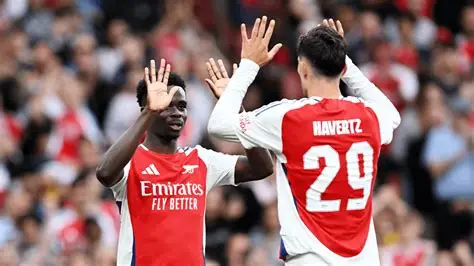
Image source: openly accessible image via Edge browser or Google image search.
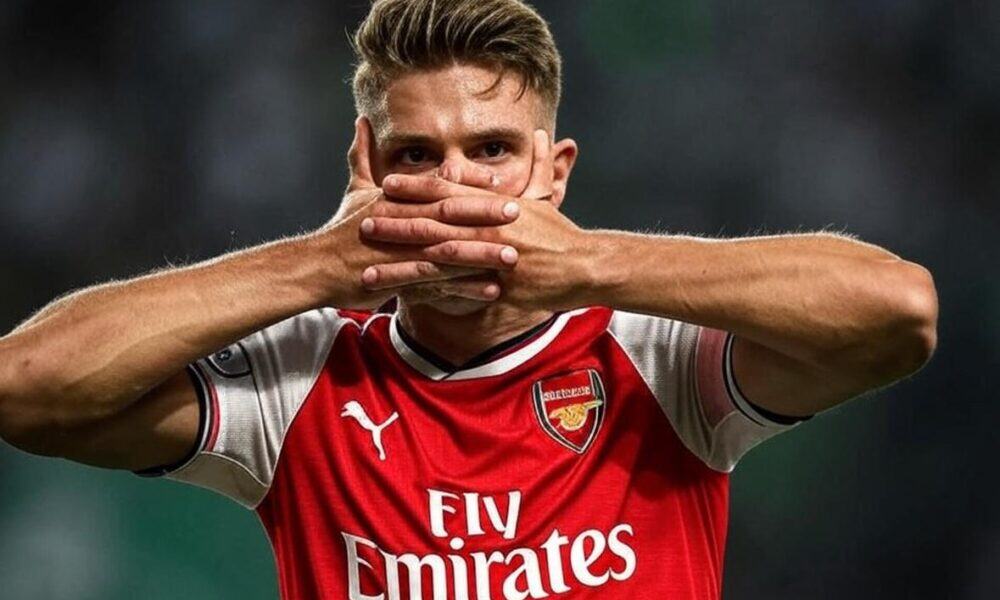
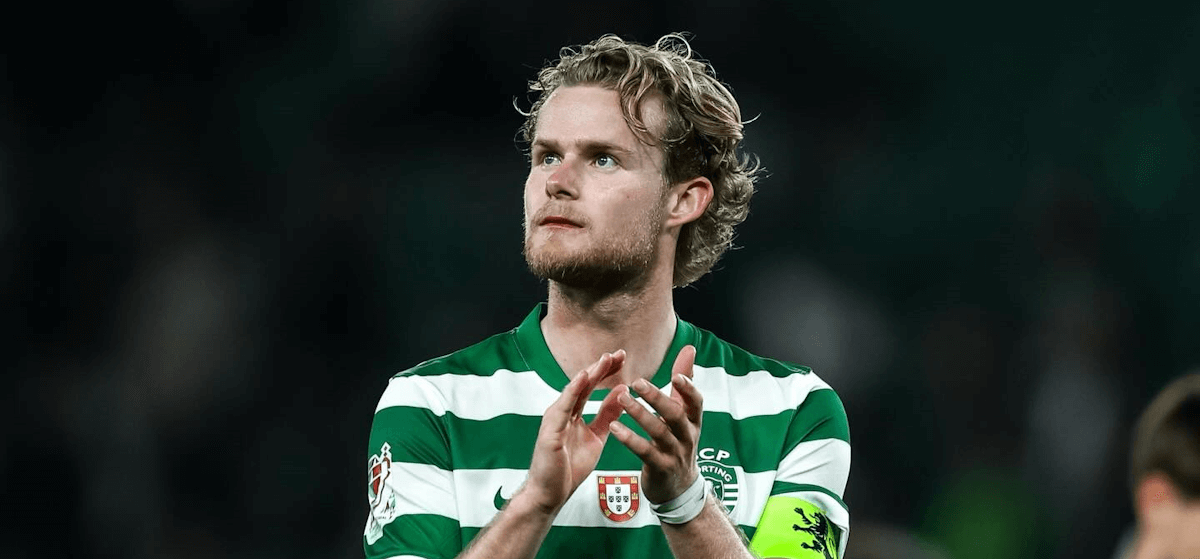
Viktor Gyökeres — Sporting CP image used for related Champions League coverage.
Image source: openly accessible image via Edge browser or Google image search.
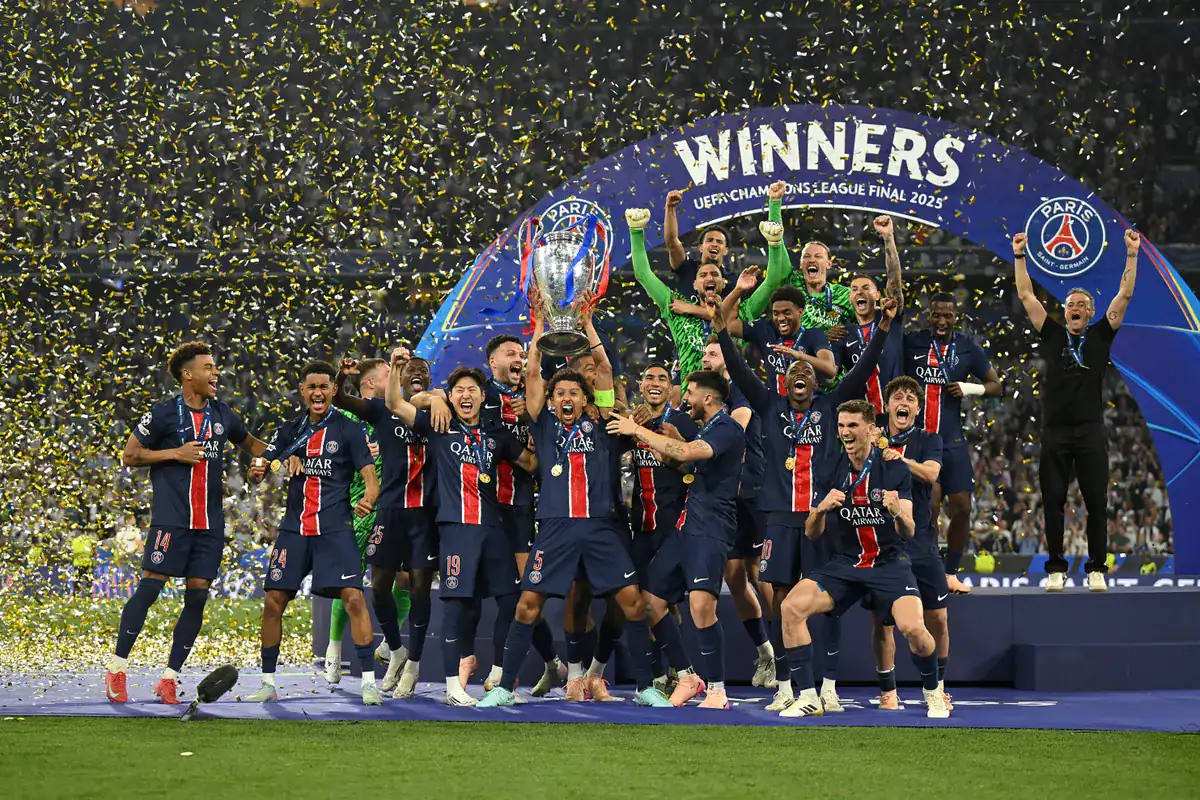
Image source: openly accessible image via Edge browser or Google image search.
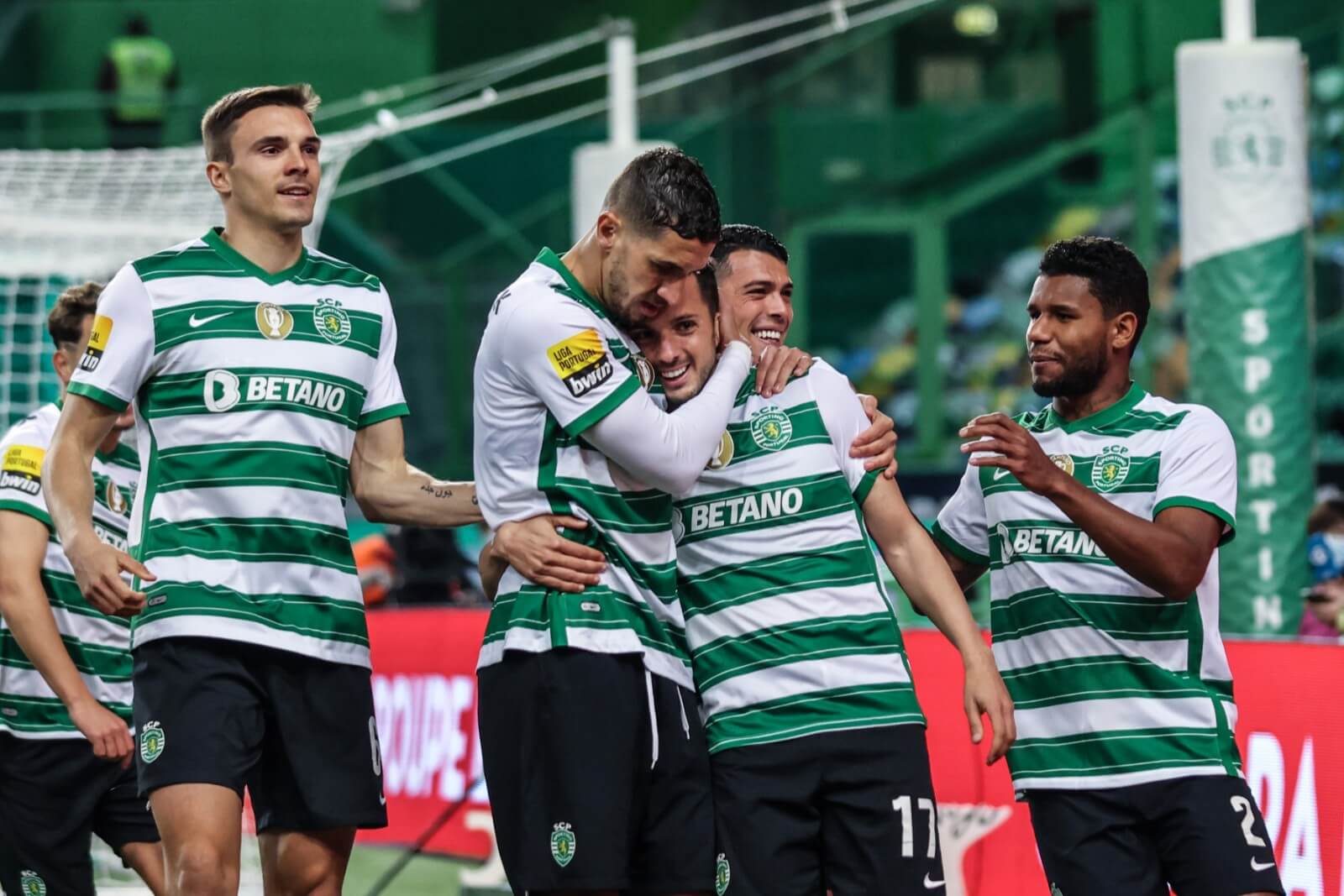
Image source: openly accessible image via Edge browser or Google image search.
Sporting CP — editorial image supporting the Sporting quarterfinal storyline.

Image source: openly accessible image via Edge browser or Google image search.
Real Madrid CF — UEFA-related visual used in the Madrid section.
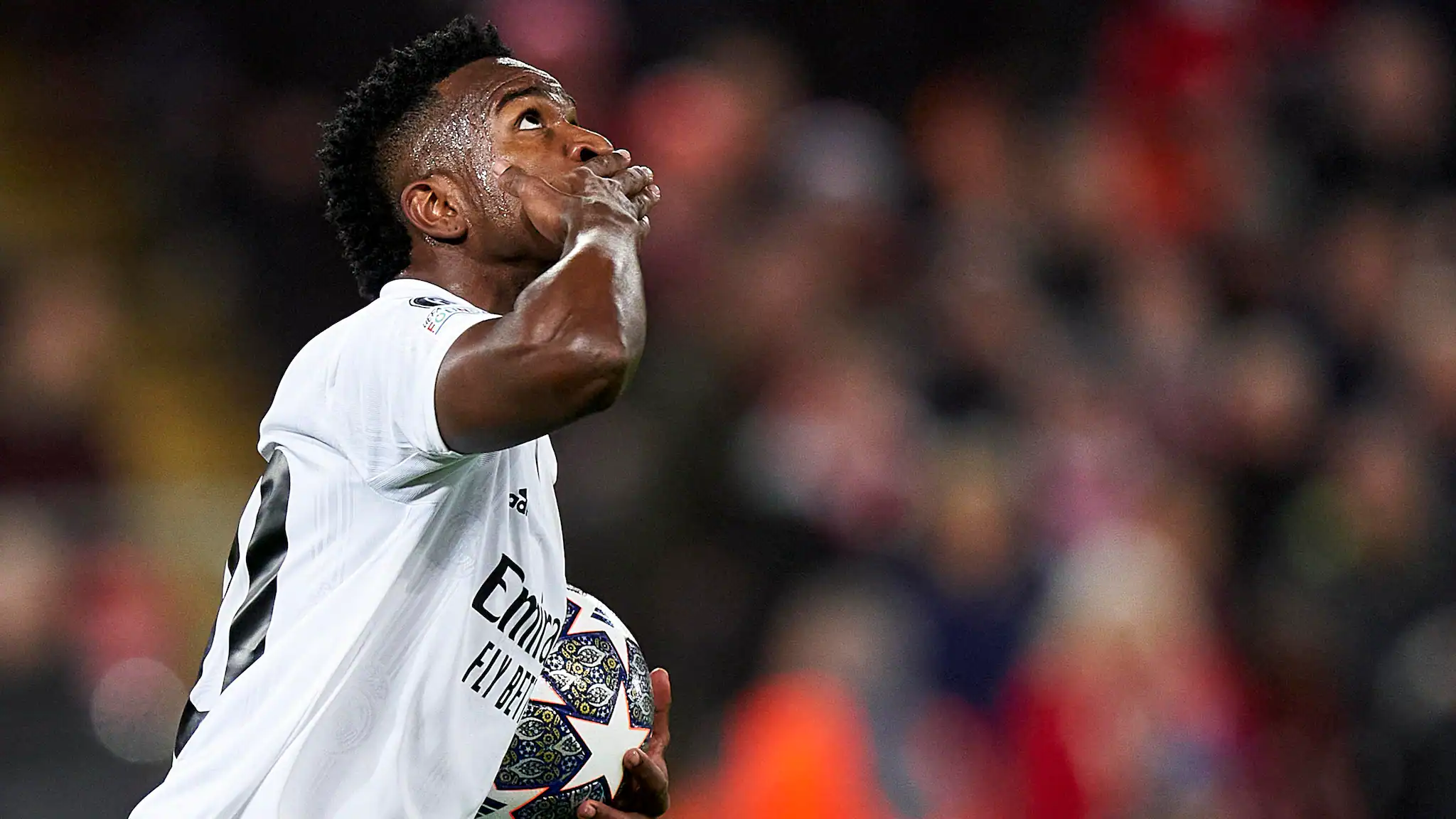
Liverpool FC vs. Real Madrid — UEFA Champions League visual included in the article gallery.
Real Madrid symbol — official club identity visual used as part of the matchnight image set.
Sporting CP vs. Bodø/Glimt — 5–0 (AET), Aggregate 5–3
Context: Sporting arrived in Lisbon trailing 0–3 from the first leg. What followed was the exact opposite of panic: relentless pressure from minute one. Reuters noted Sporting’s early barrage, and Bodø never truly settled.
The breakthrough gave the stadium belief and turned the tie from distant hope into something very real.
Sporting kept accelerating instead of protecting the moment, continuing to build territorial dominance and scoreboard pressure.
The aggregate equalizer arrived through the most knockout-soccer mechanism possible: tension, review, and execution.
An immediate extra-time strike broke the tie open and completely flipped the psychological balance in Sporting’s favor.
The late fifth goal finished the story with total clarity: this was no fluke and no stolen qualification.
Stats Snapshot (Why This Wasn’t “Lucky”)
Based on the match reporting, Sporting’s shot volume was outrageous—the kind of total that usually wins you two matches, not one. ESPN’s recap framed it historically: Sporting became just the fifth team to overturn a three-goal first-leg deficit and advance in the Champions League knockout rounds.
What It Means
This wasn’t a fluke. It was a blueprint:
- start fast,
- score before doubt spreads,
- keep attacking until the opponent stops believing.
And emotionally? This is exactly why neutrals fall in love with teams like Bodø—until the sport reminds you that belief still has to survive 120 minutes in Lisbon.
Arsenal vs. Bayer Leverkusen — 2–0, Aggregate 3–1
Arsenal’s win felt like a club that is tired of “almost.” Reuters highlighted 21 attempts and a match Arsenal controlled through pressure and repeated attacks, even if the game was not a pure possession showcase.
His first Champions League goal arrived as a long-range stunner—the kind of finish that changes the emotional temperature of a knockout tie instantly.
A precision finish that ended the argument and turned control into confirmation.
Tactical Read (The Part People Miss)
This was not “Arsenal kept the ball and waited.” It was closer to:
- Let Leverkusen have stretches of possession,
- win the dangerous moments,
- generate repeated high-quality looks,
- punish fatigue and mistakes.
In other words: control without obsession over possession—a very modern knockout trait.
What It Means
The story today is not just that Arsenal advanced. It is how they did it: with the kind of authority that turns a quarterfinal into a realistic conversation, not a bonus chapter.
Chelsea vs. Paris Saint-Germain — 0–3, Aggregate 2–8
If Sporting wrote the night’s romance, PSG wrote the night’s warning: don’t blink.
Reuters’ match report is brutally simple: PSG scored early, scored again, and turned the tie into paperwork.
He capitalized on a defensive error and immediately tilted the tie toward inevitability.
The counterattack dagger landed so early that the tie shifted from suspense to management.
The substitute goal completed the demolition and underlined PSG’s depth and clarity.
Why the Stats Don’t Tell the Whole Story
Chelsea had shot volume, but PSG had the cleaner truth: finishing and control of the match’s temperature. Luis Enrique praised PSG’s clinical precision and emphasized the team’s adaptability—the kind of quote you hear from a side that believes it can win the whole competition again.
What It Means
PSG did not just advance. They sent a message. The rest of the bracket heard it.
Manchester City vs. Real Madrid — 1–2, Aggregate 1–5
The headline: Vinícius Júnior scored twice, City lost Bernardo Silva to a red card, and Madrid walked away with the tie safely locked up.
This was the decisive swing: penalty converted, City down a man, and the tie suddenly shifted from difficult to nearly impossible.
City responded with ten men, and that stubbornness arguably impressed more than Madrid’s sparkle during stretches of the night.
The finishing touch—one final strike to seal a tie Madrid had already steered into control.
The Aftermath (And Why It Matters)
The day-after narrative is just as revealing: Guardiola described City as “still not a complete team,” essentially admitting Madrid are operating on a different Champions League wavelength.
That’s Knockout Mastery
Madrid did not need to be spectacular for 90 minutes. They needed:
- one decisive swing,
- one controlled stretch,
- one final cut.
The Four Archetypes Now in the Quarterfinals
These four teams represent four different ways to survive March:
Volume, pressure, and calm. Arsenal’s path felt systematic, mature, and increasingly quarterfinal-worthy rather than simply promising.
Crowd + intensity + extra-time breakthrough. Sporting turned atmosphere into force and force into one of the season’s defining reversals.
Score early, manage expertly, leave no hope. PSG looked like a side that understands exactly how quickly knockout soccer can be suffocated.
Turn moments into trophies—or at least into the next round. Madrid once again made the decisive moment feel like a permanent condition.
If the road ends in Budapest, this is exactly the mix you would expect in the final chapters: one “system” team, one “surge” team, one “champion presence” team, and one “European mythology” team.
Quarterfinal Picture (What We Already Know)
- Arsenal vs. Sporting CP (first leg in Lisbon, second leg at the Emirates)
- PSG will face Liverpool or Galatasaray (based on match reporting).
- Real Madrid will face Bayern Munich or Atalanta (based on match reporting).