
Beyond F1: Meet Martin Molnár, Hungary’s Next Single-Seater Prospect
From historic karting wins to a breakthrough in British F4—and now a 2026 GB3 seat with Rodin Motorsport—his pathway is real, structured, and accelerating.
The Formula 1 season is almost here again—the familiar pre-race buzz, the new liveries, the first real clues about who nailed the winter. We’re basically ready for lights out.
But before we lock in on the world champions and the headline battles, it’s worth flying one level higher—into the world that creates F1 drivers. Because the grid doesn’t magically appear. It’s built, step by step, through karting winters, relentless data work, and the kind of family-backed grind most fans never see.
And if you’re Hungarian, there’s a name you can be proud of right now—a young driver who’s already putting Hungary on the map in internationally respected junior series, and who’s climbing the ladder in a way that feels real, structured, and increasingly inevitable.
That driver is Martin Molnár—Budapest-born, karting-proven, British F4 race winner, and now a 2026 GB3 Championship driver with Rodin Motorsport.
Who Is Martin Molnár?
Martin Molnár was born on August 21, 2008, in Budapest, Hungary. He’s part of a generation that grew up with data, simulators, and a far more professional junior ecosystem than most people realize—but his story still starts the classic way: with a family, a steering wheel, and a moment that flips a switch.
He first tried rental karting around the age of eight, reportedly near Lake Balaton. At the beginning, he was literally sitting in his father’s lap; later he took the wheel himself—and decided this is what he wanted.
That “family first” foundation stayed central as his career accelerated.
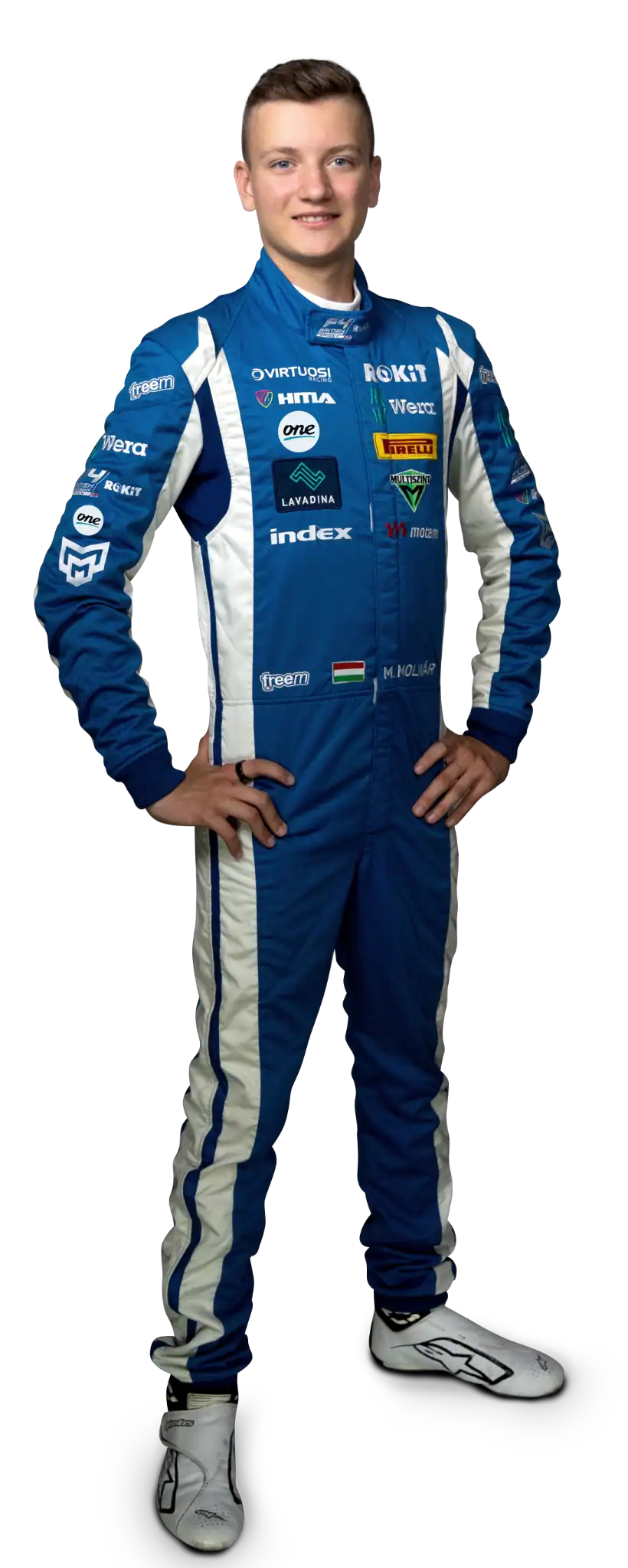
Martin Molnár — Hungary’s rising star in international single-seater racing
The Family Engine Behind the Results
Why support structure matters in elite junior motorsport
In elite junior motorsport, talent is mandatory—but support structure is what converts talent into outcomes.
Martin’s father, Zoltán Molnár, has a background as a racer and mechanic, and he wasn’t just a parent on the sidelines. According to Hungarian reporting, he helped with everything from setup thinking to telemetry and technical adjustments—exactly the kind of detail work that separates “quick” from “consistently winning.”
The family also ran their own karting effort for a period, which matters: it’s often the only way to compete internationally early on without burning through budgets that most families can’t even imagine.
After Martin’s breakthrough Formula 4 win at Thruxton, Hungary’s motorsport talent management leadership publicly thanked his parents—Csilla and Zoli—underscoring something every insider knows: without family commitment, these careers usually don’t survive the first serious funding jump.
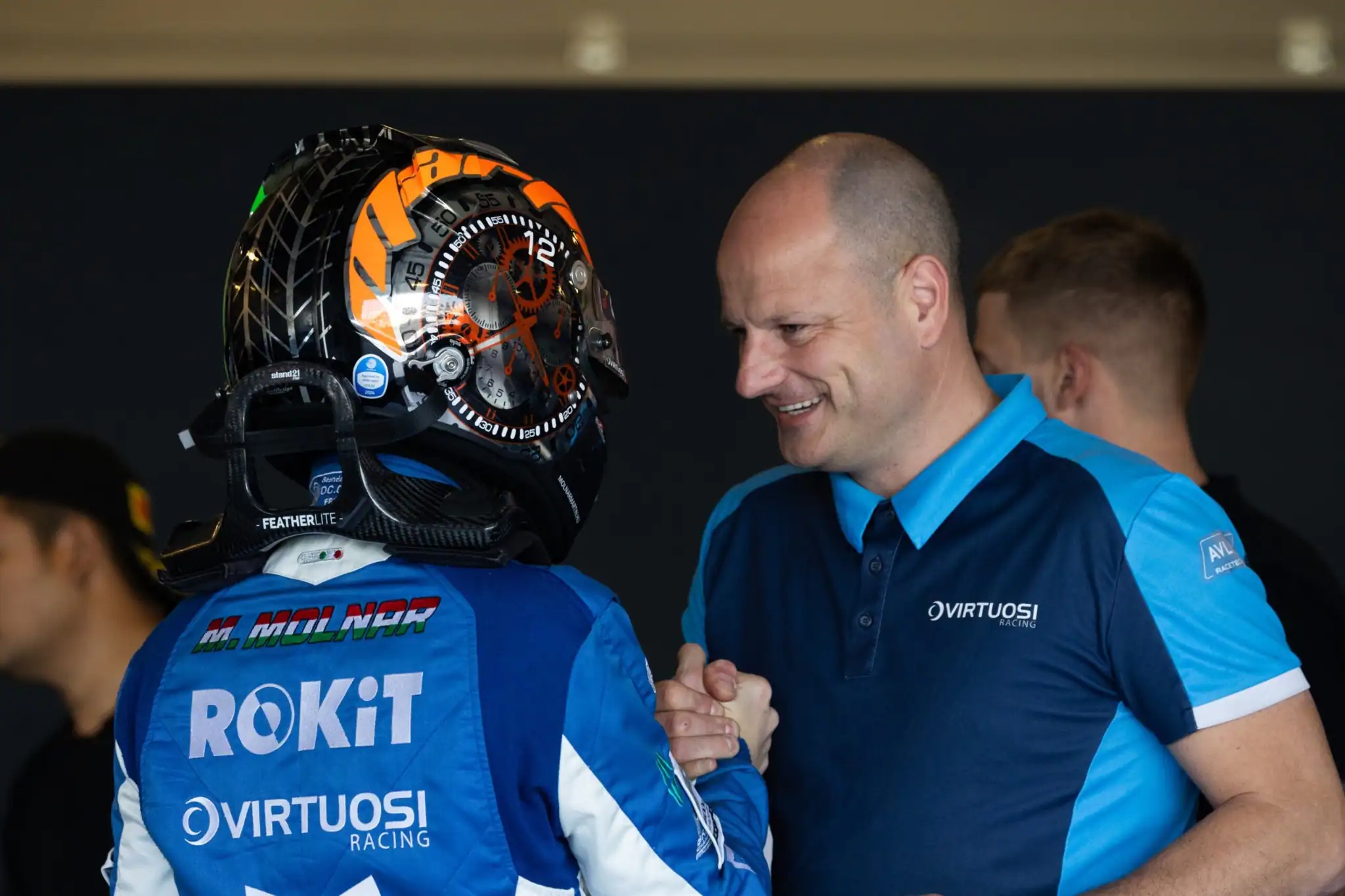
Focused in the cockpit — where every millisecond counts
Karting: Where the Fast Ones Get Found
Martin began competitive karting in 2018, and he didn’t just participate—he won in categories like OK Mini and MiniMax, collecting titles domestically and internationally.
The defining karting moment
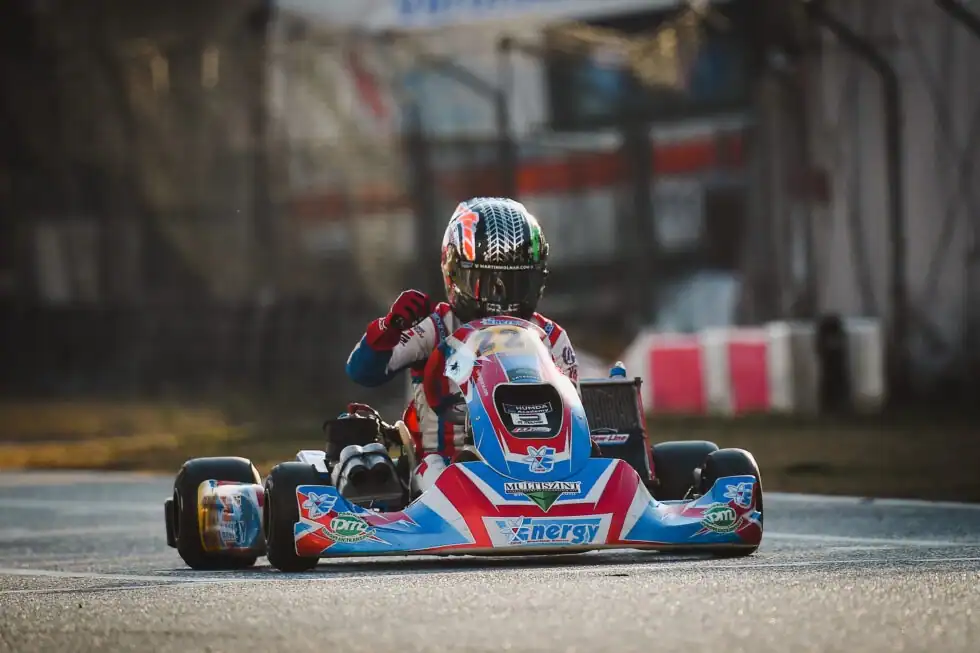
His defining karting statement came in 2023, when he became the first Hungarian to win the Winter Cup at Lonato—a track and event with real prestige inside the karting world. Around that period, he also spent months leading the FIA Karting world ranking, and finished second overall in major series such as the WSK Champions Cup and Trofeo delle Industrie.
These aren’t “nice-to-have” junior results. These are the lines on a résumé that make teams pay attention—because many F1 careers start in exactly these paddocks.
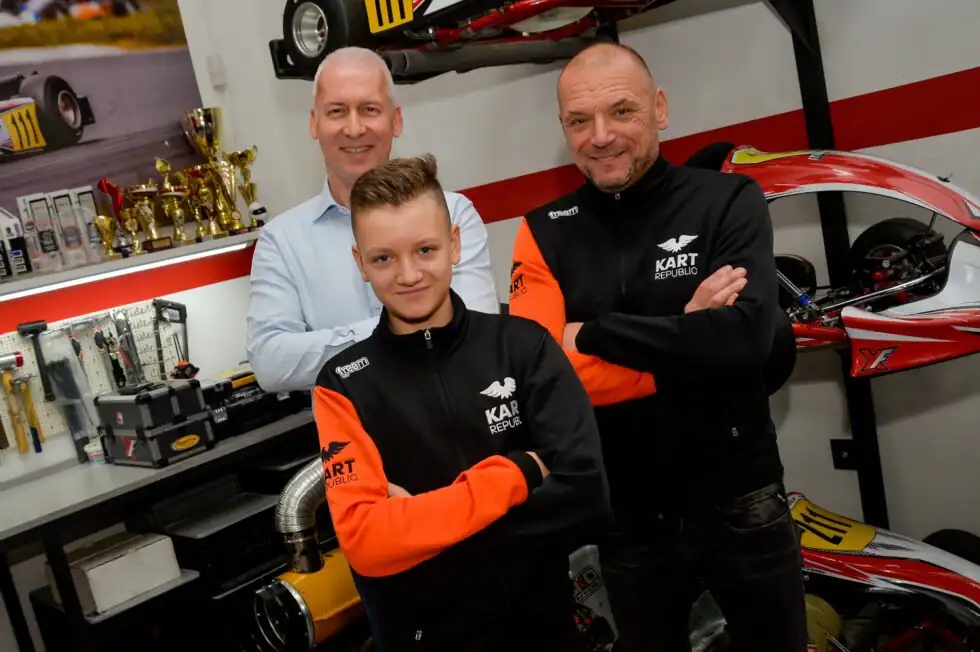
From karting paddocks to single-seater podiums — Martin’s journey is built on consistent excellence
The Big Switch: From Karting to Single-Seaters
British Formula 4 — 2024 Season
In 2024, Martin made the modern “first serious car step”: Formula 4—specifically the FIA-certified British Formula 4 Championship, widely considered one of the most competitive national F4 series.
He joined the Hungarian Motorsport Academy program supported by HUMDA, and raced with Virtuosi Racing—a team name that carries weight in junior single-seaters.
The preparation piece most fans never see
Physical and mental readiness
This transition isn’t just “new car, new tracks.” It’s a full-body upgrade: strength and conditioning (open-wheel cars punish neck and core), simulator work and repetition, building professional routines around data and feedback, and structured programs—Martin’s physical prep has been linked with the 321 Perform / Fit4Race environment.
In other words: he didn’t “try F4.” He built for it.
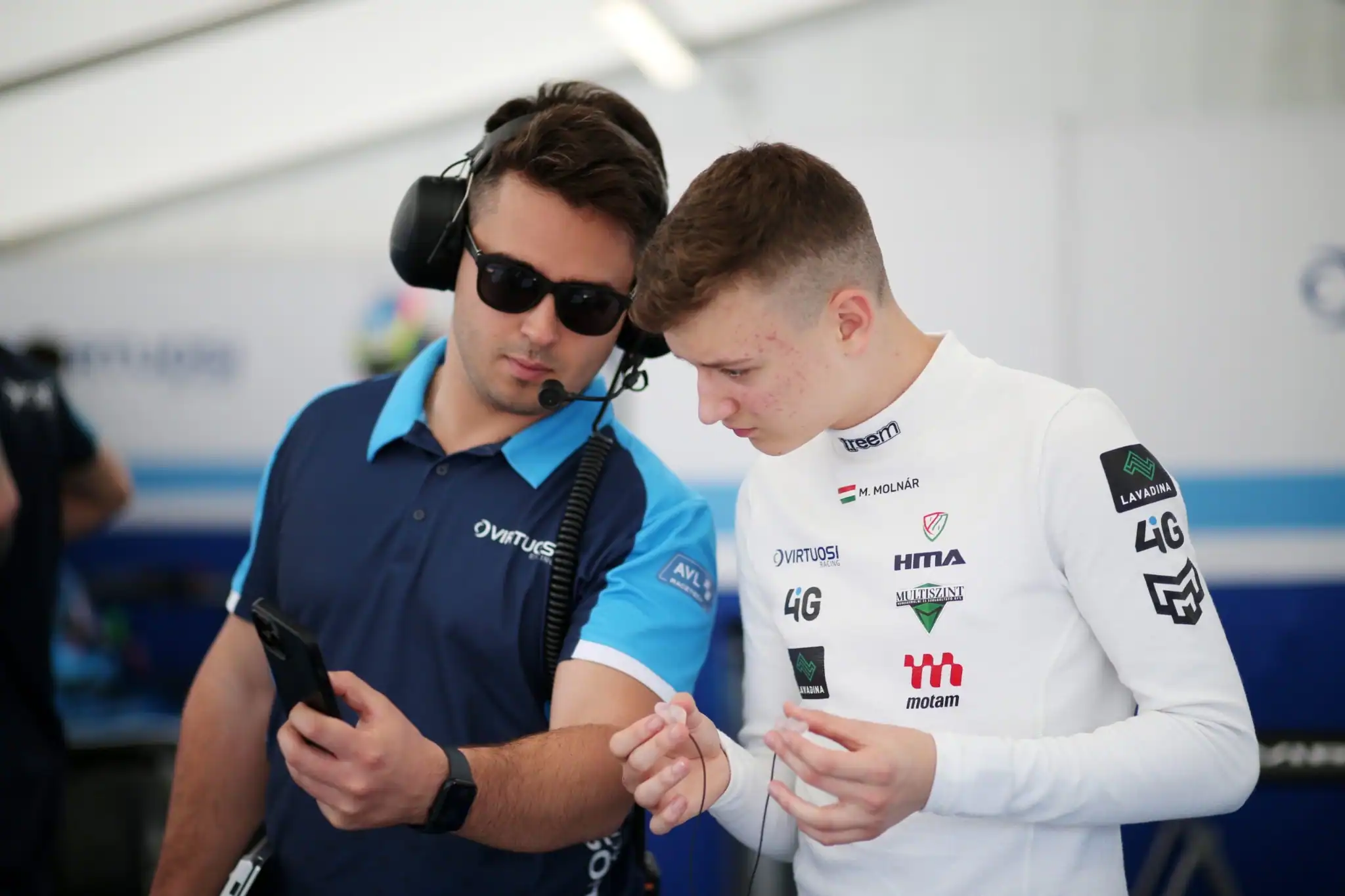
The precision of single-seater racing demands total commitment
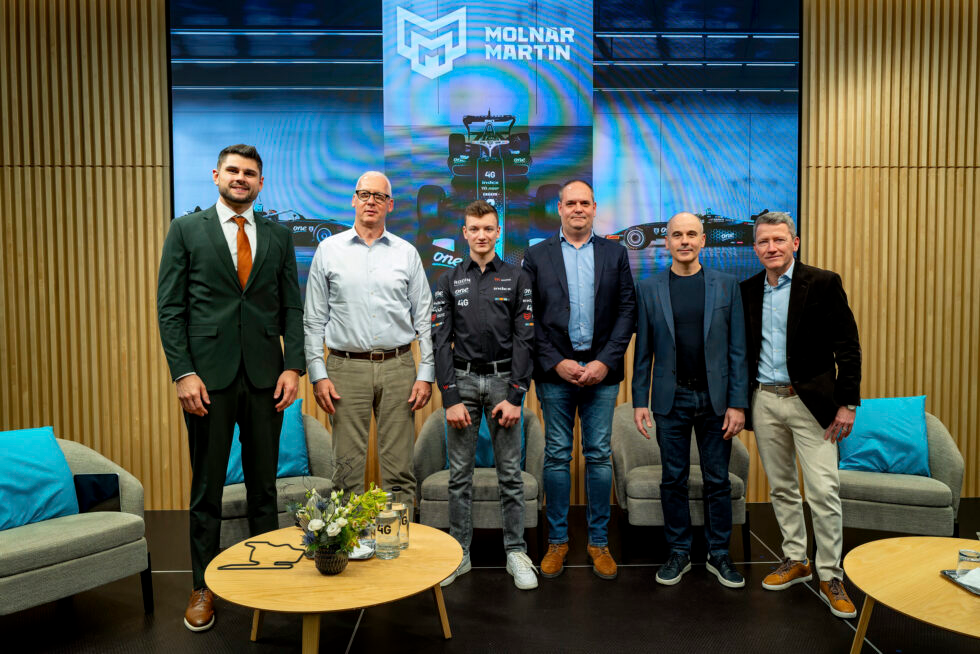
Race-sharp focus — every corner is a data point
British F4 Results: Proof He Belongs
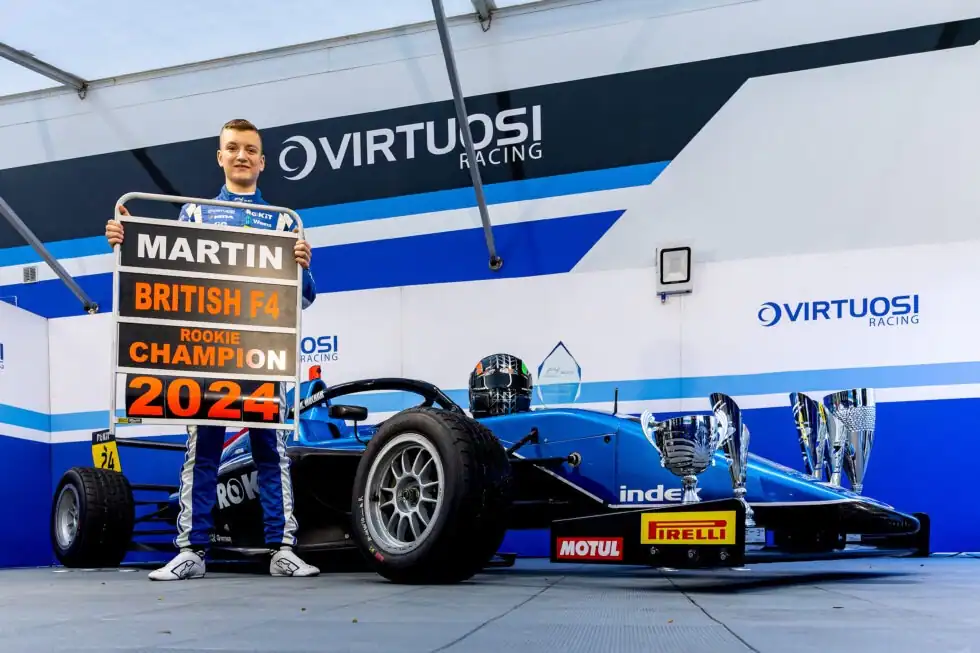
Martin’s rookie year in 2024 delivered exactly what you want to see from a serious prospect: multiple podiums, seven rookie race wins, and ultimately the rookie title.
2025: From “promising” to “credible future pathway driver”
And a historic milestone: the first Hungarian driver to win a race in an FIA-supervised Formula 4 championship, achieved at Thruxton.
That matters, because British F4 is a reference point series. If you can win there, you’re not just fast—you’re fast in a system that teams trust.
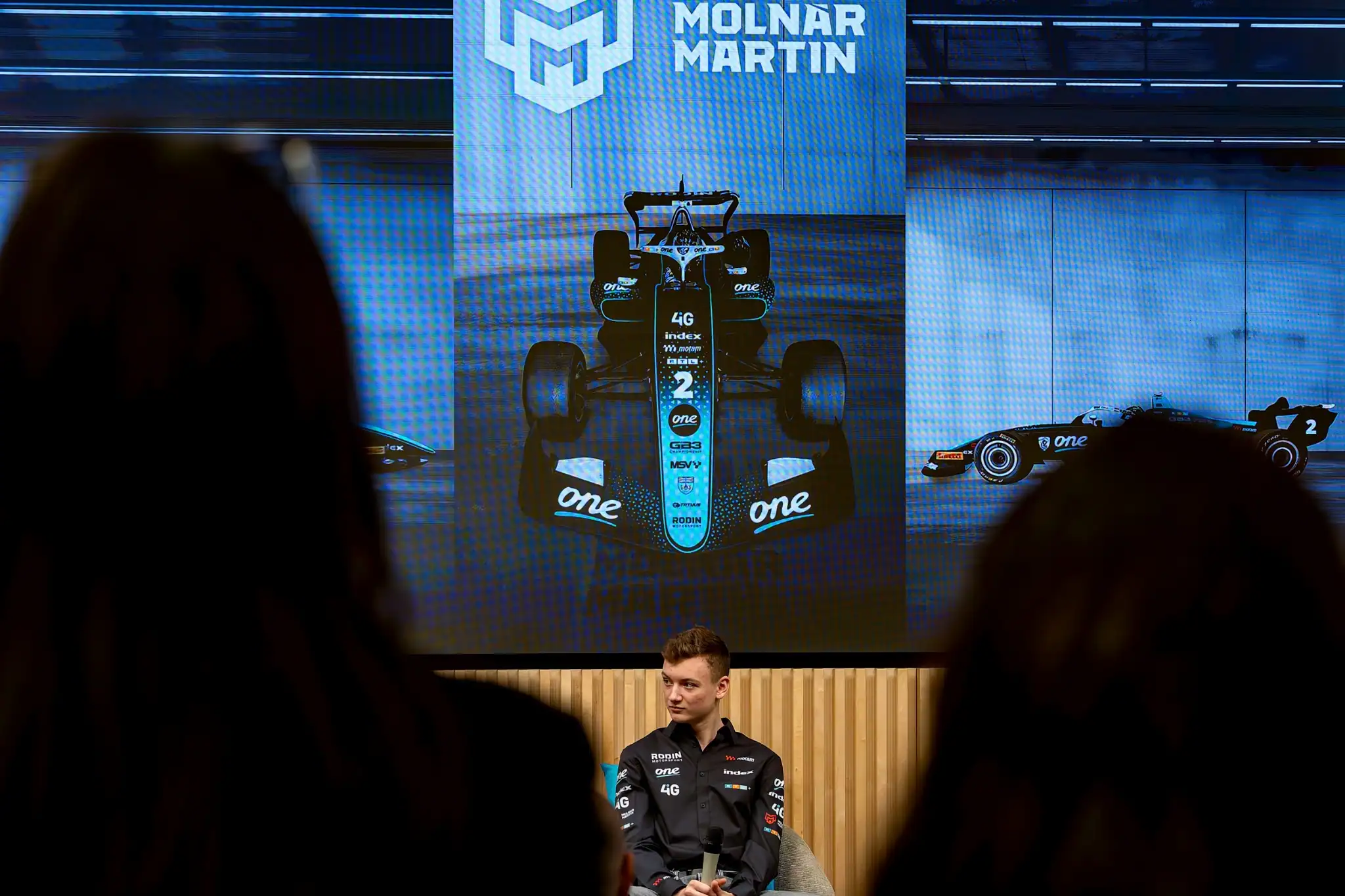
The Thruxton victory made history — the first Hungarian to win in an FIA-supervised F4 race
2026: The Next Step — GB3 With Rodin Motorsport
For 2026, Martin steps up into the GB3 Championship—often described as Britain’s “Formula 3-level” environment in terms of development relevance and competitive depth.
He joins Rodin Motorsport (formerly Carlin) as the team’s third driver, alongside Maxim Rehm and Abbi Pulling.
Why GB3 is a crucial proving ground
GB3 asks for more than raw speed: longer races, more complex racecraft, a higher premium on consistency, and a more “professional” weekend rhythm. If British F4 is the first test of single-seater fundamentals, GB3 is where prospects show they can handle pressure, pace, and progression simultaneously.
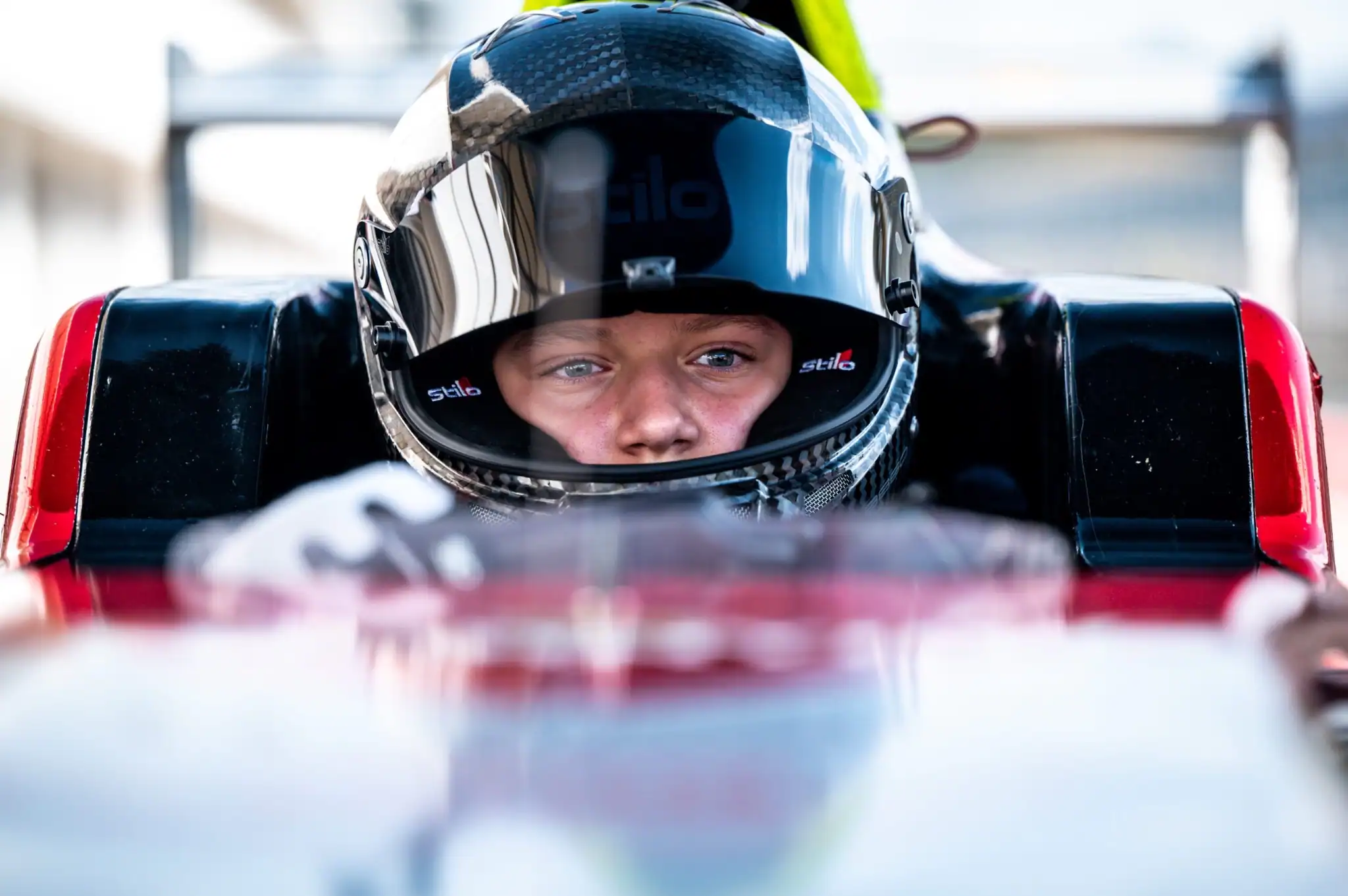
Ready for GB3 — the next chapter begins
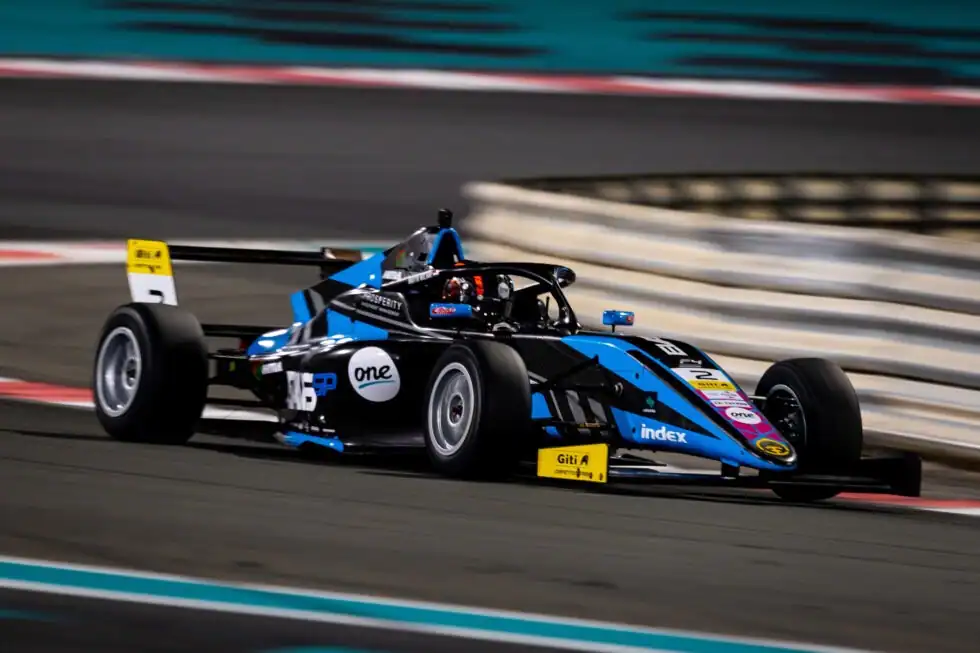
Wheel-to-wheel racing at the highest junior level
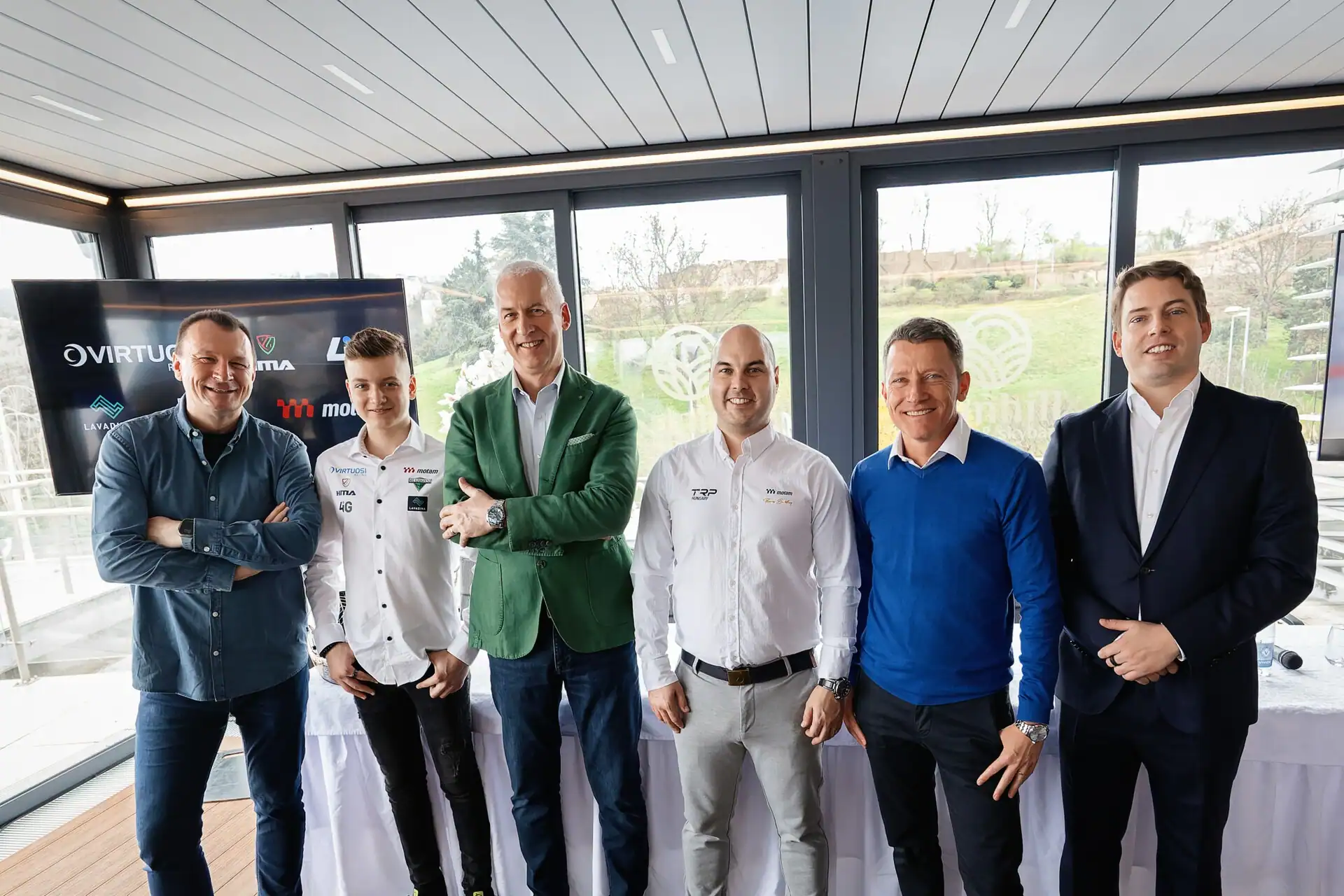
Qualifying sharpness separates good from great
Rodin Motorsport, Explained
Why this team choice is serious
Rodin Motorsport is one of those teams that doesn’t need hype inside junior racing. The name changed recently, but the infrastructure is deeply established.
Formerly Carlin, the operation rebranded after investment connected to Rodin Cars and David Dicker. The team is based in Farnham (Surrey), England, and runs programs across multiple levels:
| Championship | Key Results |
|---|---|
| FIA Formula 2 | Two wins in 2025 (Dunne & Stenshorne), 7th overall |
| FIA Formula 3 | Bilinski Monza sprint win (2025) |
| GB3 | Team/driver titles in 2024 (Sharp) and 2025 (Ninovic) |
| F1 Academy / F4 | Abbi Pulling F1 Academy champion 2024; British F4 winners 2025 |
In short: if you want a junior single-seater team that understands how to build a driver, Rodin is a rational pick.
The “Road to F1” Ladder — How It Actually Works
It’s not a single jump — it’s a methodical climb
Fans often talk about “the next F1 driver” like it’s a single jump. It isn’t. It’s a ladder, and each rung changes what’s required.
Where drivers learn race instincts, spatial judgment, and fighting in packs.
The first true single-seater step. Introduces aero basics, tire management, and car behavior.
More power, more strategy, longer races—often the bridge into international attention.
International stage, often supporting F1 weekends. F1 academies watch very closely here.
The direct gateway. Matters heavily for Super Licence points.
Eligibility requires 18+ age and 40 Super Licence points, typically via top results in F2 and other recognized championships.
Martin’s current step—GB3—is exactly where you want a serious prospect to be after British F4: a tougher platform, a higher ceiling, and a clearer line toward FIA F3/F2 seats.
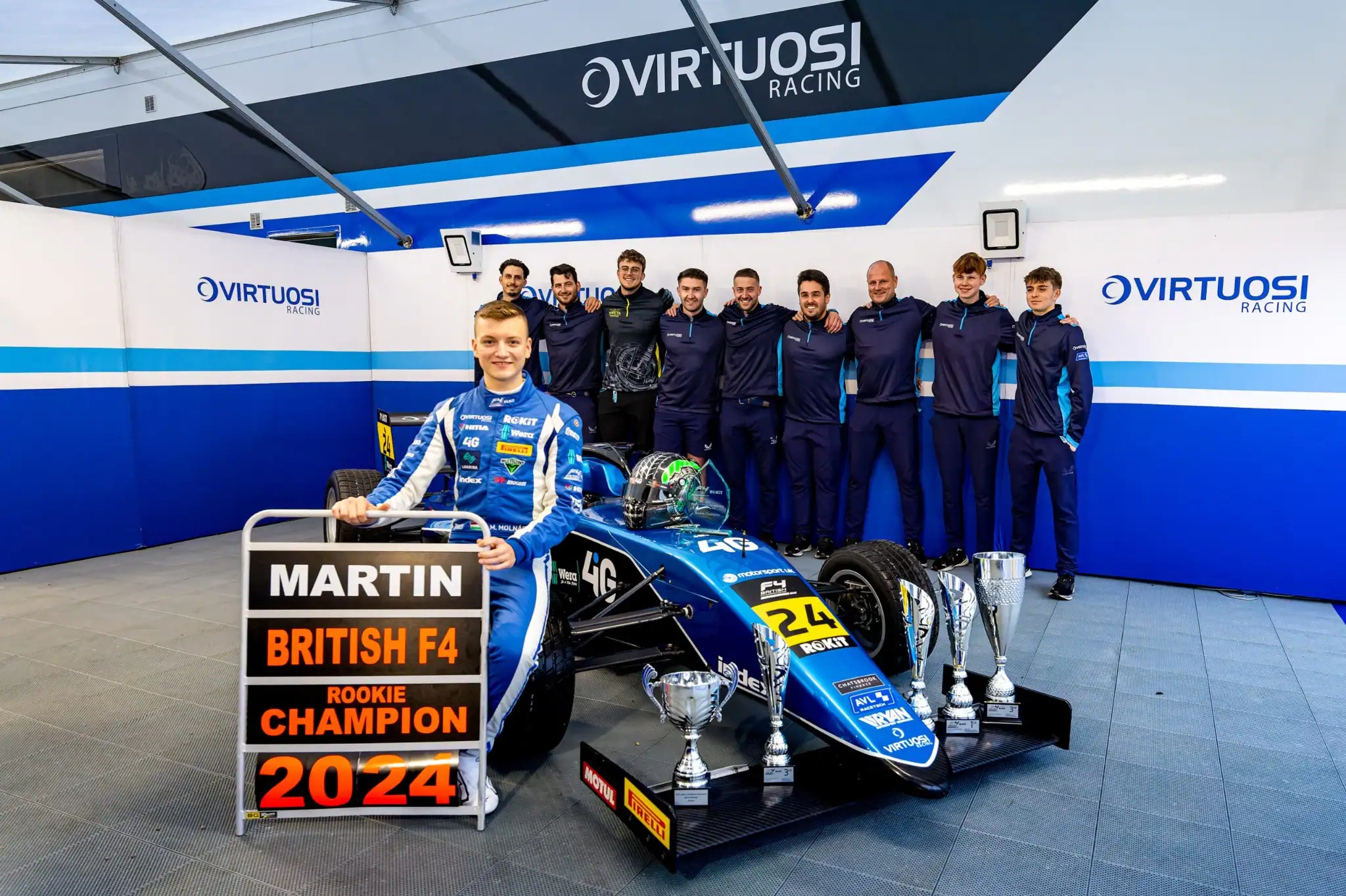
Grid position locked — ready for lights out
Hungary’s colors on the international stage
How Martin’s Path Compares to Modern Stars
Even the biggest names followed versions of this logic
| Driver | Pathway | Key Takeaway |
|---|---|---|
| Lando Norris | Karting → British F4 → junior wins → F2 runner-up → F1 | Textbook ladder climber |
| Max Verstappen | Karting → skipped steps with major backing → F1 at 17 | The rare exception |
| Oscar Piastri | FR → FIA F3 → FIA F2 → all championships won → F1 | Ultra-efficient model |
| Martin Molnár | Karting → British F4 → GB3 → FIA F3/F2 → ? | Structured, proven, accelerating |
His karting résumé gave him legitimacy, British F4 proved he can translate it to cars, and GB3 is the next stage where results can realistically open the FIA F3/F2 doors.
What Has to Happen Next
The realistic, non-fantasy version
If you want the non-fantasy version of “how a Hungarian ends up in F1,” it’s this:
Martin already has meaningful support: family foundation, plus structured backing through HUMDA, MOTAM, and sponsors such as 4iG.
That doesn’t guarantee F1—nothing does. But it creates a platform where the results can speak loudly enough to force opportunities.
Key Takeaways
Frequently Asked Questions
Is GB3 the same as FIA Formula 3?
Not exactly. GB3 is a British-based championship that functions as a high-level development series and a frequent stepping stone toward FIA Formula 3, but it is not the FIA F3 championship itself.
What series is Martin Molnár racing in right now?
For the 2026 season, he is racing in the GB3 Championship with Rodin Motorsport (formerly Carlin).
What’s the realistic path from GB3 to Formula 1?
A typical next sequence is GB3 → FIA Formula 3 → FIA Formula 2 → Formula 1, with the key requirement being 40 Super Licence points and being 18 years old or older at the time of eligibility.
Why does British F4 matter so much?
Because it’s one of the most competitive and respected F4 environments. Strong results there signal that a driver can handle pressure, pace, and professional team processes early.
Sources & Official Links
Follow the Journey
Support Hungary’s Next Racing Star
Attending a Race in Hungary?
VanBudapest provides premium VIP transportation to the Hungarian Grand Prix, motorsport events, and exclusive experiences across Budapest and beyond. Travel like a champion.