
Super Bowl LX in Santa Clara: The Rematch, the Money, the Music—and the Football That Actually Decides It All
The Super Bowl is America’s most reliable form of controlled chaos: 70,000 people in a stadium, well over 100 million more watching, and a single game that turns months of narrative into three hours of receipts. This year, the NFL’s 60th championship game lands back in the Bay Area—Super Bowl LX at Levi’s Stadium in Santa Clara—with a matchup that feels like the league is winking at its own history: Seattle Seahawks vs. New England Patriots, a decade-plus after their iconic Super Bowl XLIX finish.
And yes, the spectacle is enormous—Bad Bunny headlining the Apple Music halftime show, an anthem slot built for primetime, ad inventory priced like beachfront property, and an entire region trying to cash in.
But here’s the part casual coverage sometimes loses: this Super Bowl is also a coaches’ tape kind of game. Two defense-tilted head coaches. Two quarterbacks with wildly different career arcs. And a league that may be bending back toward the idea it pretends to love most—that defense still travels, even to the biggest stage.
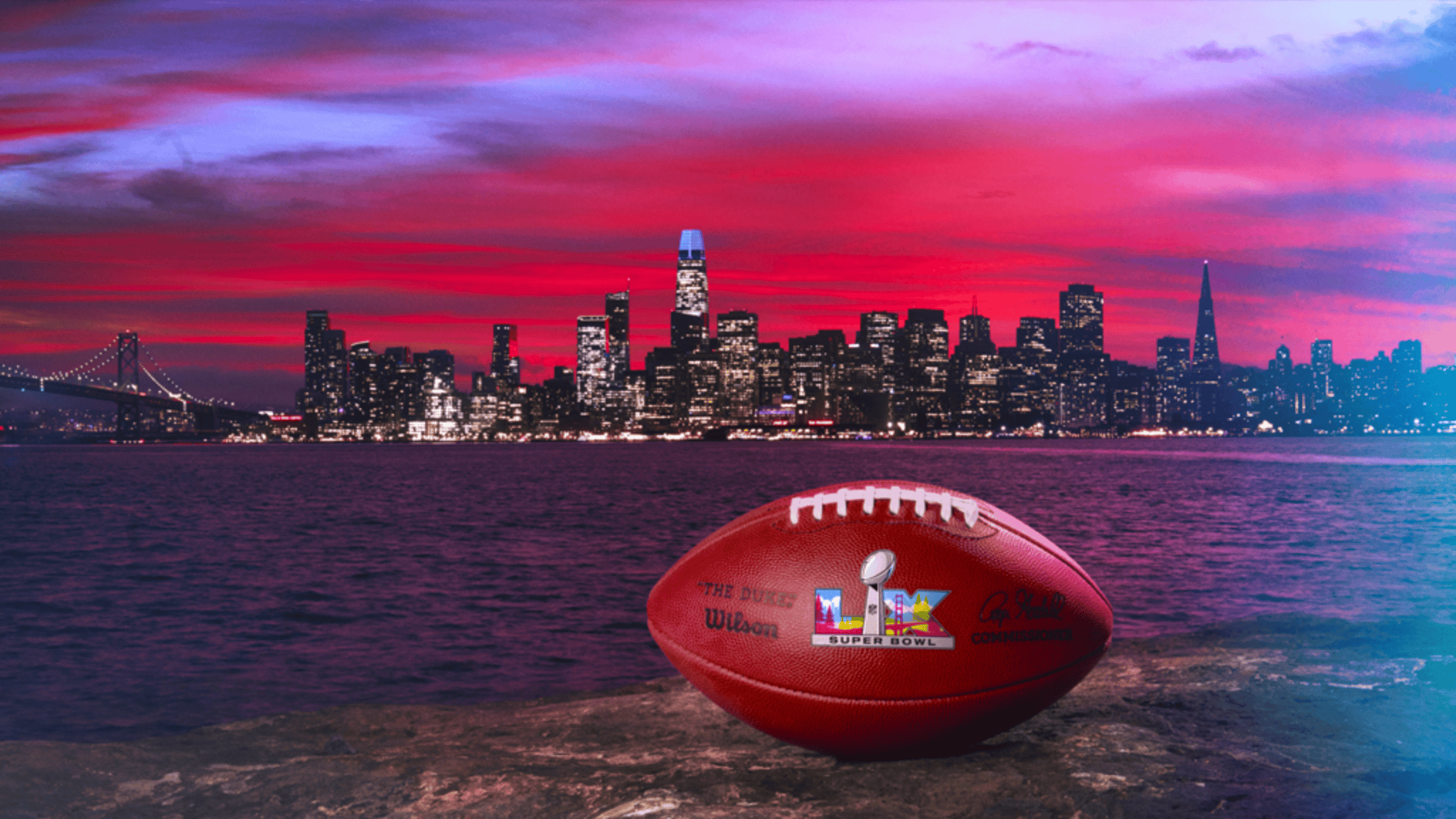
Super Bowl LX — The NFL’s 60th championship returns to the Bay Area with record-breaking spectacle
Super Bowl LX at a glance: what, where, when, and how to watch
Game Day Details
Game
Super Bowl LX (60th NFL championship)
Matchup
Seattle Seahawks (NFC) vs. New England Patriots (AFC)
Date / Time
Sunday, Feb. 8, 2026 — 6:30 p.m. ET
Venue
Levi’s Stadium, Santa Clara, California (San Francisco Bay Area)
Broadcast
NBC + Peacock (with Spanish-language coverage listed)
Halftime
Bad Bunny (Apple Music Halftime Show)
The shadow game: why Seahawks–Patriots hits different
If you remember Super Bowl XLIX, you remember the feeling: New England’s late lead, Seattle at the goal line, one decision that instantly became mythology. The league doesn’t usually need a rematch to sell a Super Bowl—but this one comes with built-in emotional voltage.
And the timing matters. Super Bowl LX isn’t just another final—it’s the NFL’s 60th championship, an anniversary that naturally triggers legacy talk: dynasties, turning points, and what “the modern game” actually is.

Official NFL artwork — Super Bowl LX
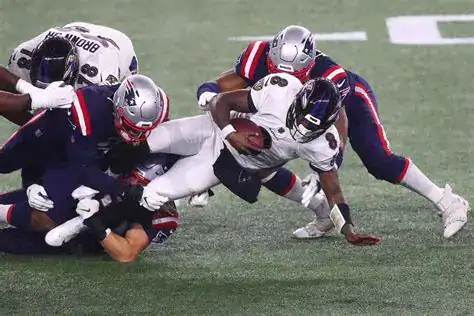
Championship intensity on the gridiron
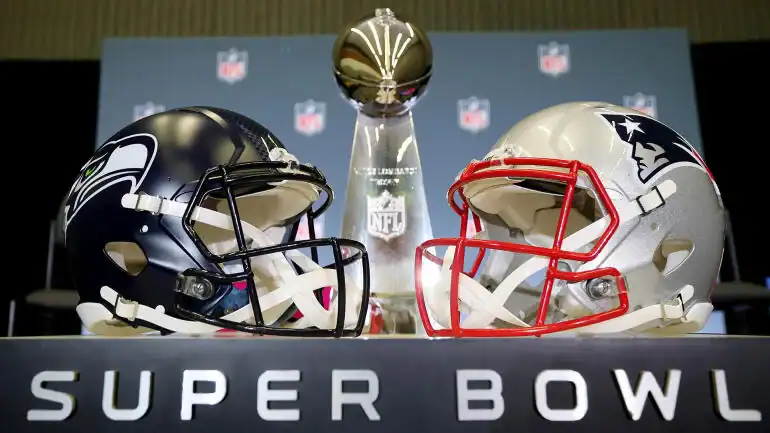
Opening Night — where the storylines begin
The football core: two “program” coaches trying to win the margins
This isn’t a vibes matchup. It’s a structural matchup.
Seattle: Macdonald’s defense-first identity, built to dictate
Seattle arrives as the NFC’s top seed, and the headline is control—control of explosive plays, control of tempo, control of what quarterbacks think they’re seeing pre-snap. Their profile screams “make you earn it,” the kind of defense that turns red-zone trips into field-goal decisions and third downs into punts.
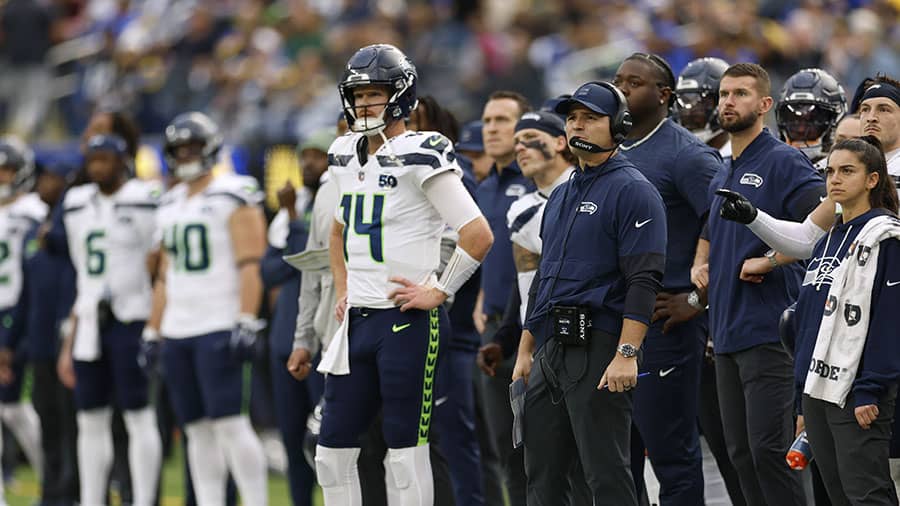
Seattle Seahawks coaching staff — the architects of defensive dominance

Seahawks arrive in Santa Clara — focused and determined
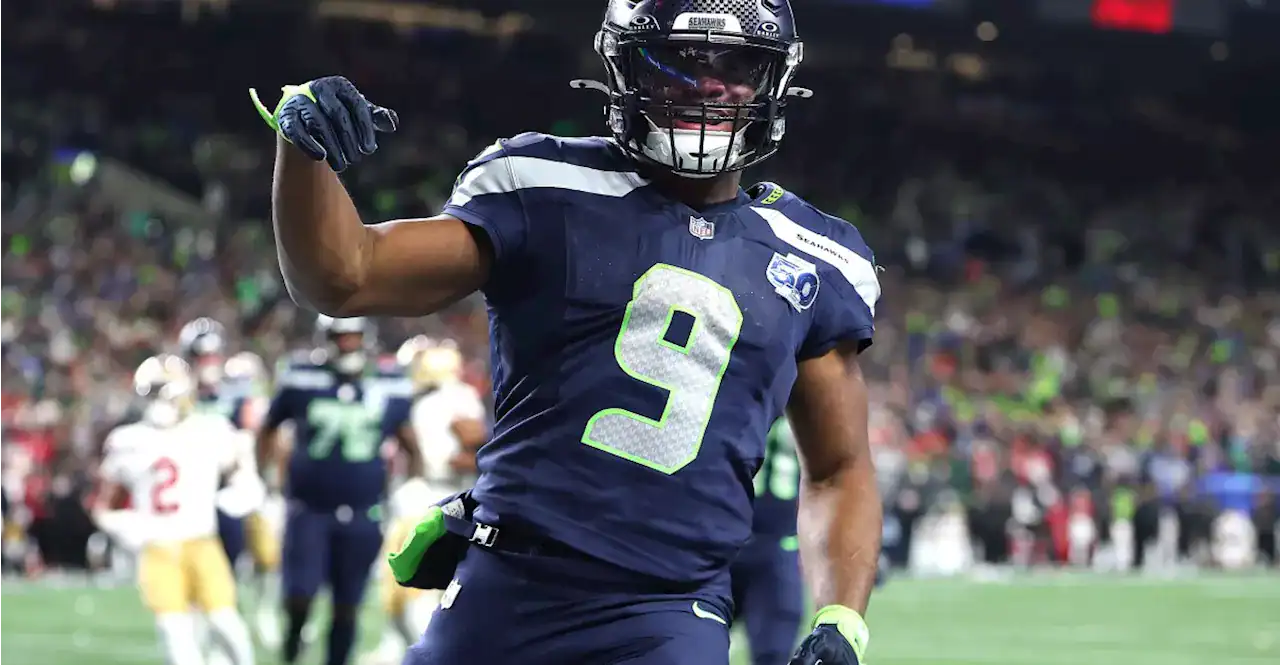
NFC Champions — Seahawks celebrate their road to Super Bowl LX
New England: Vrabel’s Patriots, rebuilt around discipline (and a new QB era)
Across the sideline is the strangest sentence in pro football—”the Patriots are back”—but with an entirely different cast. New England is chasing a record seventh Lombardi, and it’s doing it without the Brady–Belichick framework that defined a generation.
The new headline is Drake Maye, set for his first Super Bowl start—”full circle” in Levi’s Stadium, of all places.

New England Patriots — chasing a record seventh Lombardi Trophy
Quarterback contrast: stability vs. ignition
Wikipedia’s game listing has the expected starters as Sam Darnold (SEA) vs. Drake Maye (NE). That pairing alone tells you what kind of night it could be: one side trying to stay clean, on-schedule, and efficient; the other trying to create decisive high-value moments without giving the defense the ball.
In Super Bowls, the losing QB is often the one who gives you one extra possession you didn’t earn: a short field, a strip-sack, a bad throw you felt you had to make. Against defenses like these, “one mistake” isn’t a cliché—it’s arithmetic.
Against defenses like these, “one mistake” isn’t a cliché—it’s arithmetic.
The real “third team”: Levi’s Stadium and the Bay Area machine
Levi’s Stadium has hosted a Super Bowl before, but the Bay Area has changed—post-pandemic travel patterns, different downtown rhythms, new pressure on public services, and a region that knows it’s in a global competition for mega-events.
San Francisco Bay Area — the global stage for Super Bowl LX
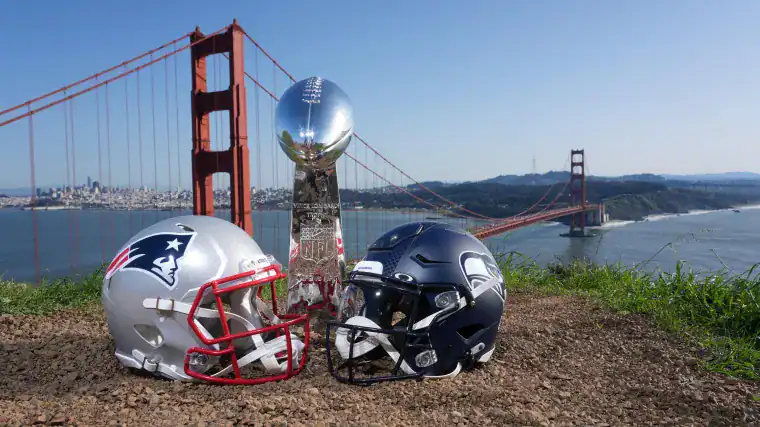
Levi’s Stadium, Santa Clara — game-day ready
California’s office has cited ~$500 million in regional economic impact around the event.
Local reporting and host committee projections run as high as $630 million, with thousands of jobs and major visitor inflow.
Santa Clara has publicly discussed significant public-service costs tied to safety, traffic, and operations.
The key point: the Super Bowl isn’t just “in” a city. It temporarily reorganizes the city.
The money quarter: why Super Bowl ads keep breaking logic
A Super Bowl is a football game that doubles as the largest ad marketplace in American culture. For Super Bowl LX, the market has pushed into another tier:
Reporting points to average 30-second pricing around $8M, with the top slots pushing higher.
NBC’s own press materials cite $10M+ as a record cost for a 30-second ad this year.
Why brands still do it: because the Super Bowl remains a rare “same moment” event—ads aren’t interruptions; they’re part of the program. The ROI isn’t only sales. It’s cultural placement.
Halftime matters—because it signals who the NFL thinks it is
Bad Bunny headlining isn’t just a booking; it’s an identity choice: global audience, Spanish-language dominance, streaming-era superstardom, and the NFL continuing to treat halftime as a tentpole rather than a sideshow.
And it’s not happening in isolation. Super Bowl LIX set a modern benchmark for how big the entire product can get—a record U.S. audience and a halftime show that became its own headline economy.
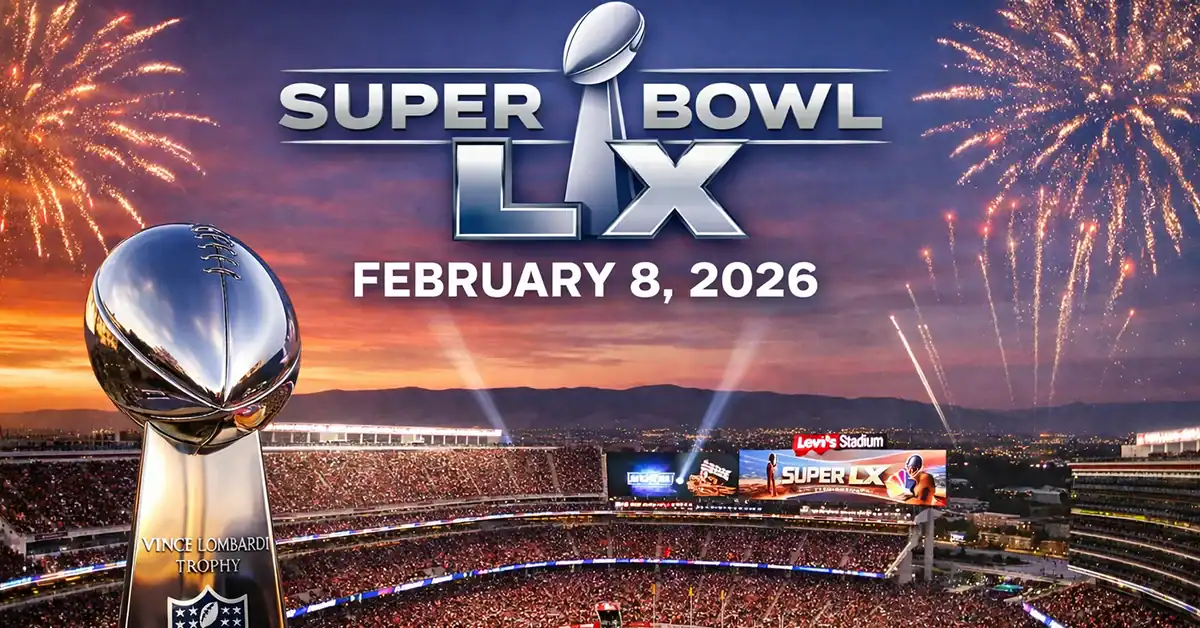
Super Bowl Sunday — where 70,000 gather and 100 million more tune in
A brief, factual note on politics and security (because it’s part of the week)
Super Bowl week always attracts political gravity—some of it ceremonial, some of it controversy-by-proximity. This year, one of the more visible narratives has been public concern around immigration enforcement chatter and petitions, with the NFL’s security leadership stating there are no planned ICE enforcement activities tied to the event.
Security-wise, the Super Bowl is effectively a multi-agency operation every year; the difference is which anxieties are culturally loud at that moment.
What most people miss: Super Bowls are won before the highlight plays
If you only watch the ball, you miss the sport.
Super Bowls are won in:
- Protection rules that survive crowd noise and disguised looks
- Second-and-medium decisions that keep the playbook open
- Red-zone sequencing (and whether you can score without a broken play)
- Special teams field position, the quiet fuel of “momentum”
- Clock ownership: not time of possession as trivia, but as leverage
That’s why this matchup is fascinating. It’s not “Who has the bigger star?” It’s “Who can keep the game inside their rules longer?”
It’s not “Who has the bigger star?” It’s “Who can keep the game inside their rules longer?”
Key Takeaways
- Super Bowl LX is a legacy-heavy rematch: Seahawks vs. Patriots, in the NFL’s 60th championship.
- The Bay Area hosts the spectacle at Levi’s Stadium, with NBC/Peacock carrying the broadcast.
- The business is historic: ad slots average around $8M, with premium inventory cited at $10M+.
- The cultural centerpiece is the Bad Bunny halftime show—another signal that the NFL is building for a global audience.
- On the field, this reads like a margin game: coaching, discipline, protection, and one or two swing possessions.
FAQ
When is Super Bowl LX, and where is it being played?
Super Bowl LX is scheduled for February 8, 2026, at Levi’s Stadium in Santa Clara, California.
Who is performing the Super Bowl LX halftime show?
The Apple Music halftime show will be headlined by Bad Bunny.
How expensive are Super Bowl LX commercials?
Coverage indicates 30-second ads are averaging around $8 million, with premium placements cited at $10 million+.