Budapest Children’s Railway: The Buda Hills’ Most Unique Day Out
A complete guide with service logic, ticket prices, stops, and itineraries — everything you need for the world’s longest children-operated heritage railway.

Key Takeaways
- The Children’s Railway is a 11.7018 km long, Guinness-record children-operated heritage railway in the Buda Hills.
- It runs year-round, but Monday service is the exception during the school term (typically no trains on school Mondays from early fall to late spring).
- End-to-end travel time is usually about 40–50 minutes.
- Card payments are only reliably available at the three main stations: Széchenyihegy, Szépjuhászné, and Hűvösvölgy.
- “Light trains,” “Santa trains,” and nostalgia services are seasonal — details are often finalized only weeks in advance.
What Is the Children’s Railway — and Why It Isn’t “Child Labor”
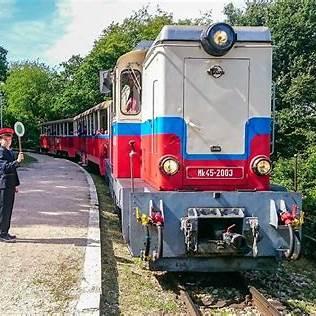
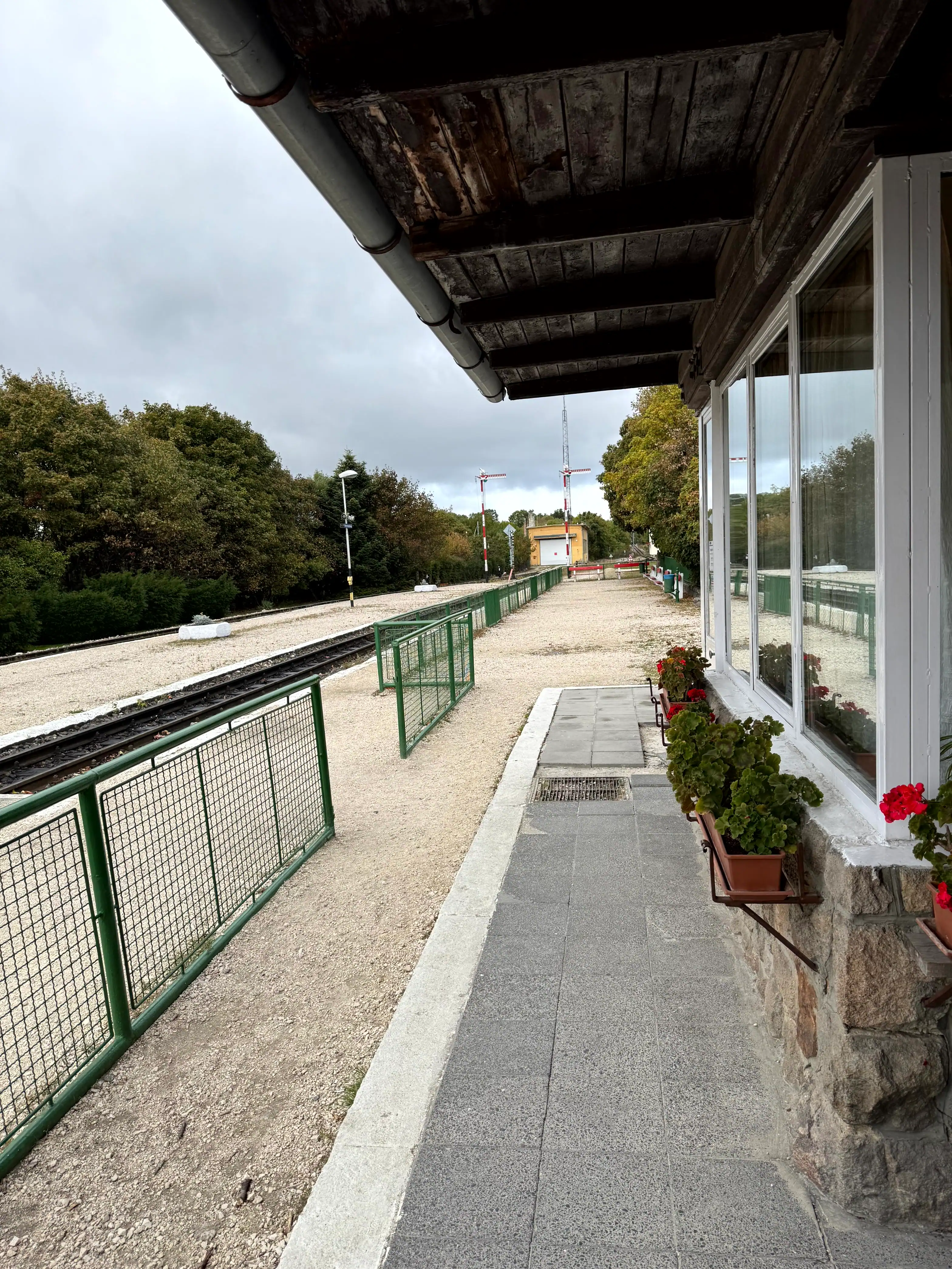
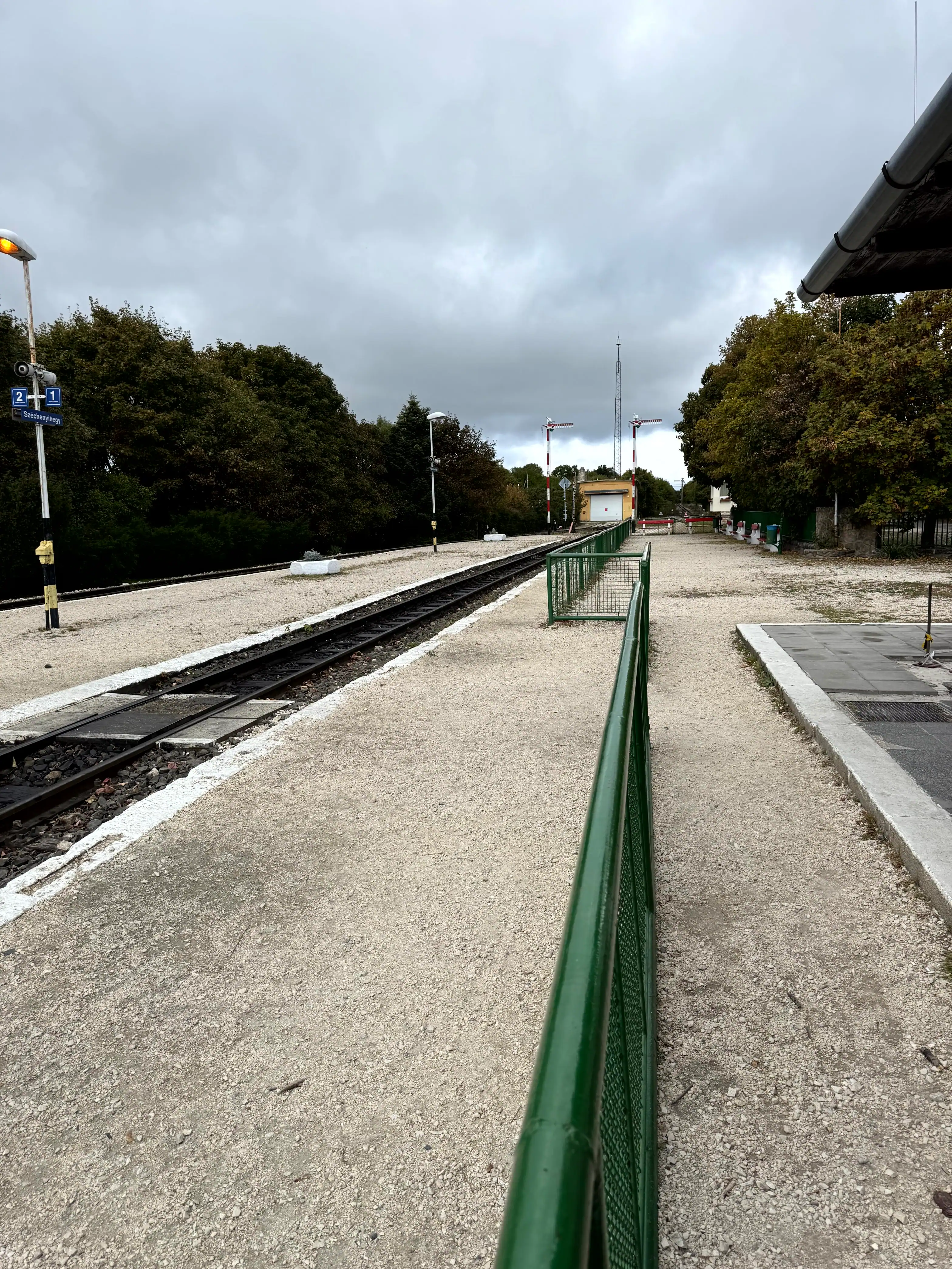
There’s a place in Budapest where “family-friendly” and “rare on a global level” mean the same thing. The Children’s Railway isn’t a staged nostalgia prop — it’s a working railway running through the forests of the Buda Hills. And yes: much of the station and onboard passenger service is performed by children aged roughly 10–14, under professional adult supervision.
The concept is simple, yet genuinely unusual: children provide much of the “front-of-house” railway service — ticket handling, platform and station duties, passenger information, and certain traffic/admin tasks — after training, voluntarily, with parental and school support and under the supervision of adult railway professionals. Driving the locomotive and maintaining the track infrastructure remain adult responsibilities.
That makes the Children’s Railway, all at once: a heritage/engineering landmark (narrow-gauge track, forest route, classic rolling stock), a structured youth program (discipline, communication, responsibility), and a tourism backbone connecting some of the Buda Hills’ most beloved hiking areas.
A Short History: From “Pioneer Railway” to World Record
The line was built between 1948 and 1950 and originally operated as the “Pioneer Railway.” After Hungary’s political transition around 1990, it became known as the Children’s Railway.
Similar concepts existed elsewhere, but Budapest’s line stands out for its length and operational complexity, which is precisely why it’s internationally referenced and recognized by Guinness World Records.
It’s also a Guinness World Records holder: the world’s longest children’s railway line where children carry out the traffic and commercial service (length: 11.7018 km).
Route Overview: Where It Runs
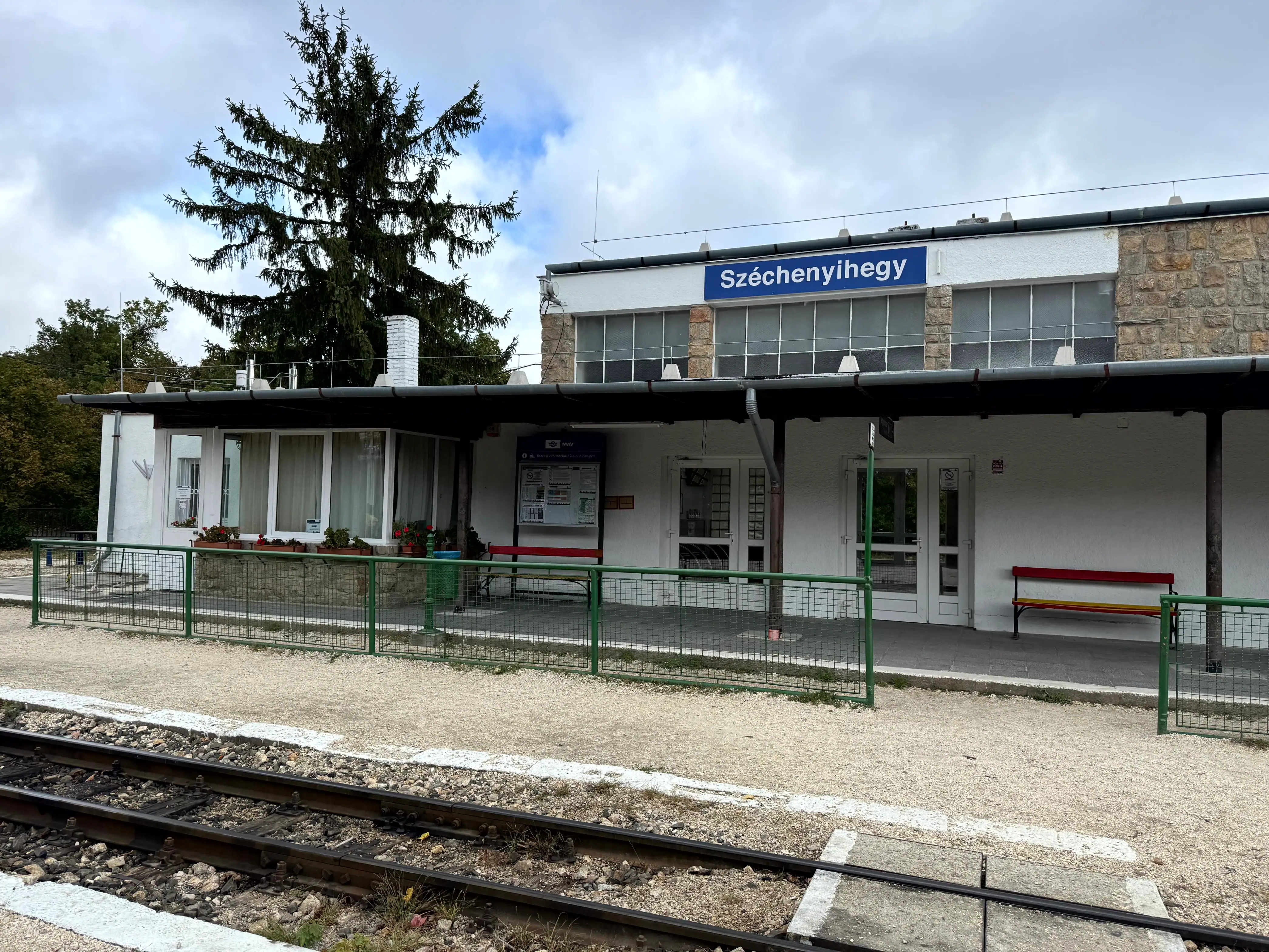
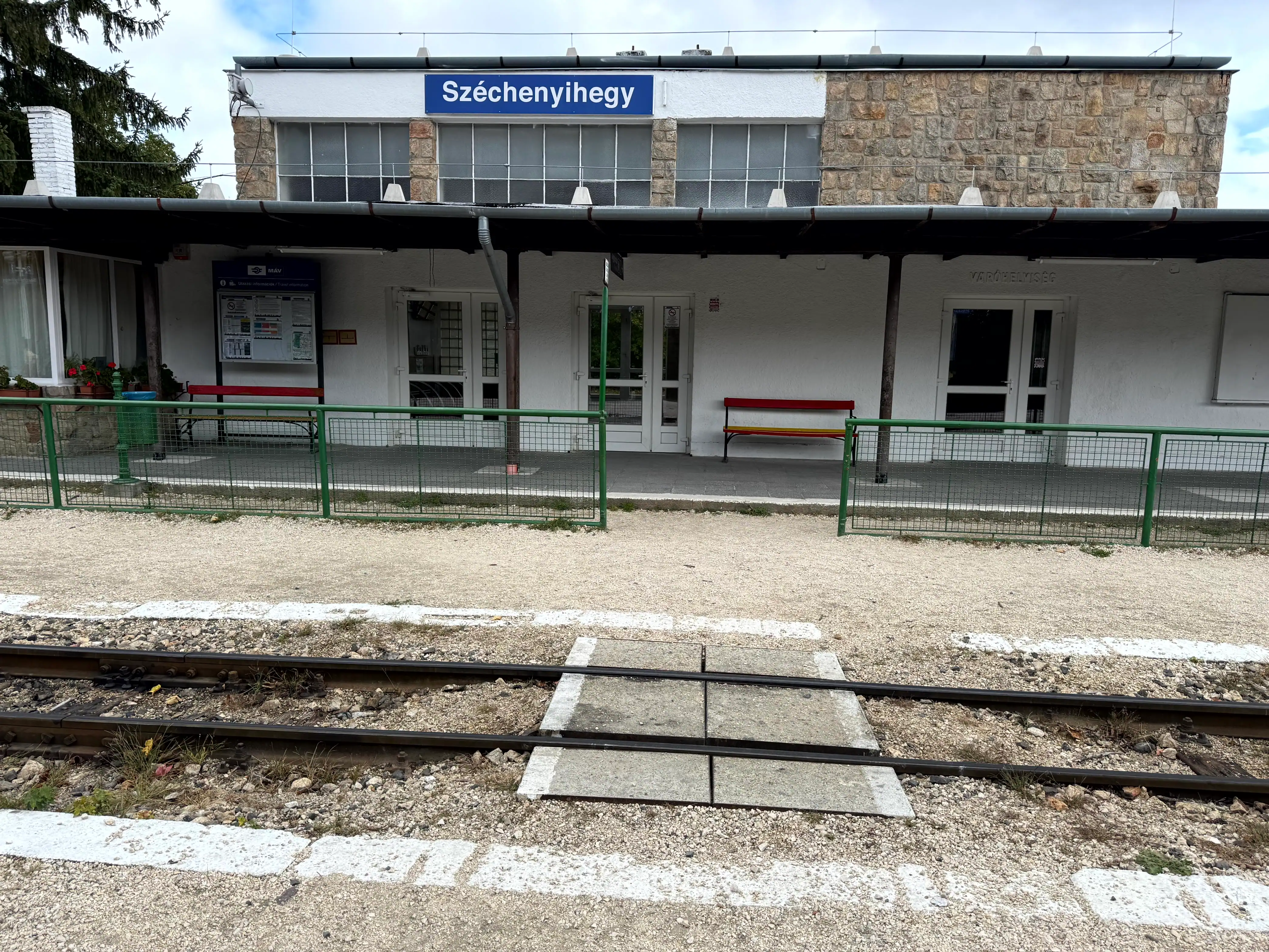
The two endpoints are Széchenyihegy (Széchenyi Hill) and Hűvösvölgy. Typical end-to-end time is 40–50 minutes, and the premium part of the experience is that it’s intentionally unhurried — forest air, slow panoramas, and a rhythm that feels like a real break from the city.
Classic Stop Order (Traveling Along the Line)
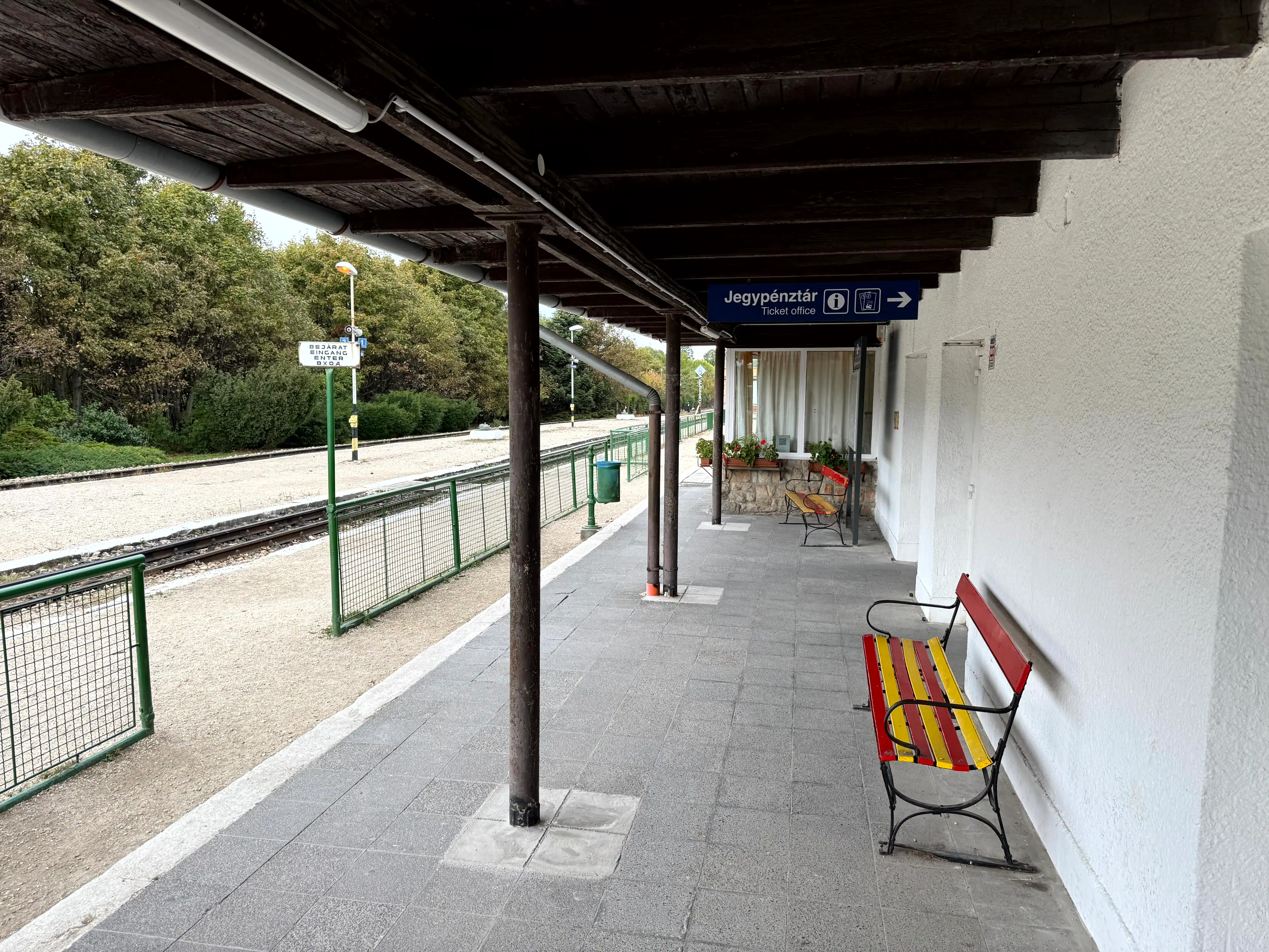
Stops and What to Do Nearby
Each stop along the line opens up a different slice of the Buda Hills — from playgrounds and panoramas to wildlife parks and quiet forest trails.
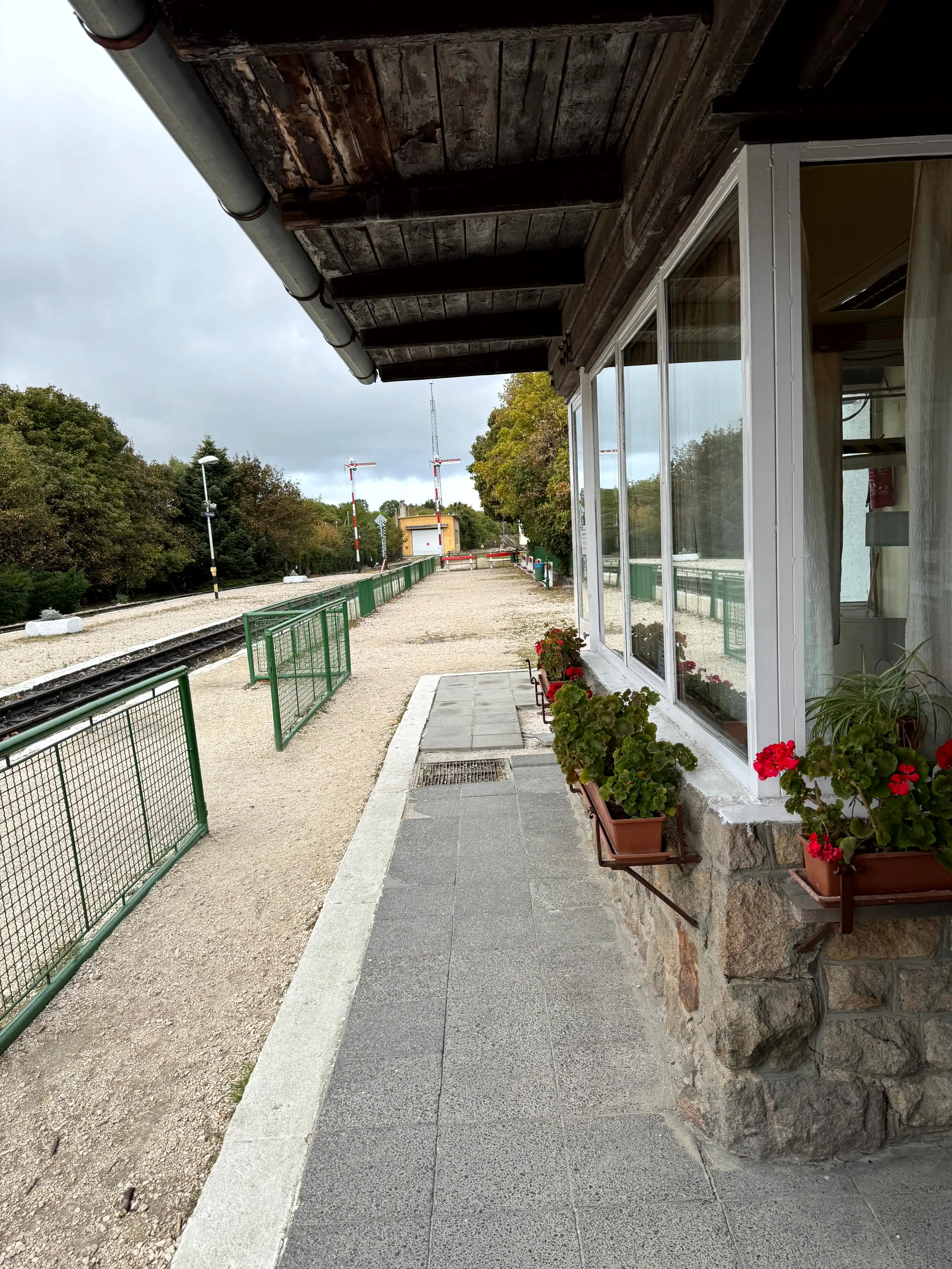
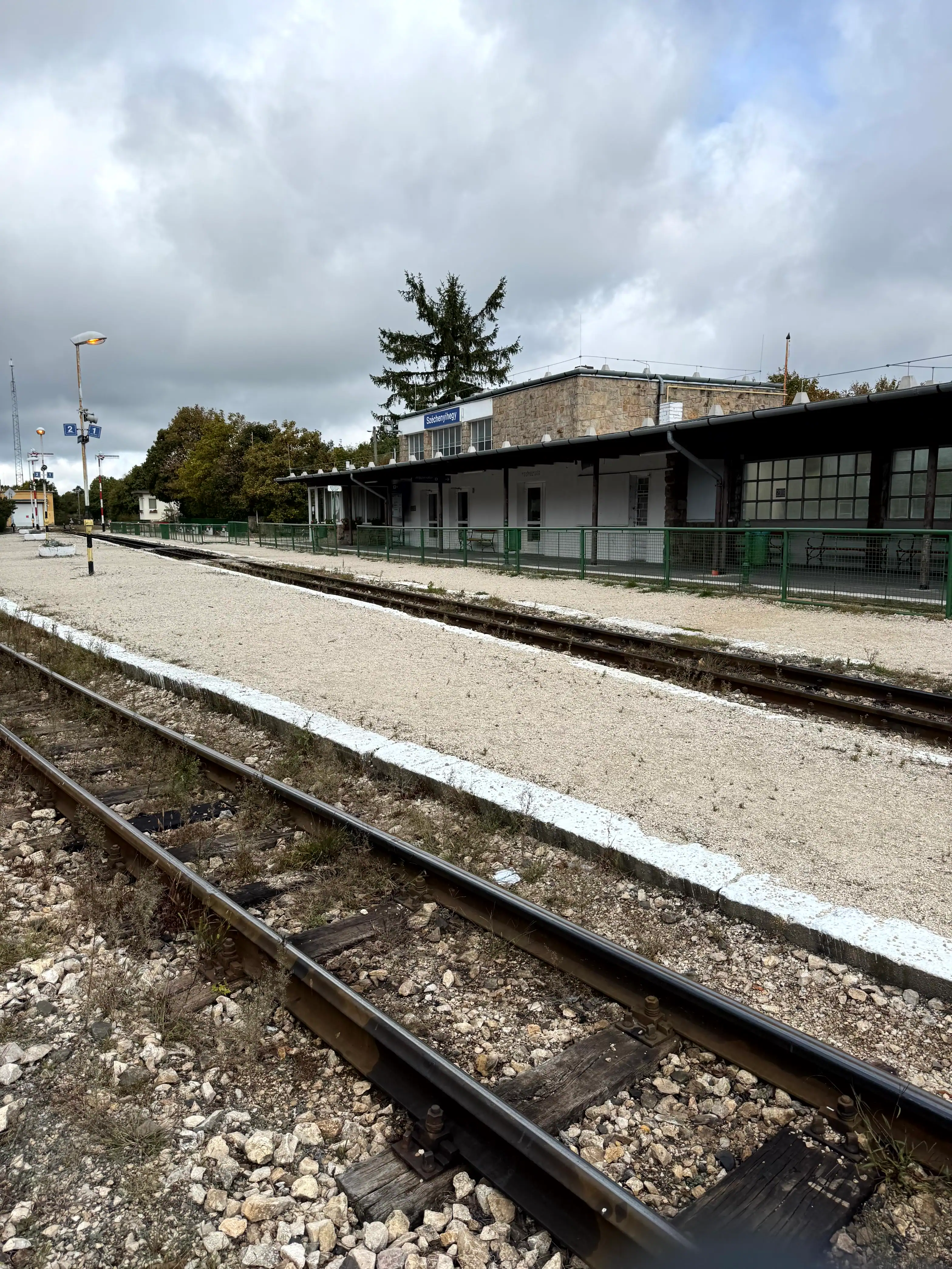
Széchenyihegy
The “Classic Start”
If you’re arriving from the city, this endpoint gives you a beautiful narrative: you rise into the hills and then drift into the forest. Nearby is Budapest’s famous cogwheel railway (“Fogaskerekű”), which connects from the Városmajor area up into the hills.
Insider Note
Weekend parking in the hills can be unpredictable. If you want your day to start with the peron, not the parking hunt, planning a smooth arrival matters.
Normafa
Budapest’s Outdoor Living Room
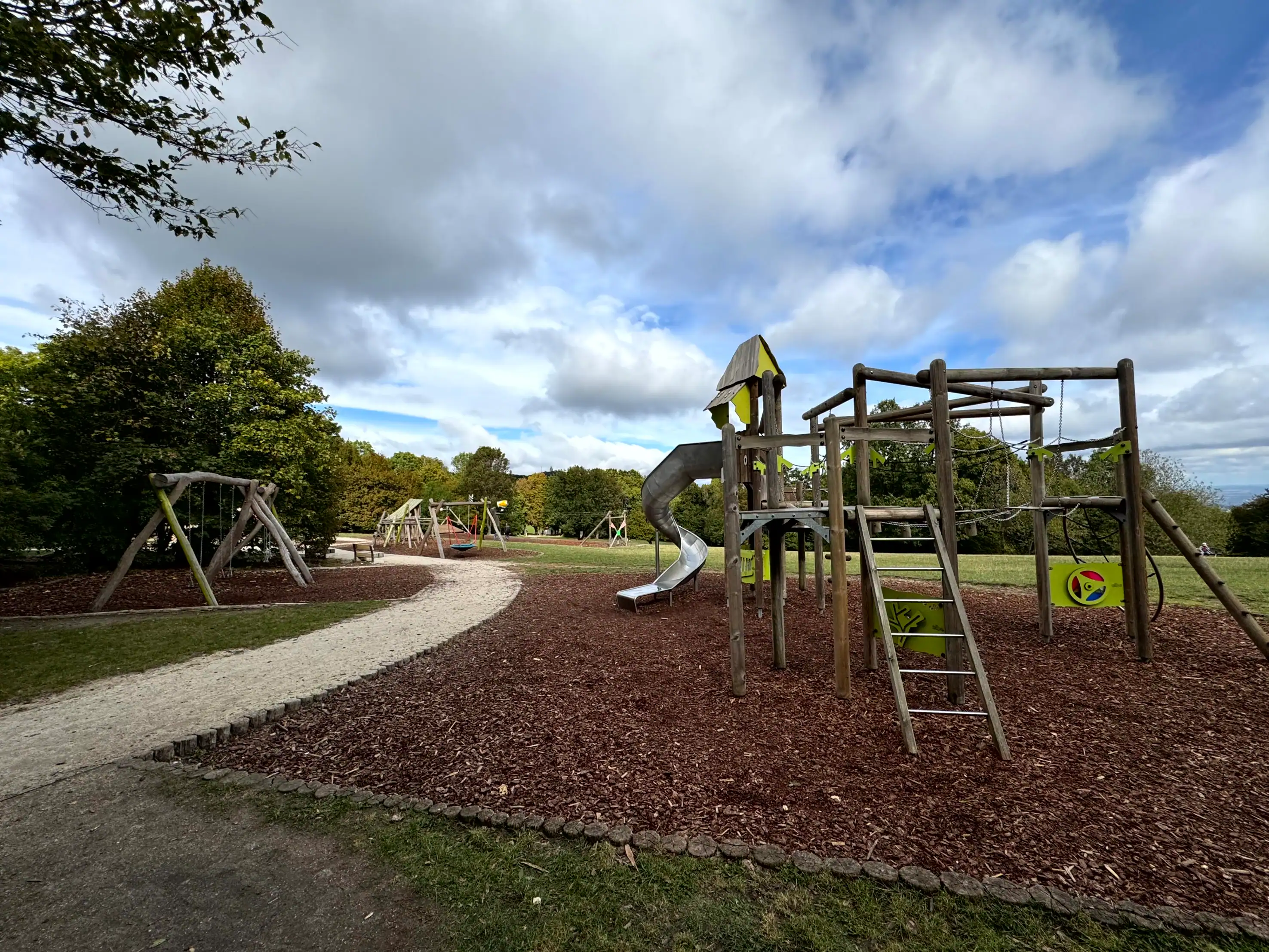
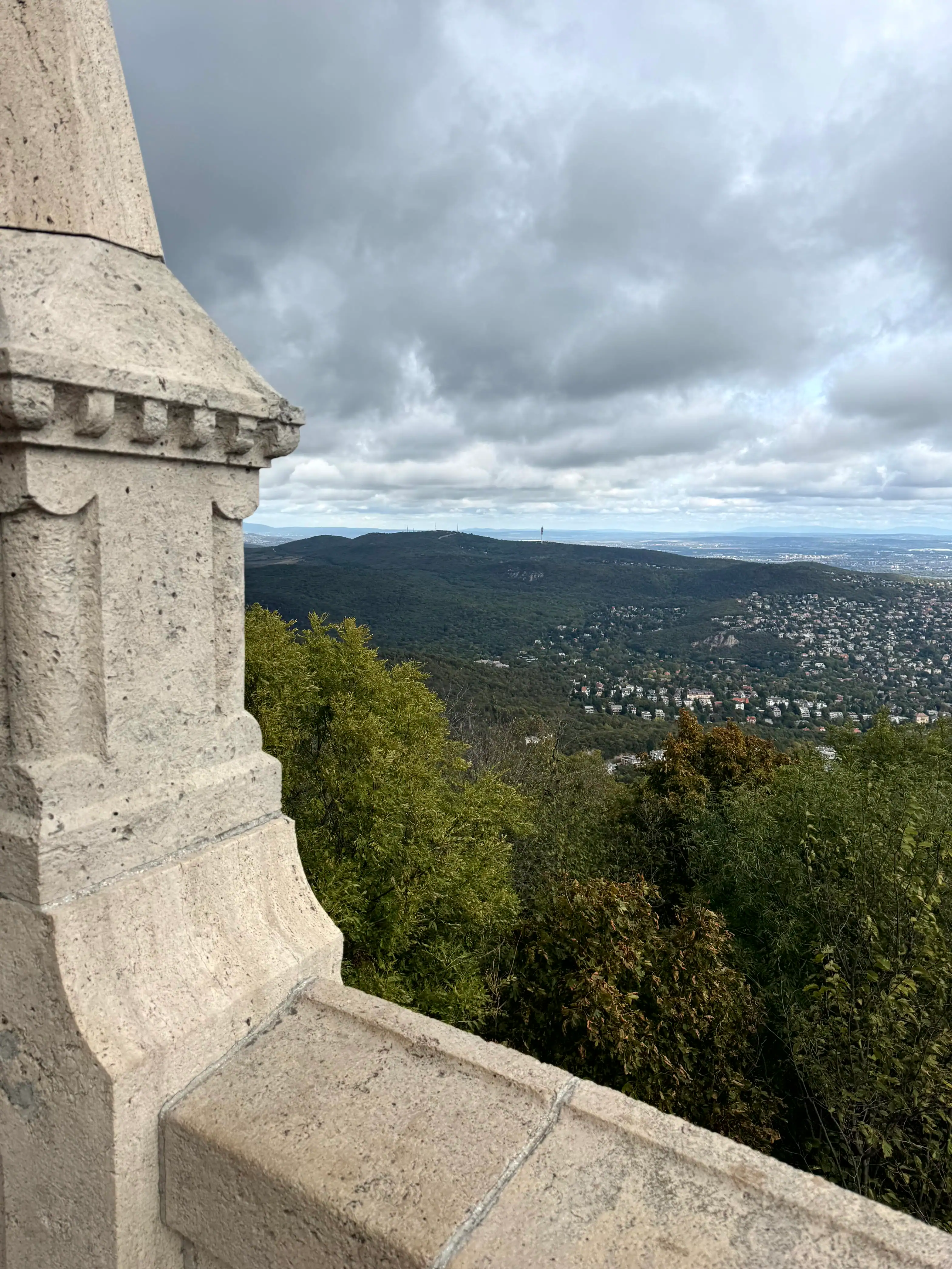
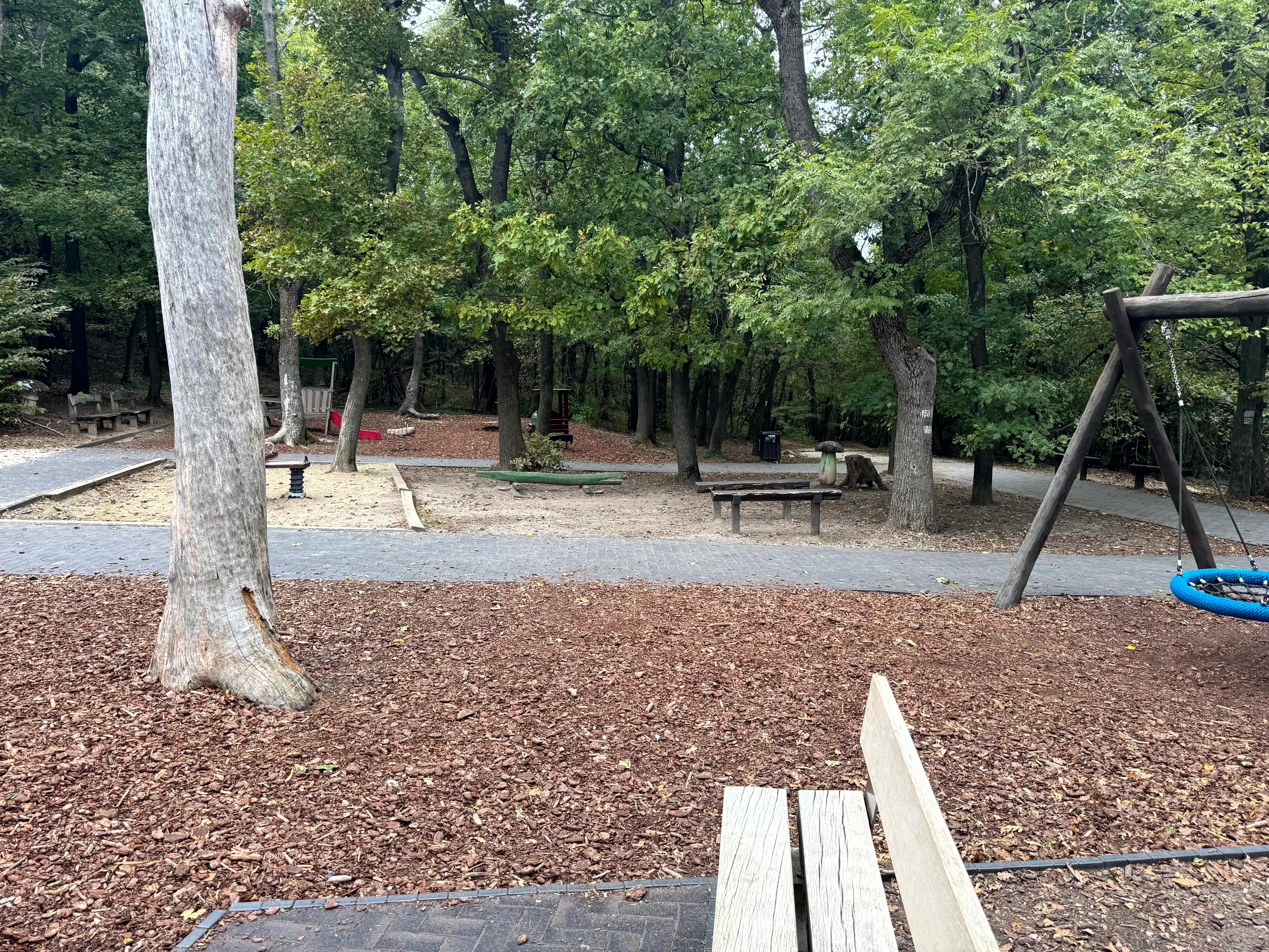
Normafa is one of the city’s most loved green escapes: picnic spots, easy walks, winter sledding, and big views. The Children’s Railway is one of the best ways to stitch this into a relaxed half-day plan.
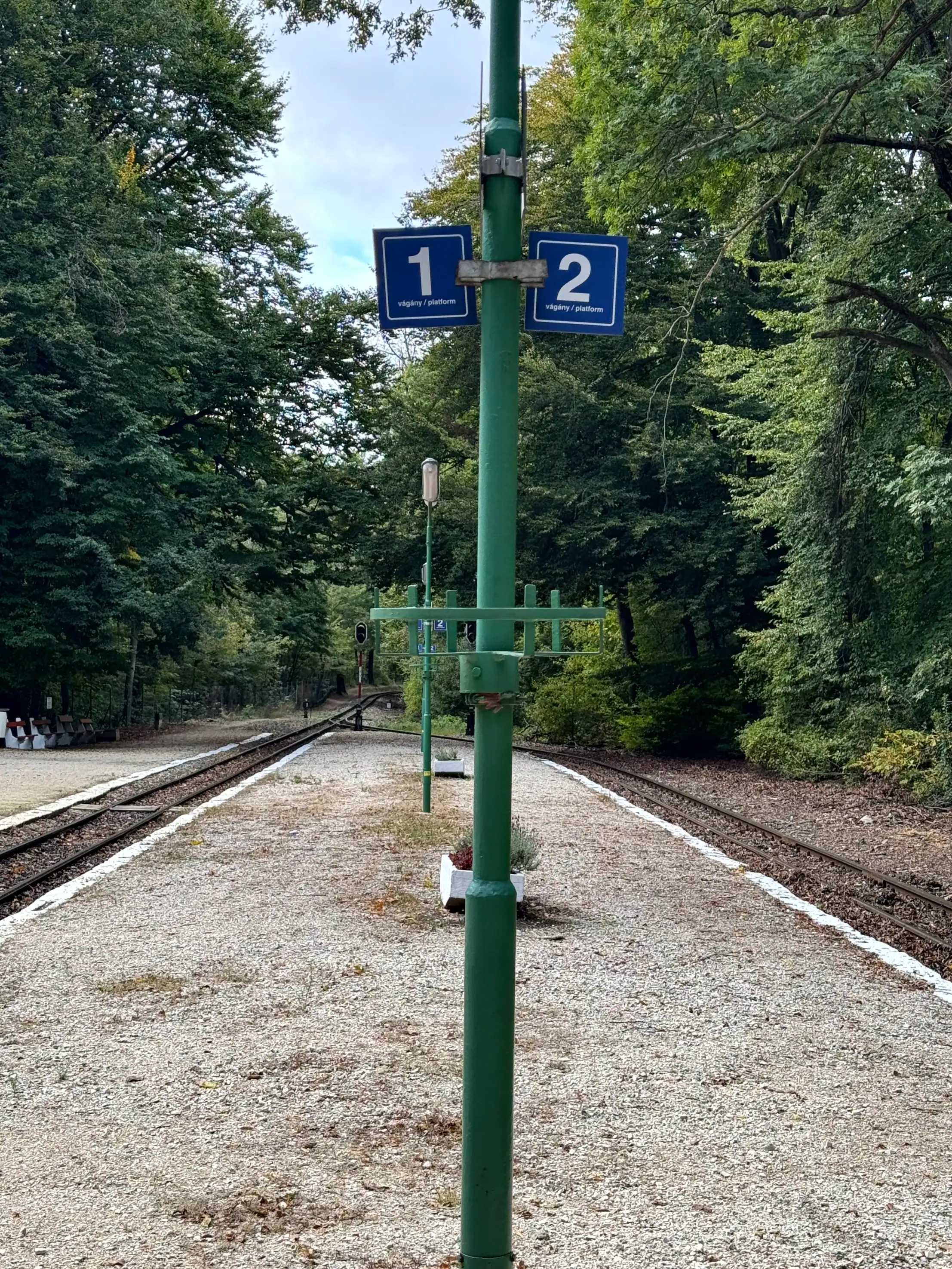
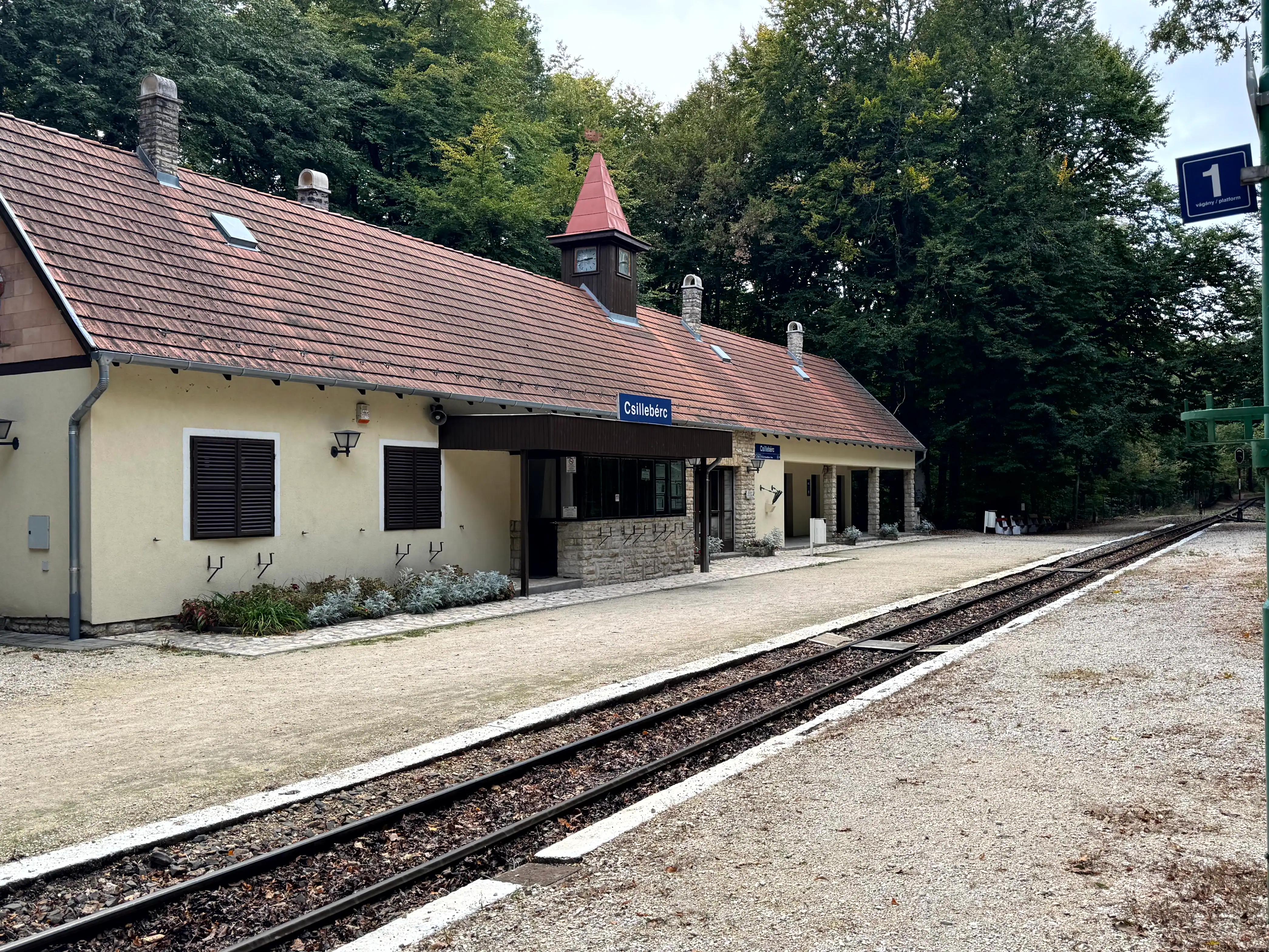
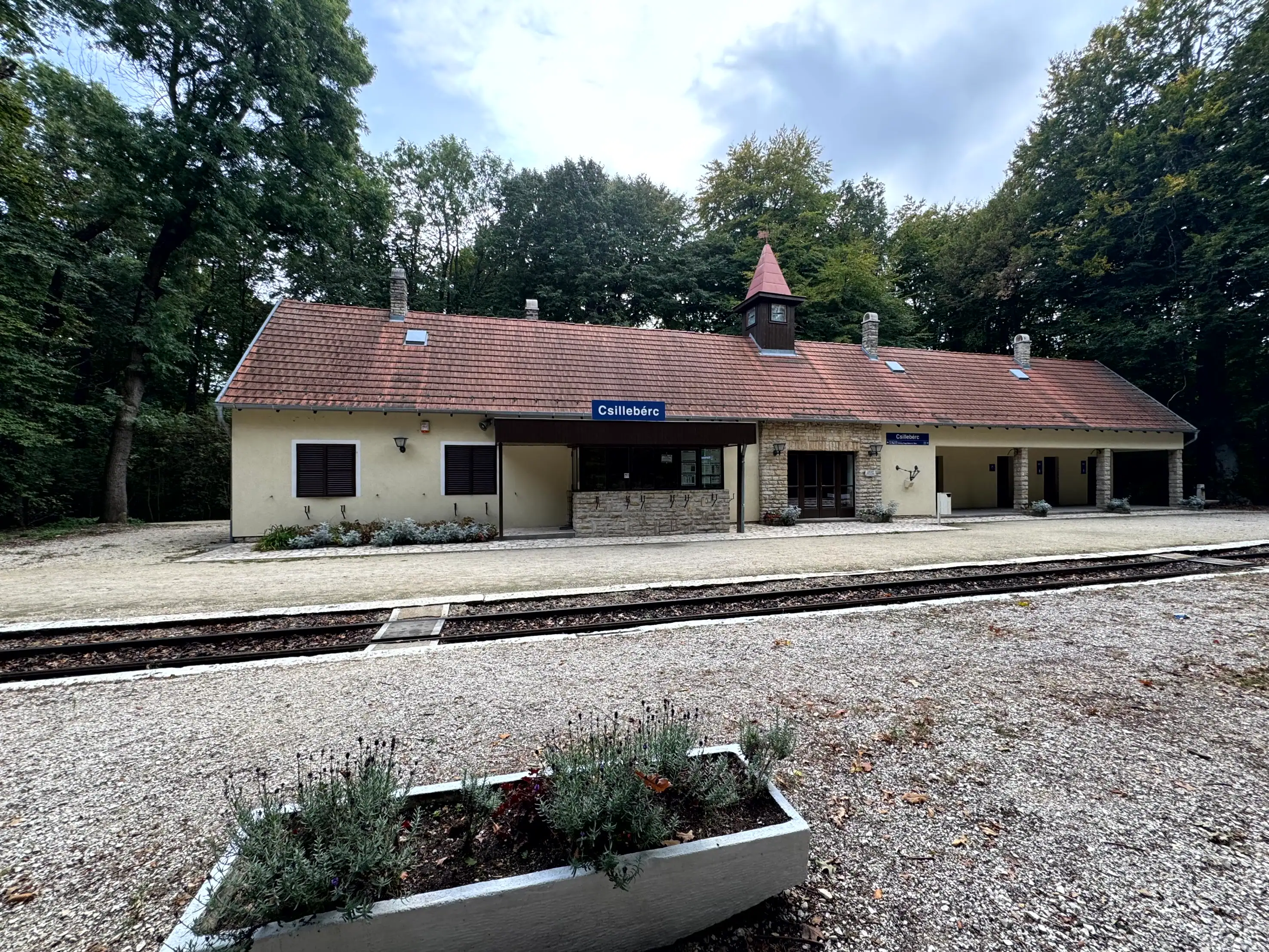
Csillebérc
Camp Energy & Active Forest Time
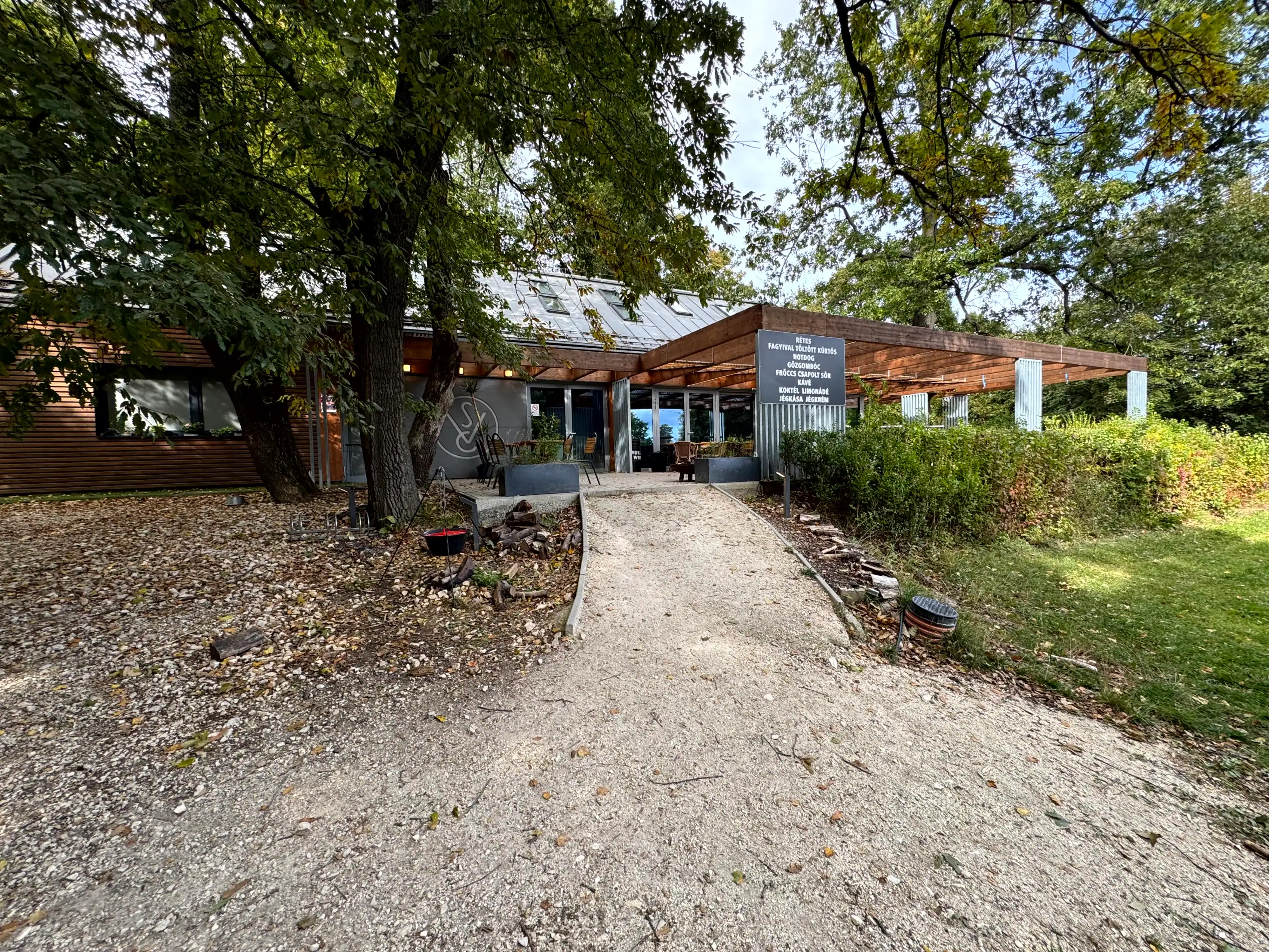
This stop often feels like the “group hub”: school trips, camps, community outings. It’s where the “railway + organized activity” formula tends to click.
Virágvölgy
A Quieter Forest Drop-Off
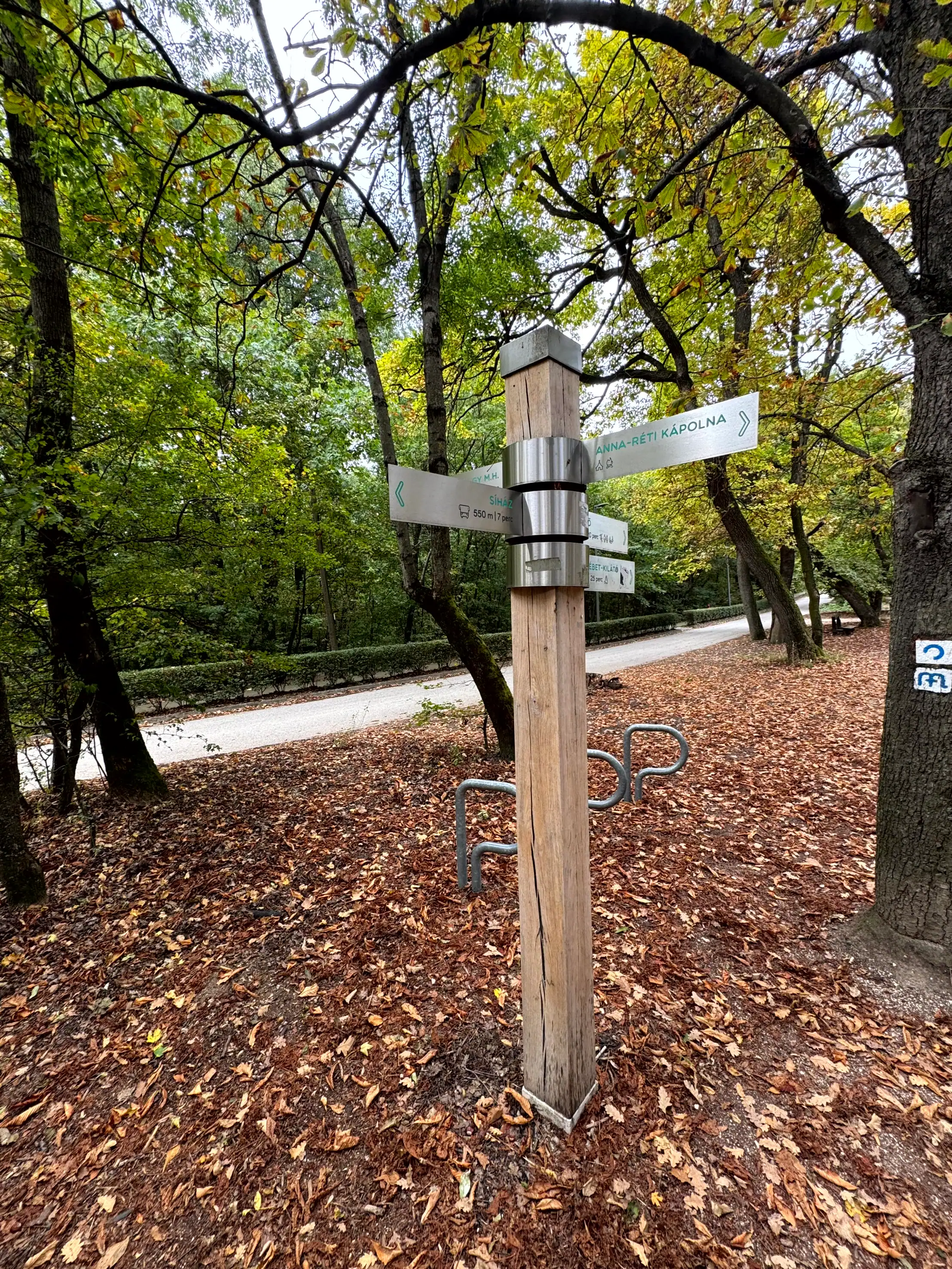
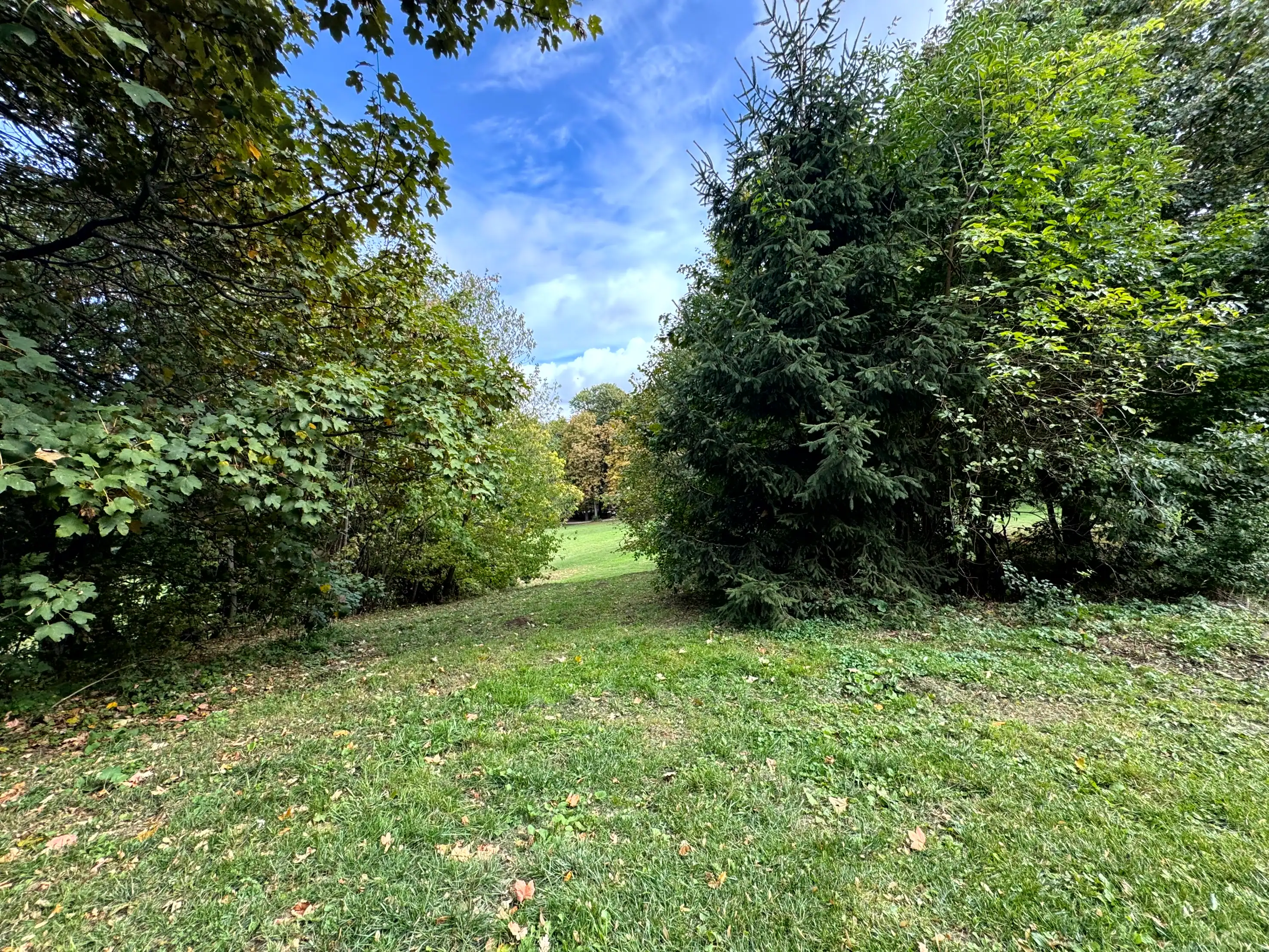
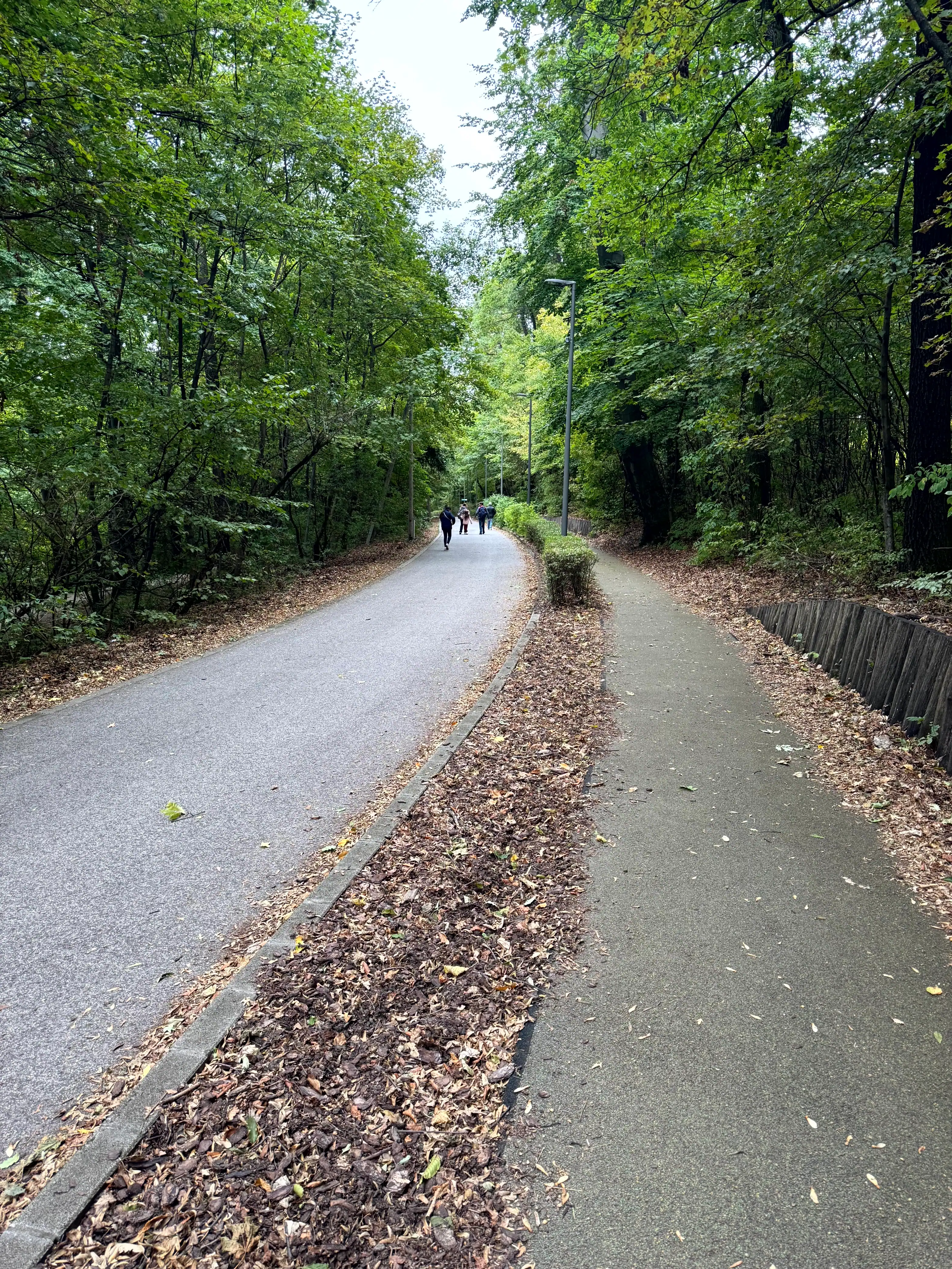
If your goal is mood — silence, trees, a short hike — Virágvölgy is a gentle reset stop. It’s less about services and more about stepping straight onto the trails.
János-hegy
Elizabeth Lookout + Chairlift Combo
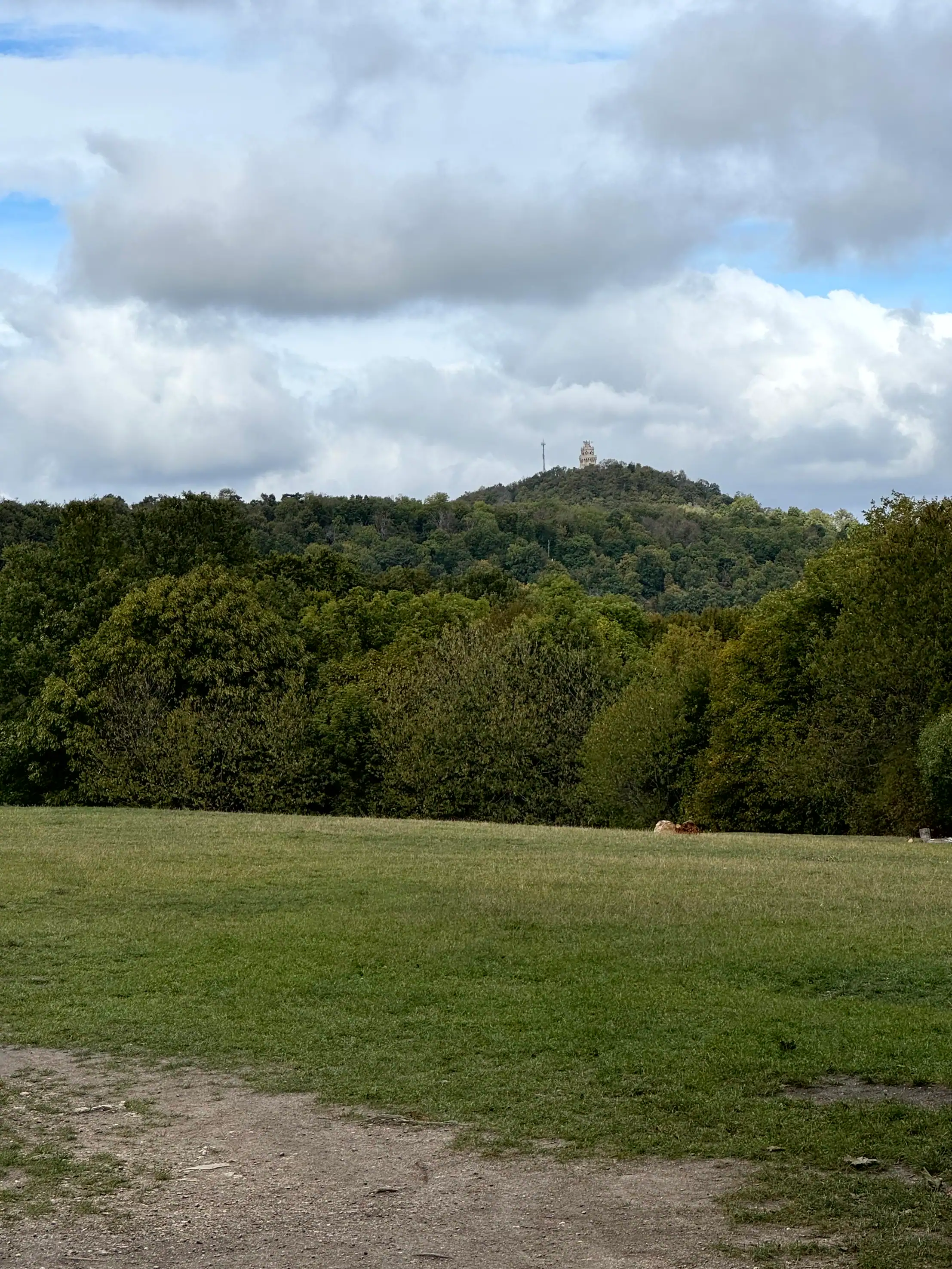
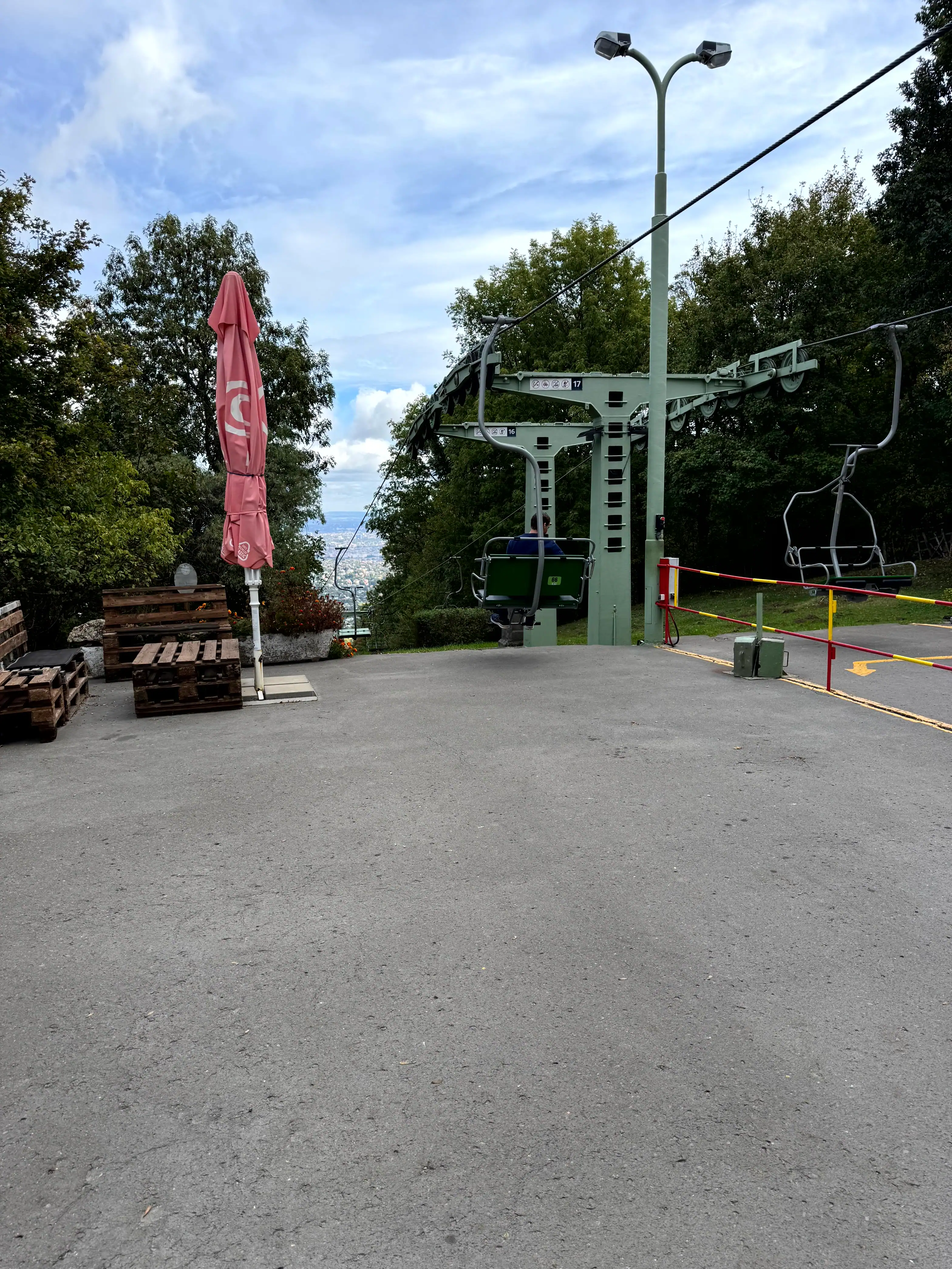
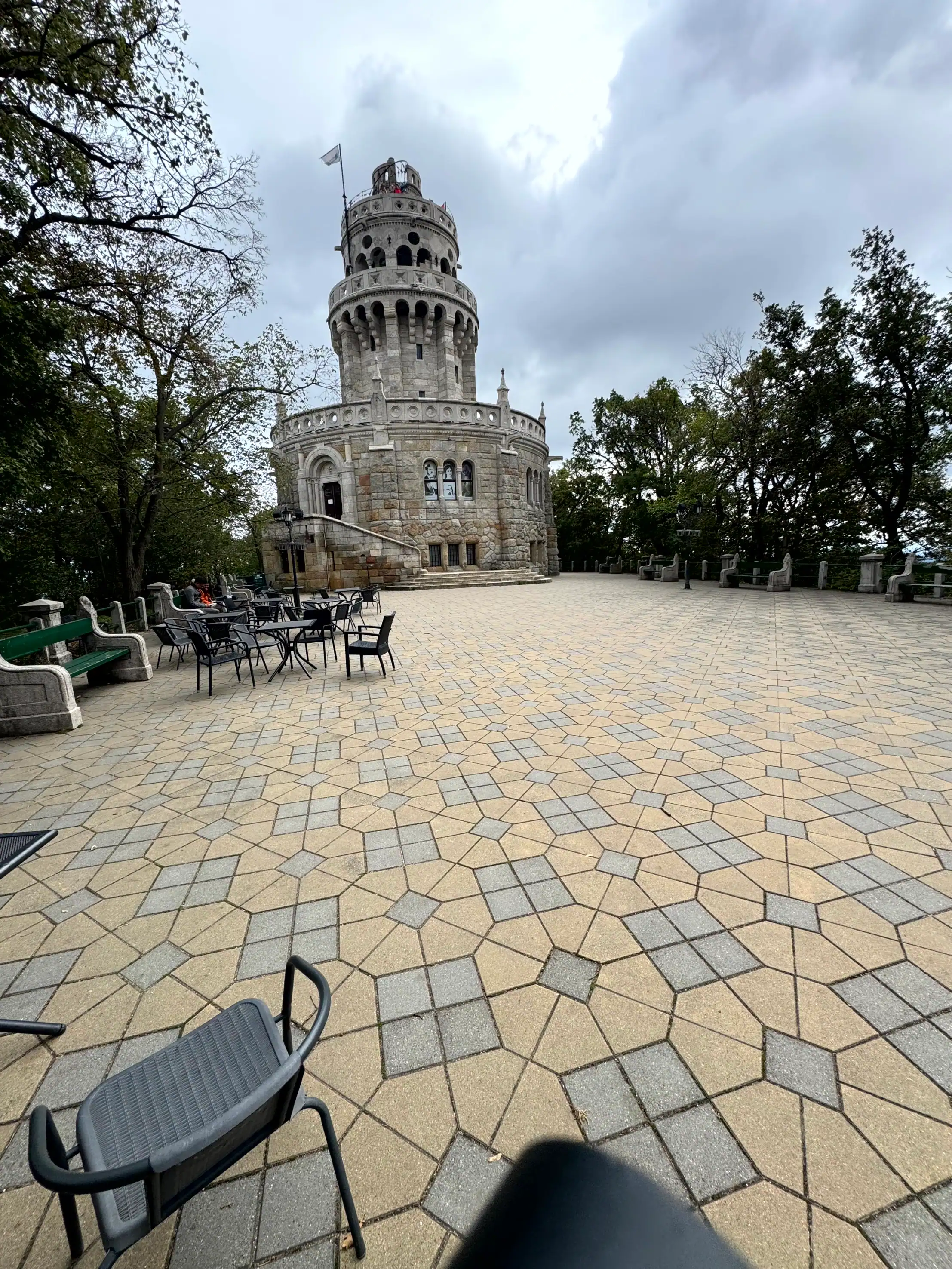
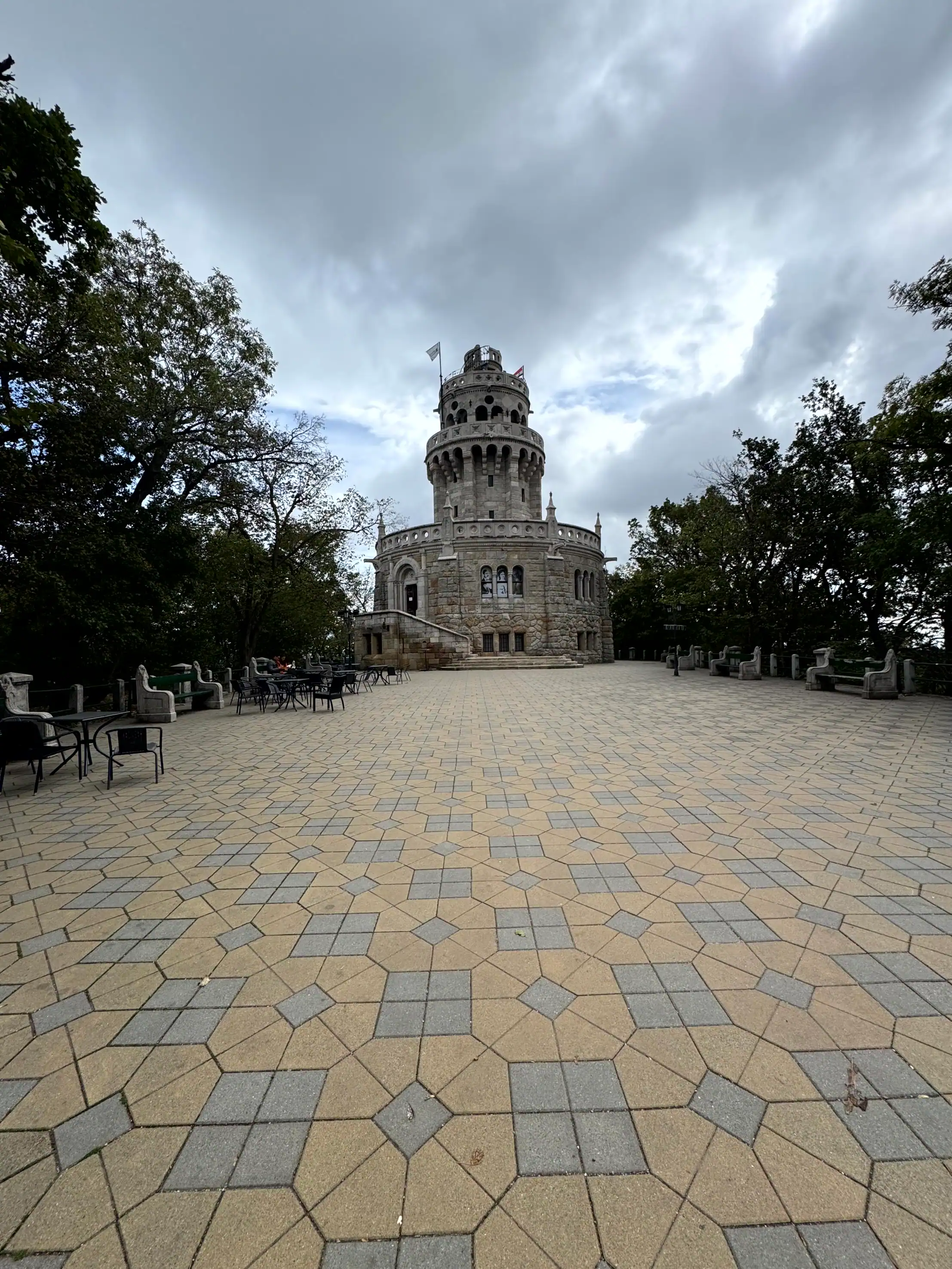
The most common question: “Which stop is best for the lookout?” Answer: get off at János-hegy, then walk up to Elizabeth Lookout (Erzsébet-kilátó). Nearby you’ll also find the top station of the Zugliget Chairlift (Libegő), which makes an iconic combination day: chairlift one way, Children’s Railway as the connector.
Szépjuhászné
The Best “Hub” Stop
If you had to choose one stop that works for almost everyone, this is it. It’s the most practical point for planning a visit toward Budakeszi Wildlife Park (Budakeszi Vadaspark) and it’s surrounded by classic short hikes and forest clearings.
Hárshegy
Quieter, Less “Mainstream” Forest Vibe
Fewer people get off here — which is exactly the appeal. It’s a strong pick if you want calmer trails and a “local” feel.
Hűvösvölgy
Easiest City Connection
This endpoint is one of the simplest for public transit access and it also gives you the strongest “real railway” atmosphere. If you want to end your day without fighting your way back from the hills, Hűvösvölgy is a smart strategy.
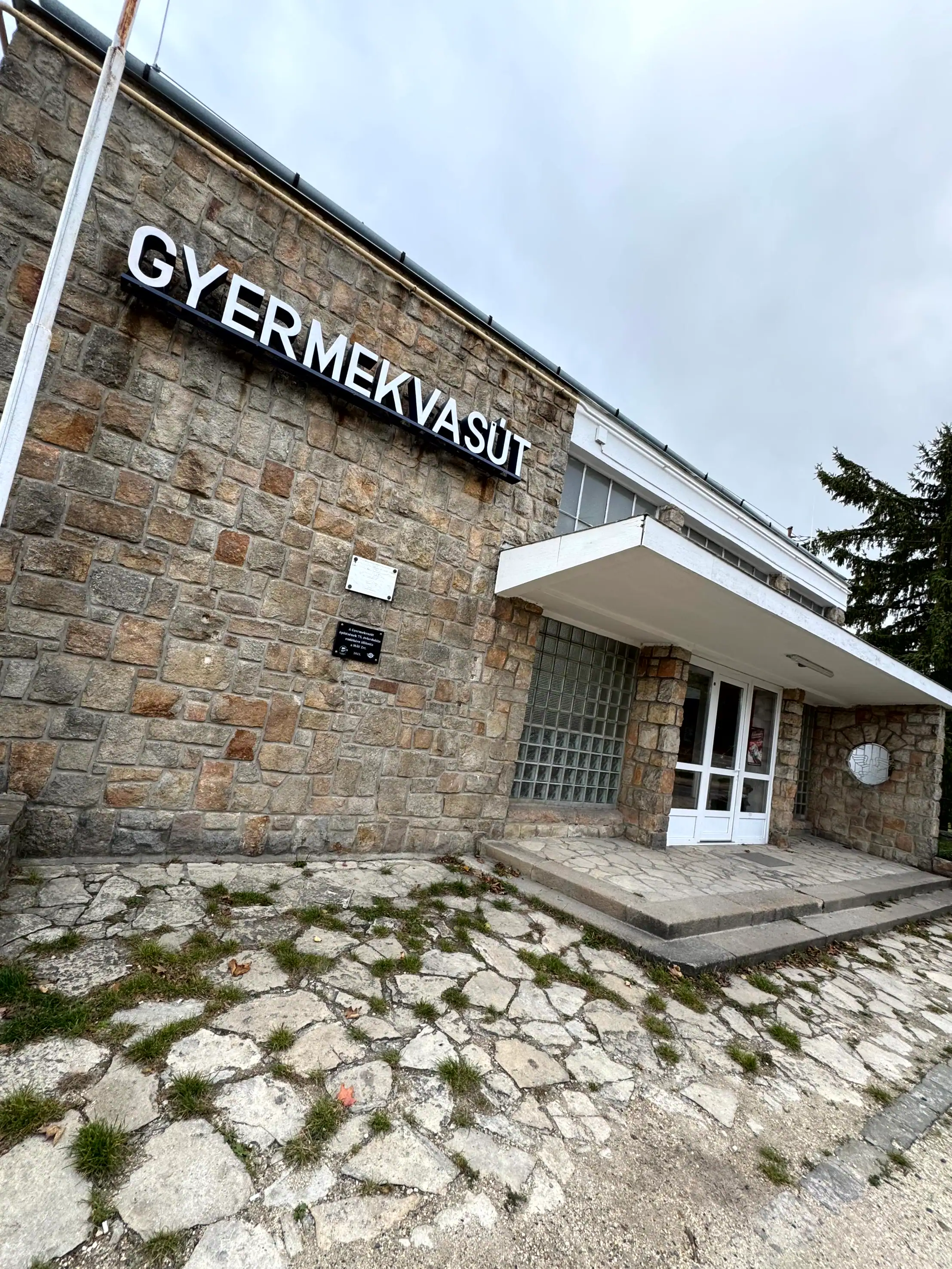

Service & Timetable Logic for 2026
How to Plan Without Stress
The exact timetable is seasonal — but the logic stays stable: trains operate throughout the year, including holidays. School-term Mondays (roughly September–May) are typically non-operating days.
End-to-end time is 40–50 minutes, so if you want to hop off, hike, and hop back on, build in buffer time.
Premium Planning Tip
The best days happen when you don’t chain your whole plan to the minute-by-minute timetable. Pick 2–3 anchor moments (lookout + lunch + playground/hike), and let the train be your “connector scene.”

Ticket Prices 2026
What to Buy, What It Includes
Ticket structure is straightforward, and it’s always worth a quick check close to your travel date. Typical pricing logic includes:
Ticket Types
- Adult one-way ticket
- Child (6–18) one-way ticket
- Transfer/return ticket (two rides)
- Family day ticket (best for multiple hop-on/hop-off rides)
- Under 6 typically free (often with a registration/zero-value ticket logic)
Cash vs. Card
Card payments are generally only available at Széchenyihegy, Szépjuhászné, and Hűvösvölgy — bring cash as a safe default.
Which Ticket Is Best?
One ride, end-to-end → one-way ticket. One stop-off, then continue later → transfer/return (two rides). Family day with multiple stops → family day ticket (often the most comfortable choice).
Nostalgia & Special Trains
A key part of the Children’s Railway’s charm is that it doesn’t just “run” — it occasionally becomes a stage.
Holiday Light Trains
In the Advent/holiday season, decorated “light train” cars often appear in service. Exact runs and times are date-specific and can change.
Nostalgia Services
Diesel Railcar, C50, Steam
Nostalgia schedules depend on rolling stock availability and are sometimes finalized only weeks ahead. If steam or a specific heritage set is your priority, it’s worth checking the official updates close to your date.
Santa Train, Children’s Day, Halloween
The Children’s Railway frequently hosts themed seasonal events — Santa services in early December, family-focused programming around Children’s Day, and occasional autumn themes like Halloween.
Three Itineraries That Actually Work
The “Can’t-Miss” Family Half-Day
The Iconic Combo Day
Lookout + Chairlift + Railway
Wildlife + Forest Day


Small Details That Make the Day Feel “Premium”
Make Your Buda Hills Day Effortless
This is the kind of program where “premium” doesn’t mean expensive — it means frictionless. If you’re traveling with kids, luggage, or a tight schedule, a private transfer removes the single most common pain point: hill traffic and parking. The rest is pure experience.








Frequently Asked Questions
Does the Children’s Railway run on Mondays in 2026?
During the school term (roughly September–May), school Mondays are typically non-operating days. Summer and school breaks follow different patterns.
How long is the ride from end to end?
Usually 40–50 minutes.
Where can I pay by card?
Most reliably at Széchenyihegy, Szépjuhászné, and Hűvösvölgy. Bring cash to be safe.
Are there special trains like a “light train” or steam?
Yes, seasonally — but exact dates and rolling stock assignments can change, so check official updates close to your visit.
Ready to Explore the Buda Hills?
Skip the parking stress and arrive in comfort. VanBudapest.com offers private transfers to the Children’s Railway starting points — so your family day begins the moment you step into the car.