January 2026 Snow Emergency: Budapest and Europe Under a Winter Siege
A Historic Winter Event in Hungary
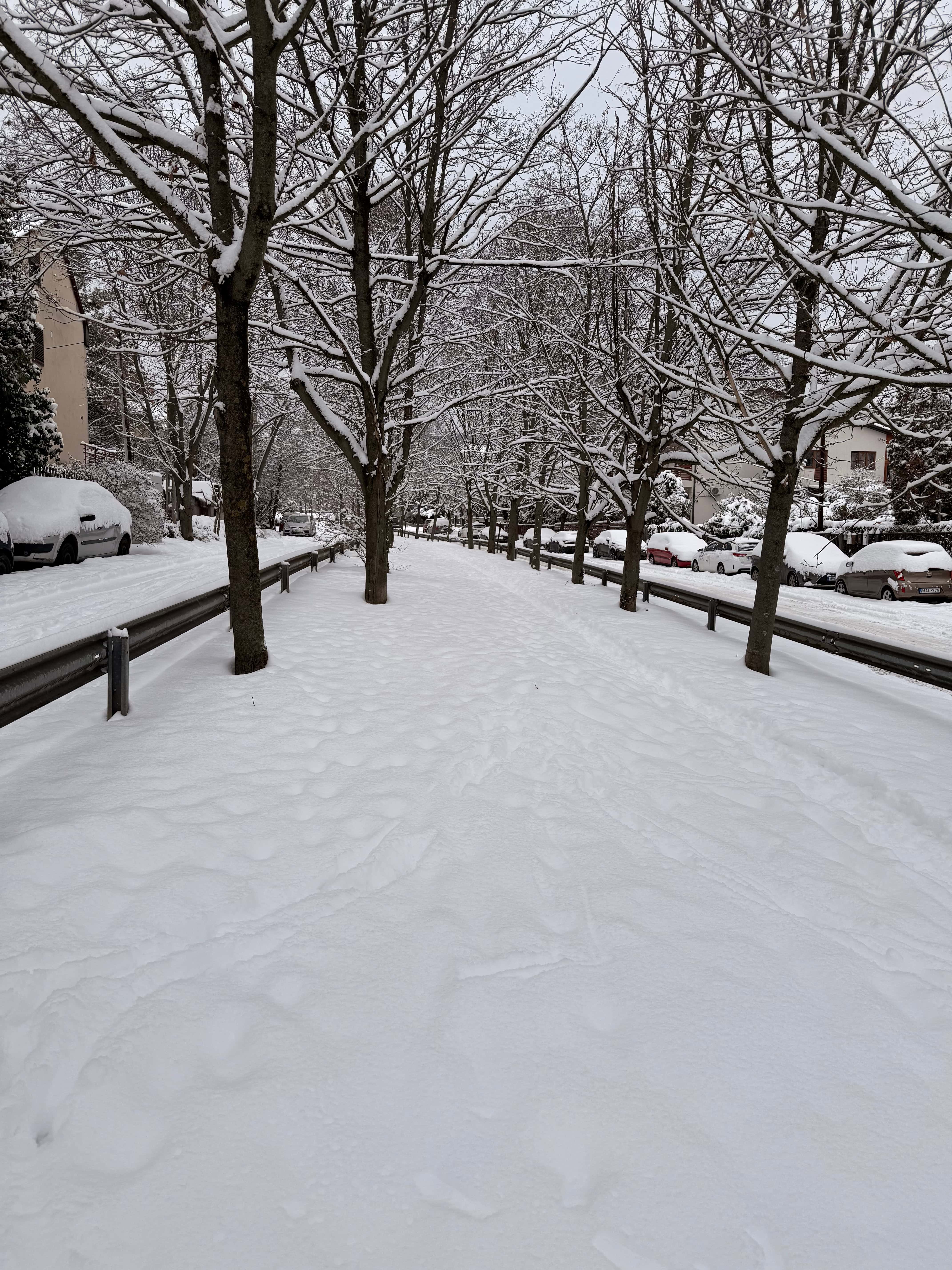
Early January 2026 delivered one of the most significant winter weather events Hungary has experienced in over a decade. Within a single night, 15–20 centimeters of fresh snow blanketed Budapest, transforming the capital into a striking winter landscape — and simultaneously putting its infrastructure to the test.
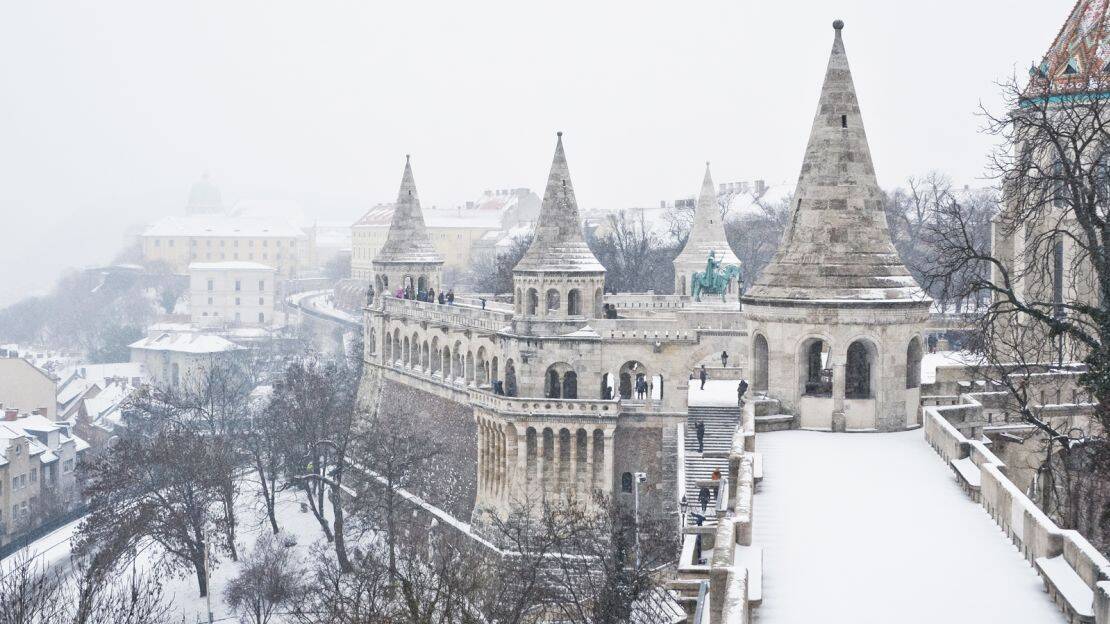
According to national meteorological data, this snowfall marked the heaviest accumulation in Budapest in approximately 15 years. The snow arrived in multiple waves between January 5 and 7, accompanied by falling temperatures, strong winds, and persistent freezing conditions.
While visually dramatic, the snowfall quickly evolved into a nationwide logistical challenge.
Budapest Under Pressure: Transport and Daily Life
The heavy snow had an immediate impact on Budapest’s transportation network. While public transit continued operating, delays, rerouted lines, and temporary service suspensions were unavoidable.
Overnight, municipal services deployed:
4 snow-clearing trams
12 ice-breaking maintenance units
Continuous manual clearing of tram switches, the most vulnerable points in the system
More than 5,000 public transport stops across the city required snow removal.
Certain tram and bus lines were partially replaced by shuttle services, while others skipped stops due to unsafe road conditions. Officials described the operation as “continuous and labor-intensive,” with crews working through the night to keep essential routes functional.
Despite these efforts, commuters faced longer travel times and reduced reliability during peak hours.

Highways at a Standstill: The M1 Motorway Crisis
The most dramatic transport disruption unfolded on M1 motorway, Hungary’s primary western corridor.
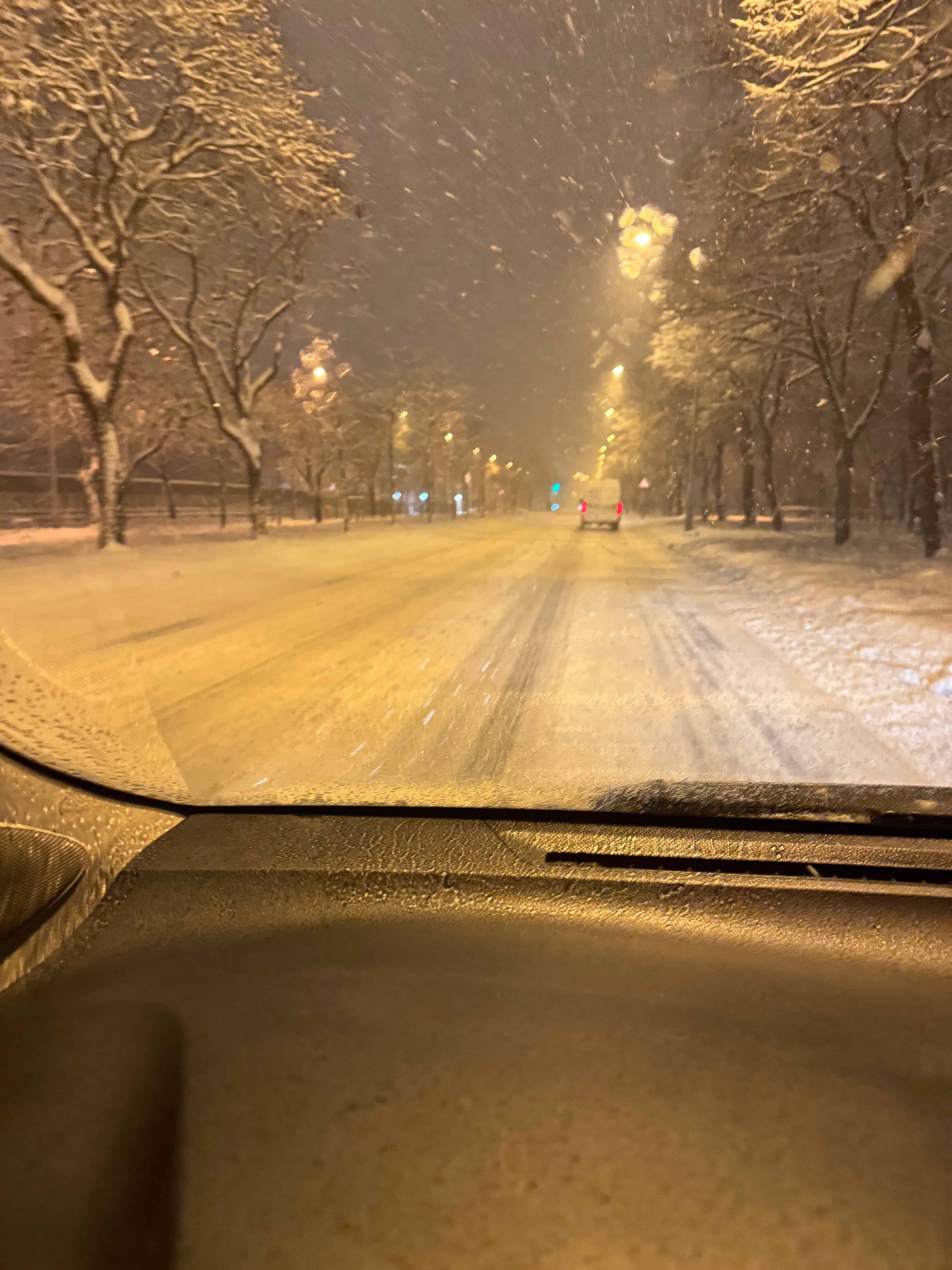
Between Biatorbágy and Tatabánya, stalled heavy trucks created multi-kilometer traffic jams, effectively paralyzing the route toward Austria. Emergency traffic management measures were introduced:
Three lanes opened westbound toward Hegyeshalom
Only one operational lane remained toward Budapest
The congestion spilled onto the M0 ring road, causing additional gridlock and forcing many drivers onto secondary roads, which soon became equally impassable.

Air Travel Disruptions at Budapest Airport
Snowfall also affected Budapest Liszt Ferenc International Airport. Intense evening snowfall on January 6 led to the temporary closure of one runway, slowing aircraft de-icing procedures and ground handling.
Several flights — including routes to Paris, Amsterdam, and London — experienced significant delays or cancellations, highlighting how quickly winter conditions can disrupt international travel hubs.

Nationwide Snowfall: Regional Extremes
Snow accumulation varied widely across Hungary:
Budapest & Central Hungary: 15–25 cm
Bakony Mountains: 30–35 cm in multiple locations
Southern regions near Szeged: 25–30 cm
Mountain areas: locally exceeding 60 cm
Despite the scale of the event, authorities confirmed that no settlements were completely cut off, and essential services remained operational nationwide.

State Response and Emergency Coordination
The Hungarian government activated a national emergency coordination unit to manage the situation. Resources deployed included:
Hundreds of firefighters and police units
Over 800 snow-clearing and road-treatment machines
Large-scale reserves of road salt and de-icing agents
Emergency services responded to thousands of calls, primarily traffic accidents and weather-related incidents. While the conditions caused widespread disruption, officials emphasized that the coordinated response prevented a broader infrastructure collapse.
A European Perspective: Winter Across Major Cities
Hungary was far from alone. The same winter system affected much of Europe.
Paris saw rare snowfall in central districts, school closures, and airport shutdowns.
Amsterdam experienced severe disruption at Schiphol Airport, with hundreds of flights canceled and rail services suspended.
Vienna faced heavy snow consistent with its harshest winter periods, impacting regional road and rail travel.
Prague reported repeated snowfall waves and below-average temperatures, straining urban transport systems.
Across the continent, more than a thousand flights were canceled, underscoring the interconnected nature of European travel during extreme weather events.

What This Winter Reminds Us Of
The January 2026 snow emergency served as a reminder that severe winter weather remains a real challenge, even in an era of advanced forecasting and infrastructure.
While climate trends point toward warmer averages, extreme events are becoming more concentrated and disruptive when they occur. Cities can prepare — but adaptability, coordination, and traveler awareness remain essential.

Travel Advice During Severe Winter Conditions
Monitor real-time transport updates
Allow extended travel times
Choose professional, weather-prepared transport services
Verify flight status before arriving at the airport
For international travelers and business guests, reliable chauffeured transport can make the difference between disruption and continuity during winter extremes.

Book with Confidence in All Conditions
Book VIP Transfer with VanBudapest and travel safely through Budapest and Central Europe — even when winter is at its strongest.
VanBudapest.com • Premium Chauffeur • Budapest & Central Europe