

The Velvet Revolution 1989: Prague's Peaceful Uprising for Freedom
🇨🇿 Velvet Revolution — Freedom Commemorated
Národní Street • November 17 — 🔑 Keys, 🕯️ Candles, 🎶 “Prayer for Marta”
Struggle for Freedom & Democracy Day
1989 → 12 days that changed Europe
Civic courage • Non-violence
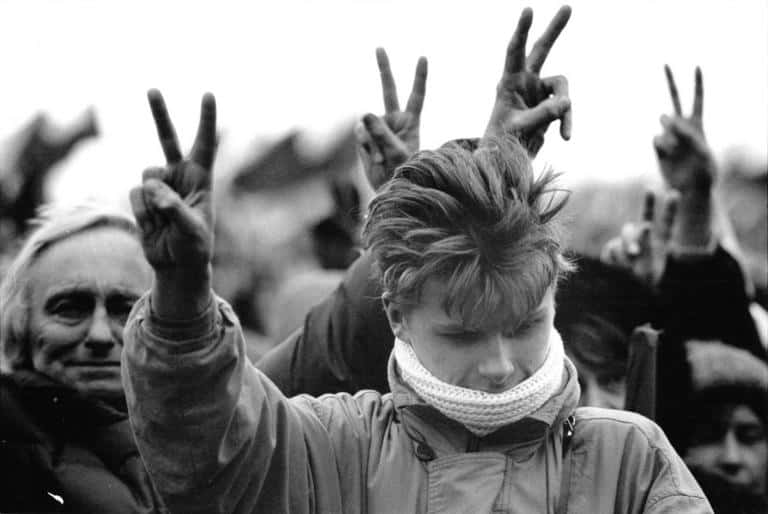
Visual Memory • Prague 1989


Official Text • Unedited Content
The Gentle Revolution That Changed Europe
In November 1989, Prague’s cobblestone streets echoed with chants for freedom, not gunfire. Students, artists, and ordinary citizens gathered to demand change. Historian Timothy Garton Ash famously described it as “swift, entirely non-violent, joyful and funny.” That spirit gave the world the Velvet Revolution, a rare moment when a nation transformed without bloodshed.
From Dissent to Defiance
After decades of repression under communist Czechoslovakia, the dream of freedom never died. Movements like Charter 77 and memories of the Prague Spring kept dissent alive. On November 17, 1989, students marched through Prague to honor victims of the Nazi occupation—unaware their peaceful protest would ignite history. Riot police tried to silence them; instead, their courage inspired millions.
Twelve Days That Shook a Regime
The movement spread like wildfire:
– Nov 17: Police clash with students on Národní třída.
– Nov 19: Civic Forum forms under Václav Havel’s leadership.
– Nov 24: Communist Party leadership resigns.
– Nov 27: Two-hour general strike halts the country.
– Dec 29: Havel becomes president, marking the end of communist rule.
The revolution lasted less than two weeks—but reshaped Central Europe forever.
Why November 17 Matters
This date holds double meaning. In 1939, Nazi forces executed Czech students for protesting tyranny. Fifty years later, their spiritual heirs rose again, peacefully. Today, November 17 is the Struggle for Freedom and Democracy Day, honoring both generations who fought for liberty.
Legacy of the Velvet Revolution
The Velvet Revolution gave birth to democratic Czech and Slovak nations, inspired the fall of the Berlin Wall, and reinforced the ideal that truth and humanity can defeat oppression. Its echoes are still heard in global movements for justice and solidarity—especially in Central Europe’s support for Ukraine and EU values.
Keys jingling in the air became its symbol—a simple sound meaning, “Time to go home.”
Commemorating Freedom Today
Each year, Prague turns Národní Street into a festival of remembrance. Candles flicker, choirs sing “Prayer for Marta,” and families walk together where students once stood against fear. Across Europe, from Bratislava to Stockholm, communities honor this day with concerts, exhibitions, and educational events celebrating freedom and civic courage.