
St. Martin's Day in Hungary: Traditions, Feasts, and Wine
The Story Behind St. Martin’s Day
Every year on November 11, Hungary celebrates St. Martin’s Day — a centuries-old tradition marking the end of the agricultural season and the arrival of new wine.
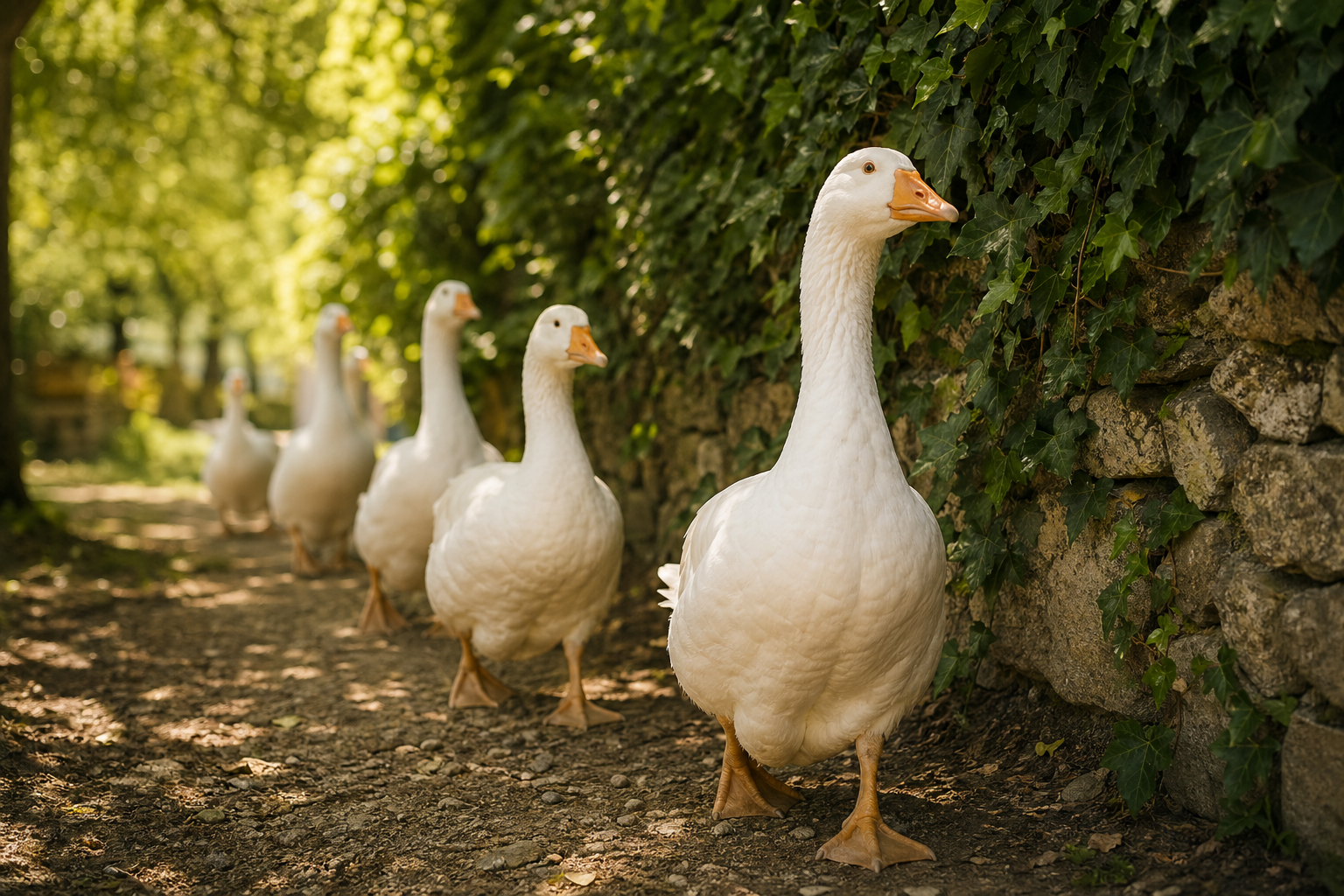
The story begins with St. Martin of Tours, a Roman soldier turned bishop known for his compassion. According to legend, Martin once cut his cloak in half to share it with a beggar. Later, when he tried to avoid being appointed bishop, he hid among a flock of geese — but their loud cackling gave him away. Since then, the goose has become the symbol of the holiday, and eating goose on this day is said to bring good fortune for the year ahead.
Hungarian Goose Feasts and Culinary Traditions
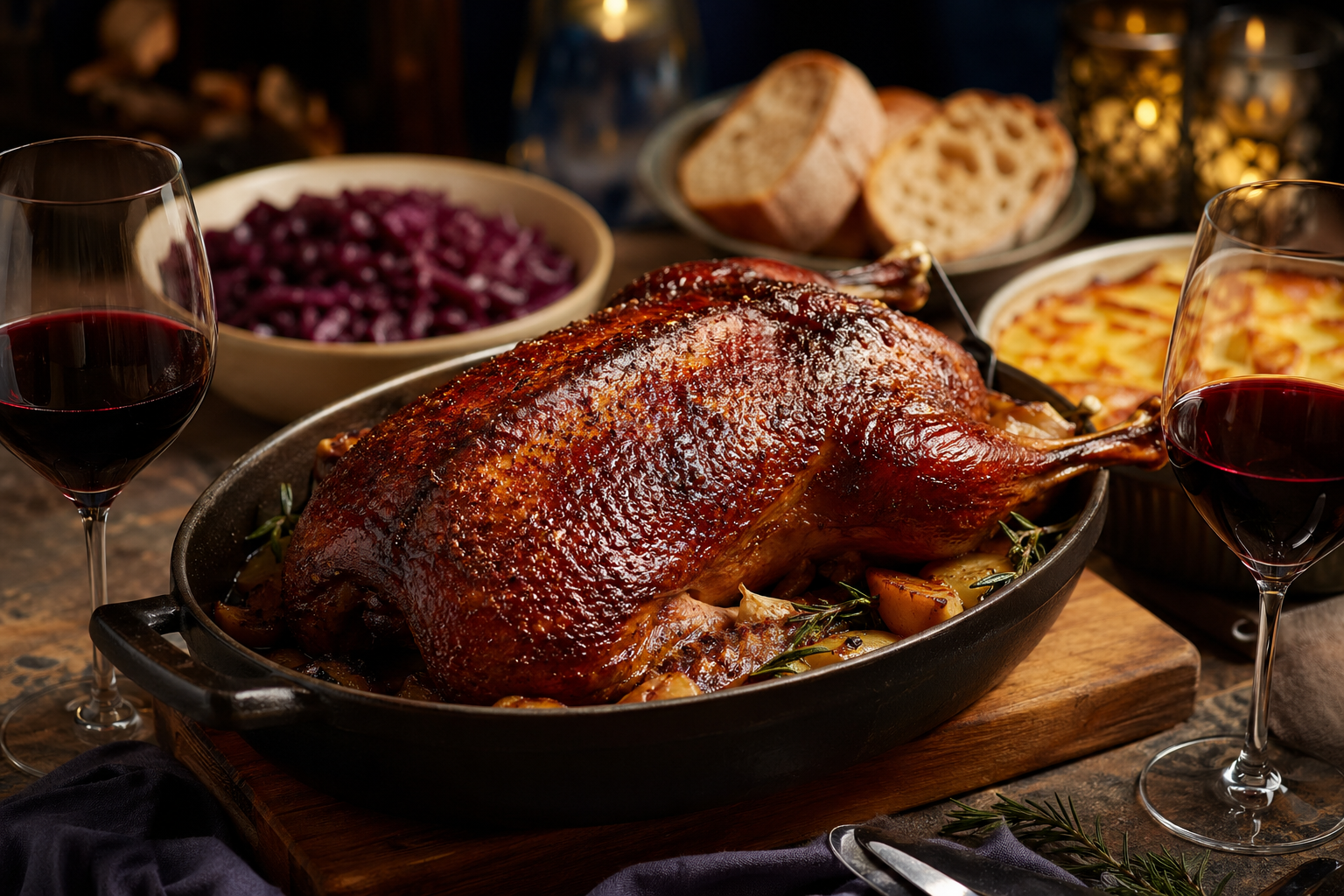
St. Martin’s Day is one of Hungary’s most delicious holidays. Tables are filled with roast goose, goose liver, and creamy ludaskása, a barley-based dish enriched with tender goose meat and vegetables.
The feast is always accompanied by new wine — young, fresh vintages from the recent harvest, officially opened on November 11. From full-bodied reds to fruity whites, these wines symbolize renewal and the joy of community.
Festival Highlights Across Hungary
Budapest: Gourmet Nights and Lantern Parades
In the capital, St. Martin’s Day brings both flavor and festivity. Elegant restaurants such as Normafa Síház or the Time Out Market offer multi-course goose menus paired with Hungarian wines. Along the Római riverside, families gather for lantern-making workshops and children’s parades, illuminating the November evenings with handmade paper lanterns.
Countryside Celebrations: Wine & Tradition
Beyond the capital, historic towns like Székesfehérvár, Eger, and Miskolc host goose and wine festivals featuring local folk music, craft fairs, and open-air feasts. Around Lake Balaton, wineries open their cellars for tastings, while charming villages such as Noszvaj and Hollókő invite visitors to discover rural traditions — bonfires, artisan workshops, and hearty goose dinners shared under candlelight.
A Central European Tradition
St. Martin’s Day is cherished across Central Europe. In Czechia, new wines are ceremoniously opened at 11:11 a.m. on November 11, while Austria’s “Martinigansl” dinners mirror Hungary’s goose feasts. The celebration symbolizes gratitude, community, and the joy of the harvest season — a perfect reason for travelers to explore Hungarian hospitality.
Modern Gastronomy Meets Tradition
In 2025, St. Martin’s Day takes on a new culinary twist. Chefs are reimagining goose dishes with modern fusion flavors — truffle-infused goose liver, roasted goose leg with chestnut purée, or goose rillette with elderberry glaze. Sustainability is also in focus: locally sourced ingredients and “glocal” menus (local roots, global inspiration) are redefining festive dining across Hungary.
Travel & Experience Guide
Whether you’re visiting for a weekend getaway or planning a culinary road trip, St. Martin’s Day offers endless experiences. Book early — restaurants and wineries fill up quickly. Many boutique hotels offer St. Martin’s Day experience packages that include a goose dinner, wine tasting, and guided village walks.
Tip: Combine your festival visit with sightseeing — explore Hungary’s wine regions, from Eger to Villány, or spend an evening in Budapest’s thermal spas after the festivities.
Frequently Asked Questions
Why do Hungarians eat goose on St. Martin’s Day?
Because of the legend of St. Martin hiding among geese, the bird became his symbol. Eating goose is said to bring luck and prosperity for the coming year.
Where can I join St. Martin’s Day festivals in Hungary?
Budapest, Eger, Székesfehérvár, and Balaton towns host some of the biggest events — with goose menus, wine tastings, and lantern parades.
How is St. Martin’s Day celebrated in other countries?
Czechs, Austrians, and Slovenians celebrate with similar feasts and new wine openings, creating a shared Central European cultural tradition.
When should I plan my visit?
Events usually take place around November 8–12, so booking early ensures you’ll have the best seats — and the crispiest roast goose.