

✅ UPDATE (November 5, 2025):
This article analyzed the challenges that threatened Sziget Festival 2026. The situation has dramatically changed. After unexpected political negotiations and strategic partnerships, the festival has been officially saved with new Hungarian leadership, institutional backing, and a secured future.
Why Sziget Festival 2026 Was Cancelled — Inside the Decision
Budapest’s iconic Sziget Festival, one of Europe’s largest music and cultural events, has been officially cancelled for 2026 following a dramatic breakdown in land-use negotiations between the organizers and city authorities. The collapse was driven by financial losses, political gridlock, and ownership uncertainty — ending more than three decades of tradition and shaking the foundations of Hungary’s festival economy.

🗓️ Timeline: How a 30-Year Legacy Collapsed
Whispers of crisis began circulating when founder Károly Gerendai confirmed that talks were underway for his possible return to rescue the event. Behind the scenes, KKR, the American private-equity firm owning Sziget Zrt., prepared to withdraw from Hungary after years of unprofitability.
With ticket sales for 2026 still not launched — a first in the festival’s history — insiders warned that the event’s timeline had already slipped beyond recovery.
KKR’s exit triggered a rapid ownership vacuum. Rising artist fees, increased logistics costs, and shifting consumer habits — such as fewer multi-day passes and lower alcohol sales — eroded margins.
Gerendai founded a new company, FestPro IoF 2025 Befektető Kft., aiming to acquire Sziget with Hungarian partners from among former subcontractors rather than major investors. Analysts estimated that the festival’s loss could remove over 30 billion forints (≈ €77 million) from national GDP through tourism and supply-chain effects.
Budapest’s municipal committees twice rejected motions to terminate the existing land-use contract — a key condition demanded by KKR before any new sale could proceed.
Opposition parties Fidesz and Tisza withheld support, insisting on guarantees that the city would not lose the ≈ 200 million HUF already tied up in infrastructure. Meanwhile, Yourope, Europe’s festival association, urged Mayor Gergely Karácsony to act swiftly, stressing Sziget’s role in promoting freedom, diversity, and youth culture.
After a final failed vote in the city council, Karácsony announced the cancellation of Sziget 2026, blaming political obstruction by rival factions.
Fidesz and Tisza countered that the mayor refused to incorporate their youth-discount proposal, while Gerendai declared he would not assume “billion-forint risks” without concrete municipal backing. The decision marked the first complete cancellation in the festival’s modern history.
Aftermath — Shock Across Hungary and Europe
Social media erupted in disbelief. Reddit threads debated alternatives; Instagram comments flooded Sziget’s official posts; and even partner festivals like Roskilde, Primavera Sound, and EXIT expressed solidarity.
Industry insiders revealed that pre-registration for 2026 had remained live until days before the announcement — underscoring how close negotiations came to salvaging the event.
📹 Video Coverage: Festival Documentary
Visual Legacy: Sziget Through 2025
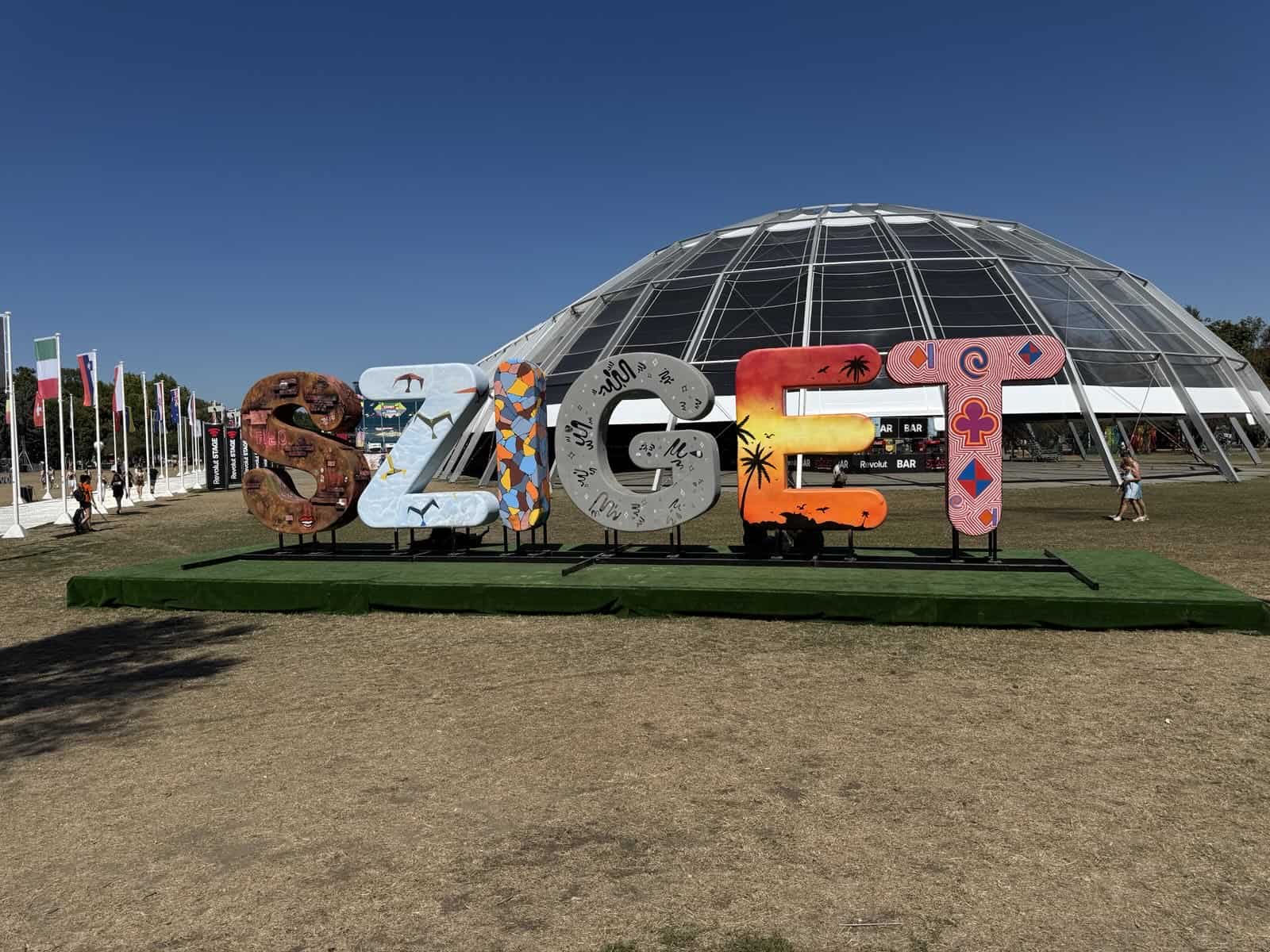

💶 Analysis: The Real Reasons Behind the Collapse
Economic Pressures Mounted Over Years
Sziget’s finances have been deteriorating for years. Losses reportedly grew from 1.8 billion HUF in 2023 to nearly 4 billion HUF in 2024, despite post-pandemic rebounds in attendance.
The festival’s business model — reliant on foreign visitors spending heavily over week-long stays — clashed with Gen Z’s shift toward shorter, experience-focused travel.
KKR’s investors cited unsustainable production costs and a declining ROI, prompting their retreat from the Hungarian market.
“Sziget became too large, too dependent on foreign tourism, and too expensive to sustain without stable local ownership,” founder Gerendai admitted in recent statements.
Political Tensions Deepened Division
Budapest’s city leadership, led by Mayor Karácsony, faced intense friction with national-level actors. While the mayor sought to restructure the land-use deal, the Fidesz-dominated opposition accused him of mismanagement and demanded guarantees protecting taxpayers.
Tisza, a centrist newcomer party, conditioned its support on discounted youth tickets and municipal oversight of environmental standards.
Karácsony publicly lamented that “those who killed Sziget did it for political gain,” as procedural blockages prevented new contracts with Hungarian owners from proceeding.
Cultural Significance Lost in Translation
Culturally, Sziget symbolized Budapest’s liberal and international identity — “The Island of Freedom.” Since Gerendai’s departure in 2018, critics said the event lost touch with local youth and became an expensive tourist spectacle.
His planned comeback in 2025 carried hopes of restoring that balance, but political and financial delays crushed the effort. Yourope warned that Sziget’s demise could “erode one of Europe’s last great meeting points for free expression.”
📊 Impact: Economic, Social and Reputational Fallout
Tourism Revenue Loss
Hotel Revenue Gap
Festival’s 2024 Losses
Municipal Investment at Risk
Tourism and Hospitality Sectors Face Significant Losses
During a typical year, Sziget generates 7.9 billion HUF in hotel revenue during its week alone — a 37 percent increase compared to normal summer weeks. International guest nights multiply eighteenfold in the hosting district, while airlines, restaurants, taxis, and event suppliers thrive on festival-related spending.
Without Sziget 2026, analysts forecast a 30 billion HUF GDP shortfall, disproportionately hurting Budapest’s small businesses and hospitality workers recovering from pandemic-era losses.
Event Industry Loses Key Revenue Driver
Hundreds of subcontractors — from stage builders to sound engineers — depend on Sziget contracts. The cancellation threatens thousands of seasonal jobs and several long-standing SMEs that built their reputations on the festival circuit.
Budapest’s International Brand Weakened
For three decades, Sziget defined Budapest’s youthful, multicultural allure. Its absence risks undermining the city’s international brand as a creative and inclusive destination, potentially diverting tourists to Croatia’s INmusic, Serbia’s EXIT, or Poland’s Open’er.
Domestic Youth Culture Suffers
Domestically, many young Hungarians view Sziget as a rite of passage. Its loss widens the gap between local and international cultural access, and could dampen youth engagement with arts and civic life.
🔮 Future Outlook: Can Sziget Be Reborn?
Despite 2026’s cancellation, optimism persists for a future revival. Gerendai’s rescue consortium, if approved, could rebuild the festival with leaner budgets, shorter durations, and sustainability at its core.
Potential models for revival include:
- A scaled-down “Diáksziget Redux”, echoing Sziget’s early-1990s local format with emphasis on Hungarian artists
- Hybrid partnerships with venues like Budapest Park or Városliget’s cultural pavilions for smaller, curated events
- Collaboration with Yourope to ensure EU-level funding and cultural safeguards
However, a full-scale comeback before 2027 appears unlikely without formal city guarantees and depoliticized management structures. Experts argue that Hungary’s festival sector must pivot toward shorter, eco-conscious events and stronger domestic engagement to remain viable in a post-pandemic market.
🧭 Conclusion: A Temporary Setback or Permanent Loss?
The downfall of Sziget 2026 illustrates the delicate intersection of economics, politics, and culture in Europe’s live-events industry. A once-unifying celebration of freedom became entangled in fiscal loss and partisan tension — and its cancellation sends ripples far beyond Budapest’s Óbuda Island.
Yet, the spirit of Sziget may still survive through collaboration, creativity, and local initiative. Stakeholders across Europe agree: losing such a symbol must be temporary — not terminal.